
Minneapolis Institute of Art
Quatrefoil plaque of the Four Directions
China
- Date
- late 2nd century
- Medium
- Gilt bronze
- Department
- Asian Art
- Institution
- Minneapolis Institute of Art
Gilt bronze ornamental plaques with engraved decoration and silvered backgrounds were used as tomb decoration in western China during the Eastern Han dynasty (24-220 CE). This quatrefoil plaque is part of a rare set of twenty-six gilt plaques owned by the museum that is similar to works retrieved from Han tombs in Szechwan and Kansu provinces. The quatrefoil motif evolved during the Warring States (475-221 BCE) and Western Han dynasty (206 BCE - 8 CE) as an auspicious symbol for the four cardinal directions. Like the yin-yang motif, it served as a type of emblem for universal order. Though difficult to read due to corrosion, this plaque is inscribed in linear style with a dragon at one end and a phoenix at the other. These mythological animals represent the directions east and south respectively. Another phoenix and dragon pair dissolved amidst scroll motifs appears in the petal panels at the median. The four animals ( ssu-ling ) represented by the green dragon of the east, red bird of the south, white tiger of the west, and black, snake-entwined tortoise of the north do not always appear together in a formal manner during Han. This plaque, with its pair of dragons and phoenixes, both extremely auspicious animals, would have been adequate to protect the tomb and ensure prosperity in the afterlife. Asia
The authoritative record is held by Minneapolis Institute of Art. LinkedCulture surfaces this object and its connections; it does not alter institutional metadata.
Related across collections
Semantically similar works from Minneapolis Institute of Art and other institutions.

Phoenix Plaque
Minneapolis Institute of Art

Phoenix Bird Form Plaque, one of a pair
Minneapolis Institute of Art

Phoenix
Minneapolis Institute of Art
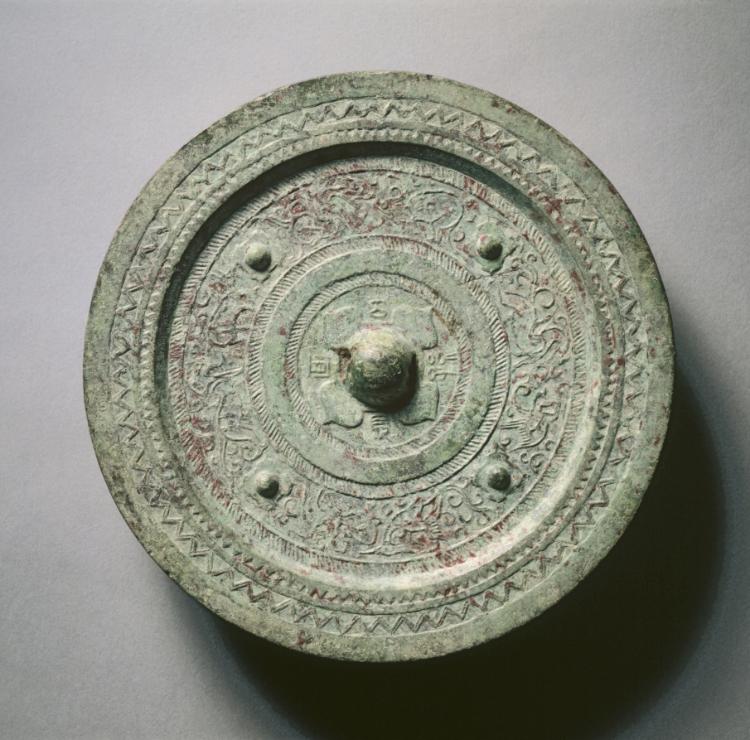
Mirror with Quatrefoil, Four Nipples, Animals, and Birds
Cleveland Museum of Art
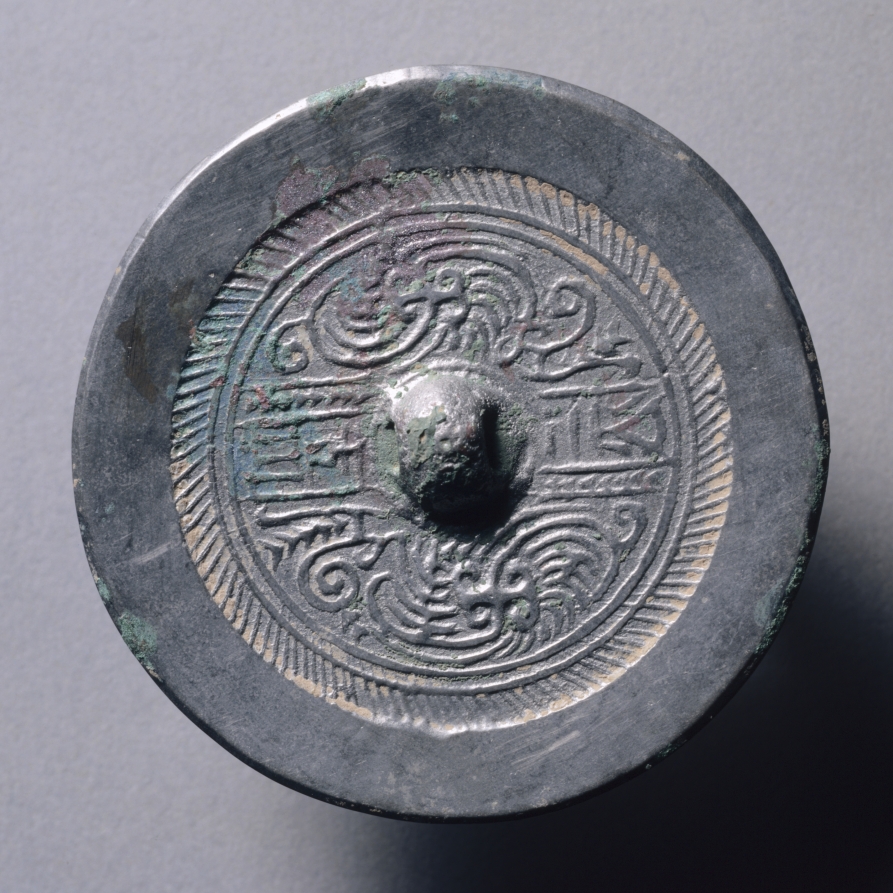
Mirror with Quatrefoil, Paired Phoenixes, and Auspicious Animals
Cleveland Museum of Art
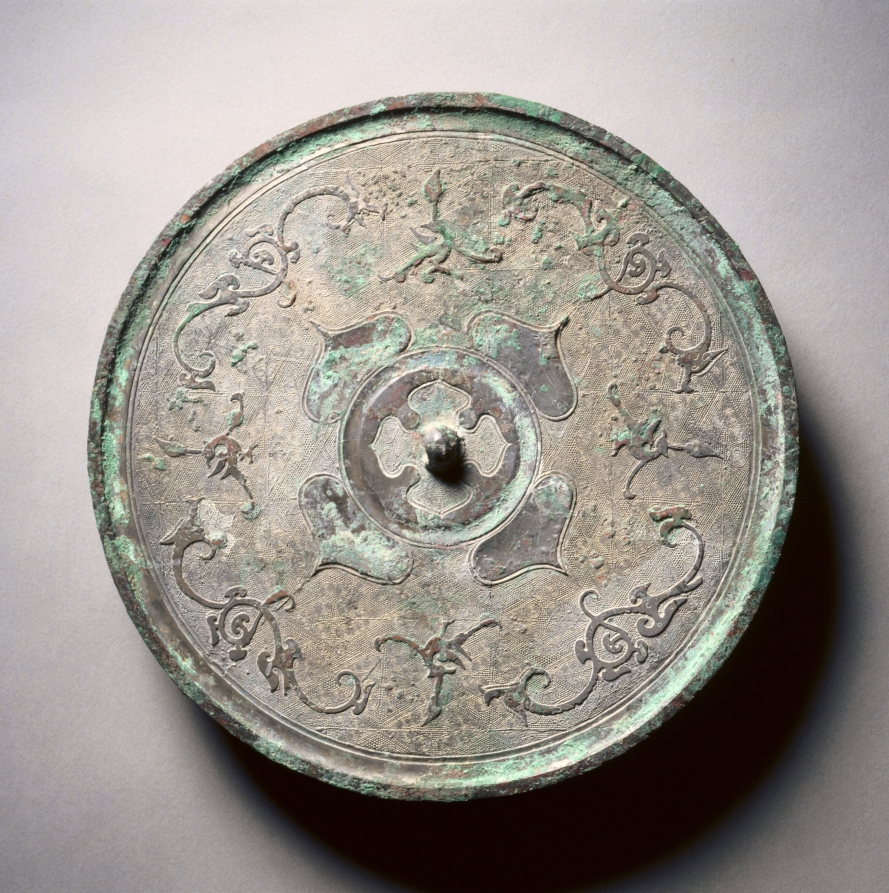
Mirror with Double Quatrefoils, Dragons, and Phoenixes
Cleveland Museum of Art
Mortuary Figures of the Zodiac Signs
Cleveland Museum of Art
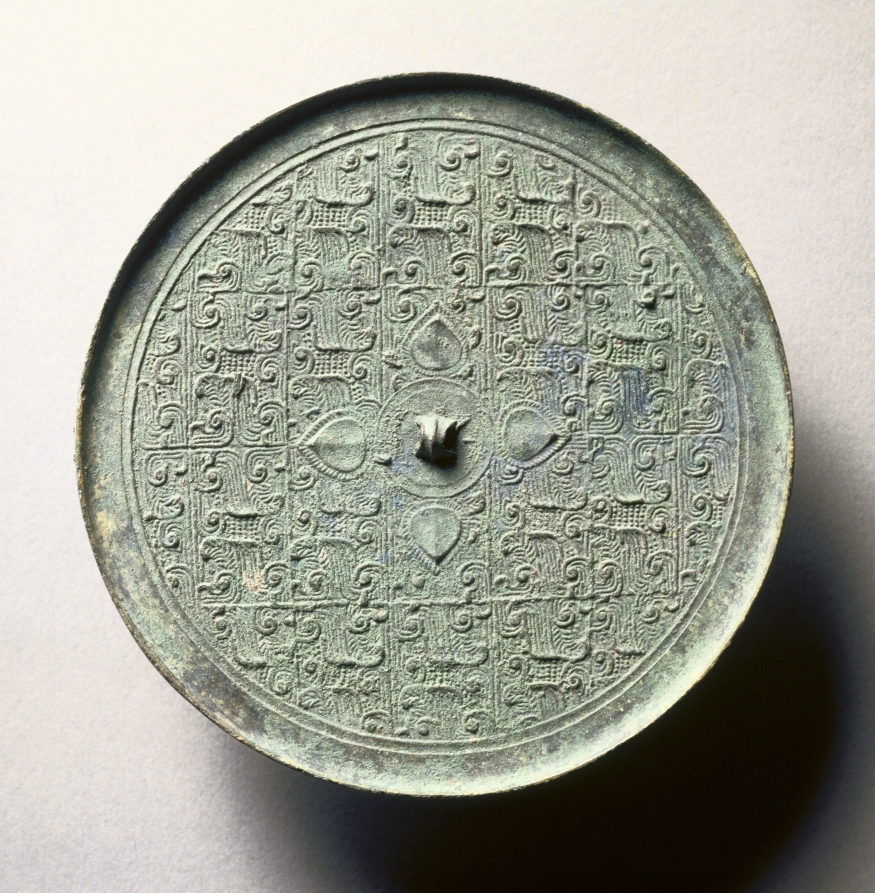
Mirror with Quatrefoil and Feather Pattern
Cleveland Museum of Art
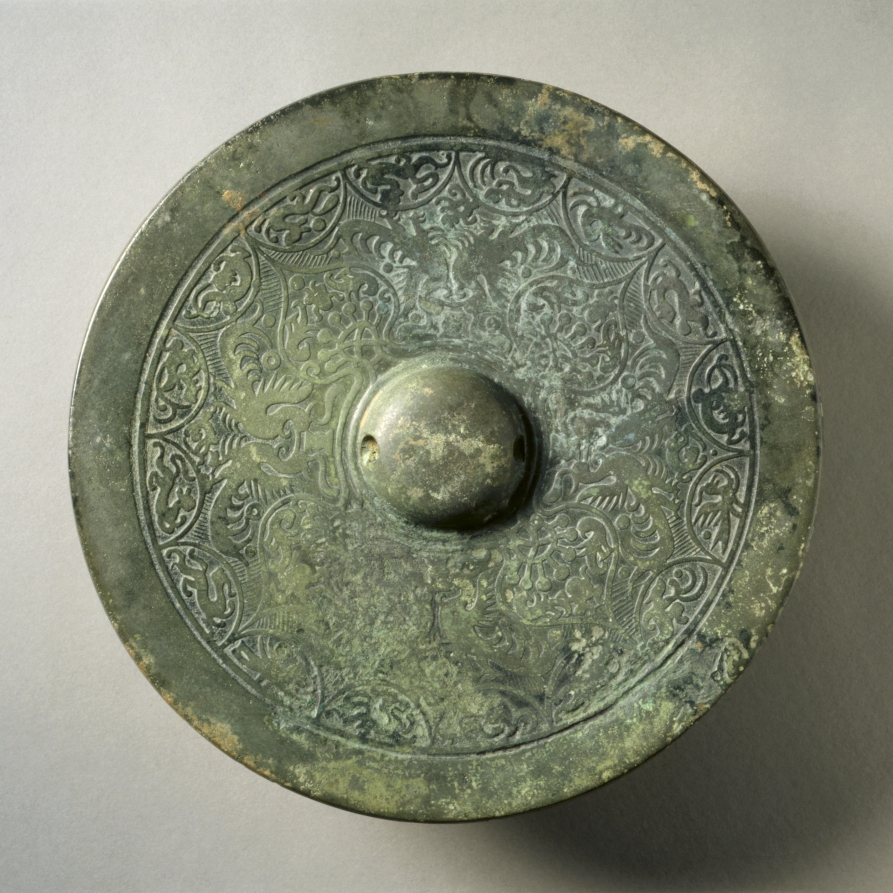
Mirror with Quatrefoil, Paired Phoenixes, and Auspicious Animals
Cleveland Museum of Art

Mirror
Minneapolis Institute of Art
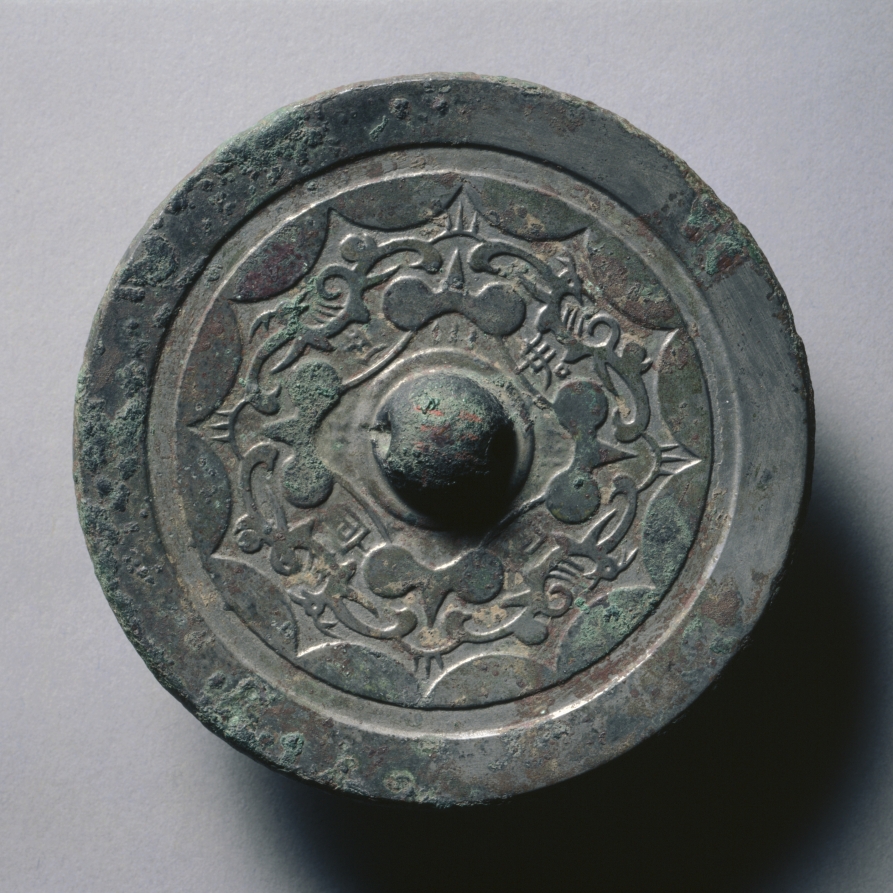
Mirror with Quatrefoil and Linked Arcs
Cleveland Museum of Art

Plaque in the form of Xiwangmu, Queen Mother of the West
Minneapolis Institute of Art