
Minneapolis Institute of Art
Horse with sancai (“Three color”) glaze
China
- Date
- early 8th century
- Medium
- Earthenware with polychrome glaze
- Department
- Asian Art
- Institution
- Minneapolis Institute of Art
This horse comes from a group of 10 tomb figures and is glazed in sancai (“three-color”) ware, a technique first developed during the Northern Qi period (550–577 CE) and refined in the Tang. Sancai became especially popular in Tang China because its flowing tricolor glaze suited the empire’s cosmopolitan tastes and advancing ceramic technologies. While traditional sancai features amber, green, and cream glazes, this example is distinguished by its striking blue surface. Blue was difficult and costly to produce, requiring imported cobalt pigments, and appears far less frequently than other colors. Its vivid tone highlights the Tang dynasty’s technical ambition and cosmopolitan aesthetic, transforming this tomb figure into an exceptional expression of luxury and innovation. Asia
The authoritative record is held by Minneapolis Institute of Art. LinkedCulture surfaces this object and its connections; it does not alter institutional metadata.
Related across collections
Semantically similar works from Minneapolis Institute of Art and other institutions.

Horse with sancai (“Three color”) glaze
Minneapolis Institute of Art
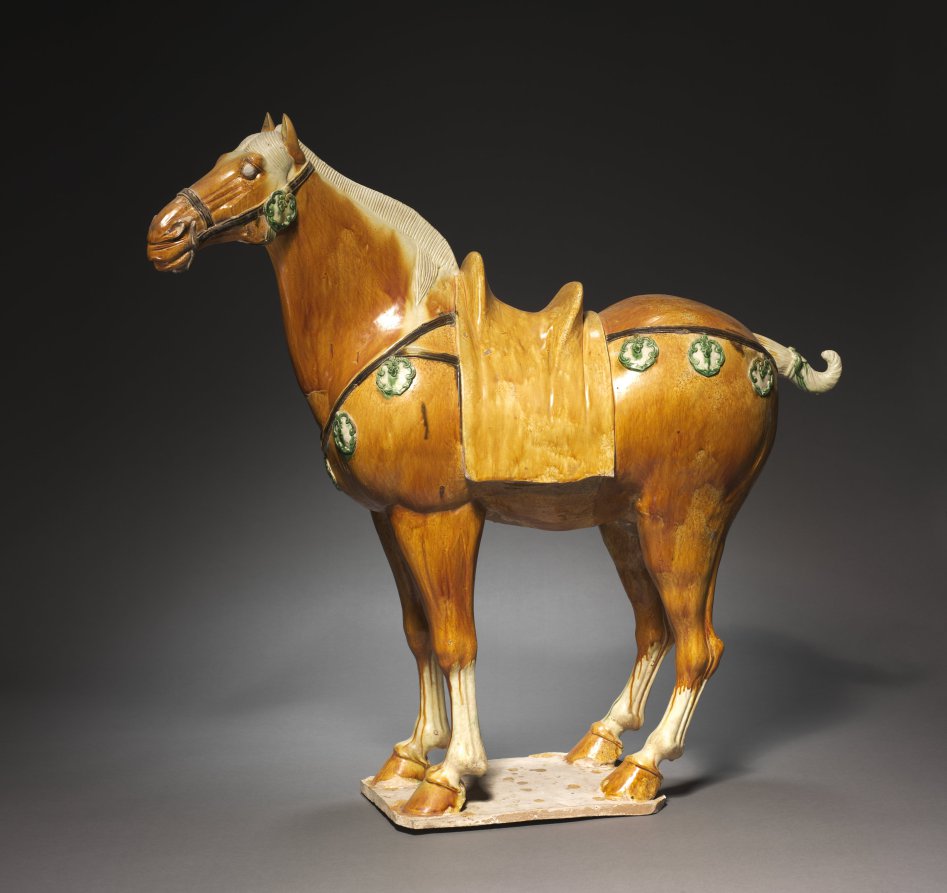
Horse
Cleveland Museum of Art
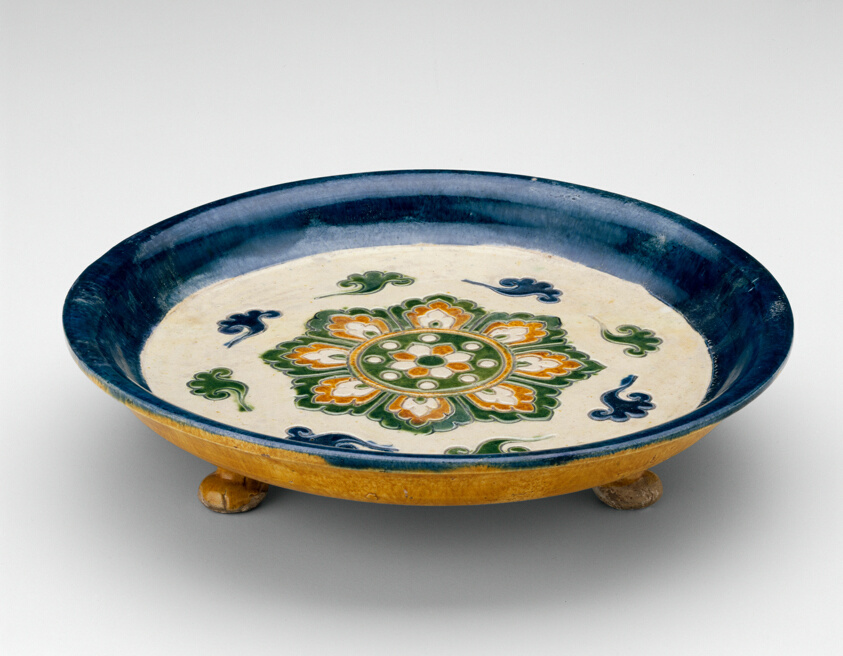
Footed Dish with Lotus Medallion and Cloud Scrolls
Art Institute of Chicago
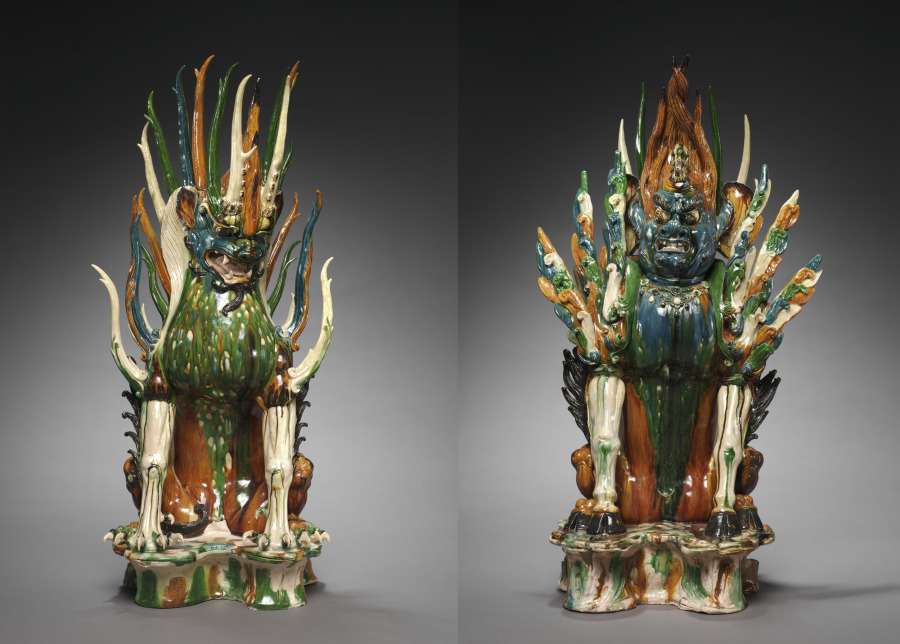
Tomb Guardians
Cleveland Museum of Art
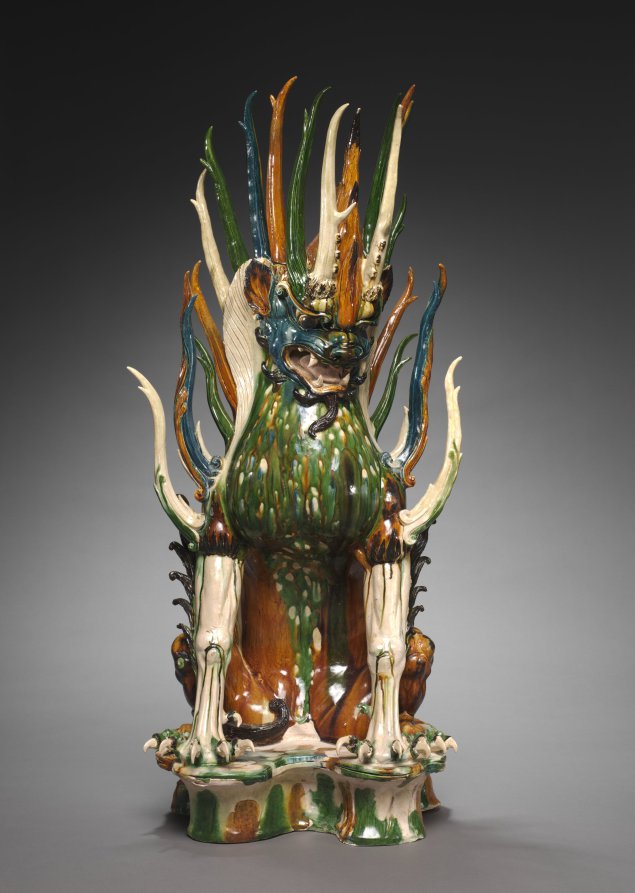
Tomb Guardian with Animal Head
Cleveland Museum of Art

Equestrian Figure for Wedding Procession
Minneapolis Institute of Art

Equestrian Figure for Wedding Procession
Minneapolis Institute of Art
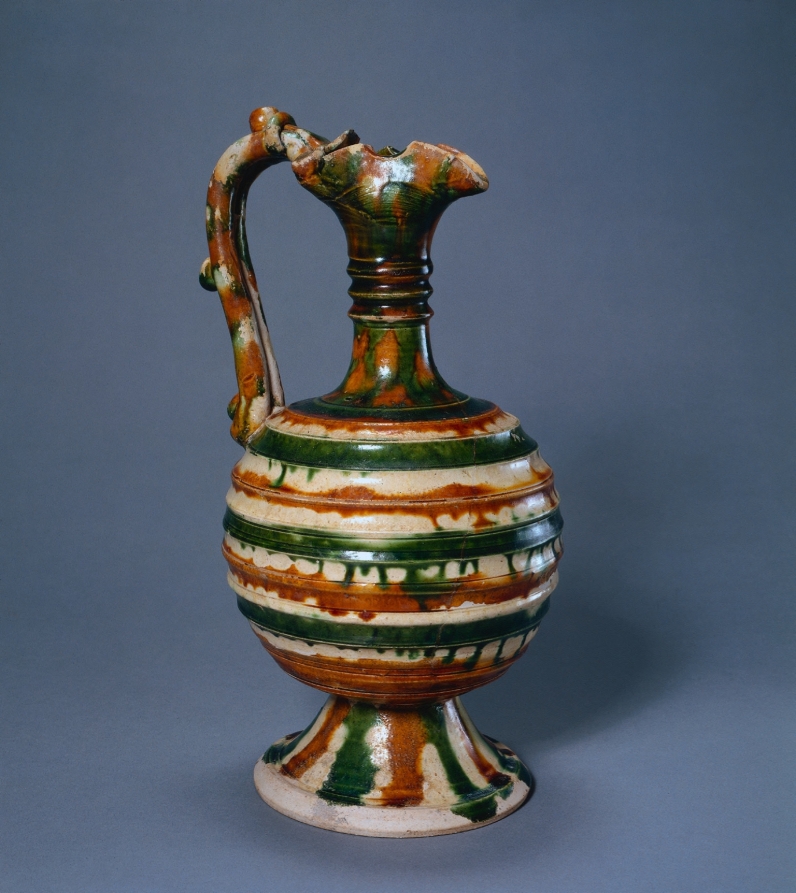
Ewer
Cleveland Museum of Art
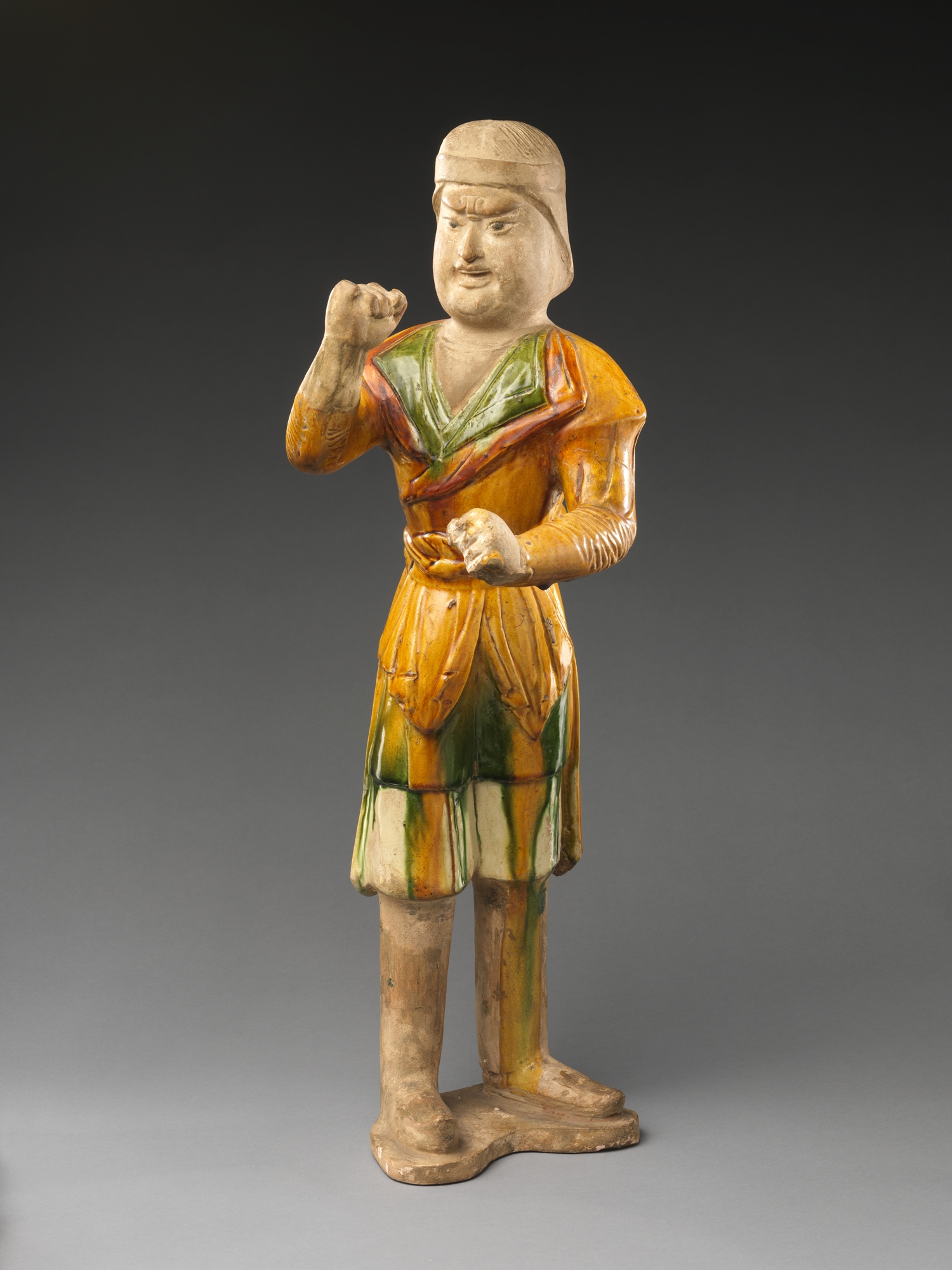
Horse groom
The Metropolitan Museum of Art
Tomb Sculpture in the Form of a Standing, Saddled Horse
Harvard Art Museums

Horse
Minneapolis Institute of Art

Tomb retinue
Minneapolis Institute of Art