
Minneapolis Institute of Art
Hawfinch and Marvel-of-Peru
Katsushika Hokusai; Author: Poem by Yōdaijo 瑤台女; Publisher: Nishimuraya Yohachi
- Date
- c. 1834
- Medium
- Woodblock print (nishiki-e), ink and color on paper
- Department
- Asian Art
- Institution
- Minneapolis Institute of Art
Four-o’clocks were introduced to Japan in the early 17th century and became popular among amateur horticulturists. To protect the flowers from direct sunlight, gardeners typically planted four-o’clocks near a fence, as mentioned in the poem. In contrast to the large, showy blooms of peonies, the “king of flowers, ” which thrive in sunlight, four-o’clock blossoms are small and modest, discreetly opening late in the day and withering in the morning sun. Orange gradation along the print’s upper edge suggests sunset, when four-o’clocks are open. The poem is ascribed to “a woman of Yōdai.” A reference to fairyland or the moon, Yōdai implies the poet has super- natural beauty. Four-o’clocks bloom near the fence behind the peonies. Asia
The authoritative record is held by Minneapolis Institute of Art. LinkedCulture surfaces this object and its connections; it does not alter institutional metadata.
Related across collections
Semantically similar works from Minneapolis Institute of Art and other institutions.

Peonies and Canary
Minneapolis Institute of Art

Peonies in the Wind
Minneapolis Institute of Art

Scenes of the Twelve Months
Minneapolis Institute of Art

Morning Glories and Finch
Minneapolis Institute of Art

Flowers of the Four Seasons
Minneapolis Institute of Art

Flowers of the Four Seasons 四季花卉圖
Art Institute of Chicago
![Spring and Autumn Quatrains [pt. 2, left]](https://6.api.artsmia.org/800/118726.jpg)
Spring and Autumn Quatrains [pt. 2, left]
Minneapolis Institute of Art
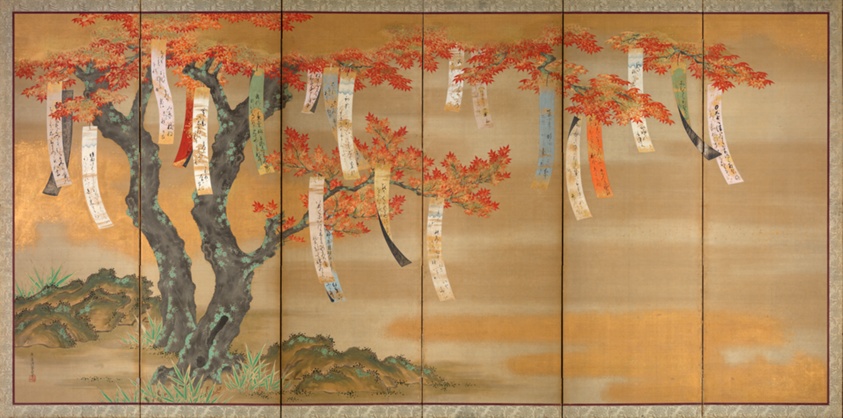
Autumn Maples with Poem Slips
Art Institute of Chicago

Plum Garden at Kameido
Minneapolis Institute of Art
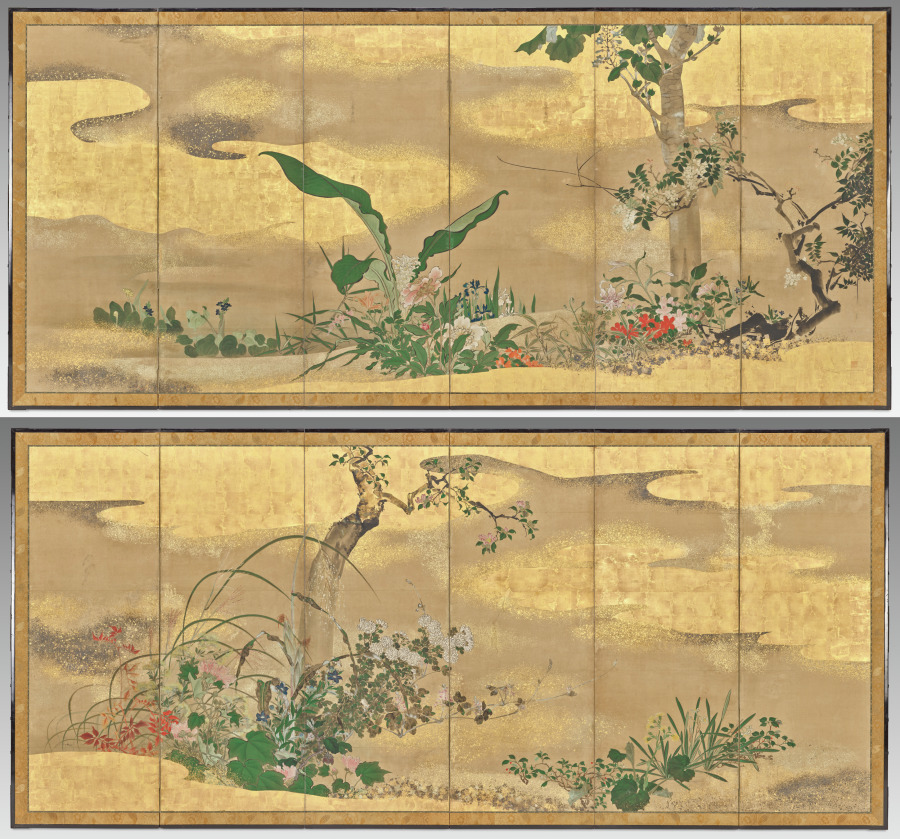
Flowers and Trees of the Four Seasons
Cleveland Museum of Art
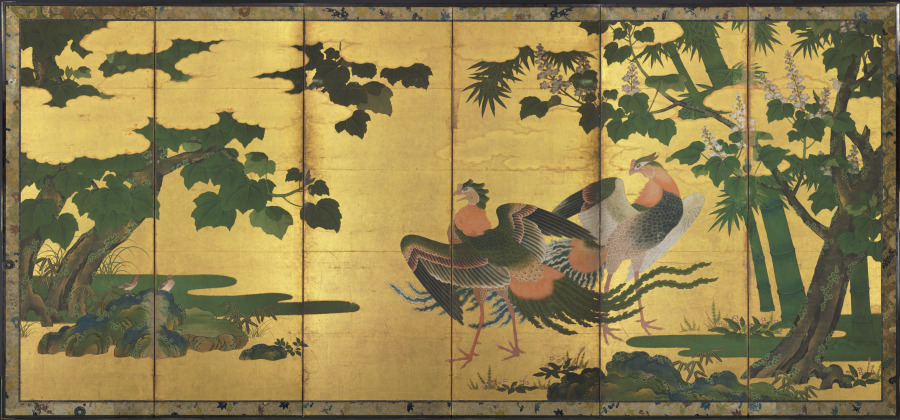
Phoenixes and Paulownia
Cleveland Museum of Art
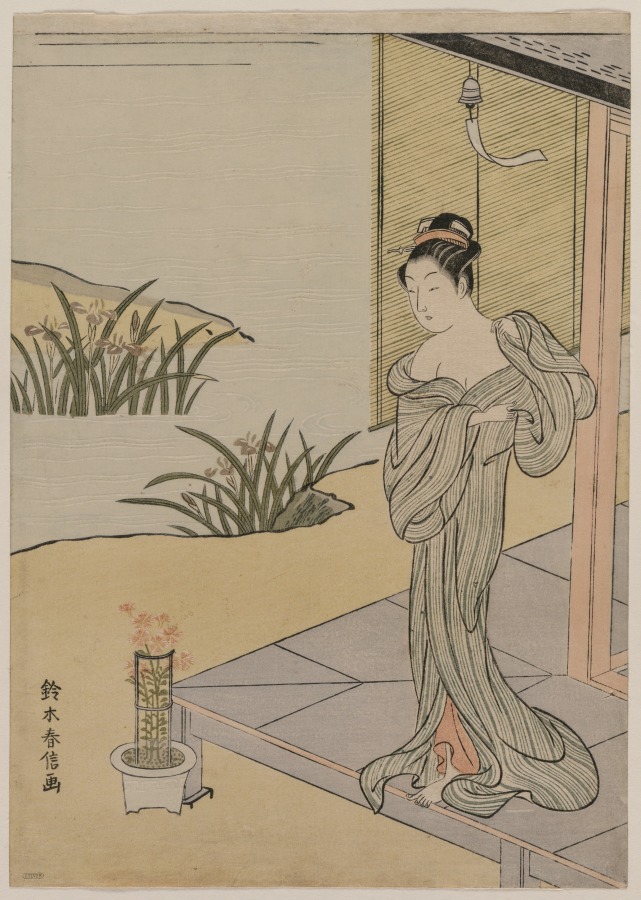
Young Woman Looking at a Pot of Pinks
Cleveland Museum of Art