
Minneapolis Institute of Art
Zhenwu, the Daoist Deity of the North
China
- Date
- 14th-15th century
- Medium
- Cizhou ware Slip-coated stoneware with dark brown and russet brown painted décor under a clear glaze.
- Department
- Asian Art
- Institution
- Minneapolis Institute of Art
The origins of the deity Zhenwu (perfected warrior) go back to the Warring States (3rd century BCE) and Han dynasty (206 BCE to 220 CE) periods. At that time, he was known as Xuanwu (the dark warrior) and was simply represented by a tortoise entwined by a snake, representing the guardian of the North. This mold-made image, produced in the Cizhou kilns of north China, would have been used on an altar table for personal devotion. Zhenwu is shown wearing formal court attire with a flying dragon on the chest. He sits in a dignified posture befitting his status as a celestial emperor of the dark heavens, the dark warrior tortoise at his feet and the sleeves of his robe decorated with images of the Big Dipper. Asia
The authoritative record is held by Minneapolis Institute of Art. LinkedCulture surfaces this object and its connections; it does not alter institutional metadata.
Related across collections
Semantically similar works from Minneapolis Institute of Art and other institutions.
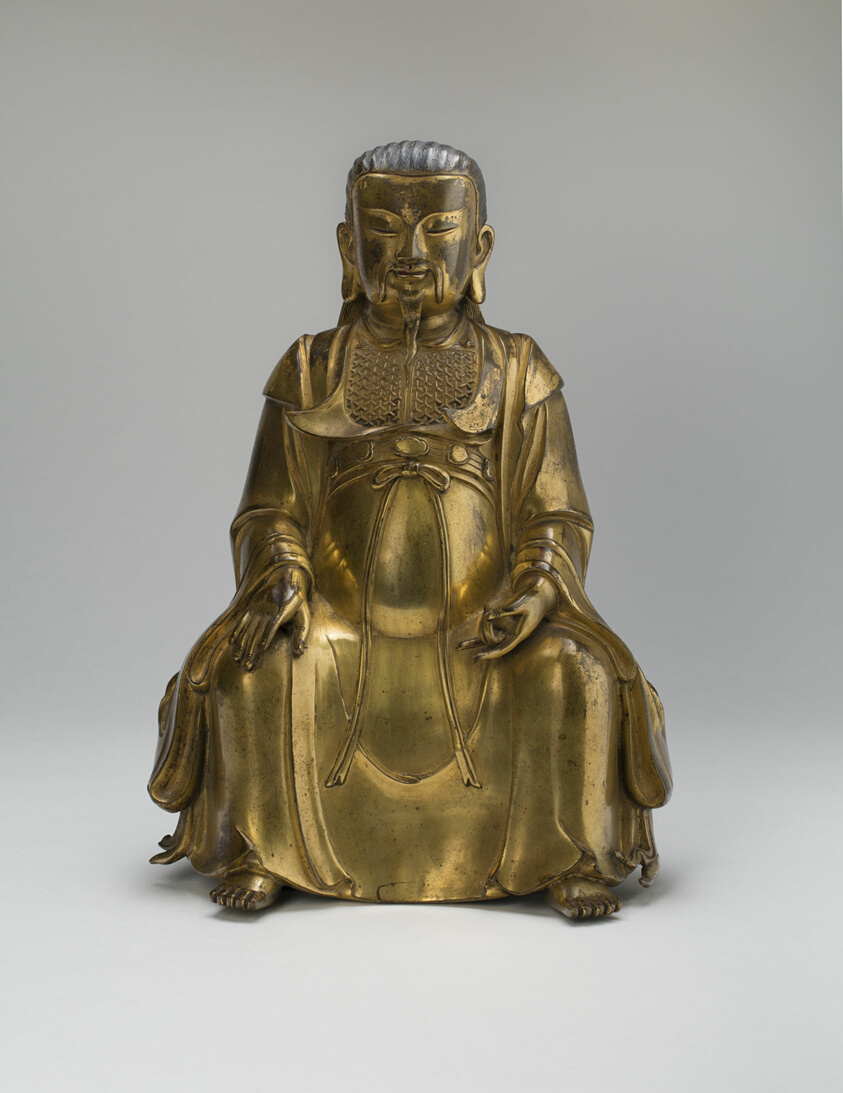
Daoist God Zhenwu (Perfected Warrior), Supreme Emperor of the Dark Heaven
Art Institute of Chicago
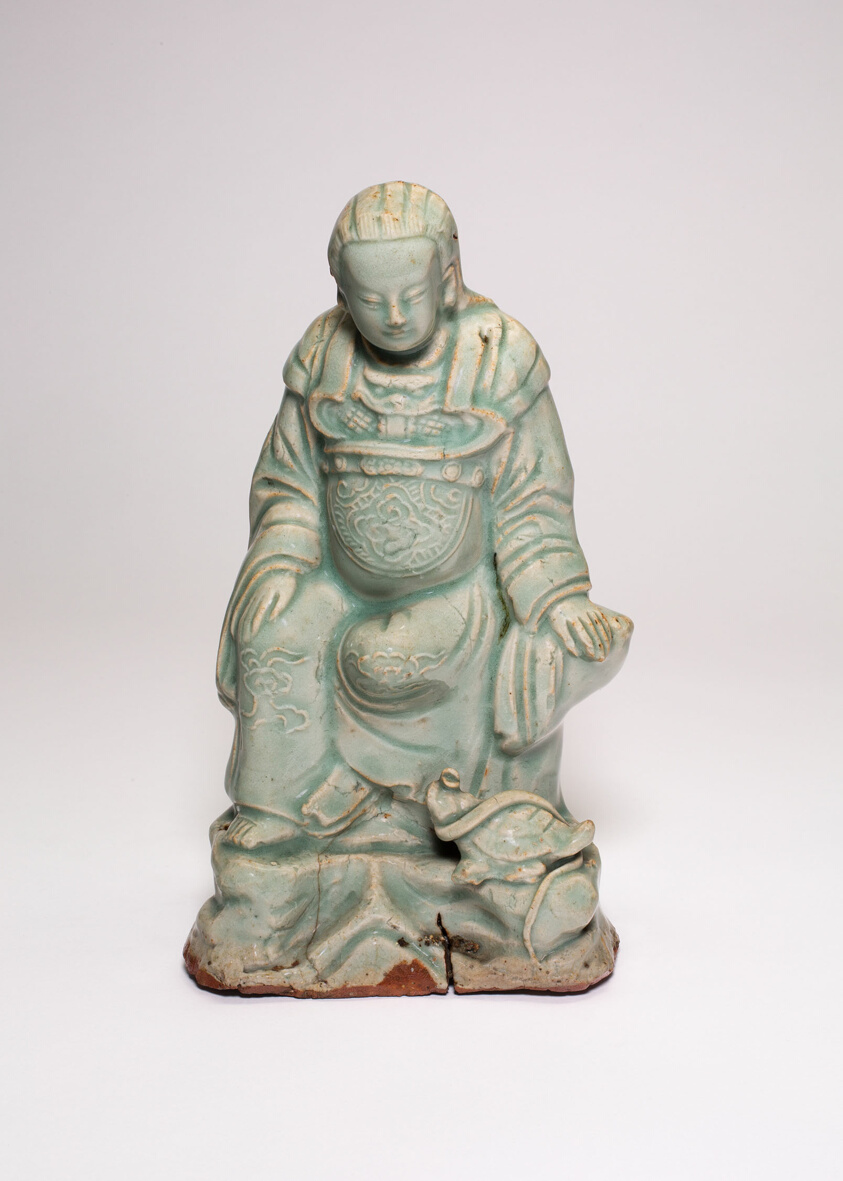
Figure of Daoist God Zhenwu (Perfected Warrior)
Art Institute of Chicago

Chen Wu, The Perfected Warrior
Minneapolis Institute of Art
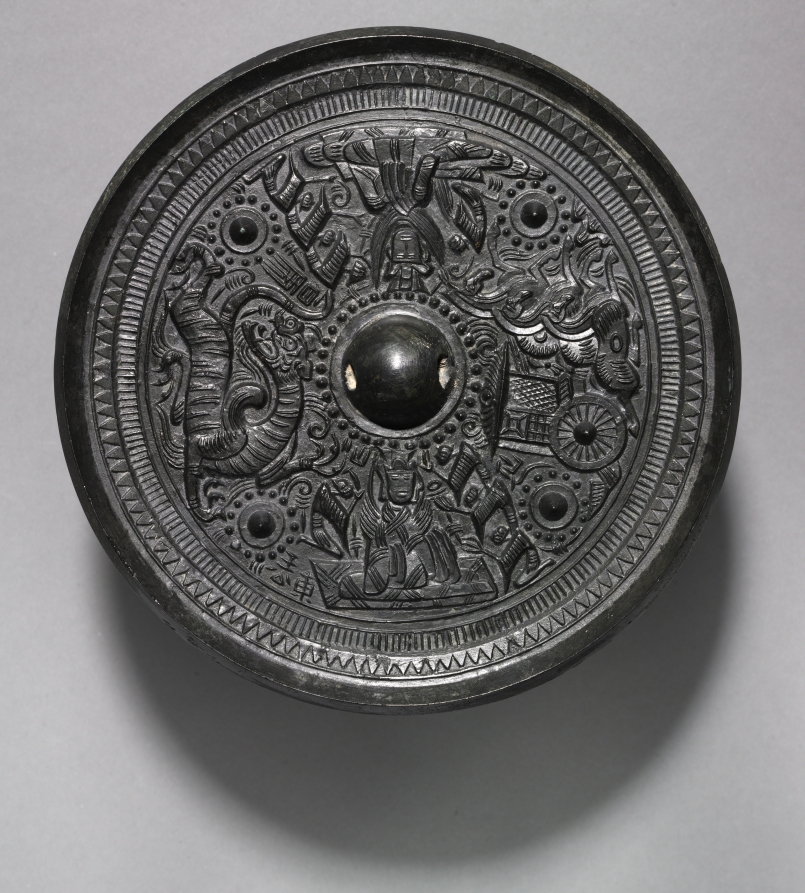
Mirror with Deities, Chariot, and the White Tiger
Cleveland Museum of Art
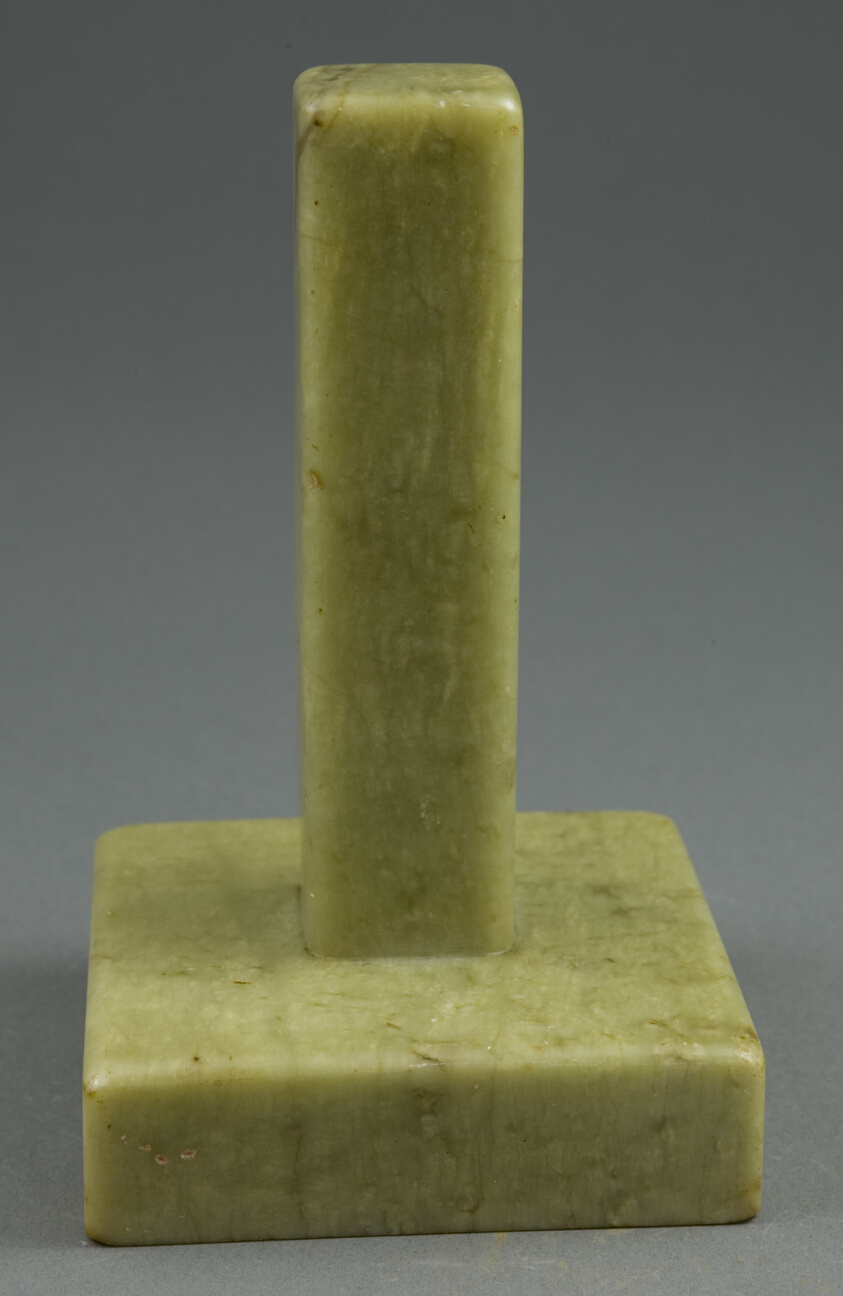
Temple Seal of the Daoist God Zhenwu
Art Institute of Chicago
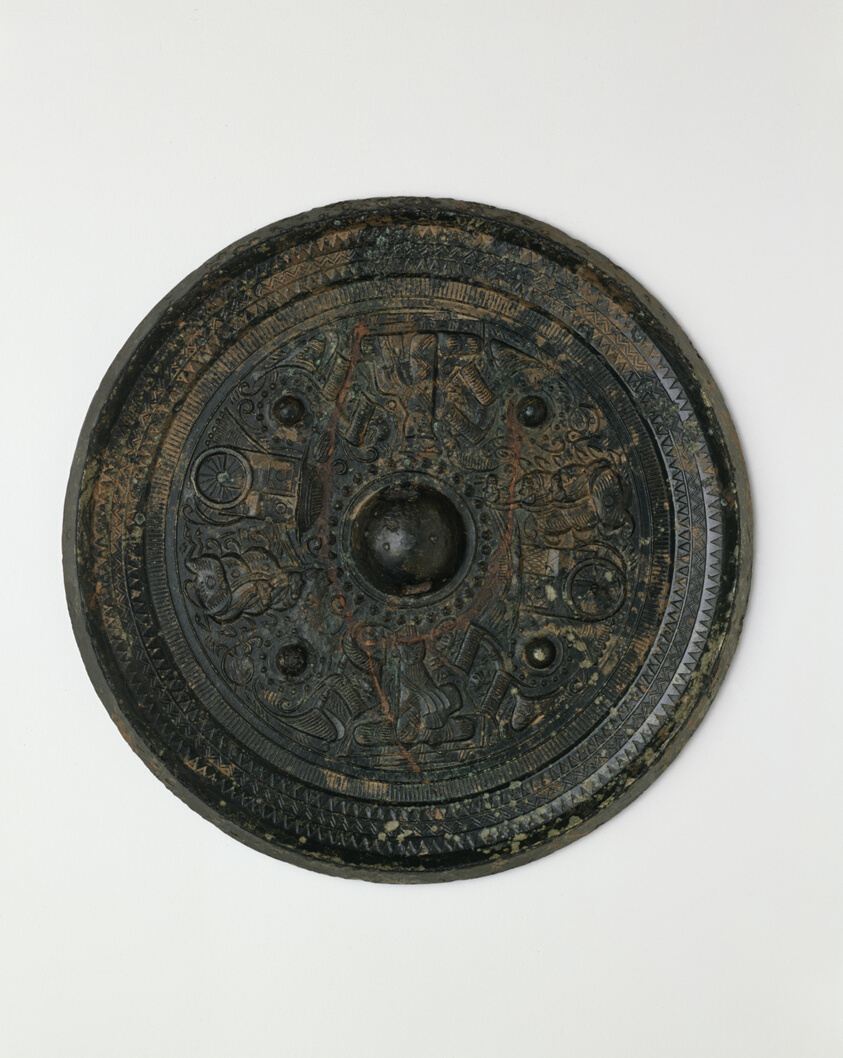
Mirror with Images of Daoist Deities
Art Institute of Chicago
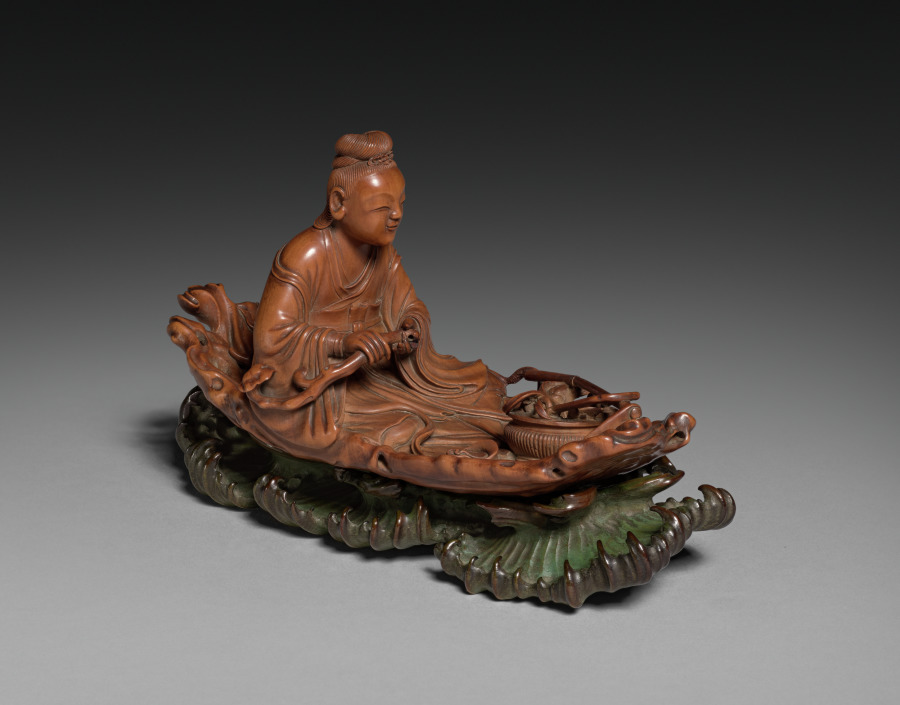
Figure of Daoist Immortal He Xiangu
Cleveland Museum of Art
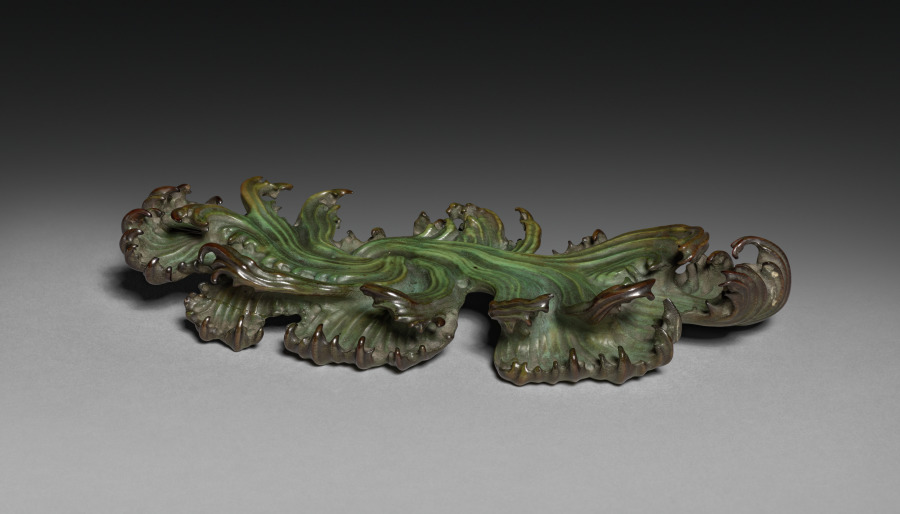
Figure of Daoist Immortal He Xiangu (base)
Cleveland Museum of Art
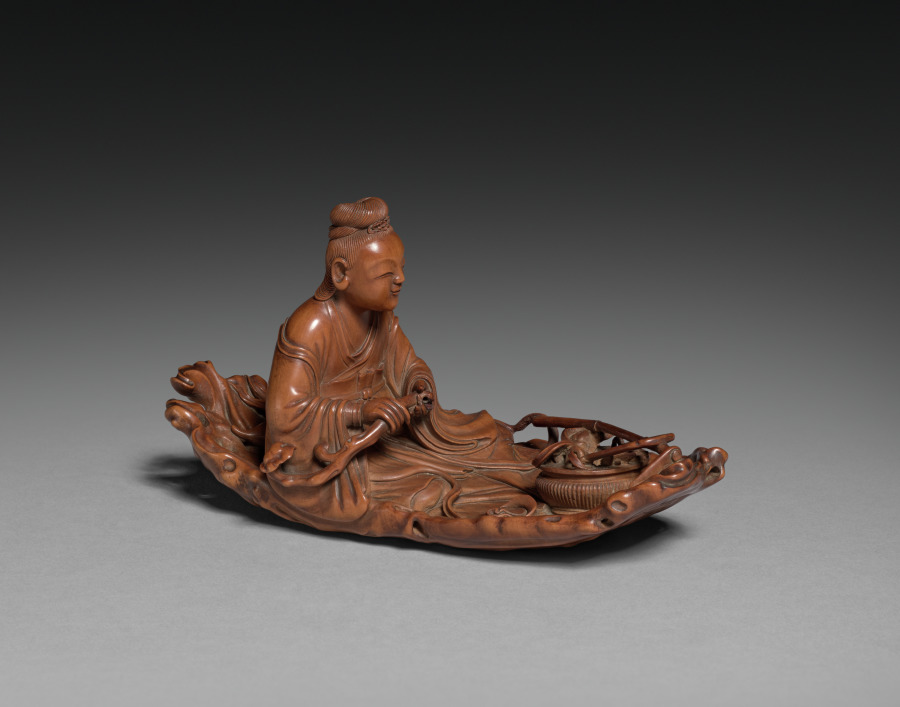
Figure of Daoist Immortal He Xiangu
Cleveland Museum of Art

The Demon-Queller Zhong Kui
Minneapolis Institute of Art
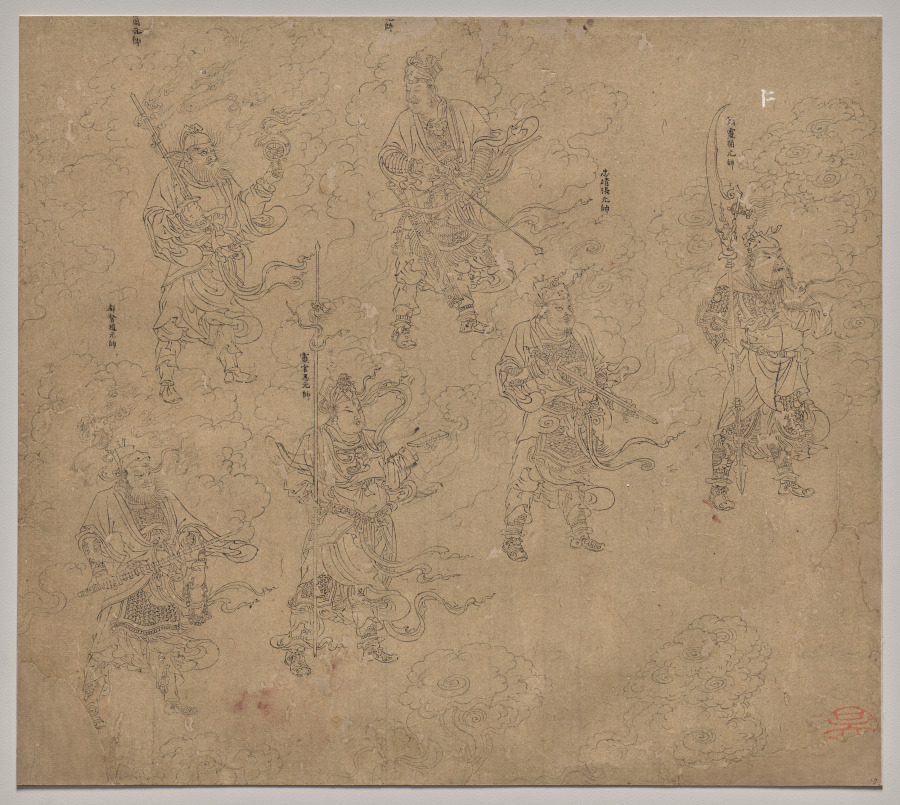
Album of Daoist and Buddhist Themes: Procession of Daoist Deities: Leaf 12
Cleveland Museum of Art
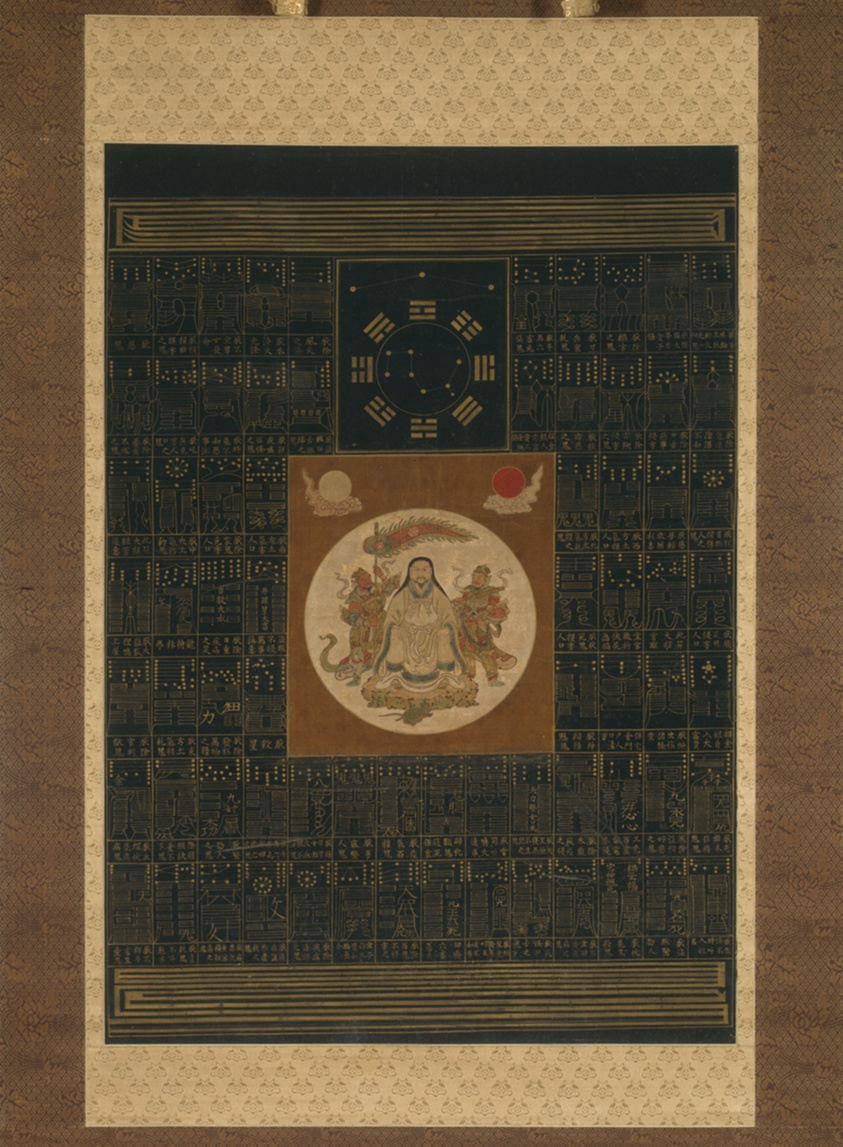
Zhenwu with the Eight Trigrams, the Northern Dipper, and Talismans
Art Institute of Chicago