Rijksmuseum
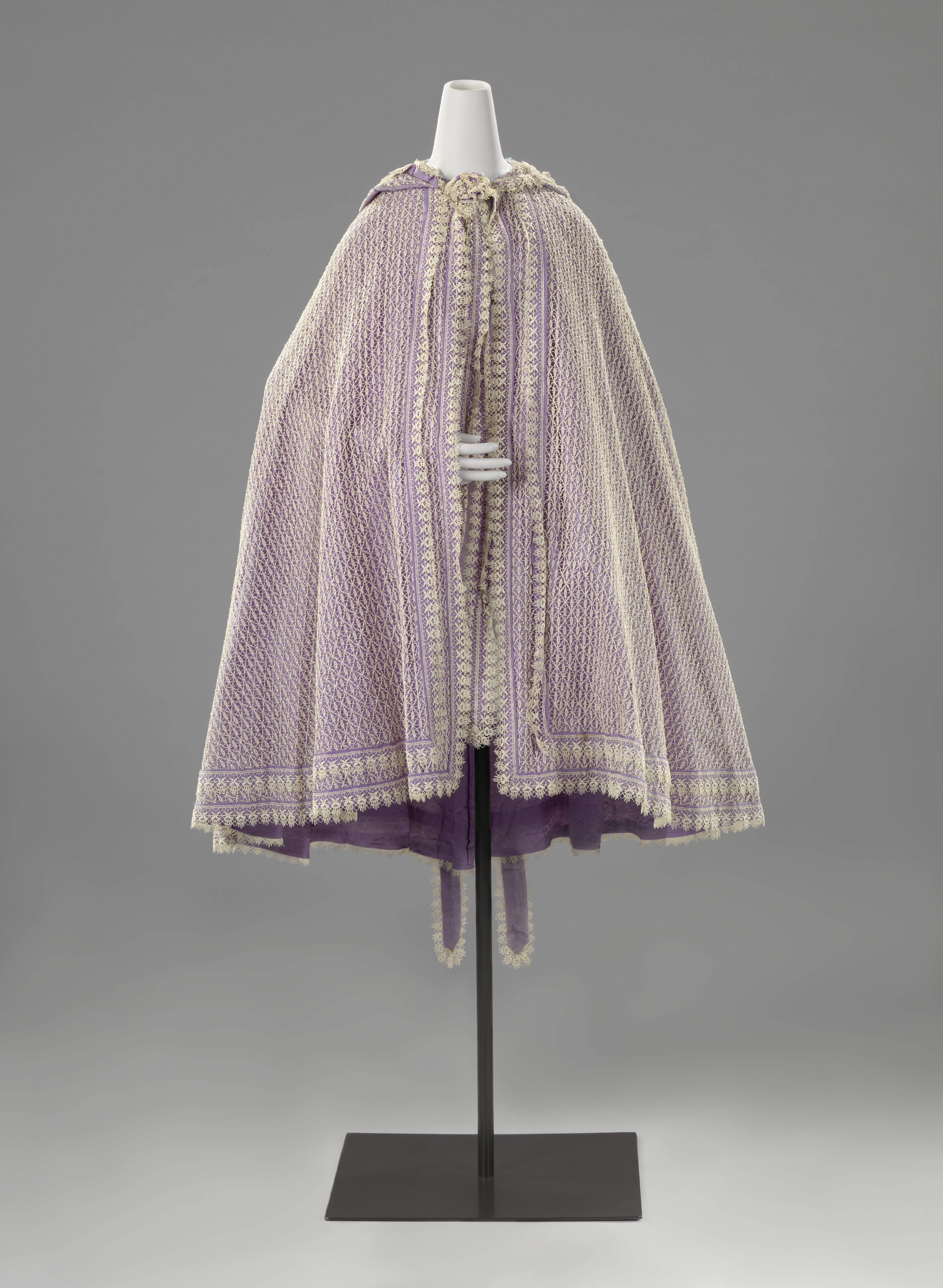
Cape (Talma) made of lace
Creator
anonymousunknown creator of a work (do not use as value of P50; use "unknown value" instead)
All works by this person →More on Wikidata- Date
- c. 1860 - c. 1870
- Medium
- silk
- Institution
- Rijksmuseum
It was difficult to obtain bright purple with natural dyes. In 1856, English chemist W.H. Perkin accidentally discovered a synthetic purple pigment which became known as mauveine. This rich new purple caught on in the 1860s. And the relatively inexpensive industrial production made it accessible to a wide public.
The authoritative record is held by Rijksmuseum. LinkedCulture surfaces this object and its connections; it does not alter institutional metadata.
Get printable QR codesHide QR codes
Open QR codes for this object page and the museum record. They stay collapsed until needed.
Open this page
See at Rijksmuseum
Related across collections
Semantically similar works from Rijksmuseum and other institutions.