Art Institute of Chicago
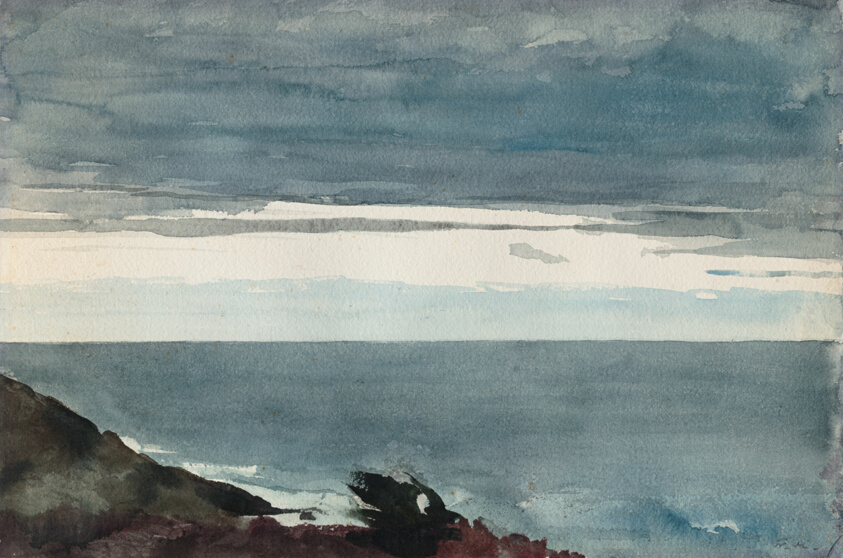
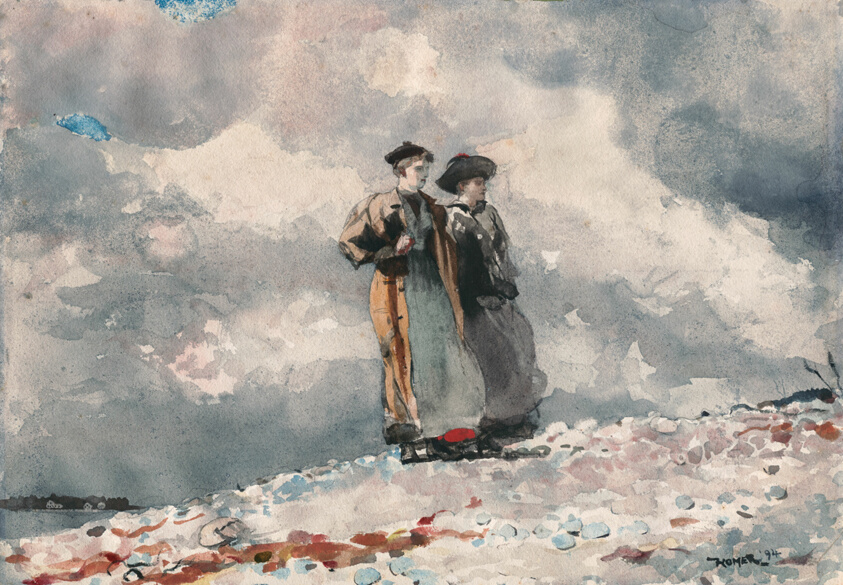
Prout's Neck, Evening
Winslow HomerLinkedCulture matchlcp-bcddaaacf48f
- Date
- c. 1894
- Medium
- Watercolor, with rewetting and blotting, over traces of graphite, on thick, rough-textured, ivory wove paper (top edge trimmed)
- Culture
- United States
- Department
- Prints and Drawings
- Institution
- Art Institute of Chicago
- Object ID
- 16821
From the Art Institute of Chicago record
Although undated, Prout’s Neck, Evening probably belongs to a group of unusually reductive watercolors Homer painted in Maine in 1894. In its near abstraction and reliance on subtle color gradations, this watercolor and others in this group suggest that Homer may have looked closely at traditional Japanese ink paintings. Tranquil in mood, the image is divided nearly in half by the horizon line, with the gray-blue sea and sky reflecting each other, separated only by bare white paper and a wet wash of bright blue along the horizon. Homer emphasized the calm sea by applying color in broad, even washes. Laying a flat wash is a fundamental technique for depicting sky and water in a landscape painting. After crossing the length of the sheet with his brush, which is loaded with color, the painter starts back in the other direction, touching the top of the brush to the bottom of the previous stroke so the wet washes merge evenly. Controlled speed is essential: if the first stroke is allowed to dry, a hard line appears and the strokes will not blend. Once the wash dries, subsequent washes can be laid over it, which is how Homer built up tone in the sea.
The authoritative record is held by Art Institute of Chicago. LinkedCulture surfaces this object and its connections; it does not alter institutional metadata.
Get printable QR codesHide QR codes
Open QR codes for this object page and the museum record. They stay collapsed until needed.
Provenance & credit
As published by the source institution. Coverage varies — not every institution's open-data feed includes ownership history.
- Credit line
- Mr. and Mrs. Martin A. Ryerson Collection
- Provenance
- The artist to his brother, Charles S. Homer, Jr. (1834–1917), New York, by 1910 [according to correspondence from Abigail Booth Gerdts to the Art Institute, February 10, 2007]. Charles W. Gould (1849–1931), New York, by 1915 [Brooklyn exh. cat. 1915]. Sold by Knoedler and Company, New York [stamp (not in Lugt), verso, in purple ink: M.K. & CO.//W.C. No….1028-], to Martin A. Ryerson (1856–1932), Chicago, November 11, 1915; given to the Art Institute, 1933.
Linked open data
Authority identifiers that link this record into the wider web of cultural data — stable references you can follow to the source.
- Object type
- AAT300033973
Part of LinkedCulture topics
 American Landscape and Coastal Paintings
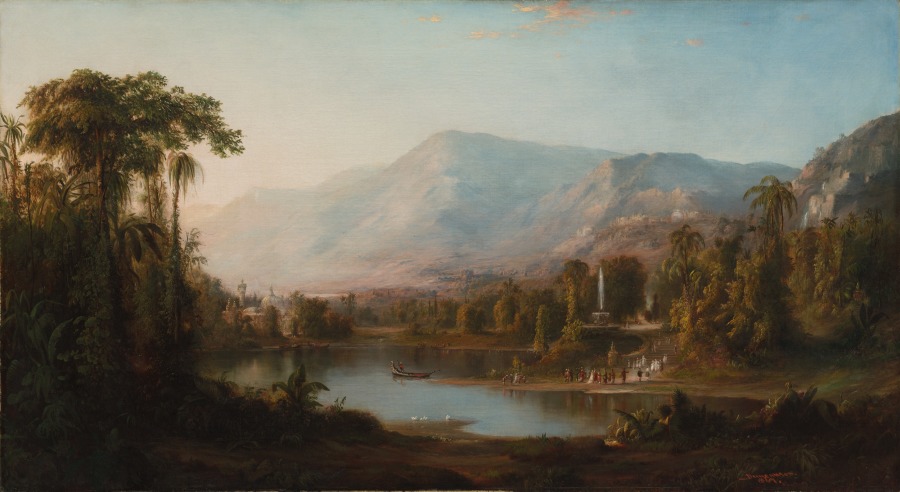
These works are 19th-century oil paintings depicting natural landscapes and seascapes from the northeastern United States, particularly coastal New England regions and rocky shores.
140 objects from 4 institutions
 American Watercolor Landscape Art
These objects are predominantly watercolor and drawing works by American artists depicting natural landscapes, outdoor recreational activities, and coastal or wilderness scenes from the 19th century.
63 objects from 3 institutions
Related across collections
Semantically similar works from Art Institute of Chicago and other institutions.
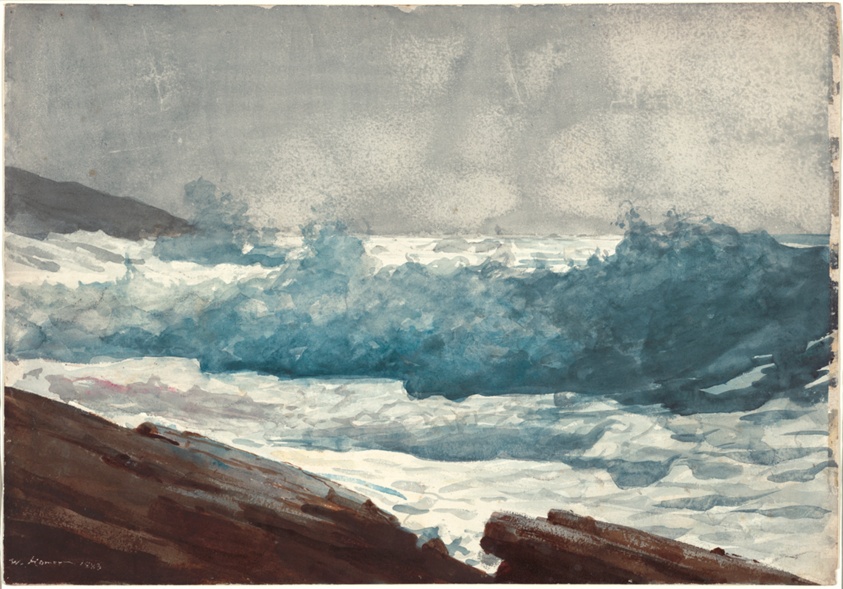
Prout's Neck, Breakers
Art Institute of Chicago
#16815
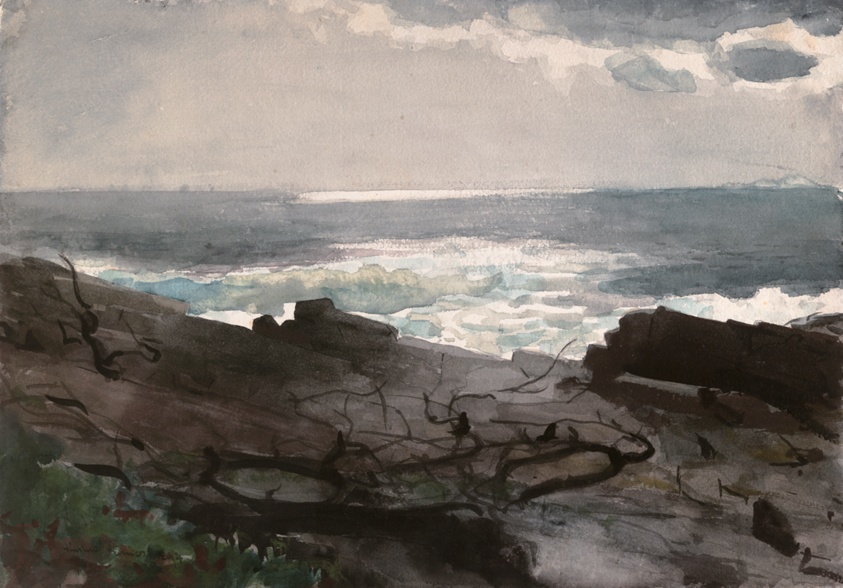
Sunshine and Shadow, Prout's Neck
Art Institute of Chicago
#16834
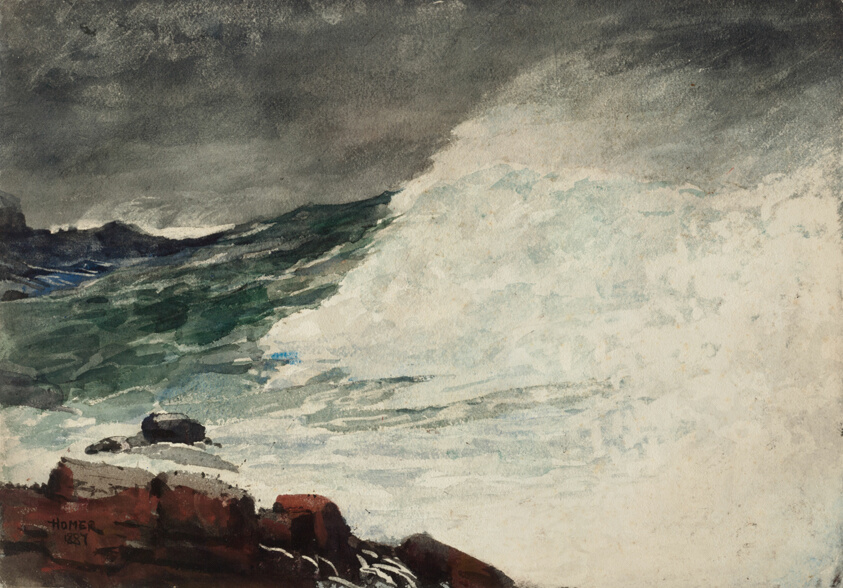
Prout's Neck, Breaking Wave
Art Institute of Chicago
#16818
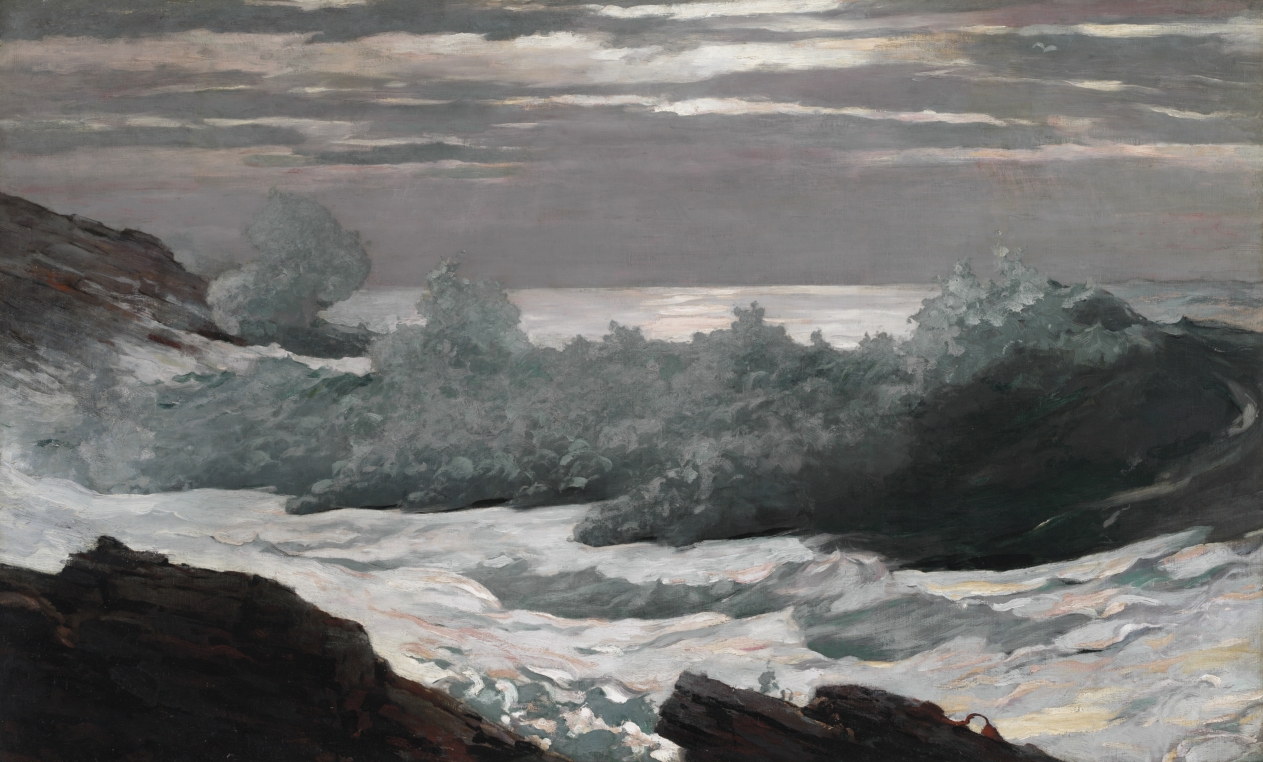
Early Morning After a Storm at Sea
Cleveland Museum of Art
#106088
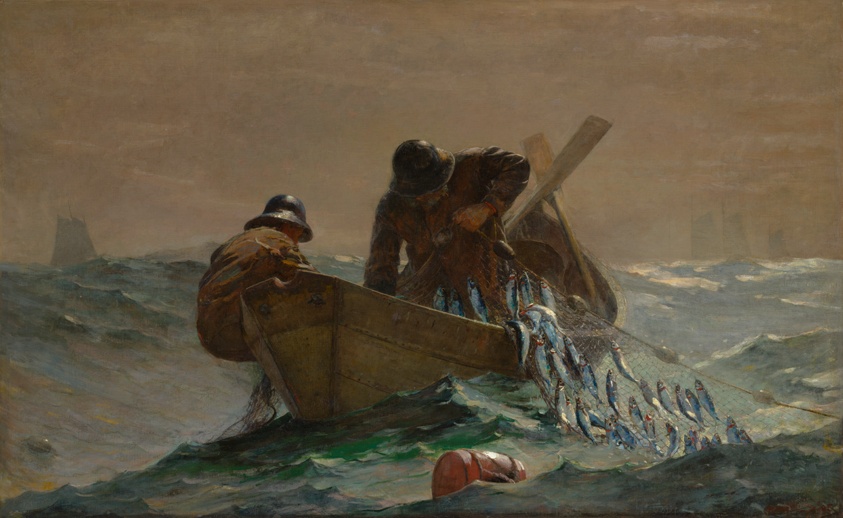
The Herring Net
Art Institute of Chicago
#25865
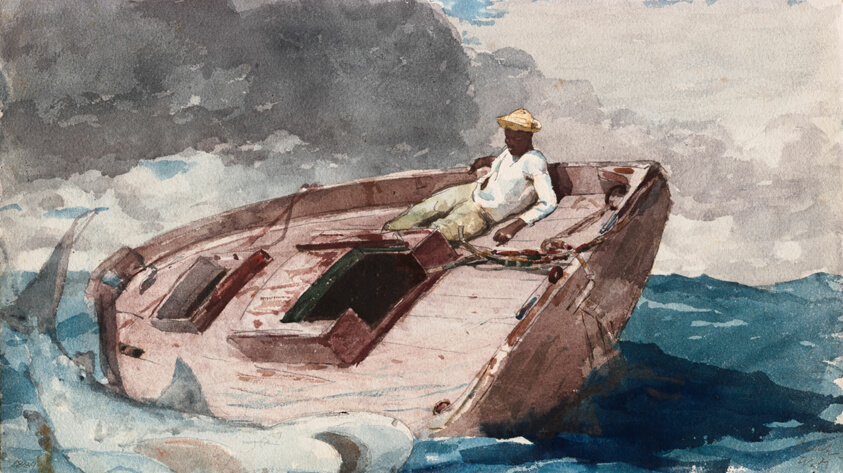
The Gulf Stream
Art Institute of Chicago
#16794
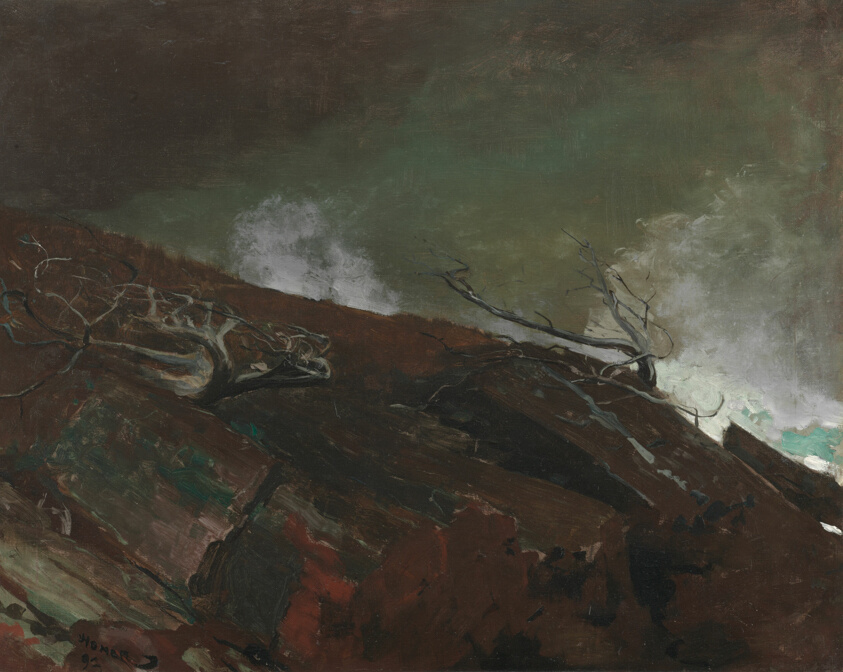
Coast of Maine
Art Institute of Chicago
#8971
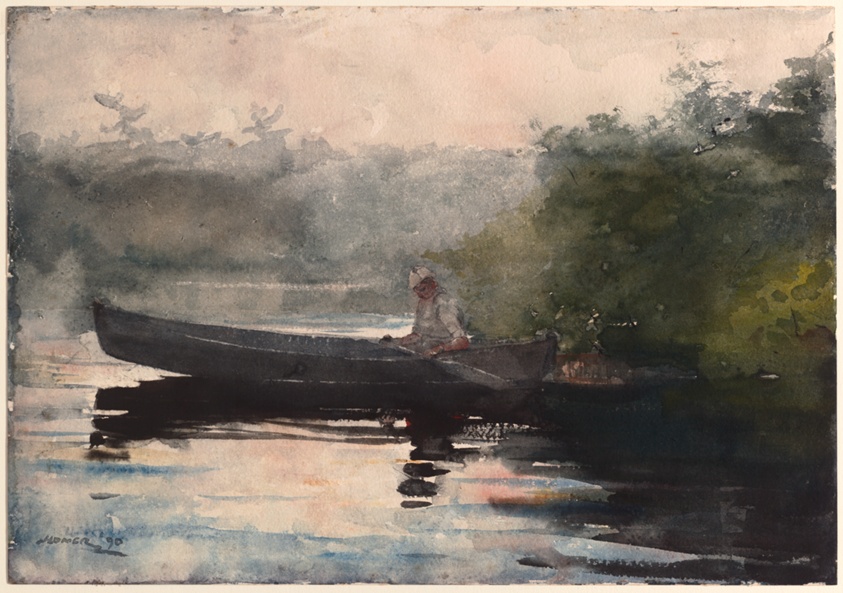
The End of the Day, Adirondacks
Art Institute of Chicago
#16785
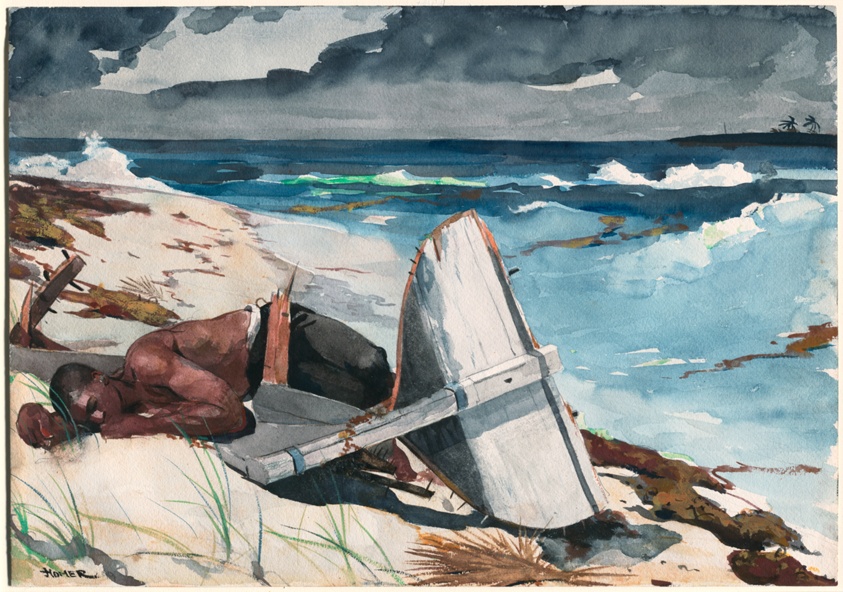
After the Hurricane, Bahamas
Art Institute of Chicago
#16776
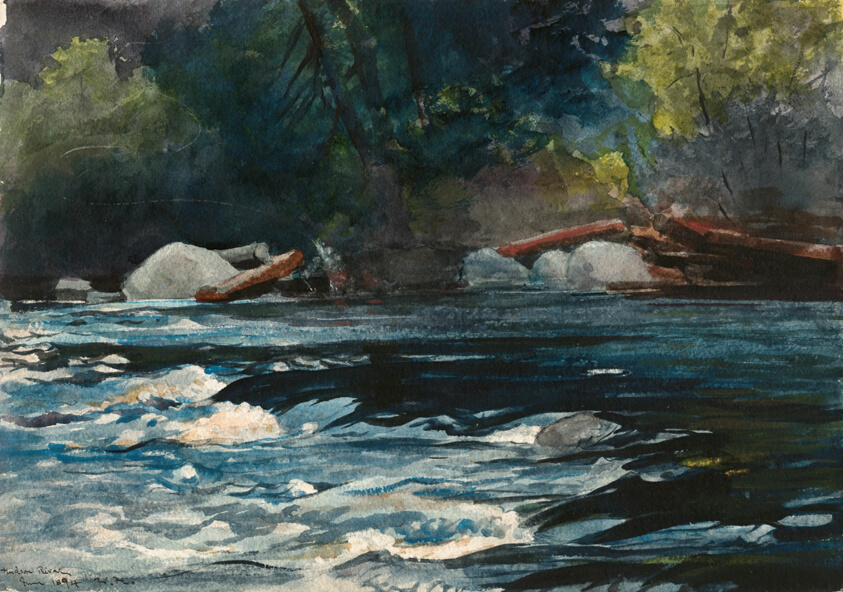
The Rapids, Hudson River, Adirondacks
Art Institute of Chicago
#16823
The Outlook, Maine Coast
Art Institute of Chicago
#16812

The Conch Divers
Minneapolis Institute of Art
#10434