Art Institute of Chicago
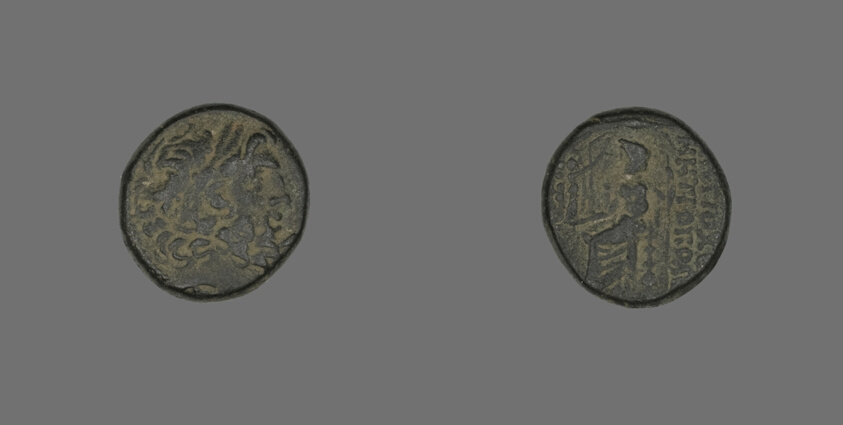
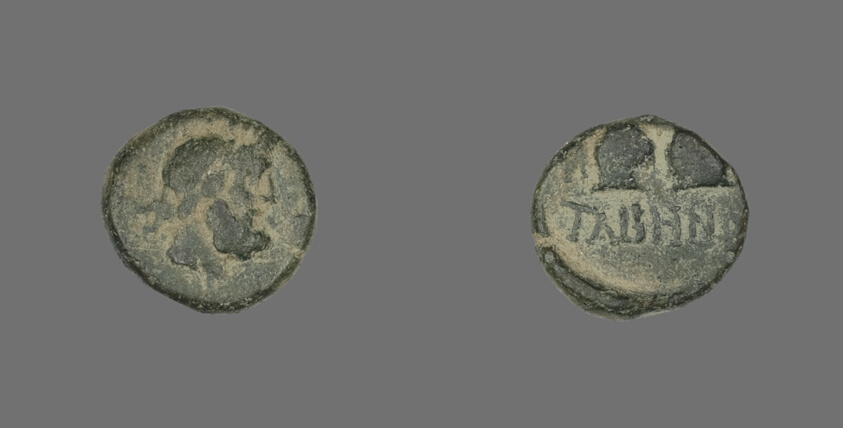
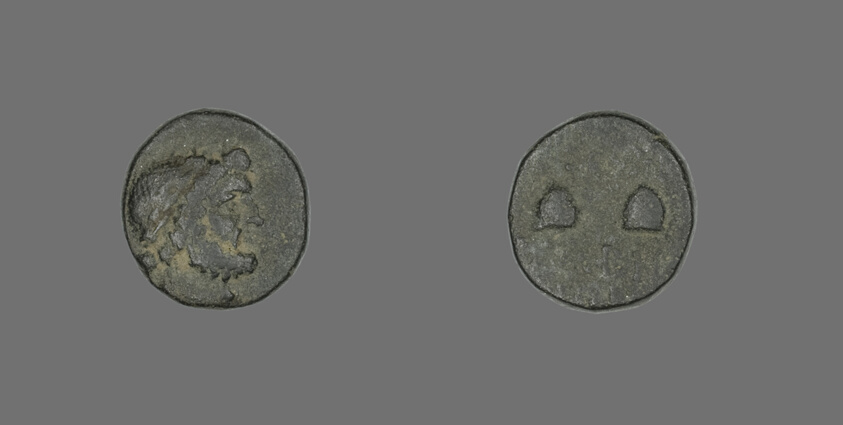
Coin Depicting the God Zeus
GreekLinkedCulture matchlcp-c416821d8abc
- Date
- 1st century BCE
- Medium
- Bronze
- Culture
- Greece
- Department
- Arts of Greece, Rome, and Byzantium
- Institution
- Art Institute of Chicago
- Object ID
- 199232
From the Art Institute of Chicago record
The use of coins as a form of money was invented in western Asia Minor in the early 7th century BCE. At the time when the coins in this case were struck, Greece was made up of separate city-states that issued their own currency. Made of gold, silver, bronze, and electrum (a gold-silver alloy), coins were literally worth their weight, but their value varied according to the percentage of their precious metal content. Occasionally a city needed more money than it had in reserves. By reducing the amount of precious metal and substituting a base metal, a coin could be produced of the same weight but no longer of the same value. Some currency was only honored within its own city walls, but trustworthy money encouraged trade. Athens had the biggest economy, and its coin became the standard in the Greek world. The population was largely illiterate, but it could identify the place of origin of a coin by its imagery. Many of these images referred to myths that were associated with the history of the community and thus were well known to the populace from religious ceremonies and theatrical entertainment. The story of a city’s founding, a local hero, the city’s guardian deity, and even the reason for the city’s wealth were subjects for a coin’s insignia.
The authoritative record is held by Art Institute of Chicago. LinkedCulture surfaces this object and its connections; it does not alter institutional metadata.
Get printable QR codesHide QR codes
Open QR codes for this object page and the museum record. They stay collapsed until needed.
Provenance & credit
As published by the source institution. Coverage varies — not every institution's open-data feed includes ownership history.
- Credit line
- Gift of William F. Dunham
- Provenance
- William F. Dunham (1857-1936), Chicago; given to the Art Institute of Chicago, 1920.
Linked open data
Authority identifiers that link this record into the wider web of cultural data — stable references you can follow to the source.
- Object type
- AAT300037334
Part of a LinkedCulture topic
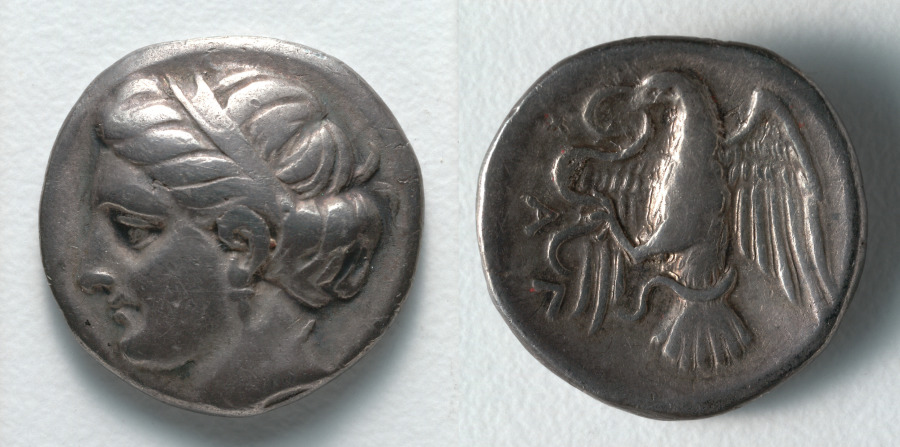 Ancient Greek Silver Tetradrachms
These objects are all tetradrachm coins, a standard ancient Greek silver denomination, depicting various deities and symbols from Greek city-states and territories across the Mediterranean.
333 objects from 3 institutions
Related across collections
Semantically similar works from Art Institute of Chicago and other institutions.
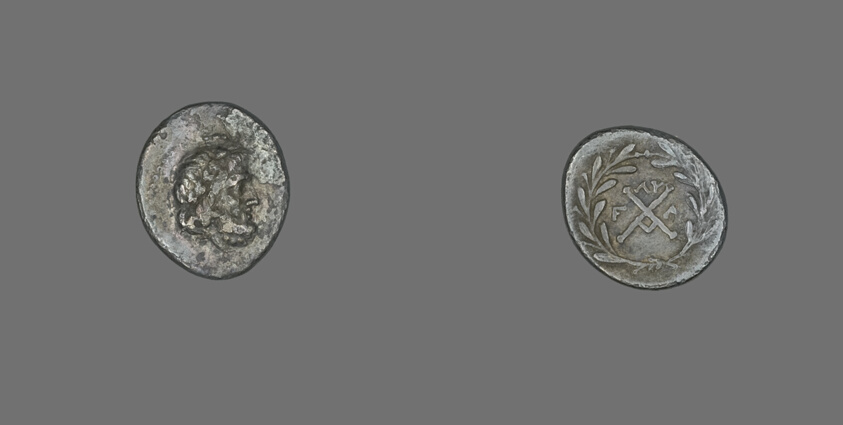
Hemidrachm (Coin) Depicting the God Zeus Amarios
Art Institute of Chicago
#199228
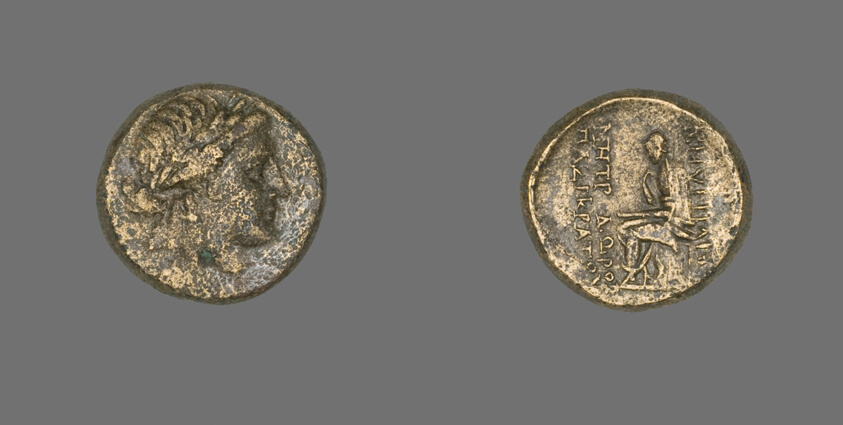
Coin Depicting the God Apollo
Art Institute of Chicago
#199231
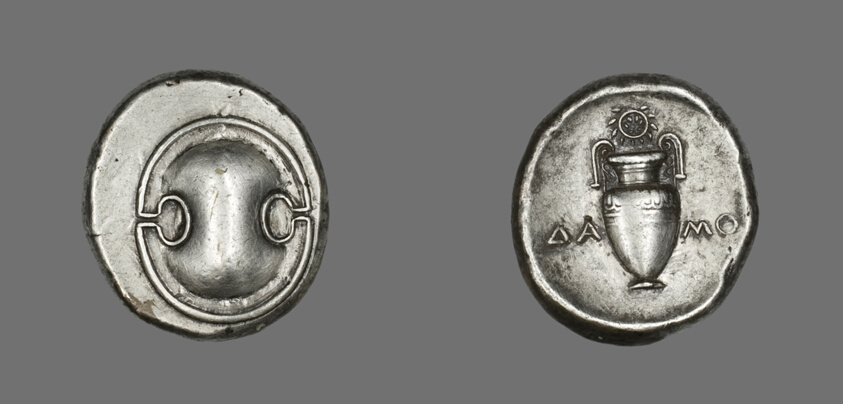
Stater (Coin) Depicting a Shield
Art Institute of Chicago
#5739
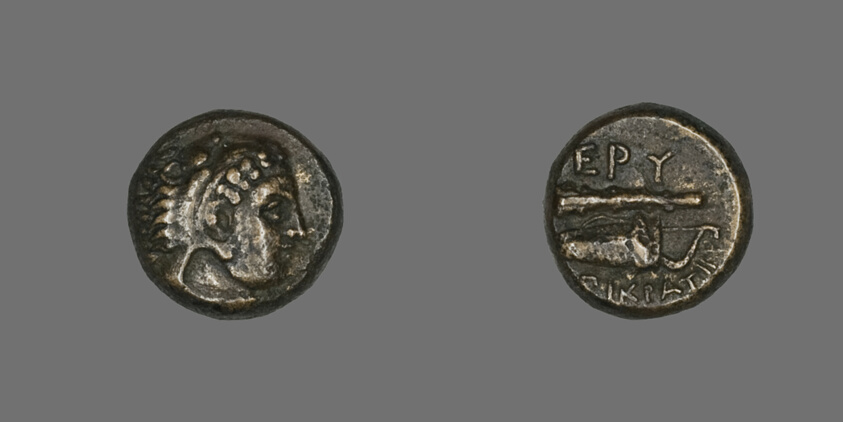
Coin Depicting the Hero Herakles
Art Institute of Chicago
#199230
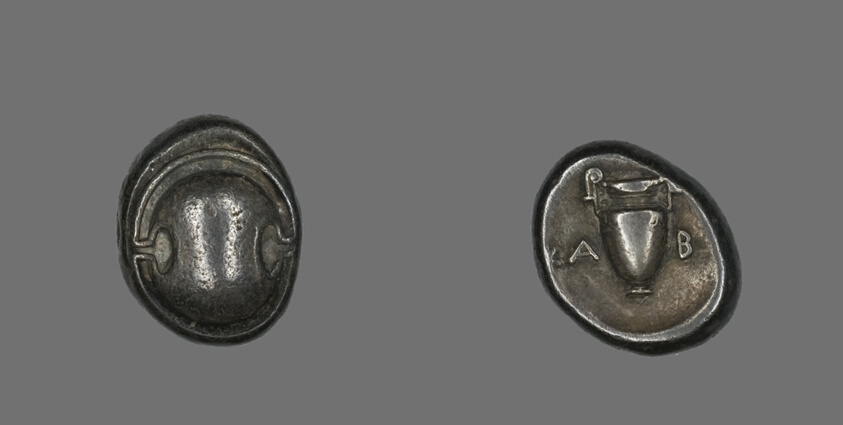
Drachm (Coin) Depicting a Shield
Art Institute of Chicago
#143018
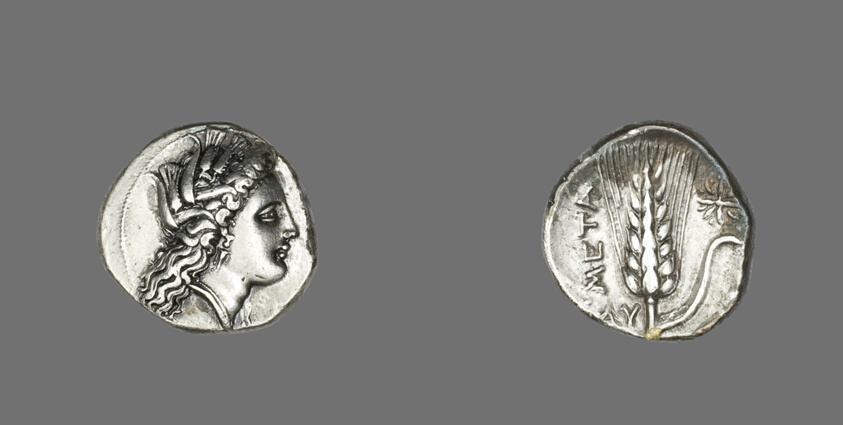
Stater (Coin) Depicting the Goddess Kore
Art Institute of Chicago
#96055
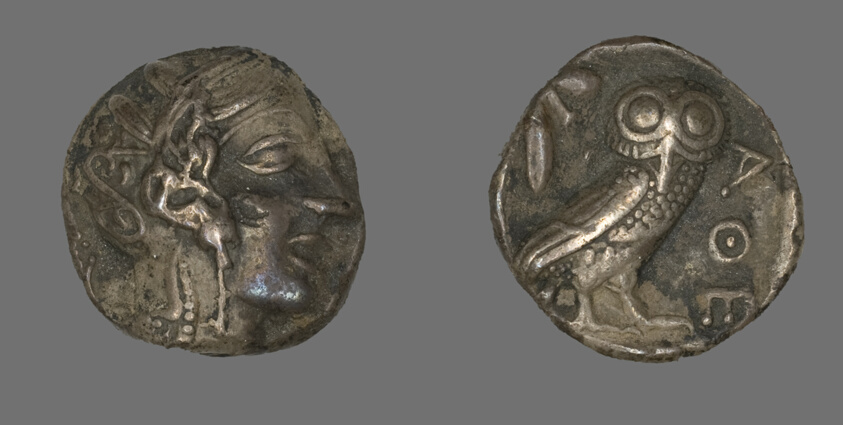
Tetradrachm (Coin) Depicting the Goddess Athena
Art Institute of Chicago
#142727
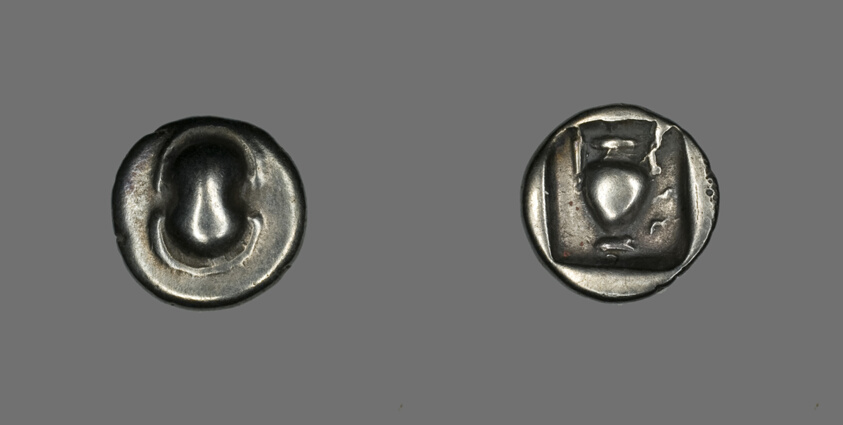
Hemidrachm (?) (Coin) Depicting a Shield
Art Institute of Chicago
#95973
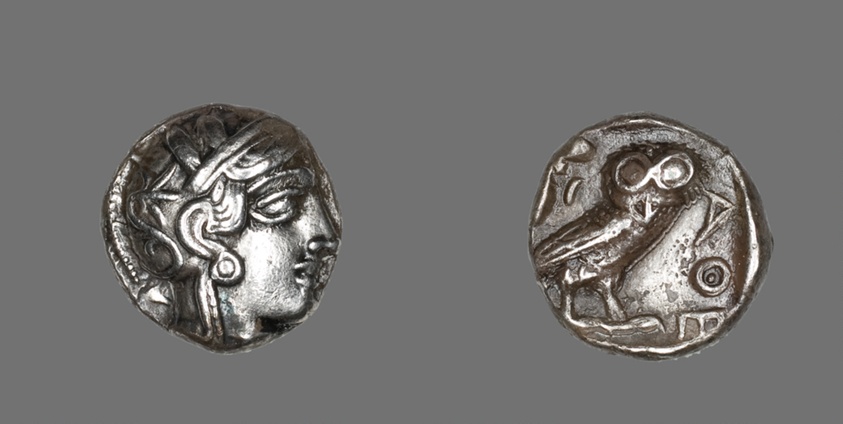
Tetradrachm (Coin) Depicting the Goddess Athena
Art Institute of Chicago
#199526
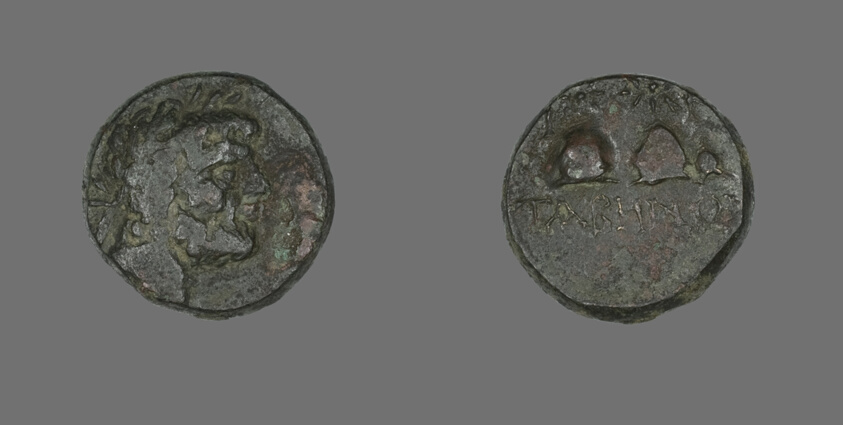
Coin Depicting the God Zeus
Art Institute of Chicago
#142926
Coin Depicting the God Zeus
Art Institute of Chicago
#142923
Coin Depicting the God Zeus
Art Institute of Chicago
#142922