Cleveland Museum of Art
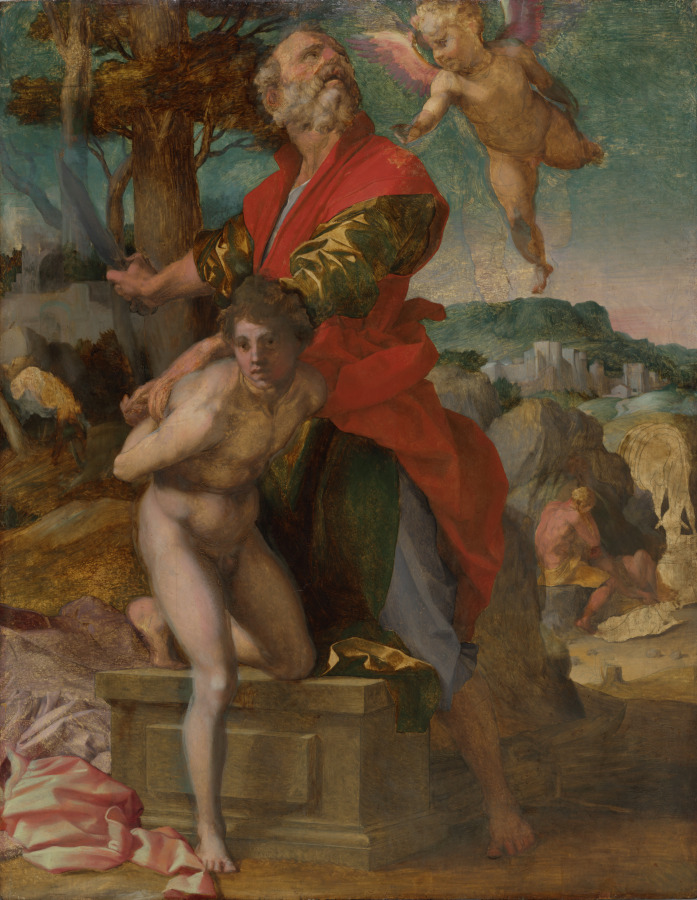
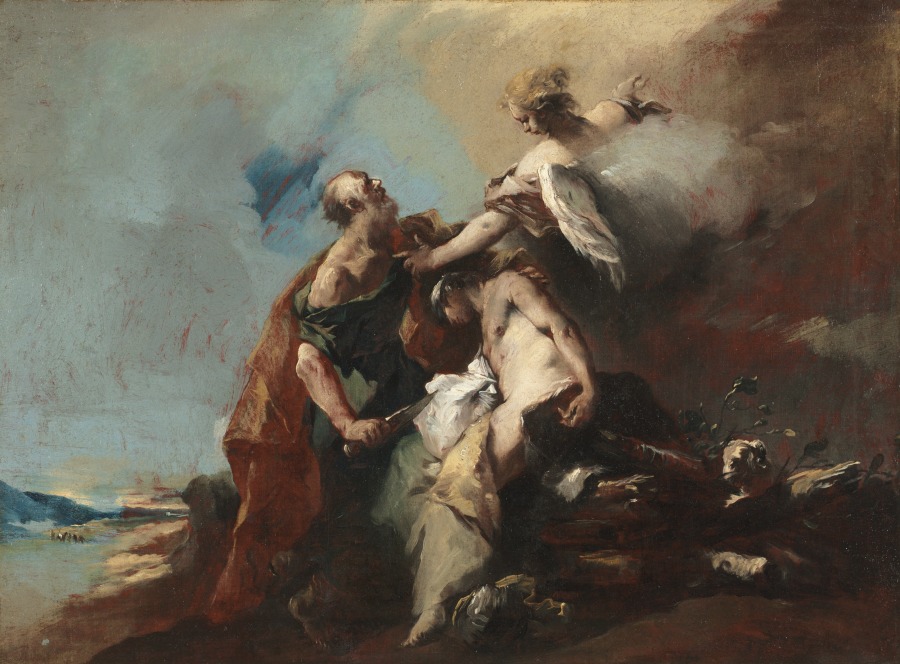
The Sacrifice of Isaac
Andrea del SartoLinkedCulture matchlcp-8c6fd7a695b1
- Date
- c. 1527
- Medium
- oil on wood
- Culture
- Italy, Florence
- Department
- European Painting and Sculpture
- Institution
- Cleveland Museum of Art
- Object ID
- 117032
From the Cleveland Museum of Art record
In this dramatic test of faith from the Old Testament book of Genesis, Abraham agrees to slay his son Isaac on God’s command. As Abraham raises the knife, an angel suddenly appears to halt the sacrifice. This work gains its power from the complex expressions of father and son, combining grief, strength, resignation, fear, and realization in their faces and bodies, the latter inspired by ancient sculpture and Michelangelo. Andrea del Sarto never finished this painting, and it lays bare his working methods. He transferred the design to the panel from a drawing, reinforcing the chalk with painted lines—best seen in the donkey at the far right. He then worked over the whole panel at once with thin, brushy veils of color, letting him alter the composition while painting—especially evident in the angel, Isaac’s body, and Abraham’s head. The angel has two visible sets of legs, showing the artist’s revision of the composition.
The authoritative record is held by Cleveland Museum of Art. LinkedCulture surfaces this object and its connections; it does not alter institutional metadata.
Get printable QR codesHide QR codes
Open QR codes for this object page and the museum record. They stay collapsed until needed.
Provenance & credit
As published by the source institution. Coverage varies — not every institution's open-data feed includes ownership history.
- Credit line
- Delia E. Holden and L. E. Holden Funds
- Provenance
- By 1649: Cardinal Carlo de' Medici, Florence | Possibly the Montalvi Collection, Florence | Possibly the Peruzzi Collection, Florence | By 1829: Zondadari Collection, Florence | 1846 - 1858: William Cave, died 1858 (Brentry House, near Bristol, bought in Florence in 1846), by inheritance to his wife. | 1858: Mrs. William Cave | 1858: Sold, Christie's, London, June 22, 1858, lot 102 | 1858 - 1882: Possibly Peters | 1882 - ?: George Cornwall Legh, High Legh, Co. Chester | ? - 1935: Lieutenant Colonel Henry Cornwall Legh, High Legh, Co. Chester | 1935: Sold at Sotheby's, London, May 21, 1935, to Spencer Samuels | 1935 - 1937: Spencer Samuels, T. Harris, London, and Durlacher Brothers, New York | 1937 -: The Cleveland Museum of Art, Cleveland, OH
Related across collections
Semantically similar works from Cleveland Museum of Art and other institutions.
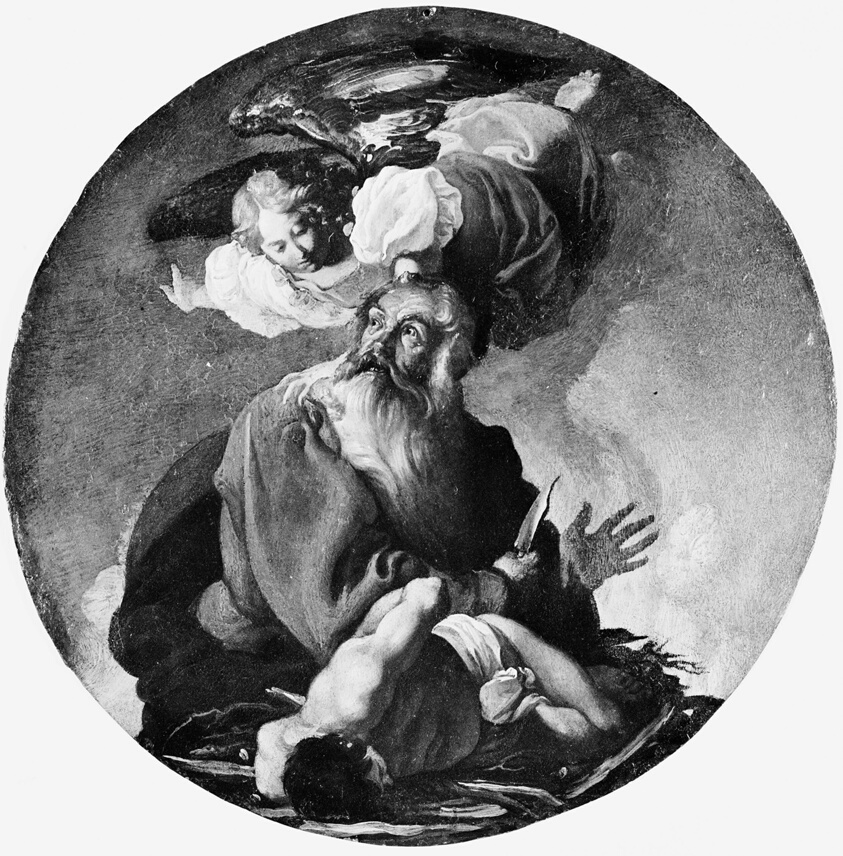
Sacrifice of Isaac
Art Institute of Chicago
#100343
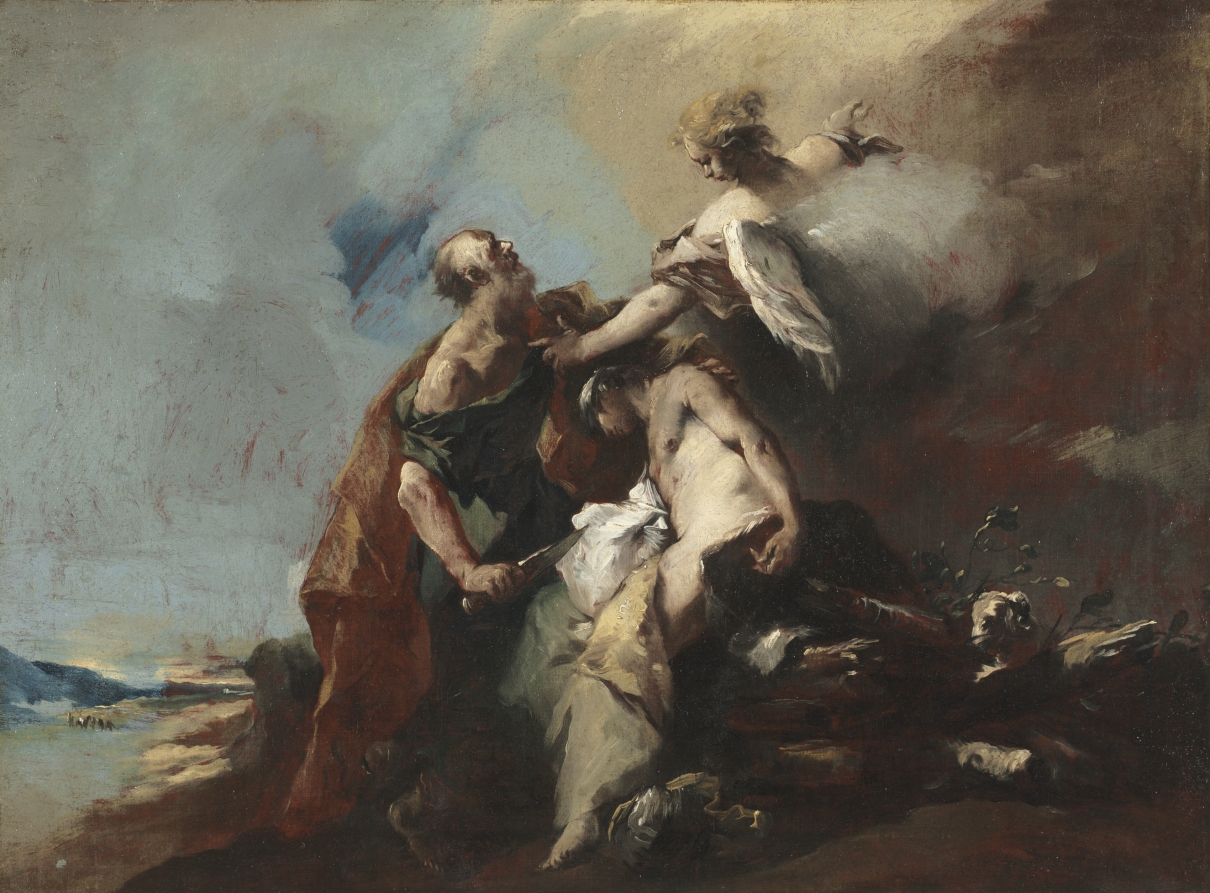
The Sacrifice of Isaac
Cleveland Museum of Art
#129802
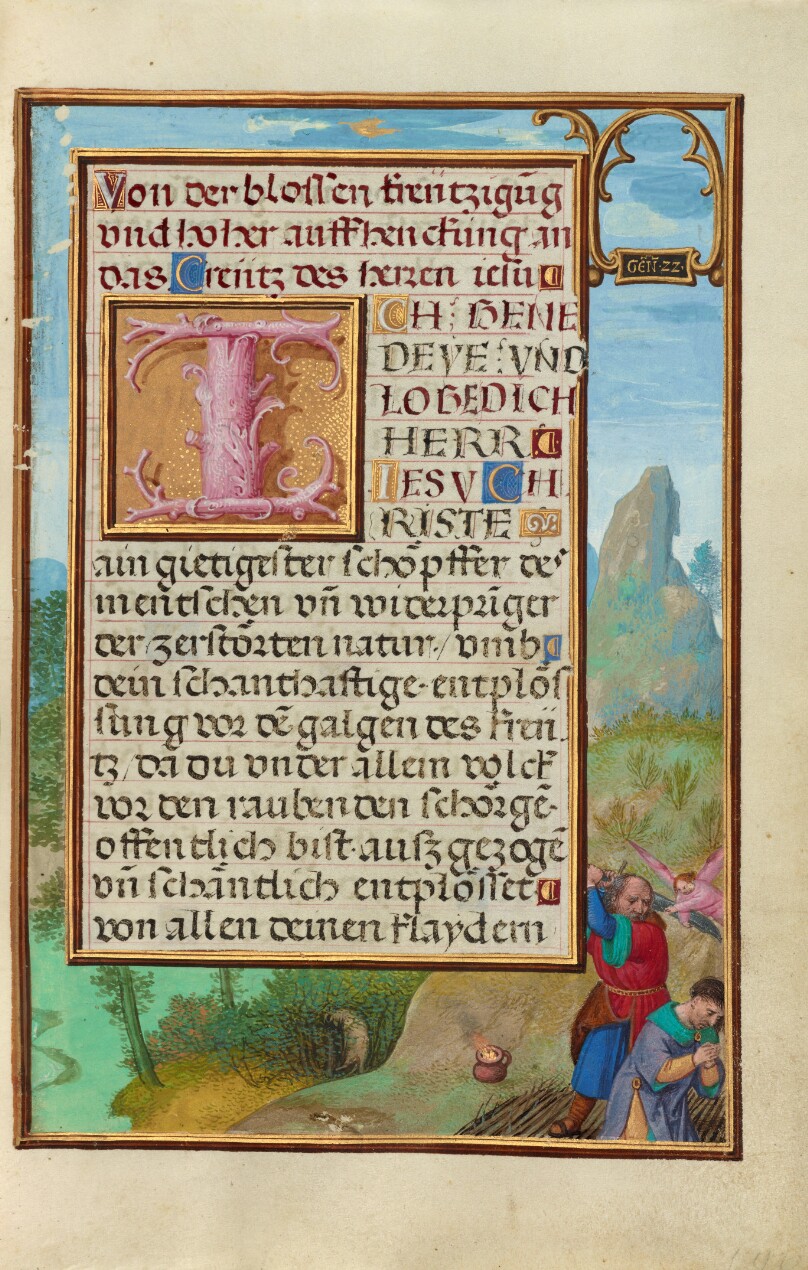
Border with the Sacrifice of Isaac
Getty Museum
#cf889bfb-fe30-4846-a105-62aa6415b749
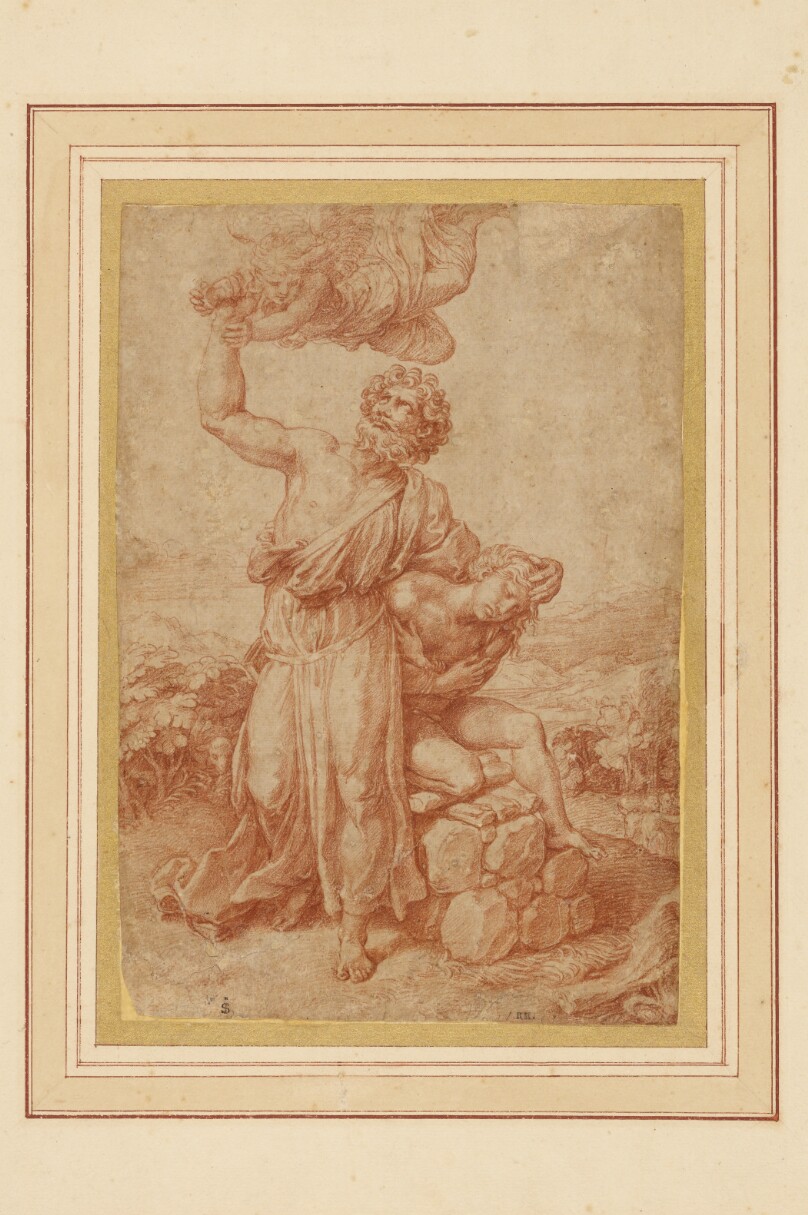
The Sacrifice of Isaac
Getty Museum
#853a8ebb-2287-4f76-8b40-c2a082de26a8

The Sacrifice of Isaac
Minneapolis Institute of Art
#55363
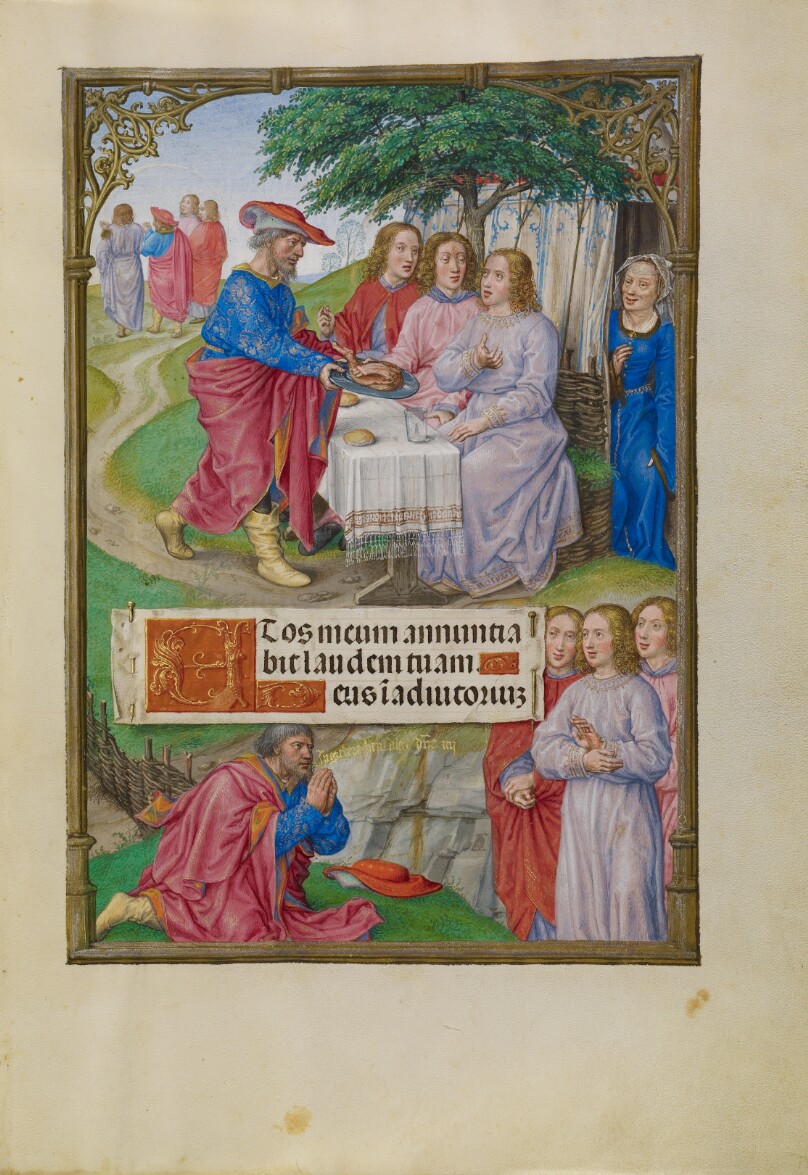
Abraham and the Three Angels
Getty Museum
#c09f73d0-421b-4f0c-becd-1717f21f655e
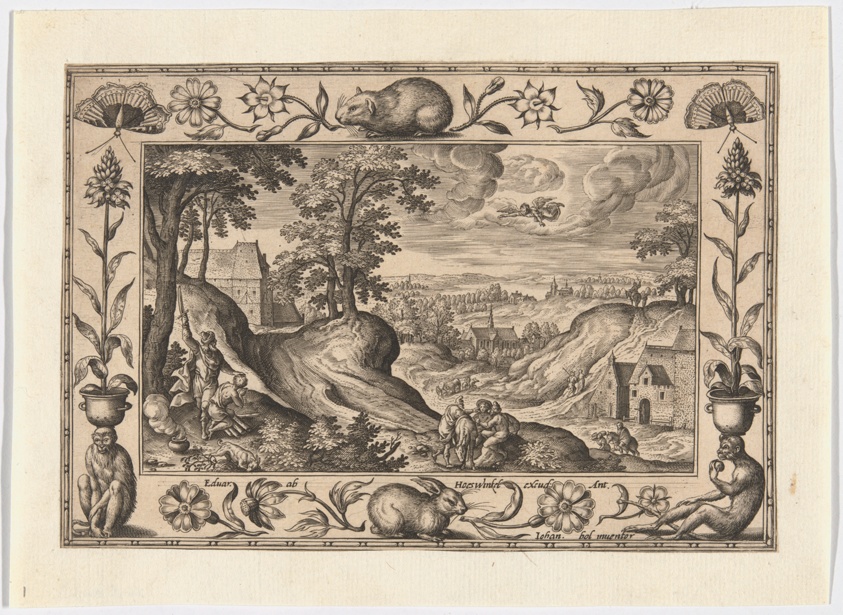
Abraham's Sacrifice of Isaac, from Landscapes with Old and New Testament Scenes and Hunting Scenes
Art Institute of Chicago
#229132
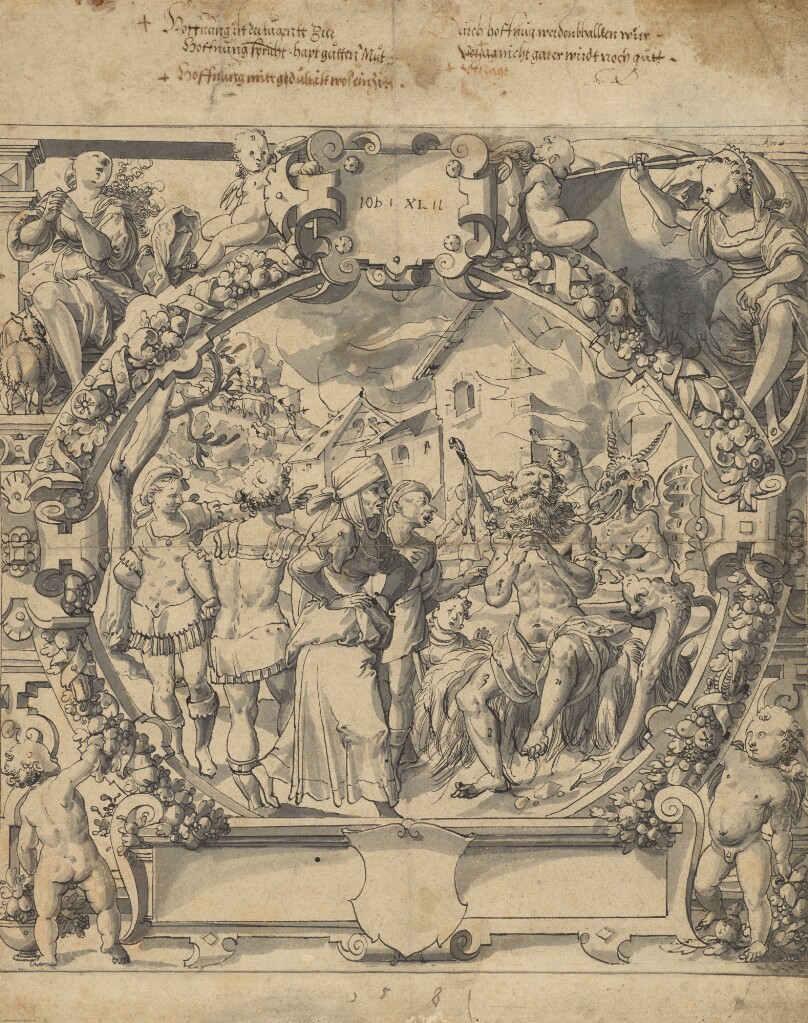
Job on the Dung Hill
Getty Museum
#48b16365-b8e2-481f-965d-561c8b27733b
The Sacrifice of Isaac, Tobias and the Angel, The Angels Appearing to Abraham, Abraham Welcoming the Three Angels (painting series)
Cleveland Museum of Art
#129801
Study for the Figure of Abraham
Getty Museum
#3f65af8c-72a3-4a8f-a5dc-9f454749e842
Border with Abraham and Isaac
Getty Museum
#1d1660ec-55bc-4eef-bead-46b11b179190

Abraham's Sacrifice
Minneapolis Institute of Art
#56404