Cleveland Museum of Art
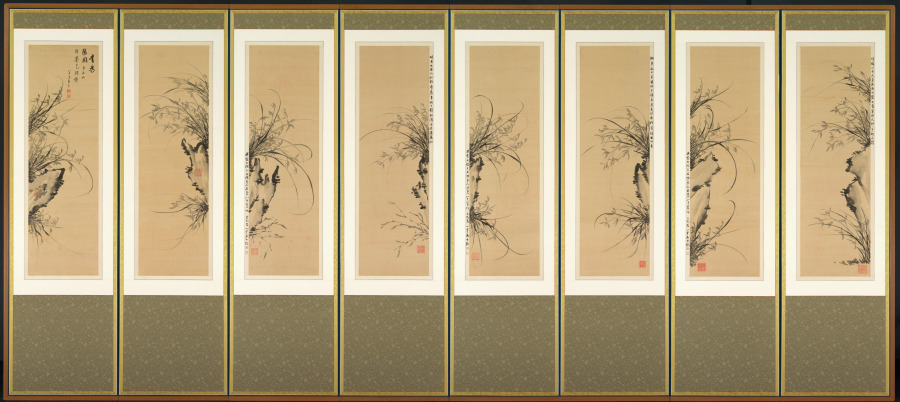
Orchids and Rocks
Yi Ha-eungLinkedCulture matchlcp-ebb45504f7bd
- Date
- 1897–98
- Medium
- Eight-panel folding screen; ink on silk
- Culture
- Korea, Joseon dynasty (1392–1910)
- Department
- Korean Art
- Institution
- Cleveland Museum of Art
- Object ID
- 86399
From the Cleveland Museum of Art record
Yi Ha-eung (1820−1898), the artist of this eight-panel folding screen, was one of the most influential men in late 19th-century Korea. Acting as the regent for his son, King Gojong (1852−1919), who ascended the throne at the age of thirteen, Yi ruled Korea from 1866 to 1873. In addition to his illustrious political career, Yi was also recognized as one of the most celebrated artists who led the revival of literati art in late 19th-century Korean art. In particular, he was recognized as the master of orchids, one of the “Four Gentlemen” (plum, orchid, chrysanthemum, and bamboo) themes. Solely relying on monochrome ink, Yi depicted the curvilinear silhouettes of cymbidium orchid leaves dramatically hanging down from cliffs. Growing in wilderness and redolent with fragrance, orchids were often associated with the perseverance of principled gentlemen, and thus became one of the most popular subjects of scholar-artists' paintings.On the upper right corner of the far left panel, Yi wrote a short inscription stating that he painted the work at the age of 80. The artist of this elegant painting is the formidable politician Yi Ha-eung (1820–1898), who is known for a seclusion policy that aimed to protect Korea and its sovereignty from foreign influences.
The authoritative record is held by Cleveland Museum of Art. LinkedCulture surfaces this object and its connections; it does not alter institutional metadata.
Get printable QR codesHide QR codes
Open QR codes for this object page and the museum record. They stay collapsed until needed.
Provenance & credit
As published by the source institution. Coverage varies — not every institution's open-data feed includes ownership history.
- Credit line
- John L. Severance Fund
- Provenance
- ?–2006: (Jin Gallery, Busan, South Korea) | 2006: (Seoul Auction, Seoul, South Korea) | 2006–15: (Kang Collection, New York, NY, sold to the Cleveland Museum of Art) | 2015–: The Cleveland Museum of Art, Cleveland, OH
Related across collections
Semantically similar works from Cleveland Museum of Art and other institutions.
Orchid and Rock: The Essence of a Gentleman (Kunja Munjong)
Harvard Art Museums
#93656
Orchids and Rocks
Harvard Art Museums
#20977
Orchids and Rocks
Harvard Art Museums
#5649
Orchids and Rocks
Harvard Art Museums
#6260
Garden Rock and Orchids
Harvard Art Museums
#93616
Orchids and Rocks
Harvard Art Museums
#6259
Orchid and Rock
Harvard Art Museums
#19278
Orchids and Rocks
Harvard Art Museums
#5855
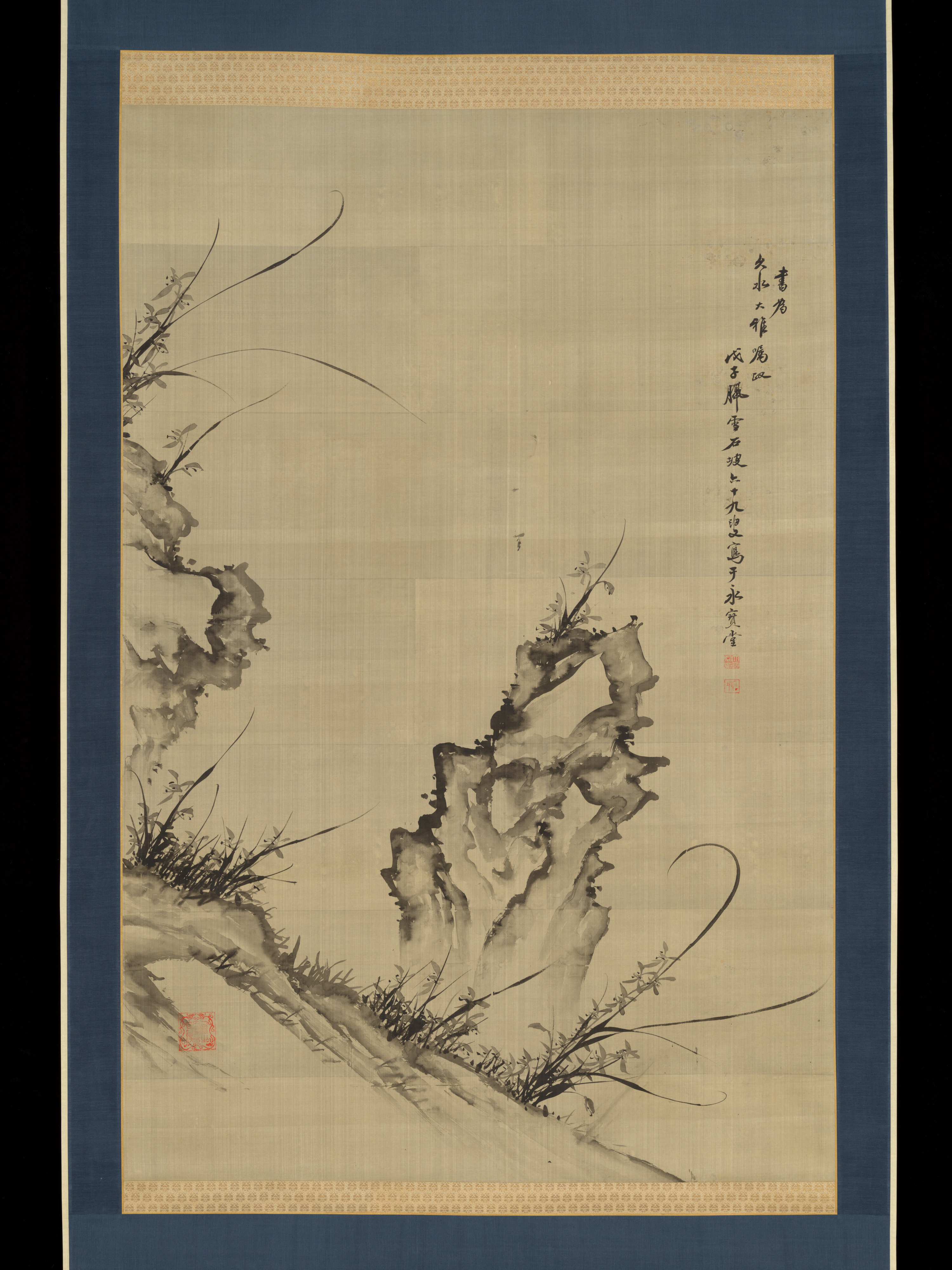
Orchids and Rocks
The Metropolitan Museum of Art
#929079
Orchids
Harvard Art Museums
#99835
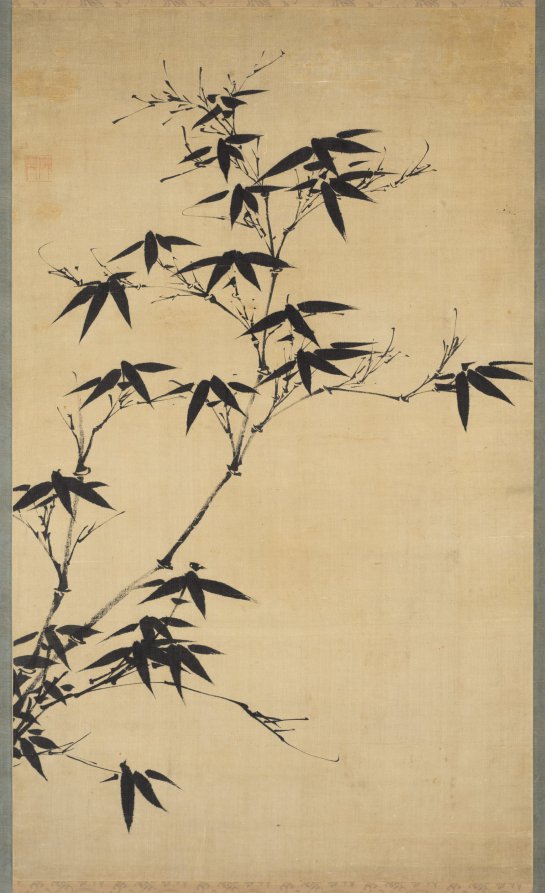
Bamboo
Cleveland Museum of Art
#160880

Bamboo, Rocks and Lonely Orchids
Cleveland Museum of Art
#139746