Getty Museum
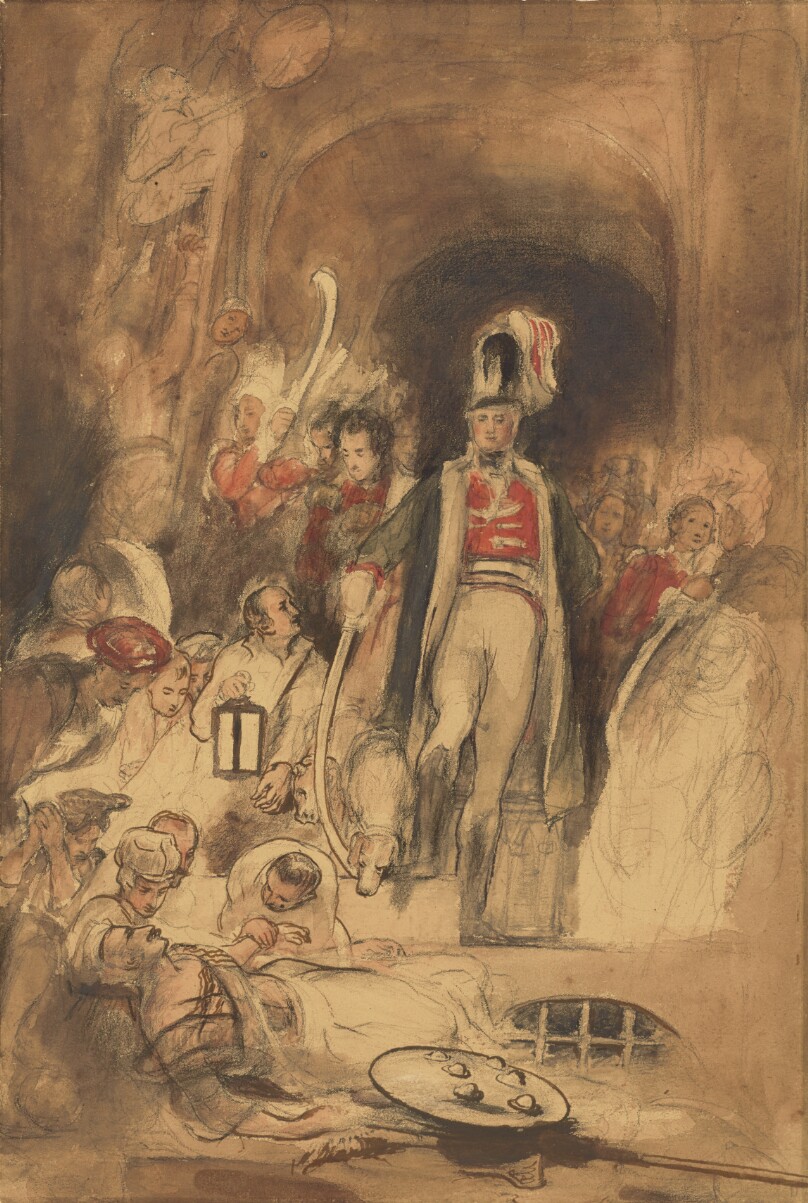
Study for 'Sir David Baird Discovering the Body of Tipu Sahib'
Creator
Sir David Wilkie, R.A.Artist · 1785–1841
All works by this person →A minister's son, David Wilkie studied painting in Edinburgh, despite his parents' misgivings about the occupation. His ambition led him to London, where he entered the Royal Academy schools. In 1806 he made his name with a modern genre painting, beginning a life of much-admired paintings of everyday scenes. In 1822, when exhibiting a wildly popular work, the Royal Academy took the unprecedented s
More on Getty ULAN- Date
- about 1834–1836
- Medium
- Watercolor, pen and brown ink, and black chalk
- Culture
- Scottish
- Department
- Drawings
- Institution
- Getty Museum
- Object ID
- 88b02f91-3eb2-4a39-9b82-a9a4482b744d
From the Getty Museum record
On May 4, 1799, General Sir David Baird stormed the southern Indian city of Mysore with his British troops. During the violent battle, Tipu Sahib, the last independent sultan of Mysore, was killed. His death, which led to the city's final surrender, marked the final consolidation of British rule in India. Sir David Wilkie based his composition on a contemporary account of the scene: "About dusk, General Baird, in consequence of information he had received at the palace, came with lights to the gate, accompanied by the late Killadar [Governor of the Fort], and others, to search for the body of the sultan; and after much labor it was found and brought from under a heap of slain to the inside of the gate." Baird stands in the gateway under which Tipu received his death wound. Wilkie took much care with the design; he took nearly four years and produced numerous preparatory drawings before completing the final painting. This drawing shows an early stage in the development of the composition.
The authoritative record is held by Getty Museum. LinkedCulture surfaces this object and its connections; it does not alter institutional metadata.
Get printable QR codesHide QR codes
Open QR codes for this object page and the museum record. They stay collapsed until needed.
Related across collections
Semantically similar works from Getty Museum and other institutions.
Portrait of a man
Cleveland Museum of Art
#144069

Commemorative dish depicting the fall of the Kingdom of Kandy
Minneapolis Institute of Art
#136175
The pious man’s son, now a king, reveals himself to his father; his nurse upbraids his unfaithful mother, from a Tuti-nama (Tales of a Parrot): Fifty-second Night
Cleveland Museum of Art
#137868
Great Pagoda, Great Bull, Front View, Tanjore, India (Rajarajeshvara Temple), plate 12 from Photographic Views of Tanjore and Trivady (Madras: Madras Presidency)
Cleveland Museum of Art
#153706
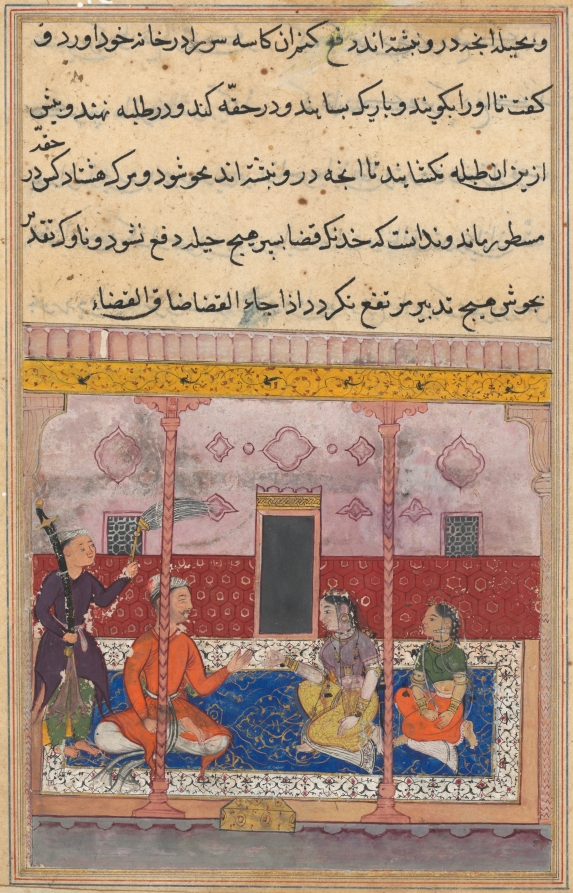
The merchant has the hateful skull ground and put into a box, from a Tuti-nama (Tales of a Parrot): Twenty-third Night
Cleveland Museum of Art
#137492
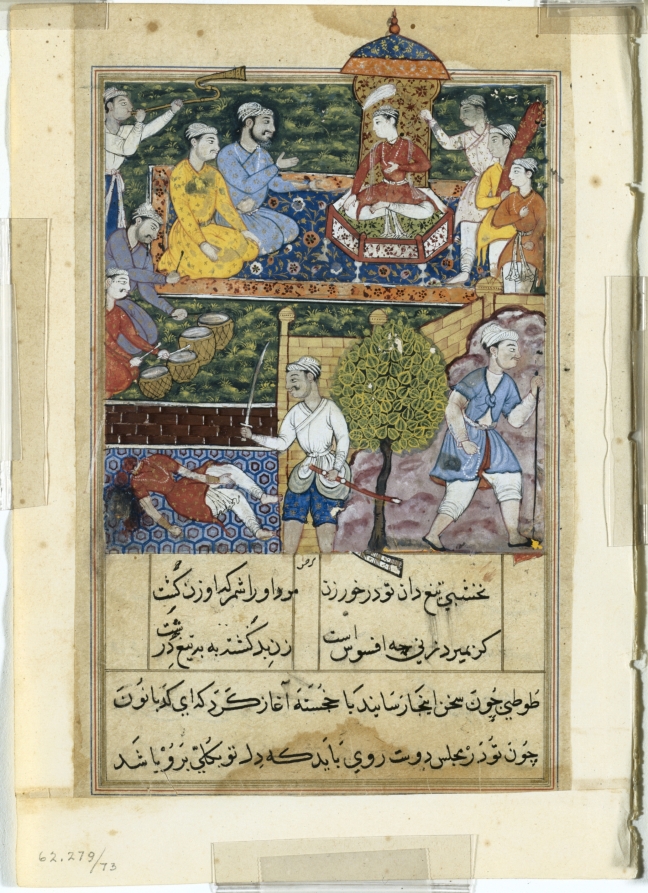
The young prince is crowned and the wicked handmaiden is executed, from a Tuti-nama (Tales of a Parrot): Eighth Night
Cleveland Museum of Art
#137956
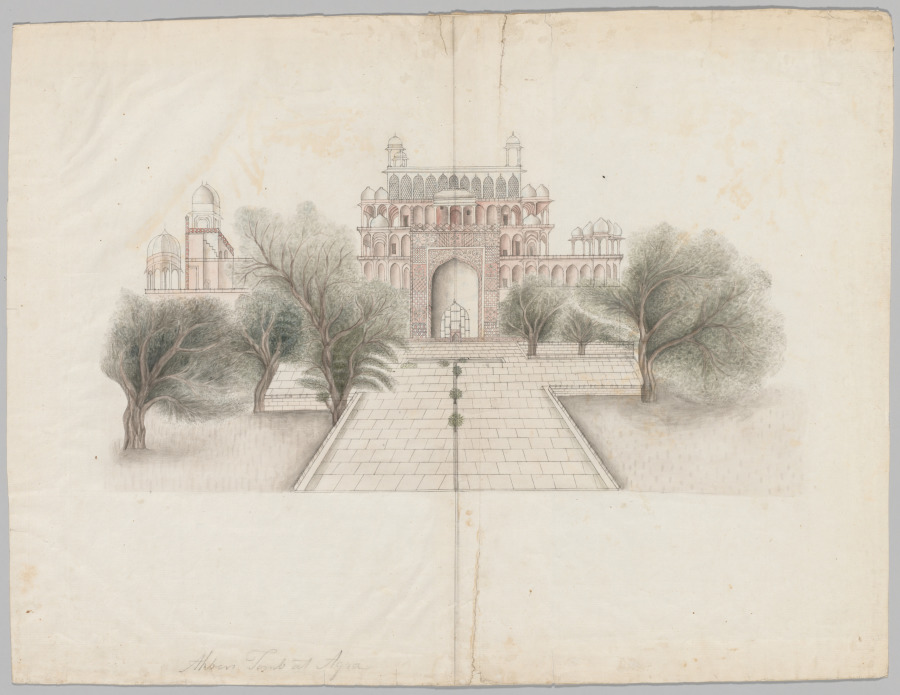
The Mausoleum of Akbar at Secundrabad
Cleveland Museum of Art
#151226
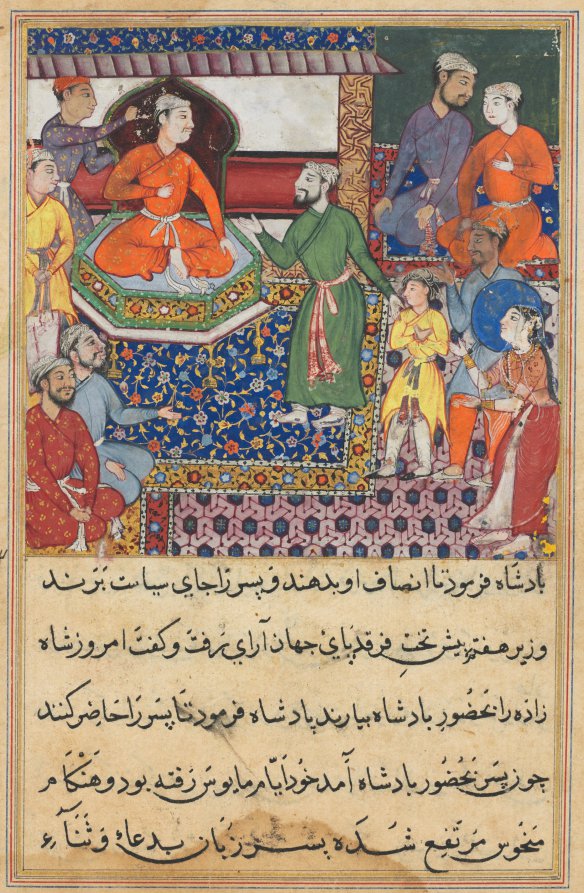
The handmaiden again pleads for the death of the prince, from a Tuti-nama (Tales of a Parrot): Eighth Night
Cleveland Museum of Art
#137953
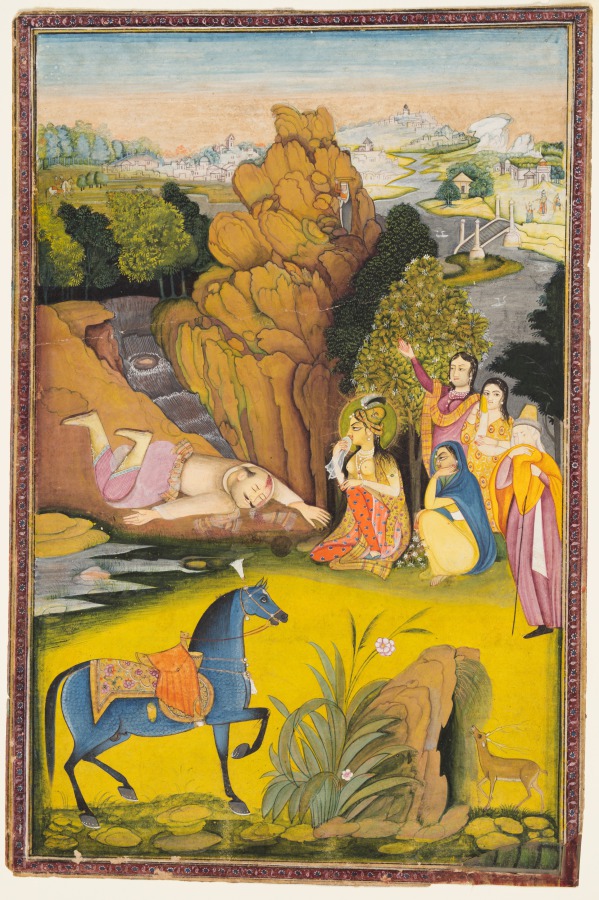
Farhad Kills Himself After Hearing the False News of Shirin’s Death
Cleveland Museum of Art
#314504
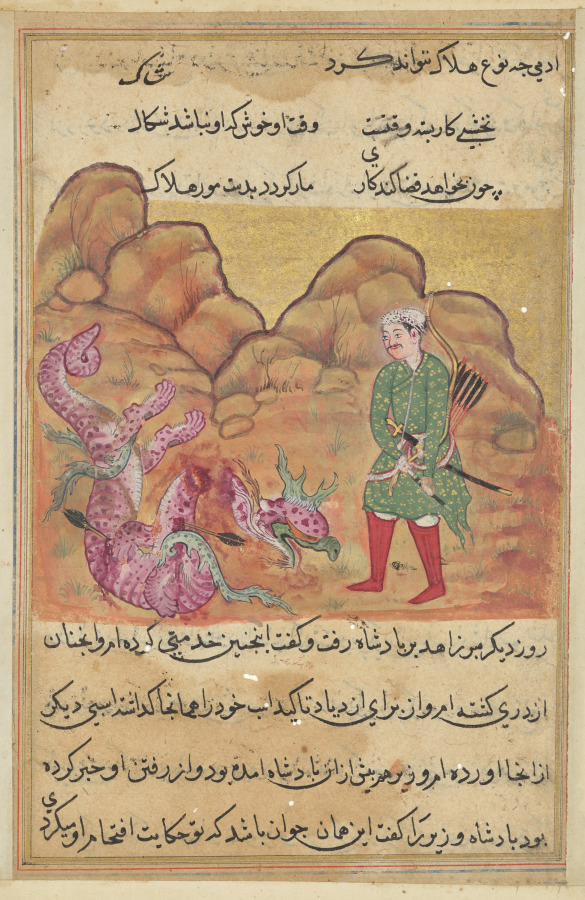
The son of the pious man slays the dragon, from a Tuti-nama (Tales of a Parrot): Fifty-second Night
Cleveland Museum of Art
#137861
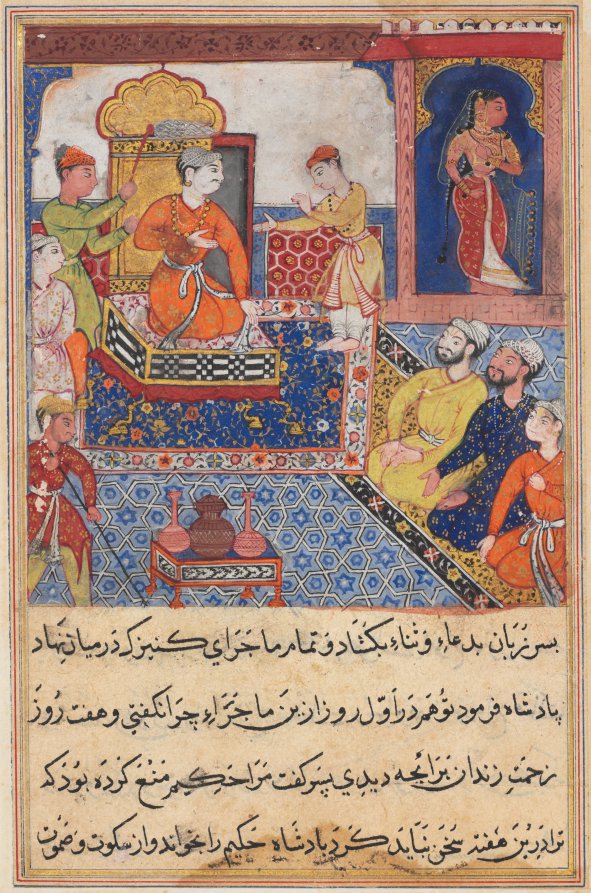
The young prince recounts his experiences to his father, the king, from a Tuti-nama (Tales of a Parrot): Eighth Night
Cleveland Museum of Art
#137954
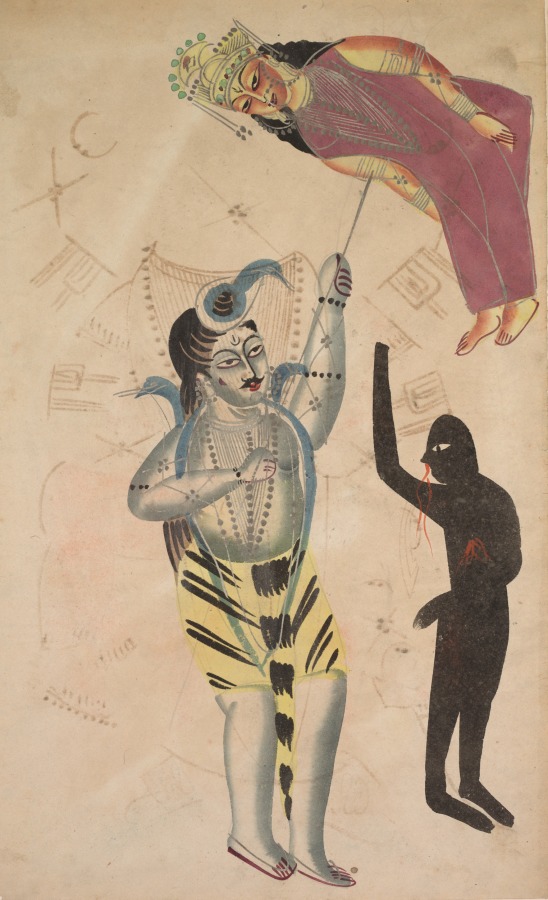
Shiva Bearing Aloft the Body of His Sati
Cleveland Museum of Art
#162474