Getty Museum
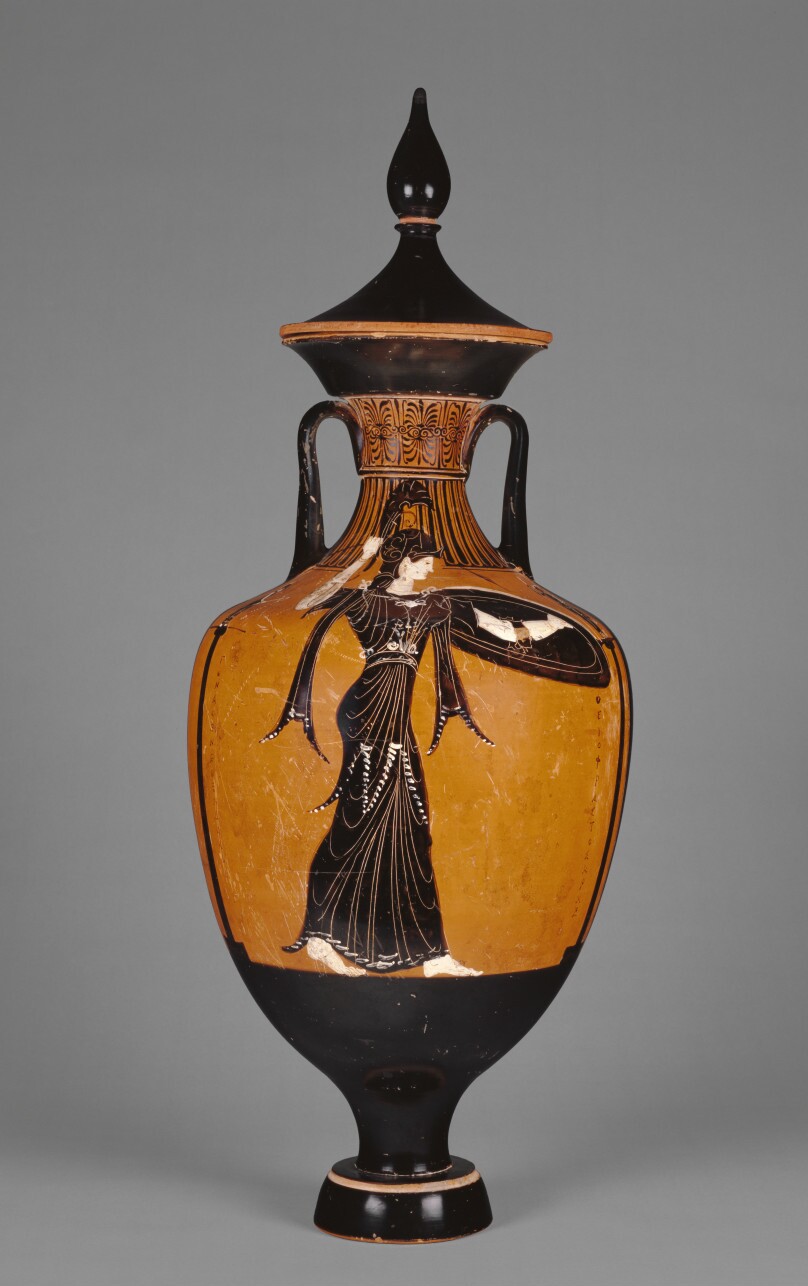
Attic Panathenaic Amphora with Lid
Creator
Marsyas PainterArtist
All works by this person →The Marsyas Painter is the name of an artist who decorated pottery using the red-figure technique in Athens during the 300s B.C. As with most vase-painters, his real name is unknown, and he is identified only by the stylistic traits of his work. He is named for a vase in Berlin, which depicts the myth of the flaying or skinning of the satyr Marsyas. The Marsyas Painter and his circle were among th
More on Getty ULAN- Date
- 340–339 B.C.
- Medium
- Terracotta
- Culture
- Greek (Attic)
- Department
- Vessels
- Institution
- Getty Museum
- Object ID
- 97fff652-5587-4da9-b2b5-476819009996
From the Getty Museum record
The Panathenaia, a state religious festival, honored Athena, the patron goddess of Athens. Held every four years, the festival included athletic, musical, and other competitions. Amphorae filled with oil pressed from olives from the sacred trees of Athena were given as prizes in the Panathenaic Games. These amphorae had a special form with narrow neck and foot and a standard fashion of decoration. One side showed Athena, the goddess of war, armed and striding forth between columns, and included the inscription "from the games at Athens." The other side showed the event for which the vase was a prize. Leading vase-painters, commissioned by the state, decorated these vessels, which continued to be decorated in the black-figure technique long after it had gone out of fashion for other vases, probably due to religious conservatism. The same conservatism is applied to the depiction of Athena. On this example, the figure of Athena is portrayed in an Archaistic or old-fashioned style. An additional inscription, seen here to the right of Athena, names the archon or city magistrate. Because historical records date these magistrates, the vase can be dated very precisely. The event side of this vase shows a special race in which an apobates or armed competitor had to leap off a moving chariot, run alongside it, and then jump back on.
The authoritative record is held by Getty Museum. LinkedCulture surfaces this object and its connections; it does not alter institutional metadata.
Get printable QR codesHide QR codes
Open QR codes for this object page and the museum record. They stay collapsed until needed.
Related across collections
Semantically similar works from Getty Museum and other institutions.
Panathenaic Prize Amphora with Lid
Getty Museum
#2e1011c9-cf43-444b-8fb4-61eadcbd6580
Attic Panathenaic Amphora
Getty Museum
#ff31e3db-81d5-4040-b1a4-7996a00770d0
Panathenaic Amphora
Getty Museum
#ba7e72e4-43f9-4e5e-be98-5451f5efa48a
Black-Figure Neck-Amphora of Panathenaic Shape (Storage Vessel)
Cleveland Museum of Art
#105540
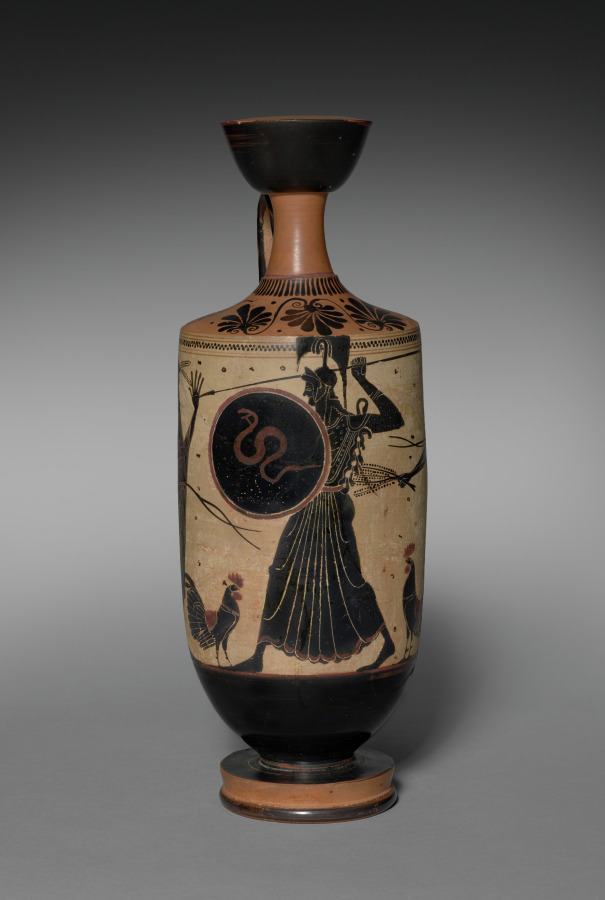
Black-Figure White-Ground Lekythos (Oil Vessel): Athena between Cocks and Hieropoioi (Officials)
Cleveland Museum of Art
#457392
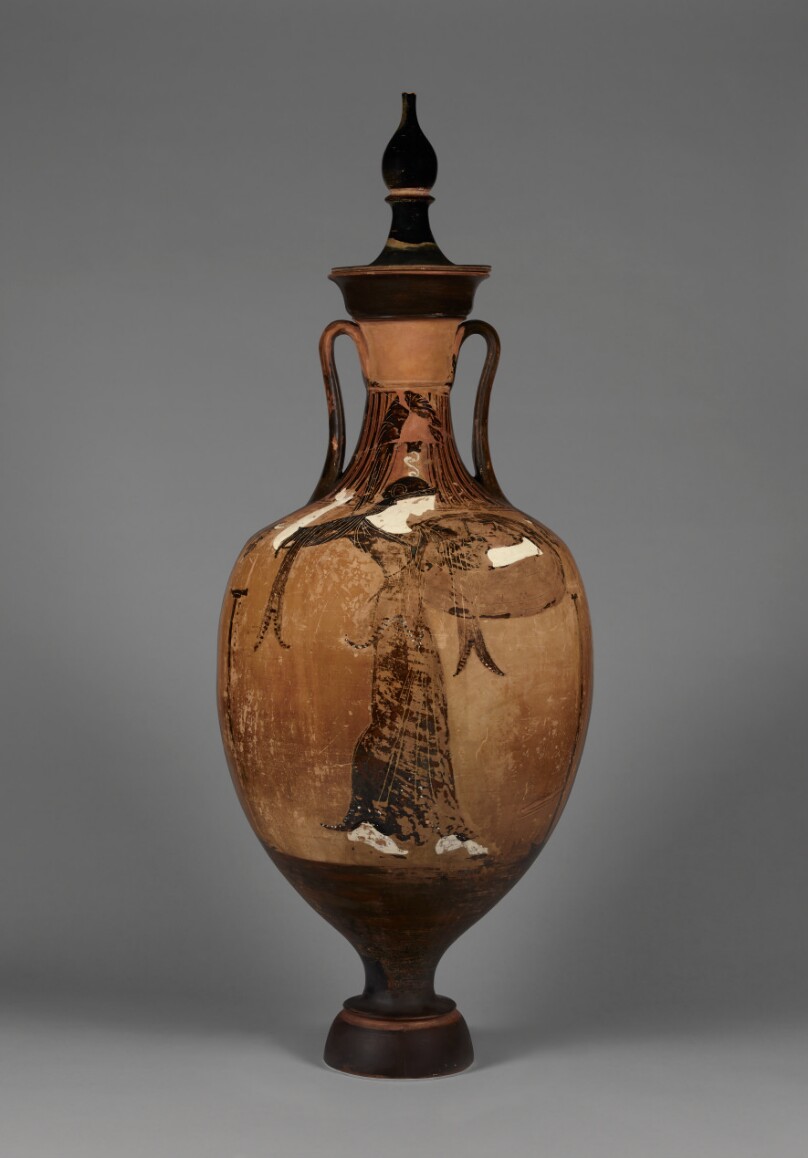
Panathenaic Amphora with Lid
Getty Museum
#5c5abd8a-7e36-4bf3-85aa-7b7b4662898d
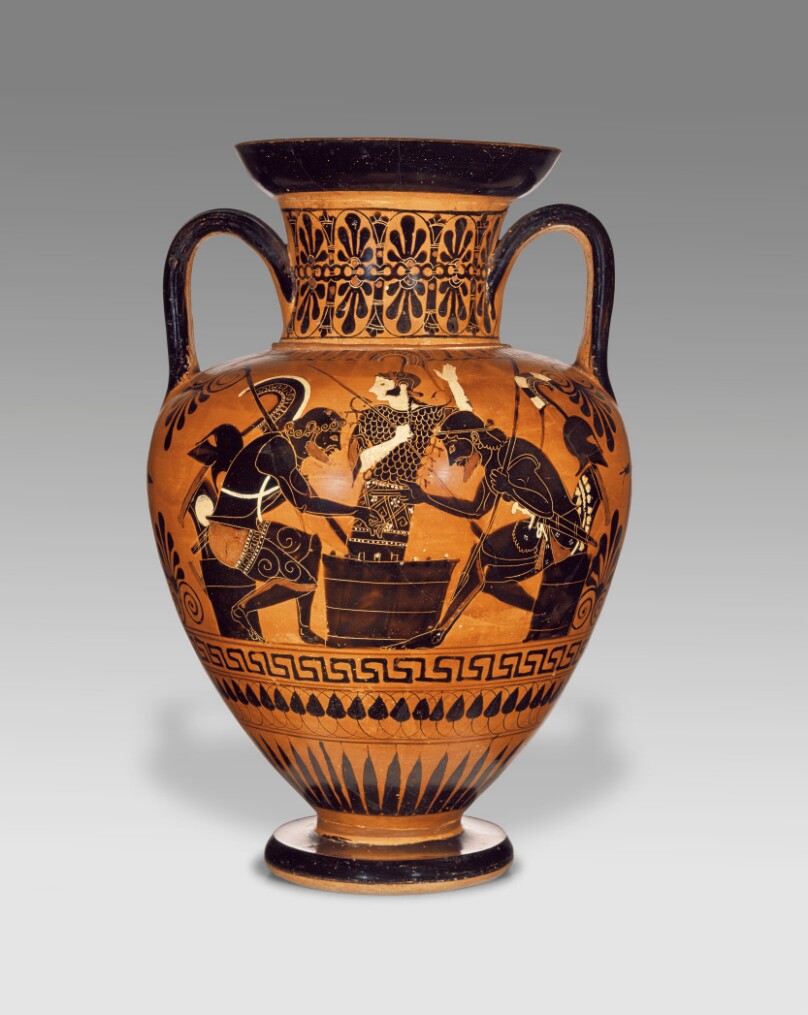
Attic Black-Figure Neck Amphora
Getty Museum
#73447a57-7aef-4596-b13c-a54894987851
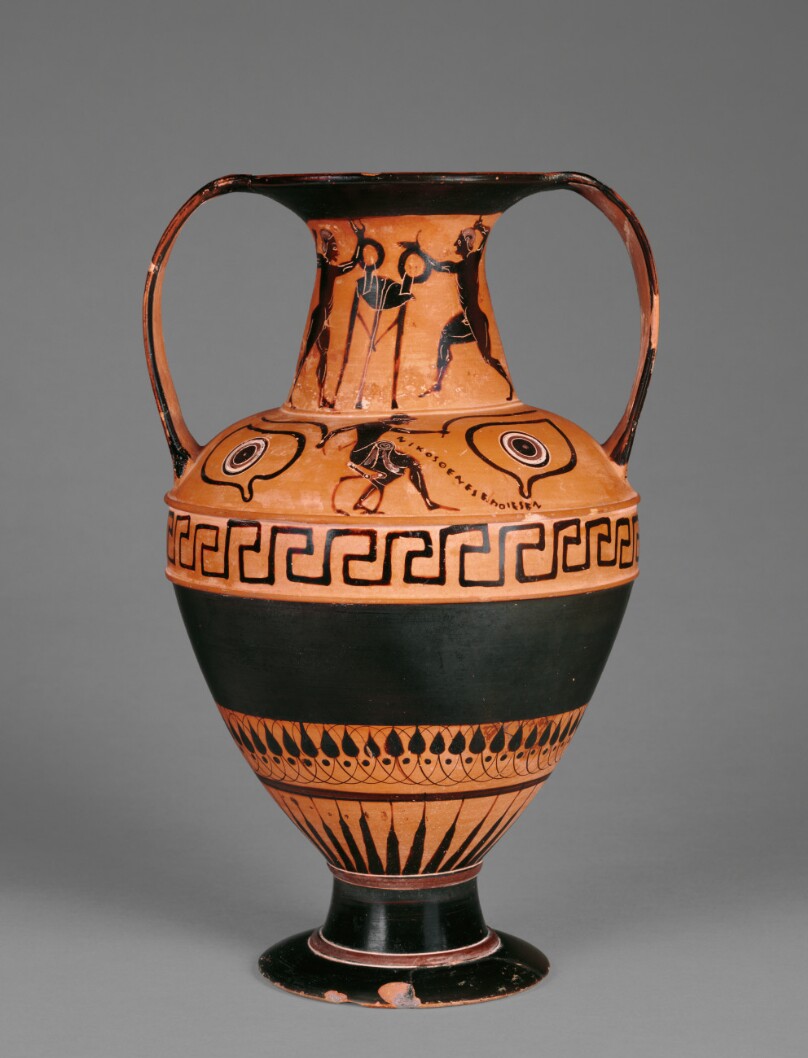
Attic Black-Figure Nikosthenic Amphora with Boxers
Getty Museum
#70118294-518d-479c-94d6-32dbfb1f8e90
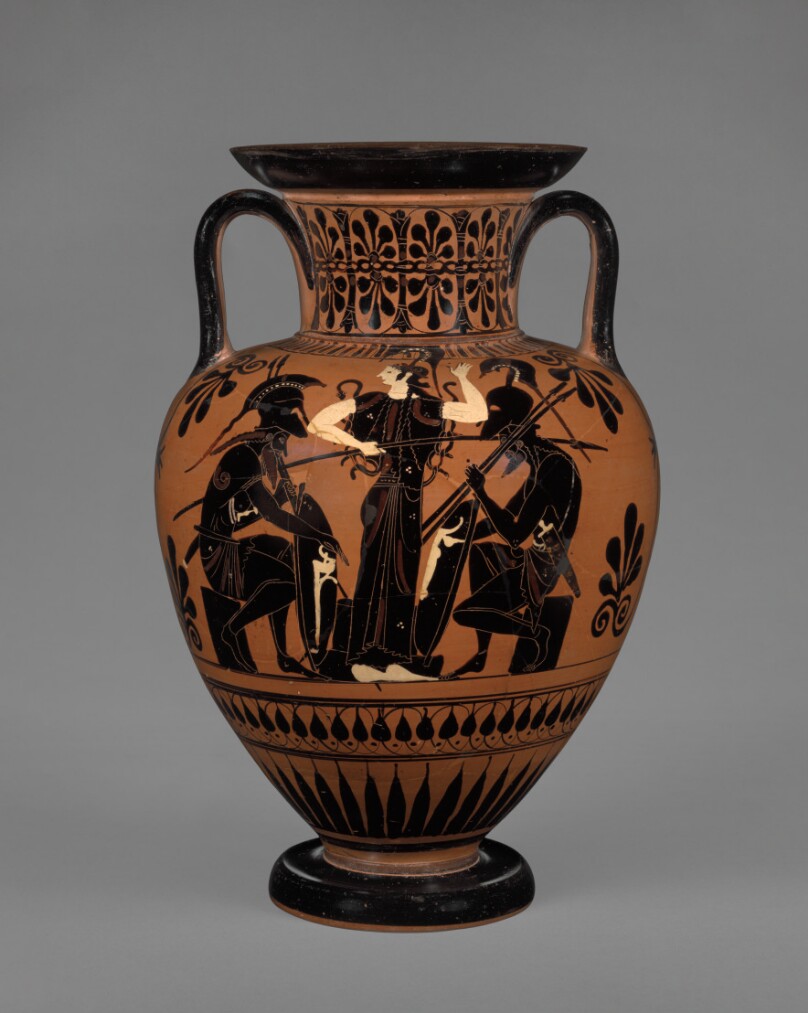
Attic Black-Figure Neck Amphora
Getty Museum
#0a29658e-72d4-46b4-a6a2-2a1e683b4e6c
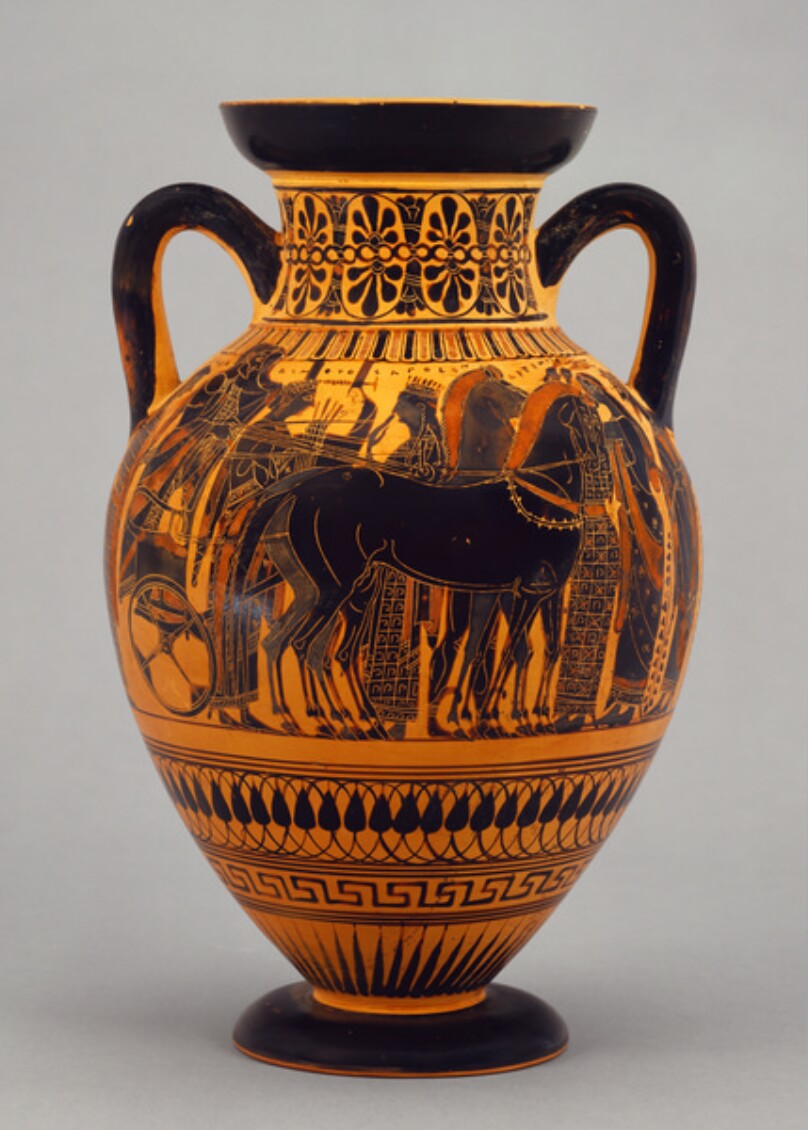
Attic Black-Figure Amphora
Getty Museum
#94475486-7cfe-4ef0-905e-201883db5ab4
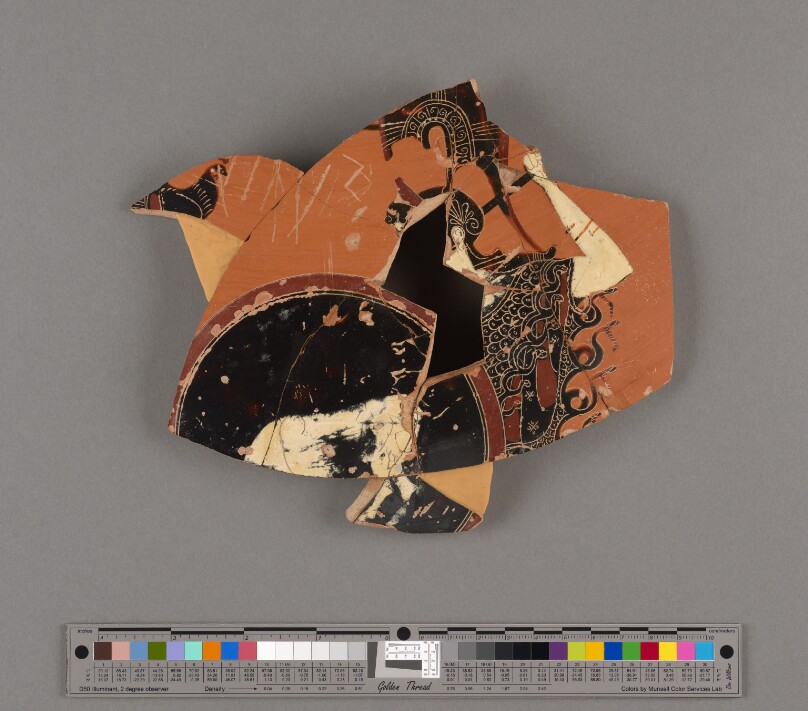
Attic Panathenaic Amphora Fragment (part of 81.AE.203.6.2)
Getty Museum
#f1aa7272-cafd-4da8-b5b6-b19bfc0f051f
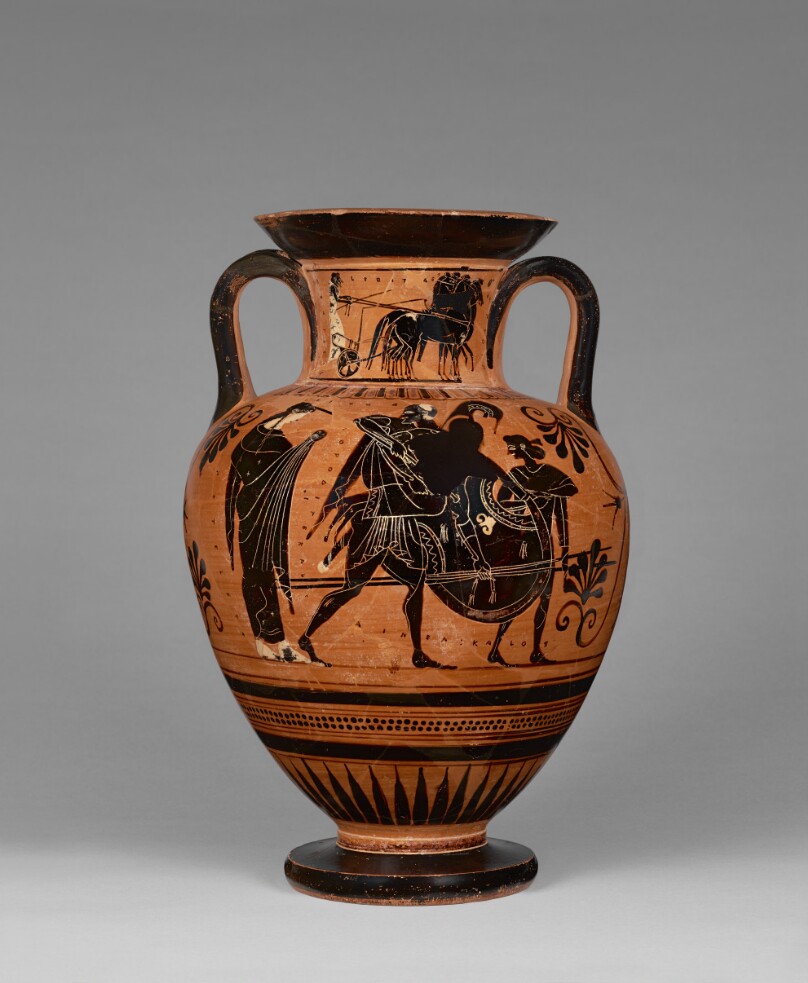
Attic Black-Figure Neck Amphora
Getty Museum
#f6b1416e-e07b-4aa6-9884-6fa6844d7c0d