Getty Museum
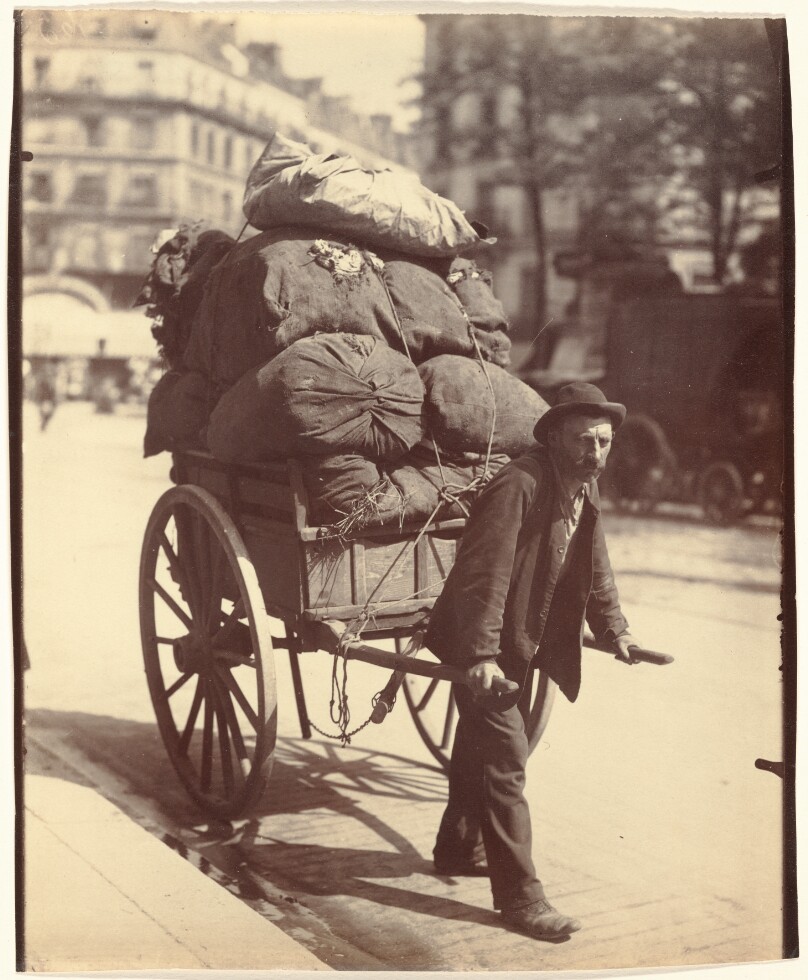
Chiffonier
Creator
Eugène AtgetFrench Photographer · 1857–1927
All works by this person →Eugène Atget never called himself a photographer; instead he preferred "author-producer." A private, almost reclusive man, Atget first tried his hand at painting and acting, then began to photograph *vieux Paris* (Old Paris) in 1898. He photographed in part to create "documents," as he called his photographs, of architecture and urban views, but he supported himself by selling these photographs to
More on Getty ULAN- Date
- 1899–1901
- Medium
- Albumen silver print
- Culture
- French
- Department
- Photographs
- Institution
- Getty Museum
- Object ID
- 9c0b3499-b1e1-4e62-863b-a9995dae2f04
From the Getty Museum record
> The man who pulls this cart of bundled rags and trash has consented to pose for Eugène Atget but eyes him distrustfully, wondering perhaps why the photographer has chosen him to become the subject for the camera. Because Atget made four or so images of *petits métiers* at this location, at least three all on the same day, maybe it was explained to the ragpicker and the others that the artist was making a series of pictures of street tradespeople, and his sitters met him by appointment. (It is highly unlikely that Atget simply waited for appropriate subjects to pass by and that on one lucky day three or four appeared.) If sittings were prearranged, then might the subjects also have been paid? Perhaps not in this case, as the ragpickers, these untouchables in the class system, were notoriously independent and proud. In addition, Atget in 1901 was not rich. However he came here, the ragpicker did not trouble to shave and wears his ordinary work clothing. As has been pointed out by photo historian Maria Morris Hambourg, it is not the person but the trade that is being portrayed. Hence Atget did not tell the model to turn his head to free half his face from deep shadow. Nor did Atget make any attempt to show the surroundings—the background is wholly out of focus. It was enough to place the ragpicker in the street and carefully position him so that he and his crude two-wheeled cart, its cargo tied in place, filled the frame. > > Fulfilling Atget's intention for the employment of his photographs, this image was used not only as one in a series of postcards (see entry for [94.XM.108.4](https://www.getty.edu/art/collection/objects/101147/eugene-atget-marchand-d'abat-jours-french-1901/) and an [example of the actual postcards](https://collections.mfa.org/search/Objects/classifications%3APostcards/atget/images?page=2)) but also as the model for a wood engraving by Jacques Beltrand (1874-1977). See [90.XM.64.80](https://www.getty.edu/art/collection/objects/63515/eugene-atget-le-petit-italien-marchand-de-statuettes-italian-statue-vendor-french-1899-1900/), [90.XM.64.24](https://www.getty.edu/art/collection/objects/63459/eugene-atget-marchand-d'abat-jour-lampshade-merchant-french-1899/) and [94.XM.108.4](https://www.getty.edu/art/collection/objects/101147/eugene-atget-marchand-d'abat-jours-french-1901/) for examples of Atget’s of street tradespeople. See [94.XM.108.6](https://www.getty.edu/art/collection/objects/101149/eugene-atget-villa-d'un-chiffonnier-french-1912/) and [90.XM.46.4](https://www.getty.edu/art/collection/objects/63398/eugene-atget-and-berenice-abbott-ragpickers'-camp-french-negative-1913-print-about-1950/) for an example of a ragpicker’s home. > > Originally published in *Eugène Atget*, In Focus: Photographs from the J. Paul Getty Museum by Gordon Baldwin (Los Angeles: J. Paul Getty Museum, 2000), 24. ©2000, J. Paul Getty Trust.
The authoritative record is held by Getty Museum. LinkedCulture surfaces this object and its connections; it does not alter institutional metadata.
Get printable QR codesHide QR codes
Open QR codes for this object page and the museum record. They stay collapsed until needed.
Related across collections
Semantically similar works from Getty Museum and other institutions.
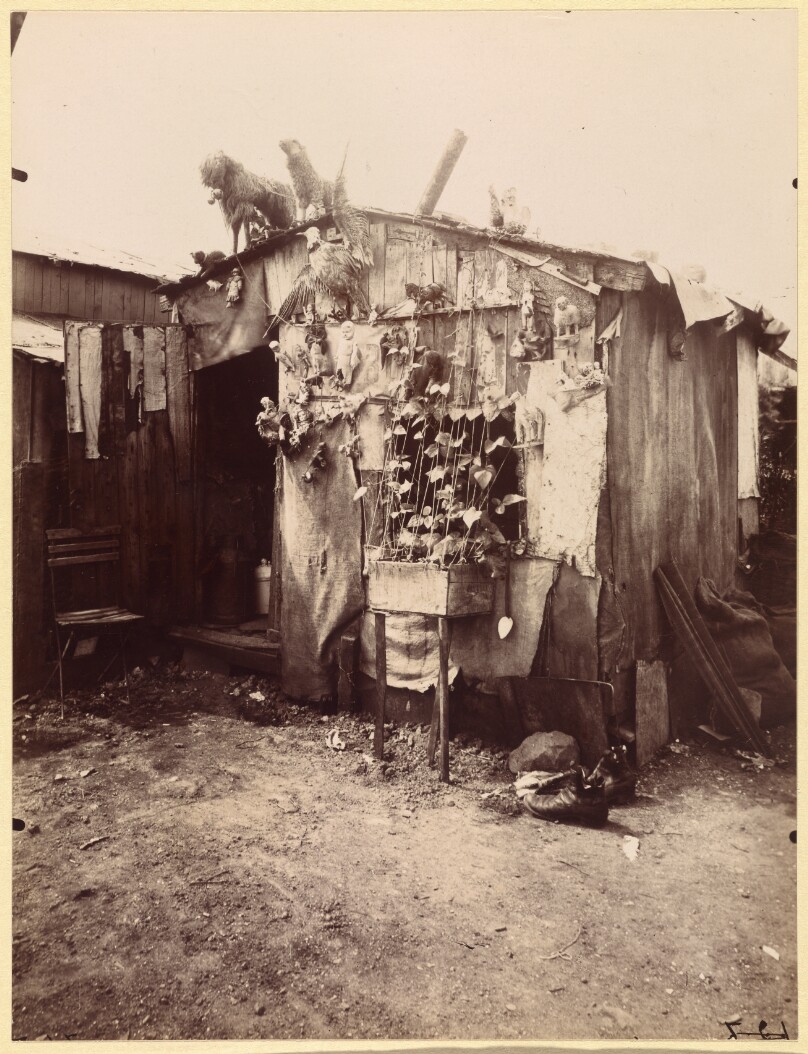
Villa d'un Chiffonnier
Getty Museum
#2a2f671f-0a4e-4647-91b6-8243abe14349
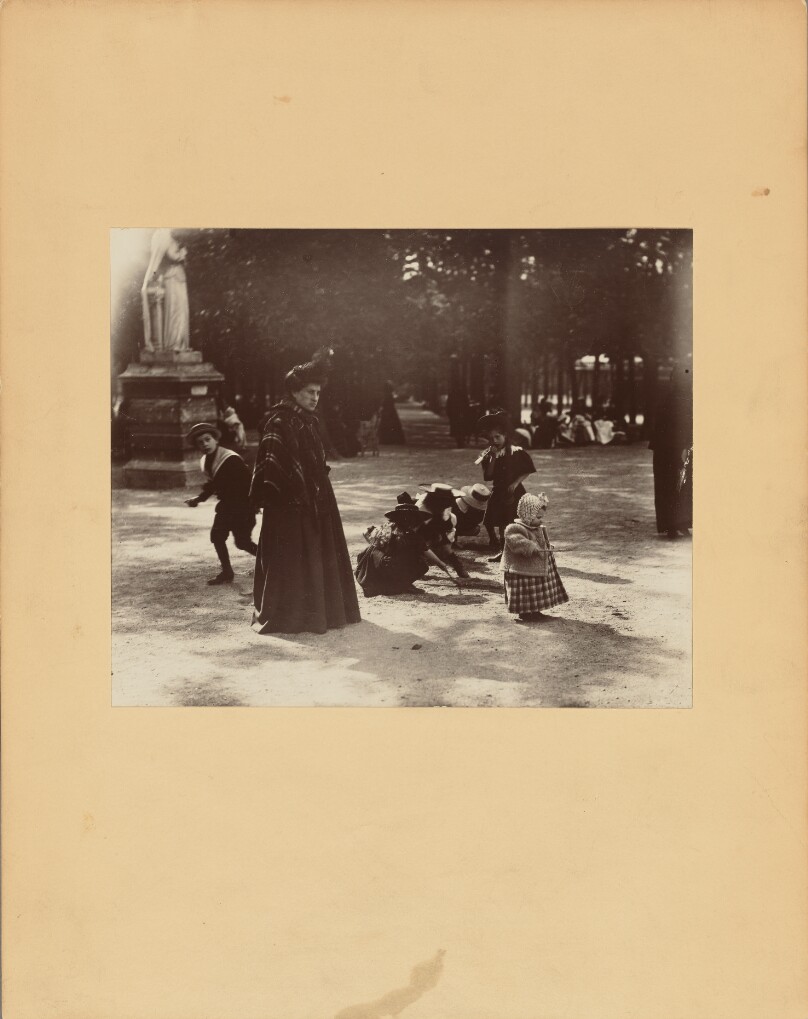
Luxembourg - Enfants
Getty Museum
#6c1bb52e-8db1-4703-816a-a836bfedab6a
![[Villa d'un chiffonier (Rag Picker's Hut)]](/api/proxy-image?url=https%3A%2F%2Fmedia.getty.edu%2Fiiif%2Fimage%2F3a9ef0b0-2122-4aa4-8a01-2e677dedc66d%2Ffull%2F808%2C%2F0%2Fdefault.jpg)
[Villa d'un chiffonier (Rag Picker's Hut)]
Getty Museum
#08e67817-c018-4e01-ab37-f6e43523e5d8
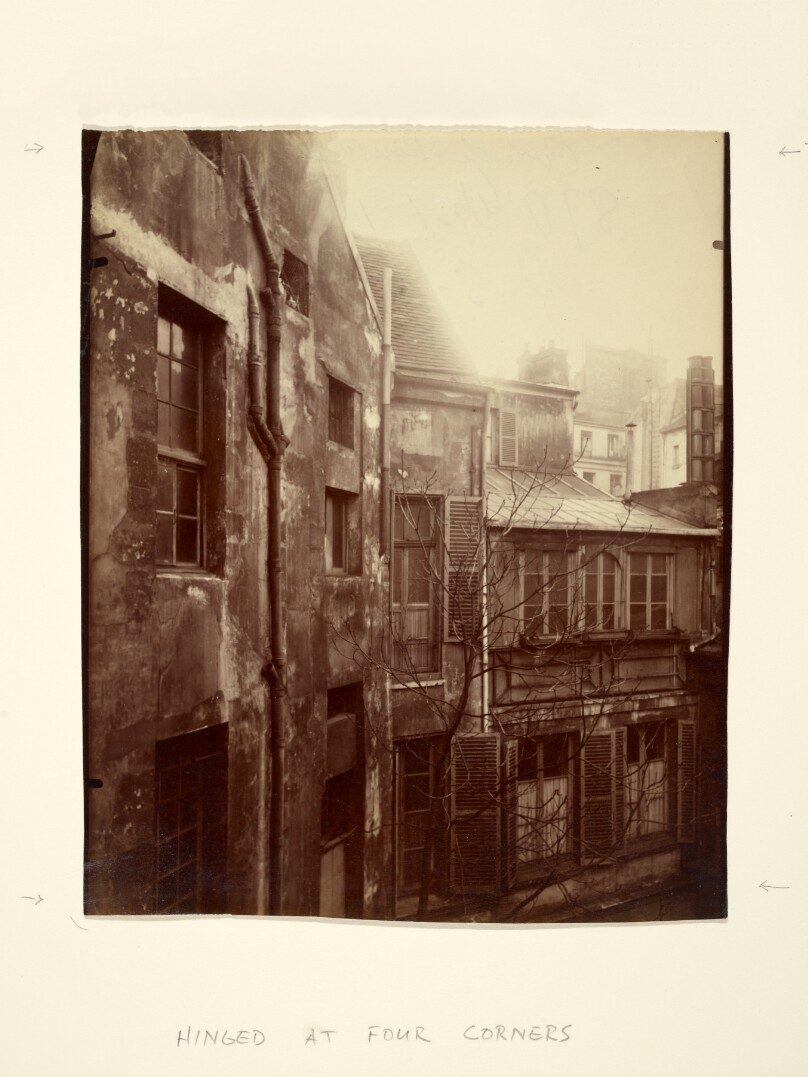
Cour de Rohan
Getty Museum
#33026b3f-cc52-42ae-abdd-04e460f59d80
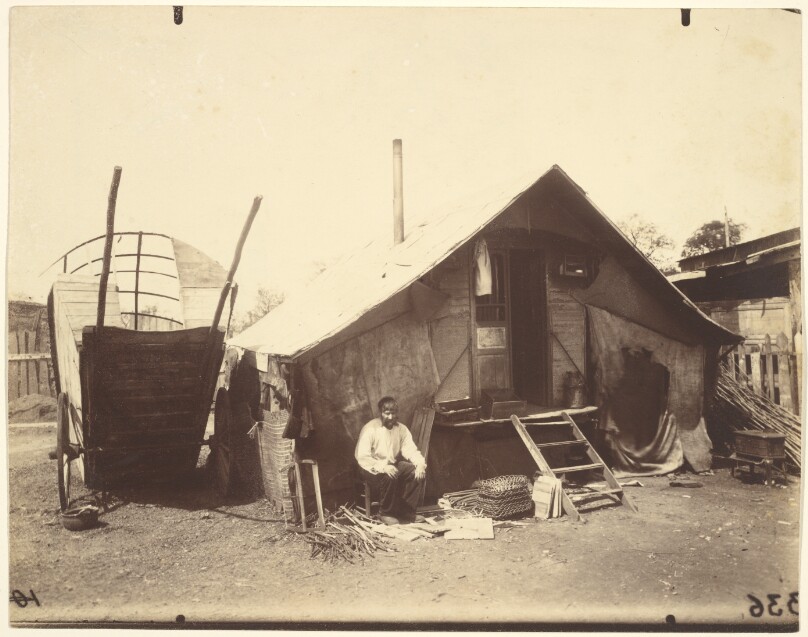
Porte d'Ivry, Zoniers
Getty Museum
#a1e8042e-61c8-4e10-812e-1c88a22b5a02
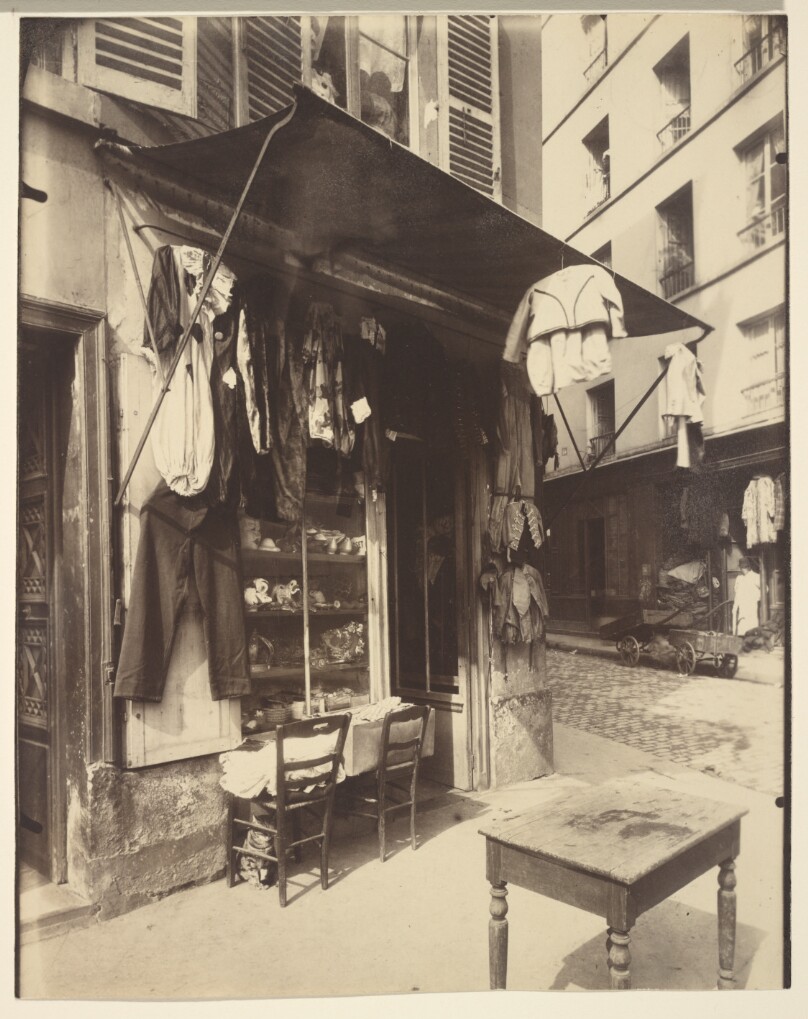
Rue de la Corderie
Getty Museum
#34daa4c0-ccde-4015-9daa-87b4bbf9eb5a
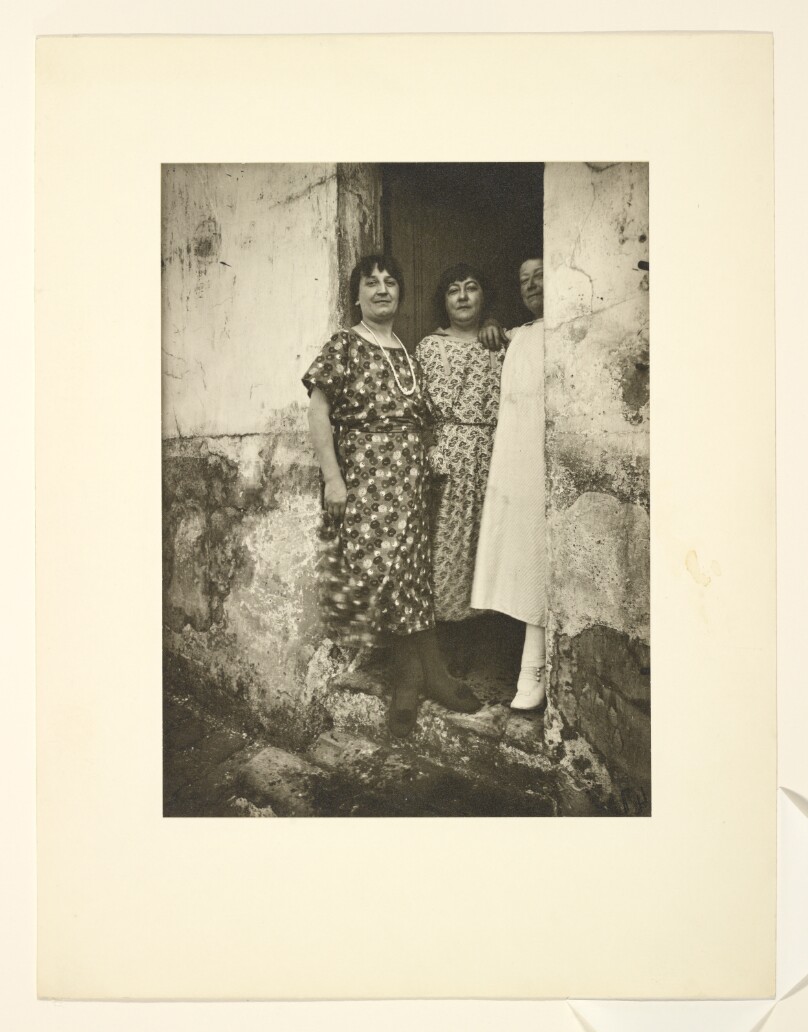
Rue Asselin
Getty Museum
#428f1f74-e02e-433b-a959-158b121e86cf
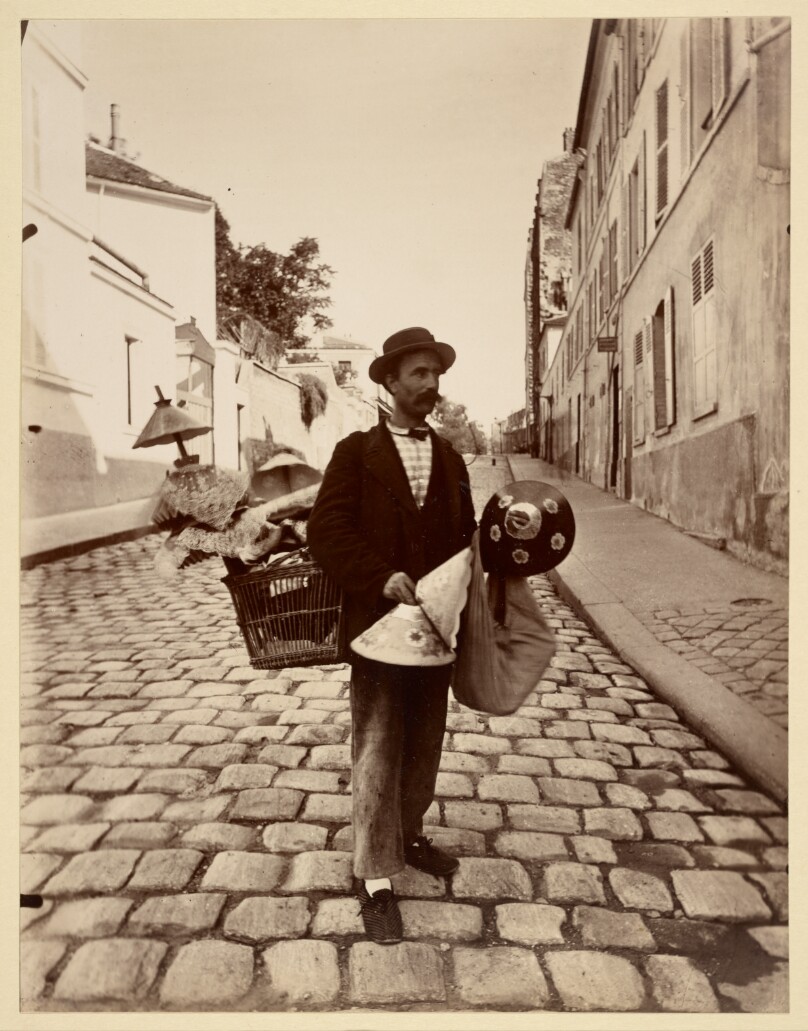
Marchand d'Abat-Jours
Getty Museum
#9af55b30-7b99-41d5-8d29-2f40437c679e
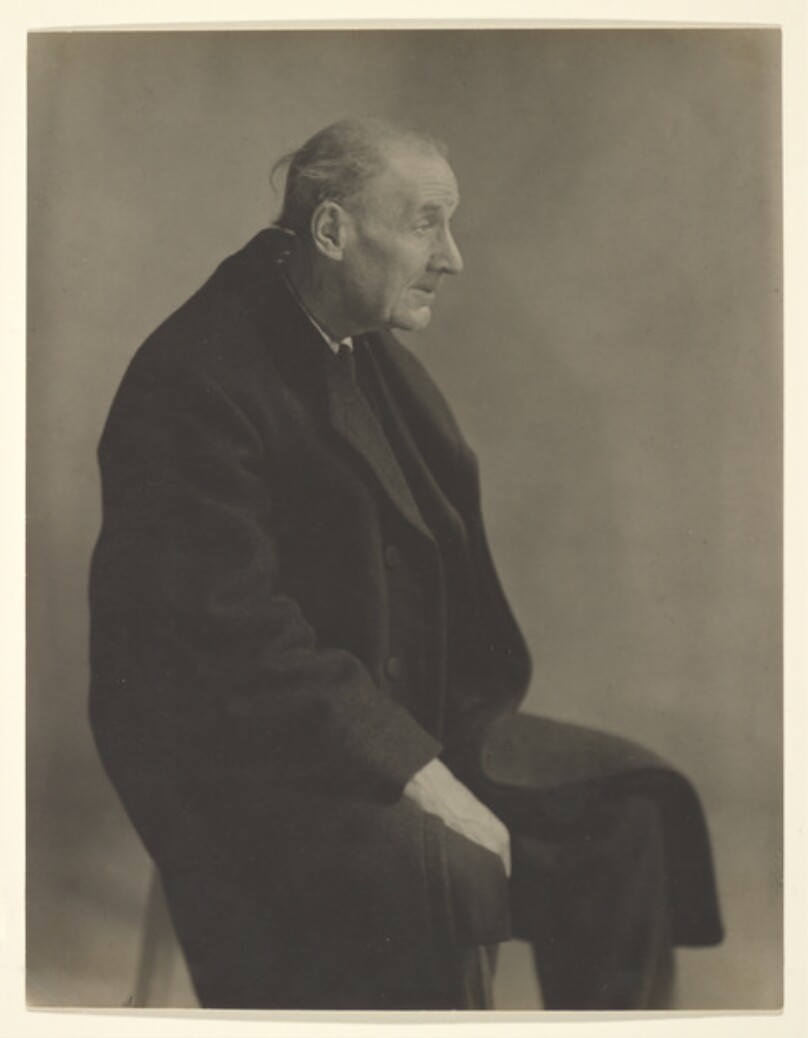
Eugène Atget
Getty Museum
#a20f21df-4acd-4bab-89dc-b7990a59086e
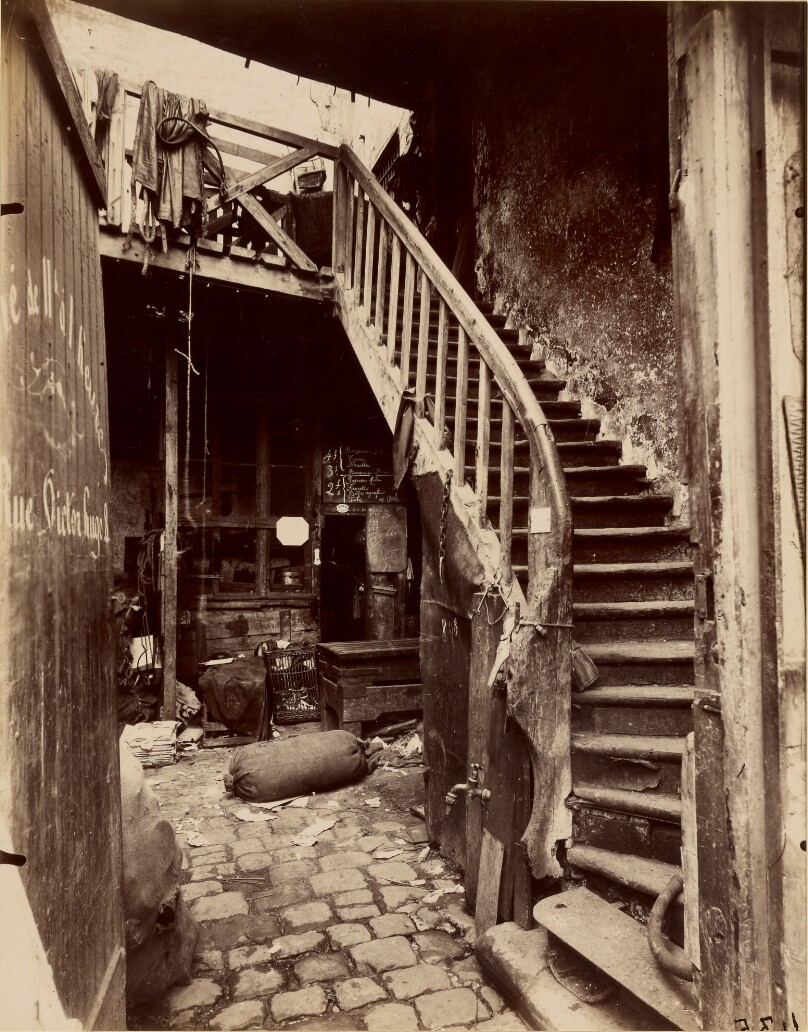
Cité Trebert, Porte d'Asnieres
Getty Museum
#7bbb7afa-d353-4219-851c-092806961893
![[Le petit Italien marchand de statuettes (Italian Statue Vendor)]](/api/proxy-image?url=https%3A%2F%2Fmedia.getty.edu%2Fiiif%2Fimage%2F89377d0b-9c0f-4b02-8d99-4c24d6e5223a%2Ffull%2F808%2C%2F0%2Fdefault.jpg)
[Le petit Italien marchand de statuettes (Italian Statue Vendor)]
Getty Museum
#86317df3-c8d6-4965-bb3d-eecbc5226e1e
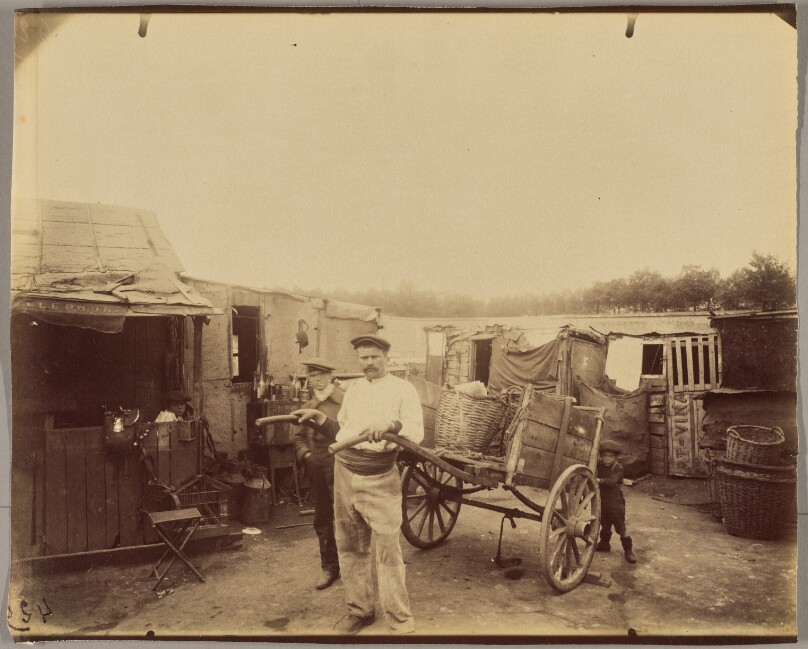
Poterne des Peupliers, zoniers
Getty Museum
#5ba84509-0718-49ad-9117-568a4dddea50