Getty Museum
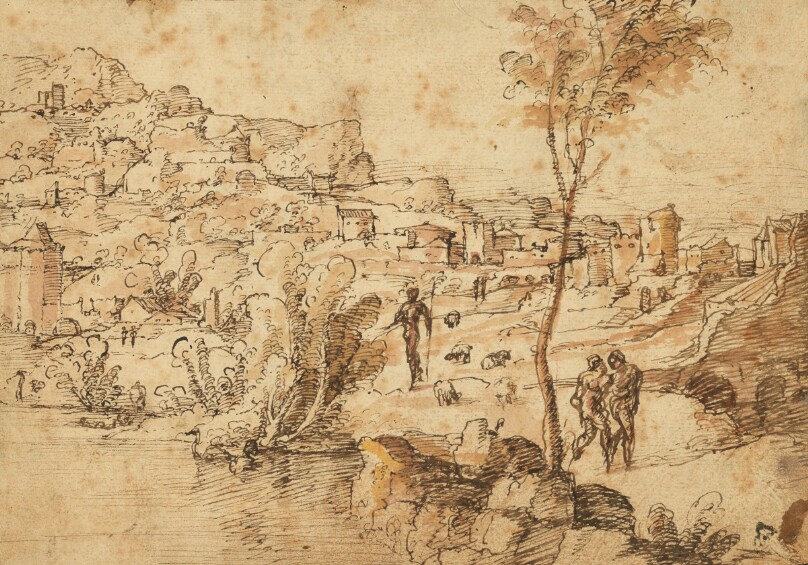
Landscape with Shepherds by a River and a Town Beyond (recto); Figure Studies and Roman Ruins (verso)
Creator
Jan van ScorelDutch Artist · 1495–1562
All works by this person →Humanist, musician, poet, amateur archaeologist, and clergyman, multi-talented Jan van Scorel was the first northern Netherlandish artist to absorb High Renaissance art in Italy and bring it home. He not only assimilated aspects of the figure styles of Michelangelo and Raphael but also created landscapes in the style of Giorgione. Van Scorel received his initial professional training in 1512 under
More on Getty ULAN- Date
- about 1525–1530
- Medium
- Pen and brown ink, brown, yellow, and light orange wash (recto);pen and brown ink over traces of black chalk (verso)
- Culture
- Dutch
- Department
- Drawings
- Institution
- Getty Museum
- Object ID
- edd07f1d-37ca-408a-8301-d811aa0c769c
From the Getty Museum record
Jan van Scorel orchestrated a multitude of media to create the carefully composed pastoral landscape on the recto. First, he lightly sketched the scene in brown ink and then liberally applied reddish wash and touches of yellow wash. Finally, he strengthened the composition with pen lines, including the foreground's rough, dense hatching and the invigorating half-moon squiggles of the vegetation. Van Scorel's lively pen work, combined with the colored washes, enhances the spatial recession and lends the sheet its dynamism. The yellow wash also evokes the sun-drenched tones of the Italian countryside. Van Scorel was the first northern Netherlandish artist to absorb the influence of Italian High Renaissance art in its native country. In Italy he learned the elements of Italian Renaissance approach to landscape painting, an idealized vision of Roman antiquity where shepherds tended flocks in serene, hilly terrain. This drawing is a type of imaginary scene known as a pastoral--"pastor" meaning "herdsman"-- landscape. On the verso, a pyramid and other classical ruins are sketched in light brown ink; two muscular, draped male figures, perhaps river gods, are drawn in darker brown ink below.
The authoritative record is held by Getty Museum. LinkedCulture surfaces this object and its connections; it does not alter institutional metadata.
Get printable QR codesHide QR codes
Open QR codes for this object page and the museum record. They stay collapsed until needed.
Related across collections
Semantically similar works from Getty Museum and other institutions.
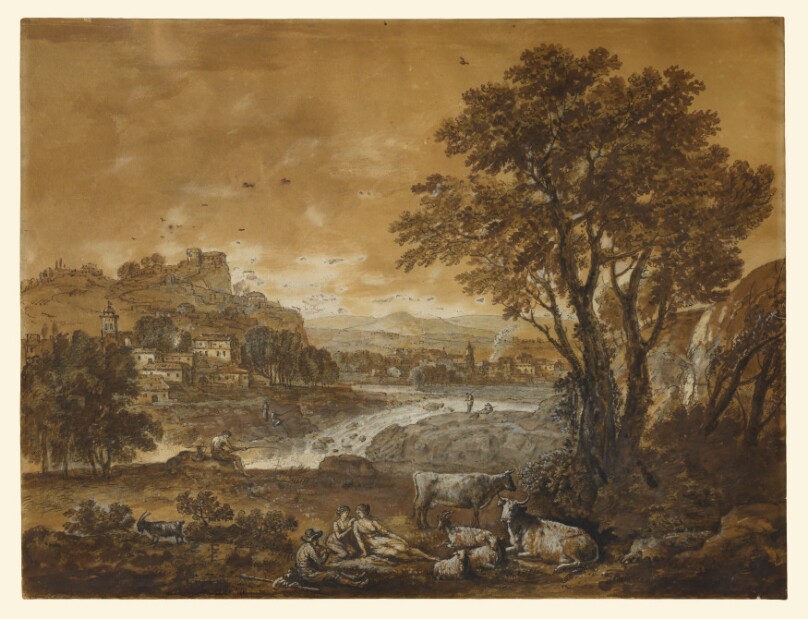
A Landscape with Shepherds Resting Under a Tree by a Cascade (recto); Sketch of a Landscape (verso)
Getty Museum
#764771e0-ea83-4642-ba86-70e540133a4e
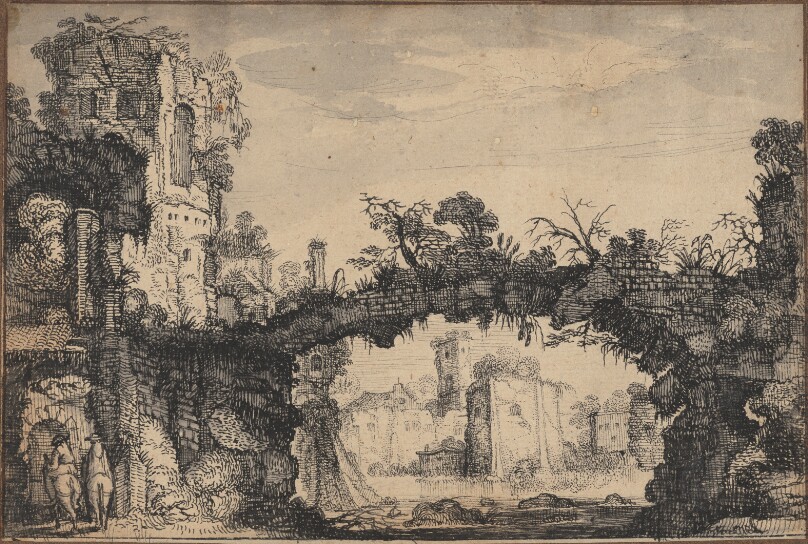
Landscape with Ruins (recto); Head of a Woman and Animals (verso)
Getty Museum
#e5e47d05-8c01-464c-a876-d67e80394d7b
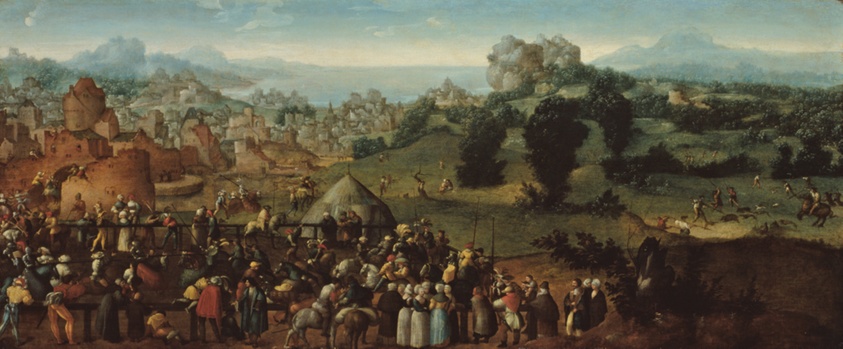
Landscape with Tournament and Hunters
Art Institute of Chicago
#110527
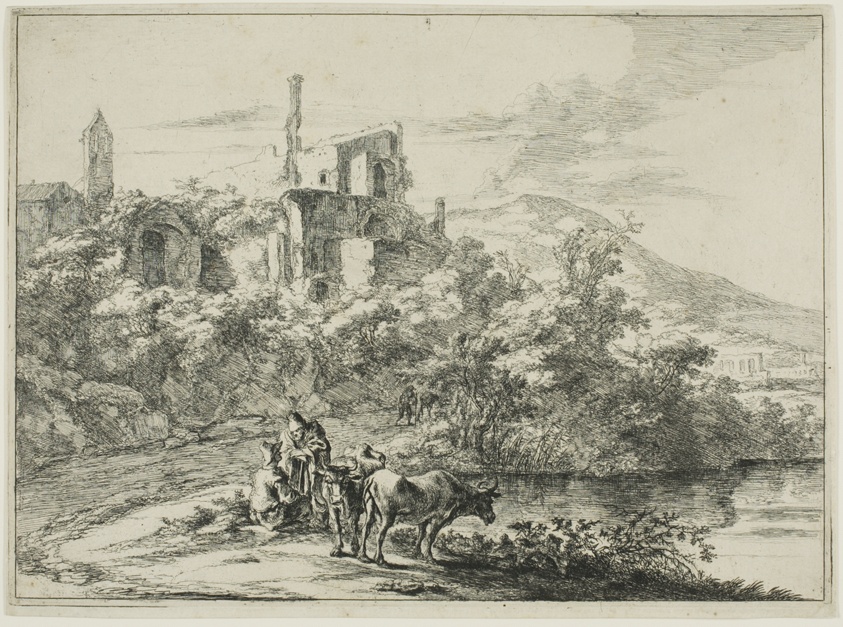
Landscape with Ruins and Two Cows at the Waterside, from a series of four horizontal Roman Landscapes
Art Institute of Chicago
#12578
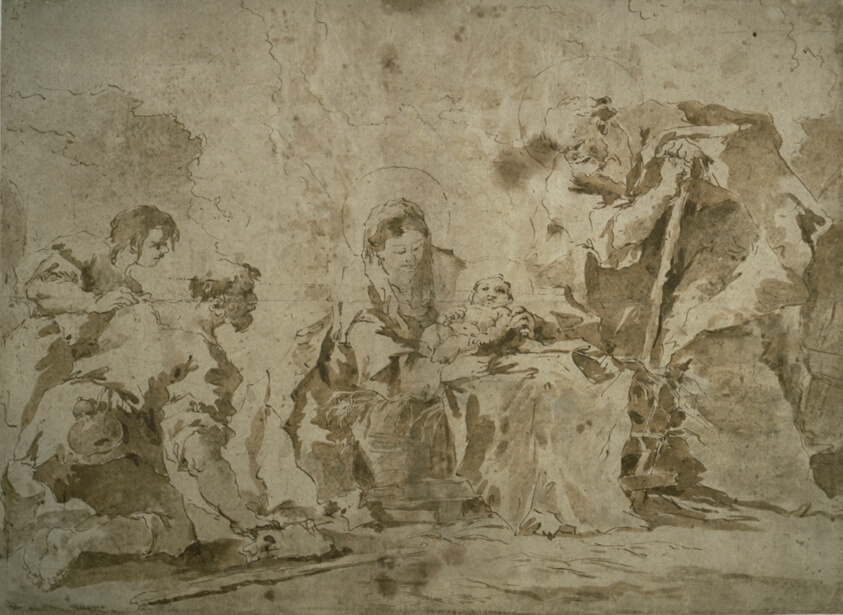
Adoration of the Shepherds (recto); Three Sketches: Buildings by Canal with Boats, Landscape with Buldings on Hillside, Buildings with Portico (verso)
Art Institute of Chicago
#113588
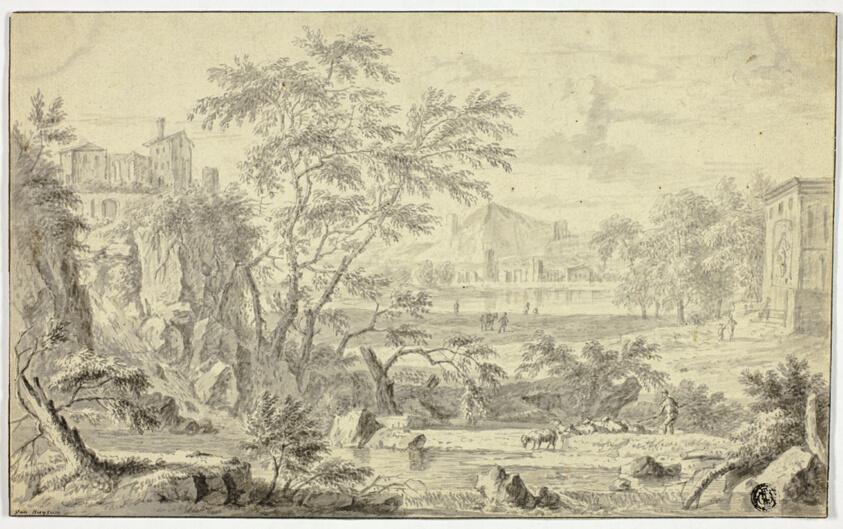
Italianate Landscape with Shepherd and Flock by Stream, Town in the Distance
Art Institute of Chicago
#83793
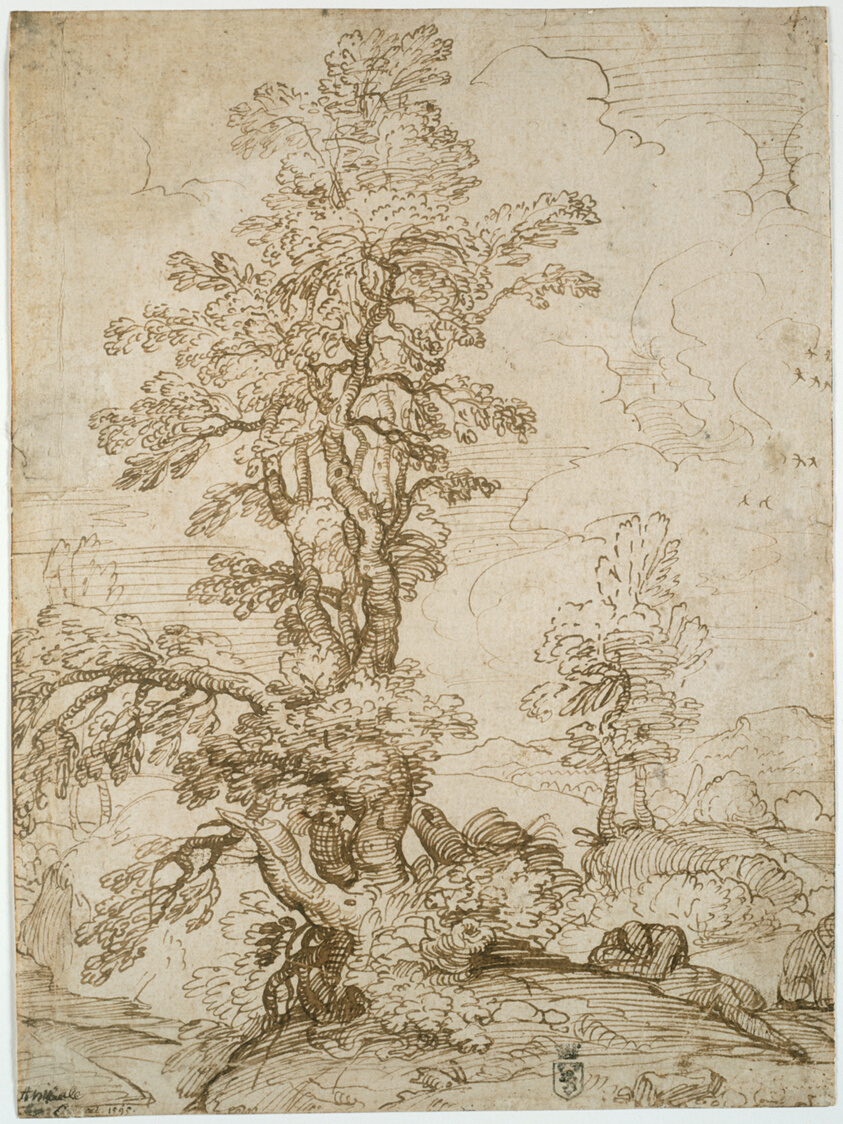
Landscape with Man Sleeping beneath Tree (recto); Landscape with a Horseman (verso)
Art Institute of Chicago
#149025
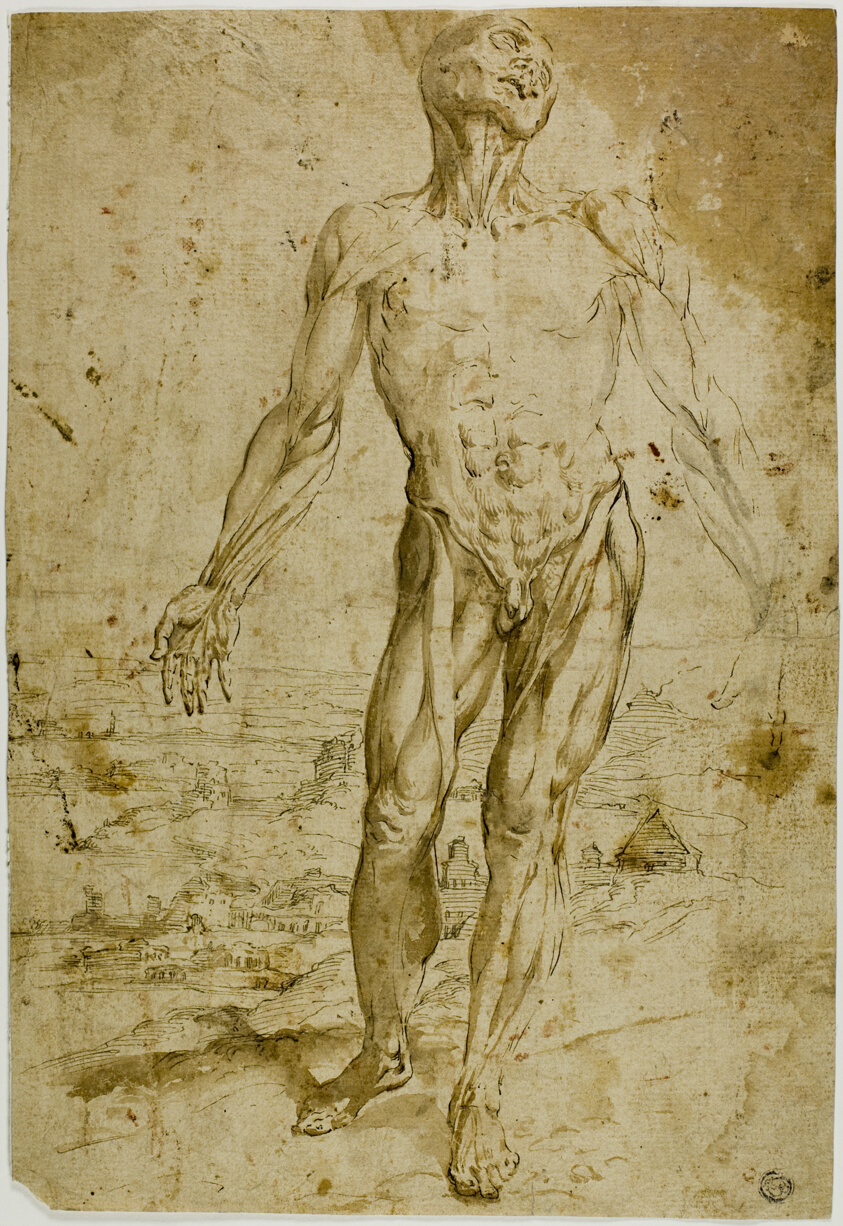
Écorché before Landscape (recto); Sketches of Standing Male Nude, Seated Child, Stooping Woman (verso)
Art Institute of Chicago
#112172
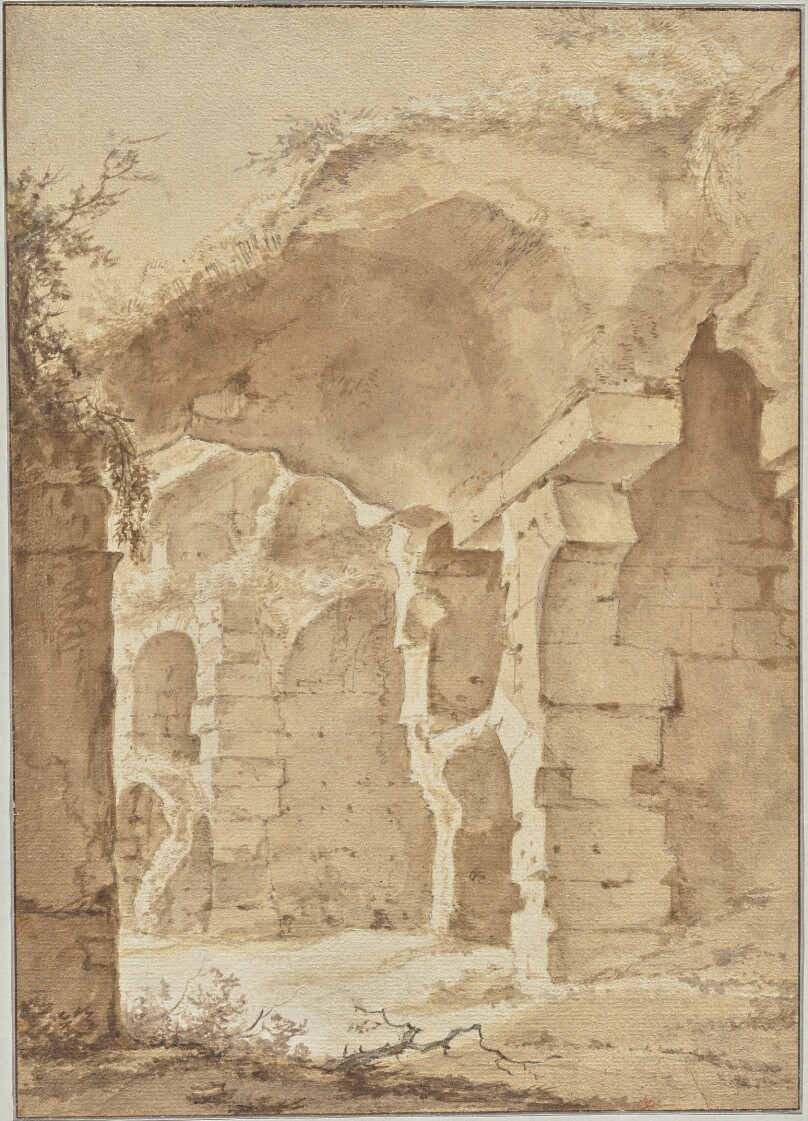
Antique Ruins (recto); An Animated Landscape (verso)
Getty Museum
#da8c1780-bb89-4d5a-8ad3-6b2964be7e98
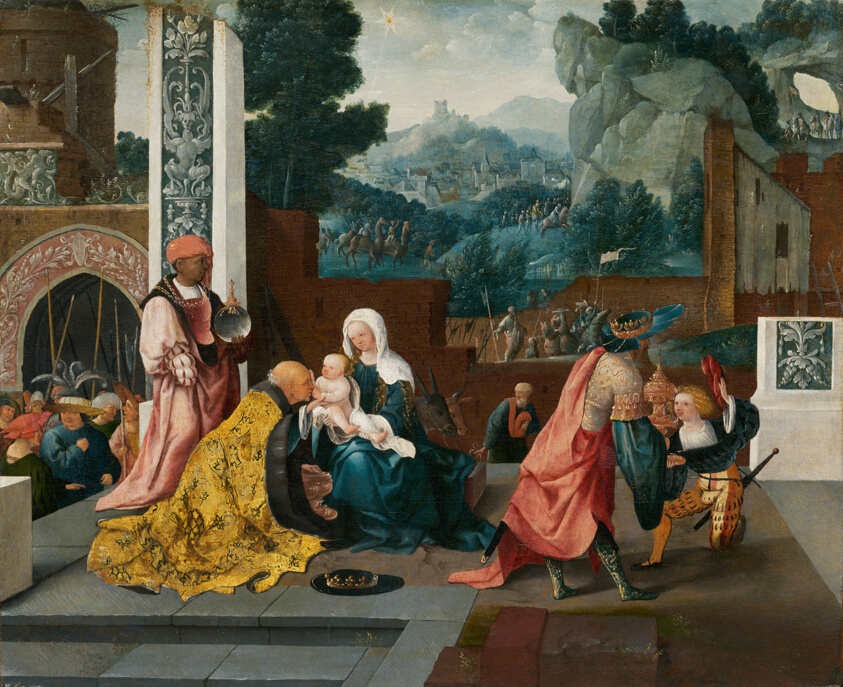
Adoration of the Magi
Art Institute of Chicago
#21937
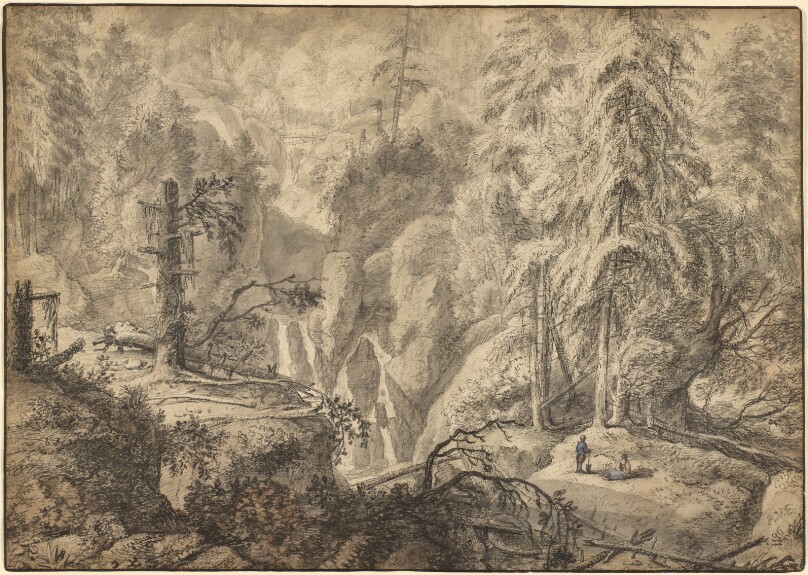
Mountain Landscape, Peasants in a Clearing near a Waterfall (recto); Landscape Sketch (verso)
Getty Museum
#8a848aa2-2924-4596-ba3d-6cf2334c1c88
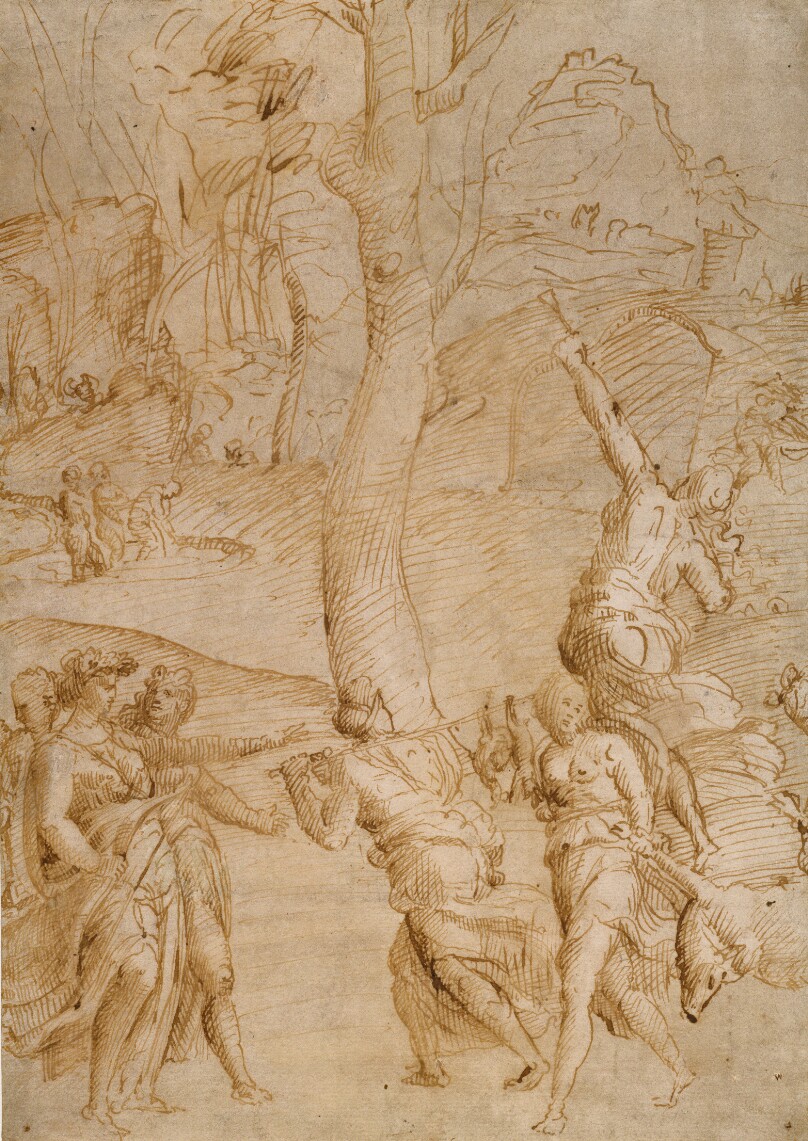
Hunting Scene (recto); Two Studies of a Pair of Reclining River-Gods (?), a Sarcophagus Front (?) verso
Getty Museum
#27261eda-c670-4406-bf7e-8626e1332a2d