
Minneapolis Institute of Art
Providence parlour
United States (Rhode Island)LinkedCulture matchlcp-32df0e1e0ef3
- Date
- c. 1760–70
- Medium
- Pine
- Department
- Arts of the Americas
- Institution
- Minneapolis Institute of Art
- Object ID
- 14019
From the Minneapolis Institute of Art record
This architecturally important room was the informal parlor of a house built in about 1772 in Providence, Rhode Island. Other rooms from the house are owned by the Brooklyn Museum and the Denver Art Museum. The house, while modified, still stands on North Main Street (then King Street). The classically inspired front doorway of the house includes an impressive arched pediment above Corinthian pilasters. The design of the doorway and the paneled interior of the parlor, with dentil molding and elaborate triangular pediment, were taken from popular 18th-century pattern books, including Batty Langley's widely circulated The Builder's Compleat Assistant (London, 1738). The original owner of the house was Joseph Russell, a prosperous merchant in the West Indies trade who sold exotic goods. Russell's daughter, Susan Conde Russell, married John Corlis in 1790, and shortly thereafter acquired her father's home. Installed in 1923, the Providence Parlor was the first American period room in the Minneapolis Institute of Art, and was originally furnished by the Friends of the Institute. Through later restorations to its original paint color and proportions, the Providence Parlor provides a rare glimpse into the life of the Russell-Corlis family in late-18th-century New England. United States, Americas
The authoritative record is held by Minneapolis Institute of Art. LinkedCulture surfaces this object and its connections; it does not alter institutional metadata.
Get printable QR codesHide QR codes
Open QR codes for this object page and the museum record. They stay collapsed until needed.
Provenance & credit
As published by the source institution. Coverage varies — not every institution's open-data feed includes ownership history.
- Credit line
- The William Hood Dunwoody Fund
Related across collections
Semantically similar works from Minneapolis Institute of Art and other institutions.

Plate
Minneapolis Institute of Art
#55662
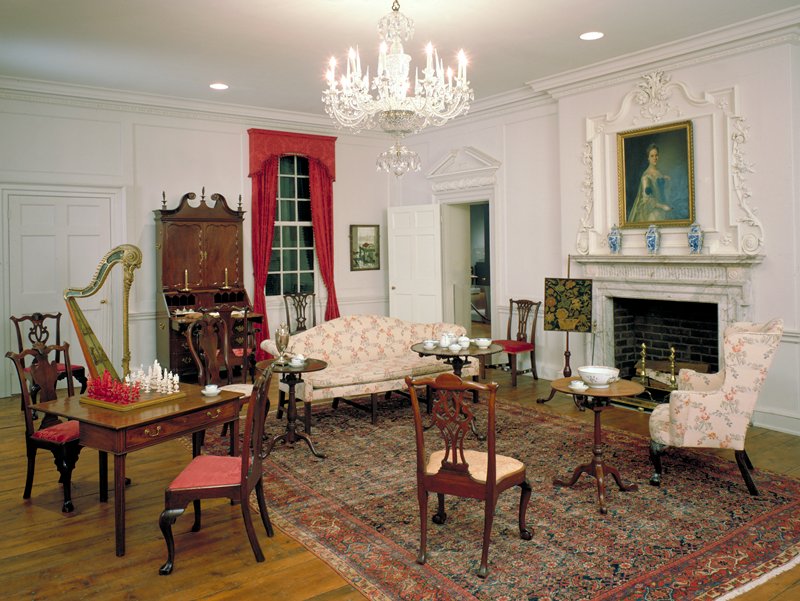
Charleston Drawing Room
Minneapolis Institute of Art
#8024
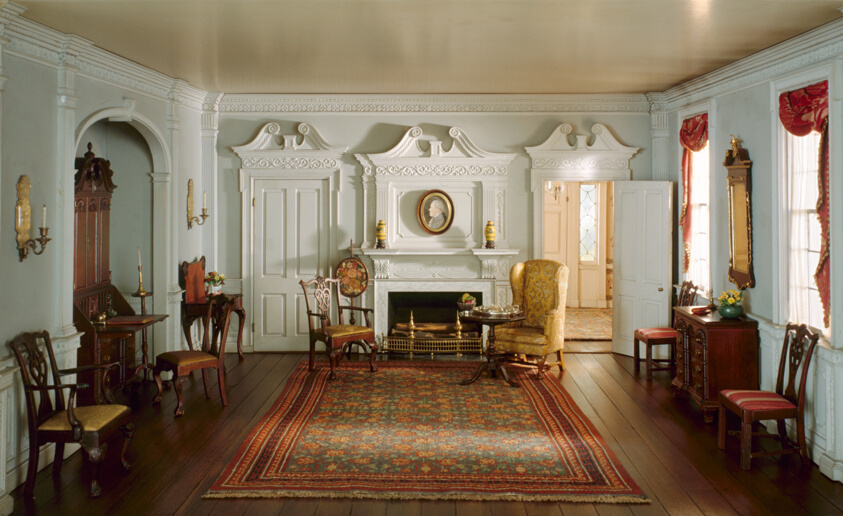
A11: Rhode Island Parlor, c. 1820
Art Institute of Chicago
#45345
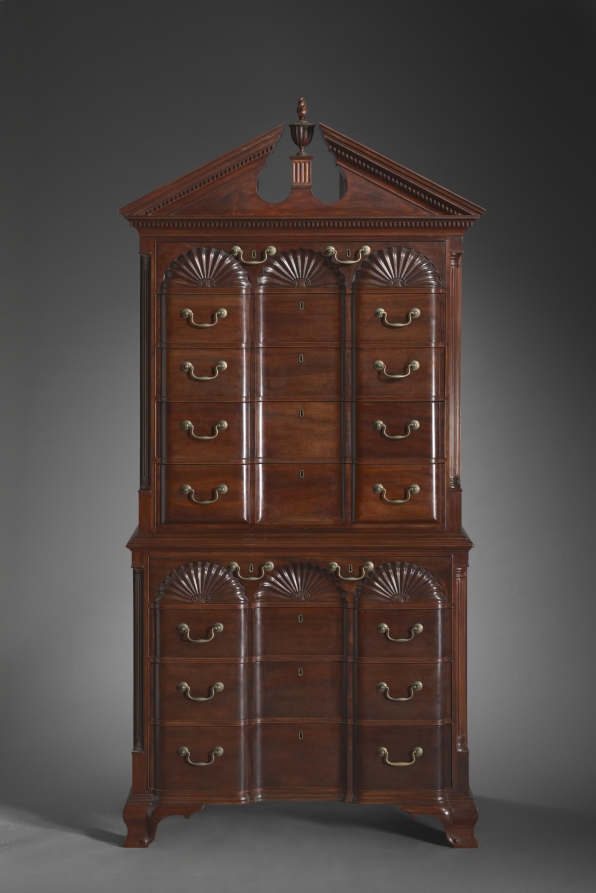
Chest-on-Chest
Cleveland Museum of Art
#148728

Connecticut room
Minneapolis Institute of Art
#8278

Charleston dining room
Minneapolis Institute of Art
#8010

Frank Lloyd Wright Hallway
Minneapolis Institute of Art
#19689

Armchair
Minneapolis Institute of Art
#23273
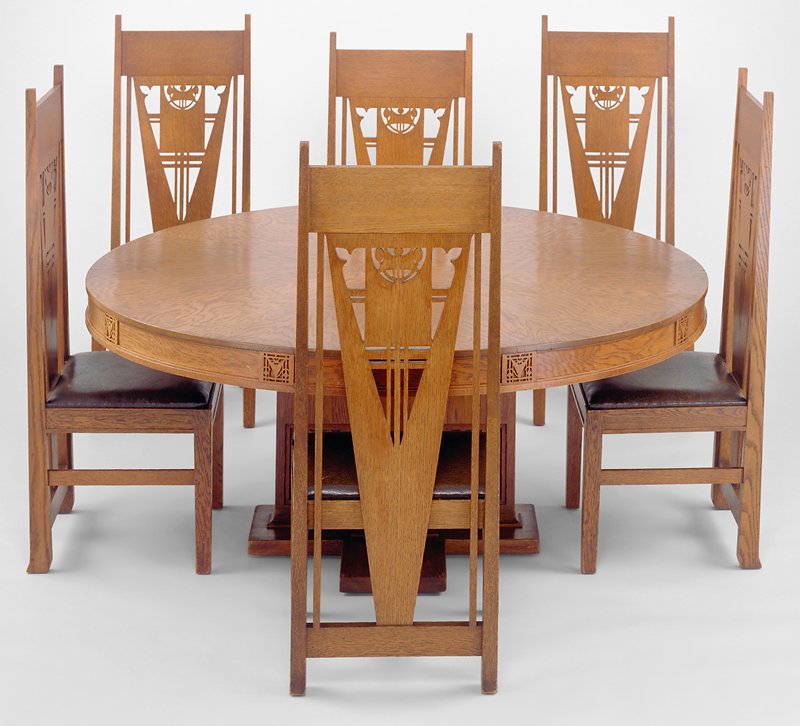
Dining table
Minneapolis Institute of Art
#10037

Dressing bureau
Minneapolis Institute of Art
#12832

Fretwork panel
Minneapolis Institute of Art
#98519
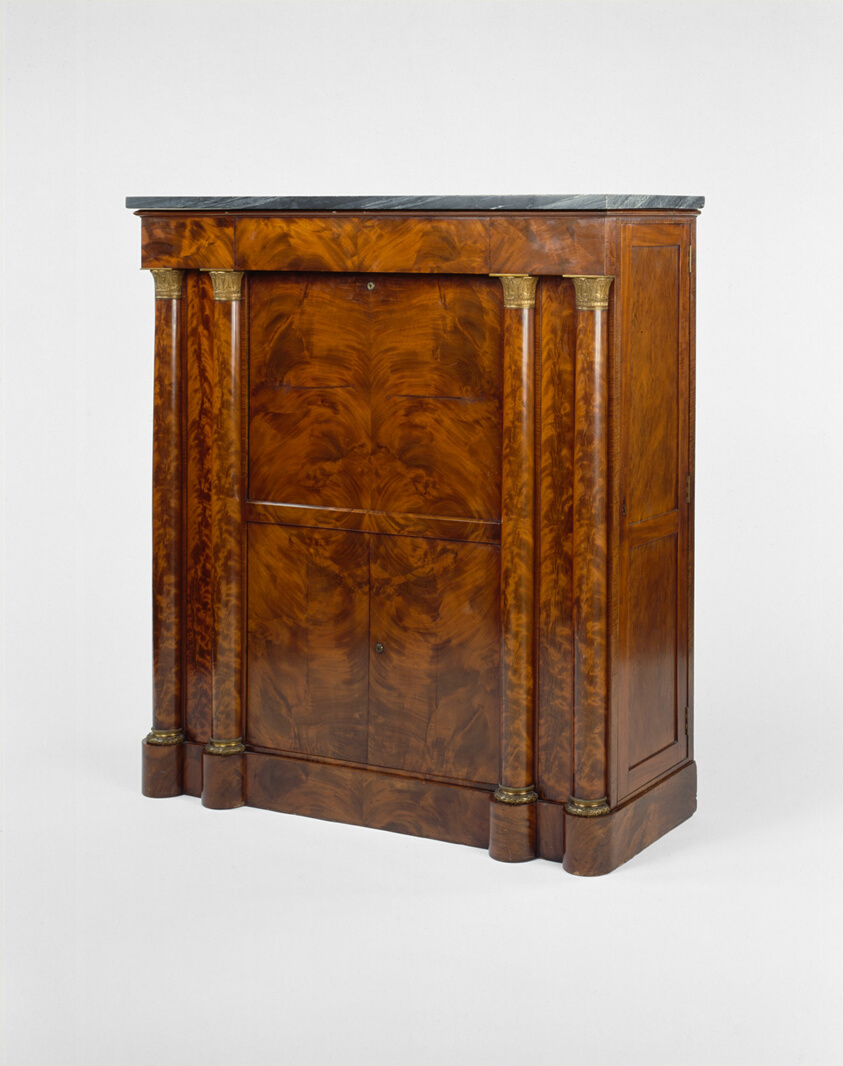
Secrétaire à abattant
Art Institute of Chicago
#100054