Museo Egizio
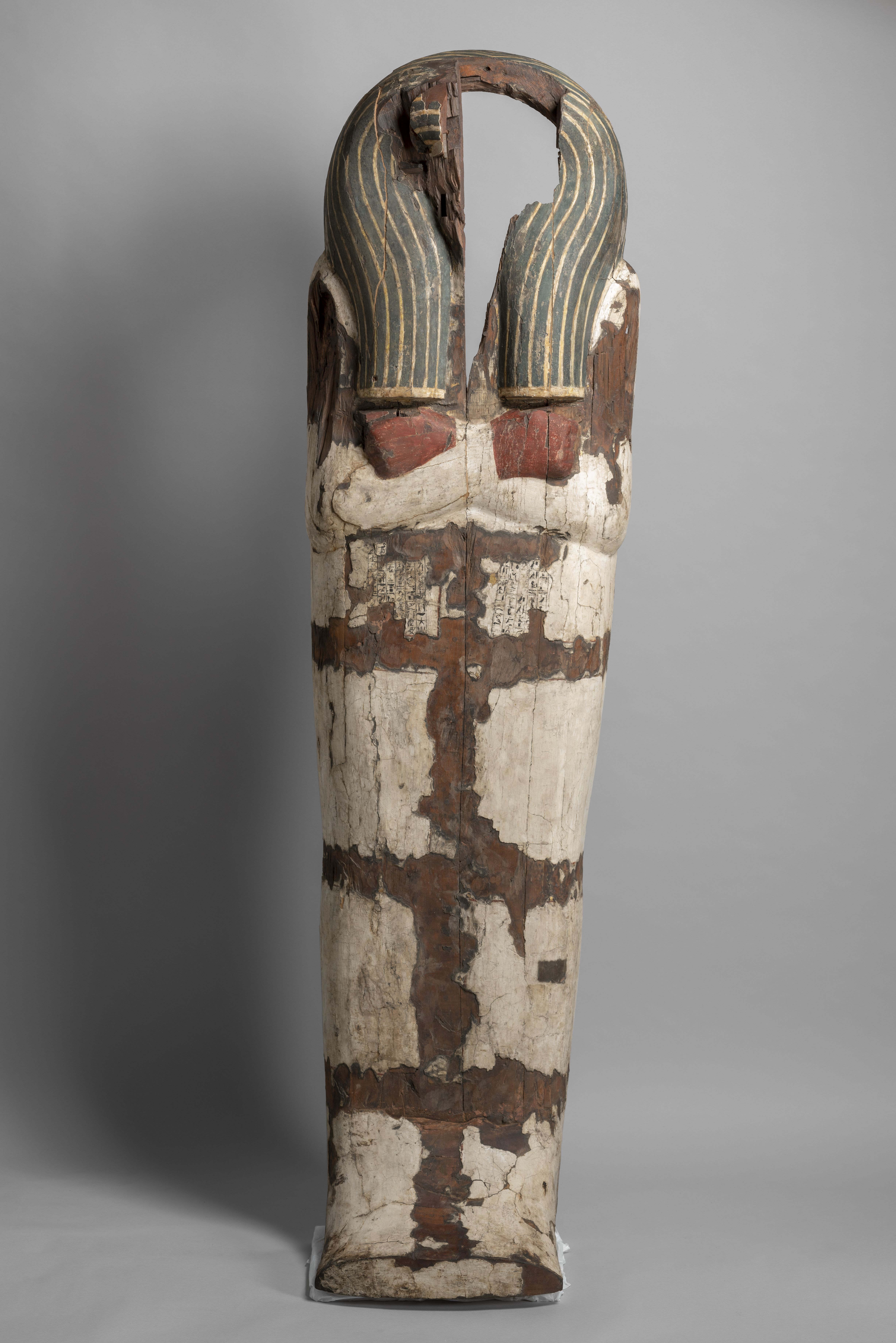
Anthropoid coffin of Puia
- Date
- 1500–1450 BCE
- Medium
- Wood
- Culture
- Egyptian
- Department
- Museo Egizio, Turin
- Institution
- Museo Egizio
- Object ID
- Provv_718
From the Museo Egizio record
“Anthropoid” coffins, that is, coffins with the lid shaped in the image of the mummy, gradually replace rectangular coffins starting from about 1800 BC. This specimen belonged to a man named Puia. Its inscriptions do not mention his titles, but he was quite probably the like-named father of the high official Puyemre, second priest of Amon under the woman pharaoh Hatshepsut (1479-1458). It was found by the Egyptologist Robert Mond in a shaft grave not far from the tomb of Puyemre and later purchased by Ernesto Schiaparelli. The burial had been plundered in pharaonic times, when robbers were only interested in precious materials, not in artifacts per se. They stripped away the gold-leaf necklace and gold-leaf imitation mummy-bands inscribed in hieroglyphs. One of the inlaid glass eyes, which the thieves had forgotten or dropped, was recovered by Mond in the tomb. The face and hands were painted in red. At the head and feet are the goddesses of mourning, Isis and Nephthys. On both sides, painted in blue, are the funerary gods Osiris and Anubis (second and fourth figure), alternating with the Four Sons of Horus (first and third figure): Amset and Duamutef on the right, Hapy and Qebehsenuf on the left. This “incomplete symmetry” is typical of Egyptian art. On both sides of the head is a chapel door surmounted by a Horus eye and the shen sign. The mummy (not found), originally lay on the ladder-shaped support. Dimensions: 61.5 cm x 47.5 cm x 225 cm. Museum location: Museum / Floor 3 / Writing Gallery / Showcase 14. Image views available: 6.
The authoritative record is held by Museo Egizio. LinkedCulture surfaces this object and its connections; it does not alter institutional metadata.
Get printable QR codesHide QR codes
Open QR codes for this object page and the museum record. They stay collapsed until needed.
Places this record points to
- Sheikh Abd el-Qurna — Luxor, EgyptMatched from the record’s own words: “Egypt, Luxor / Thebes, Sheikh Abd el-Qurna”
Related across collections
Semantically similar works from Museo Egizio and other institutions.
Anthropoid coffin with lid of Tabakenkhonsu (2 pieces)
Museo Egizio
#Cat_2226_02
Anthropoid intermediate or false lid of Tabakenkhonsu
Museo Egizio
#Cat_2226_01
Lid of the sarcophagus of Djehutymes, chief steward of the temple of Amun
Museo Egizio
#Cat_2204_01
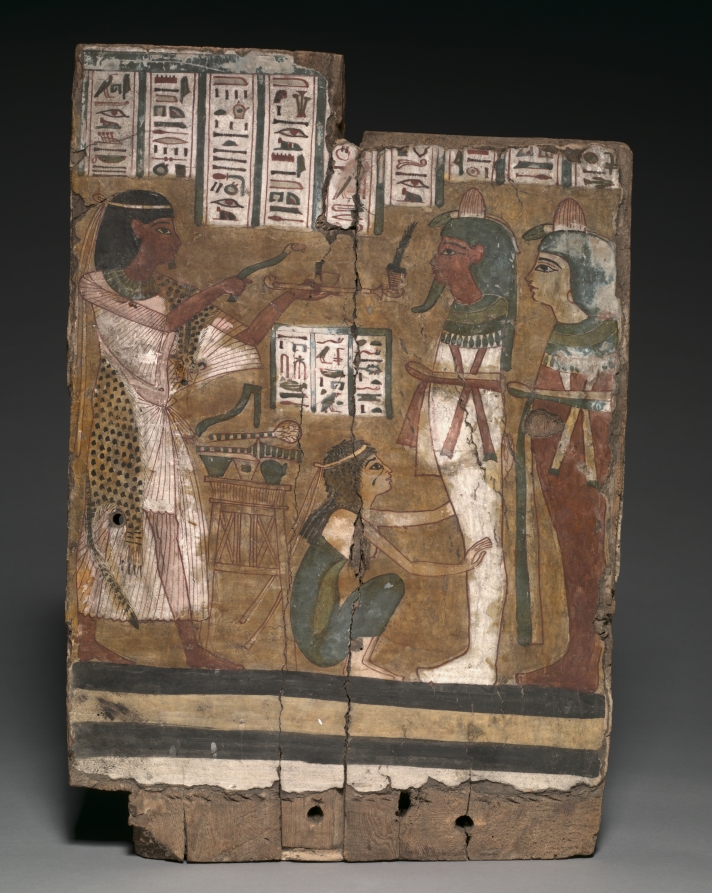
Side Panel from the Coffin of Amenemope
Cleveland Museum of Art
#102385
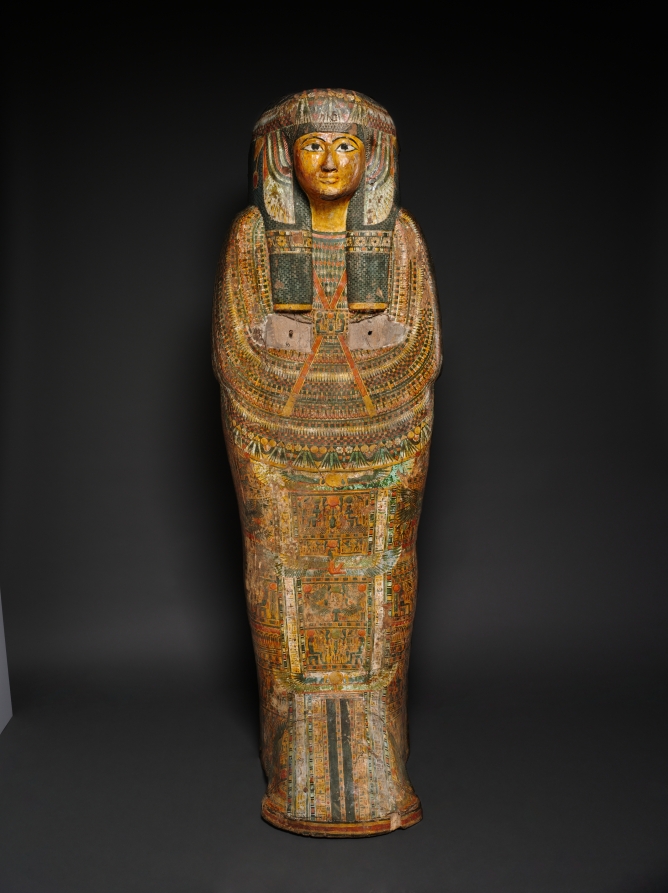
Coffin of Nesykhonsu (lid)
Cleveland Museum of Art
#94190
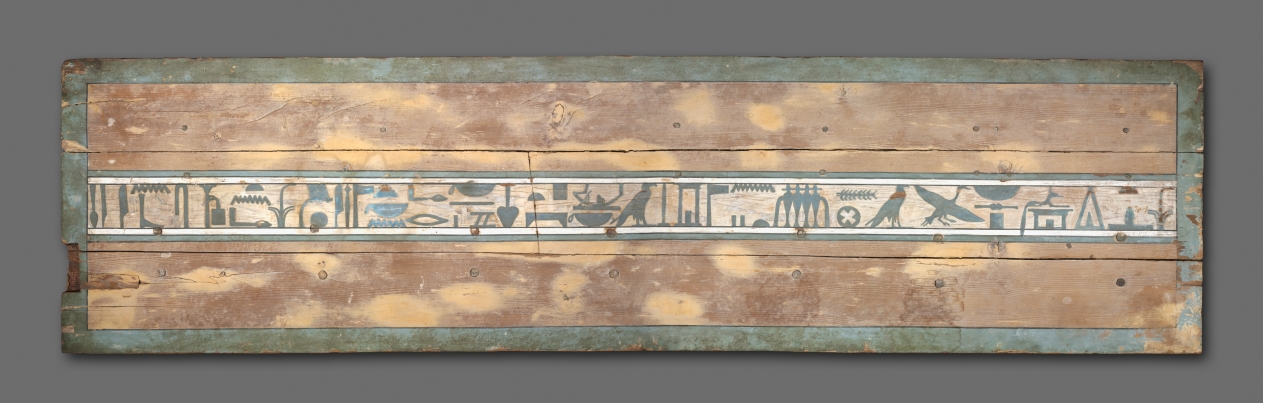
Coffin of Senbi (Lid)
Cleveland Museum of Art
#94194
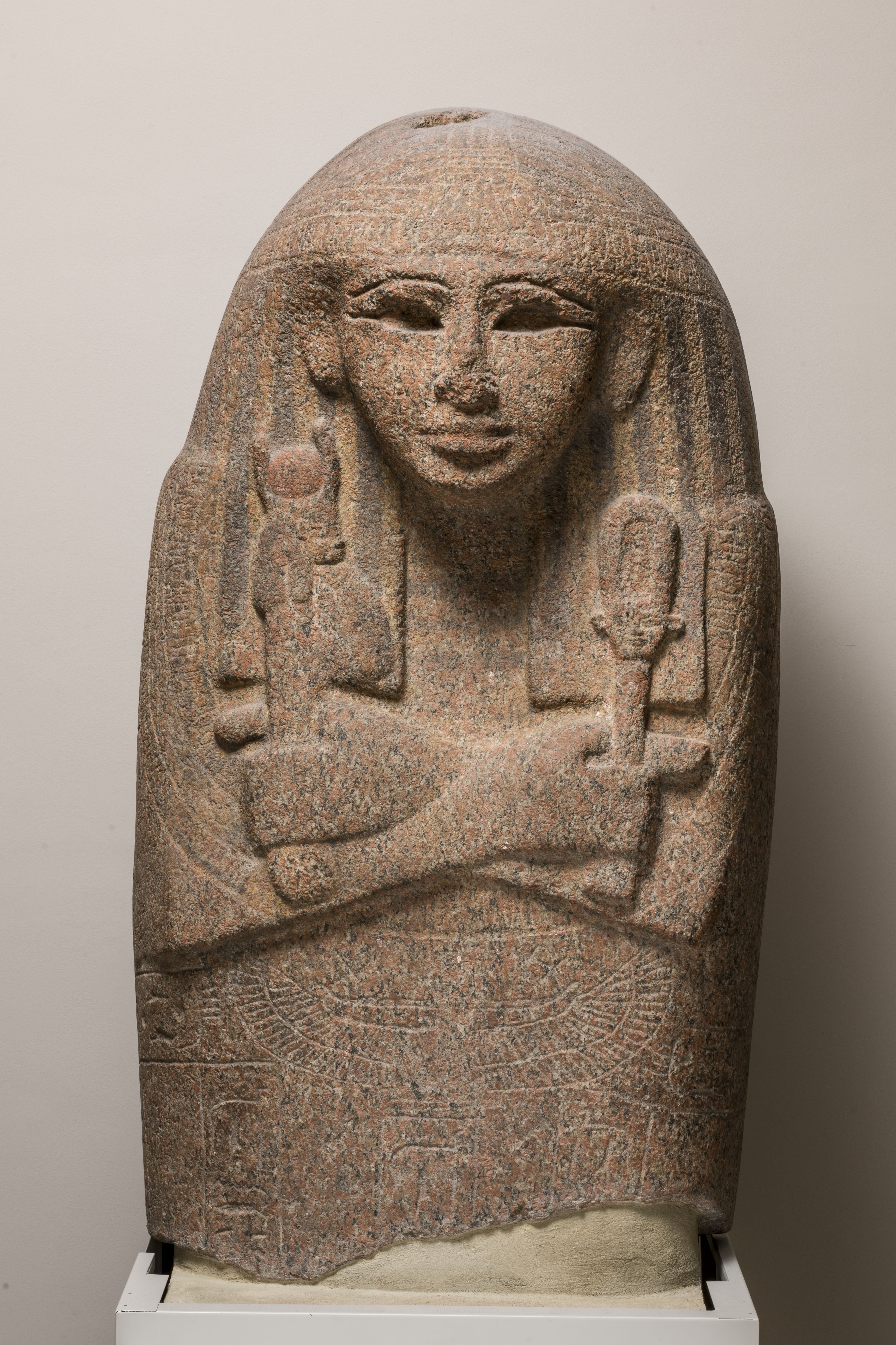
Lid of the sarcophagus of Aset, singer of Amon and wife of Djehutymes
Museo Egizio
#Cat_2205
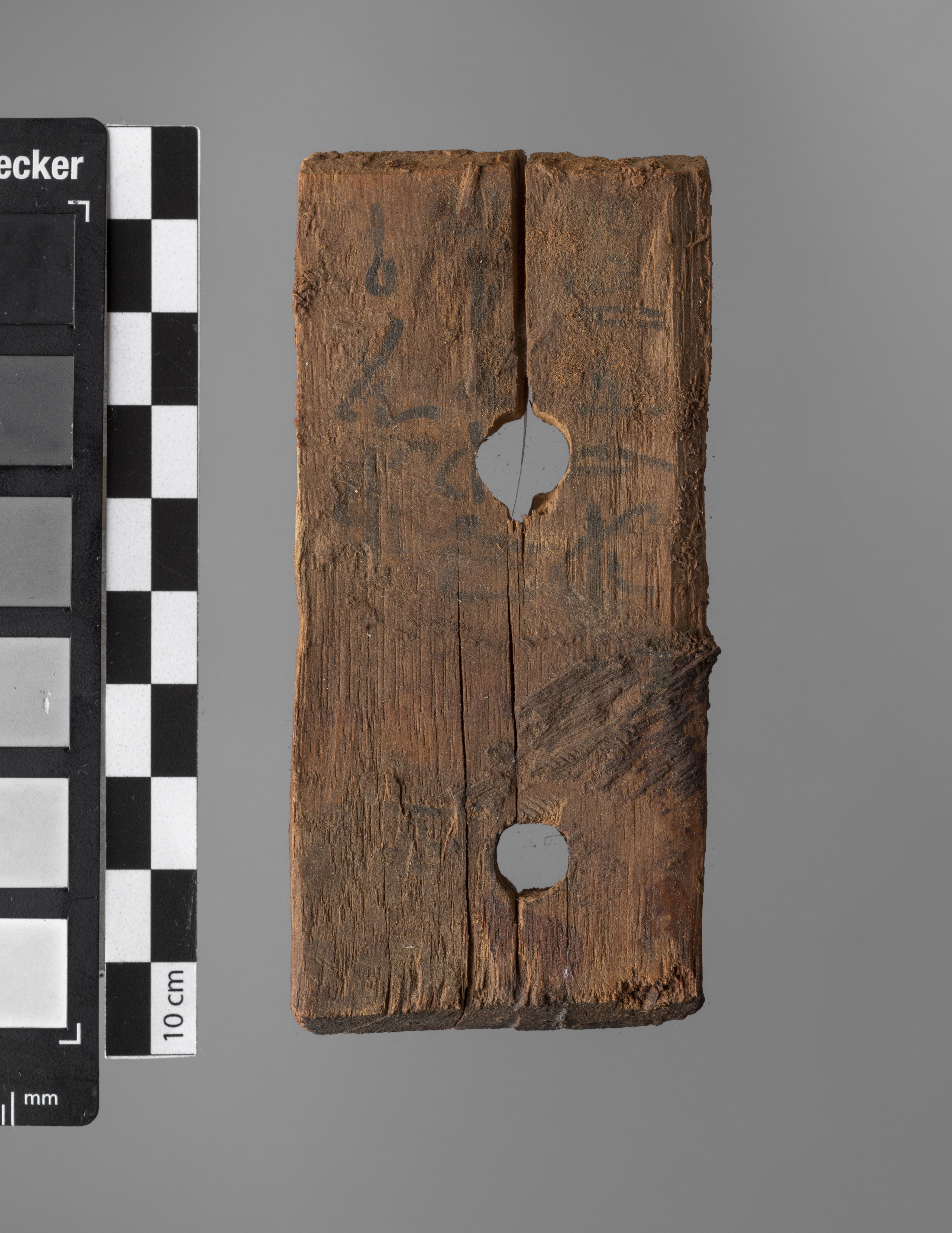
Inscribed fragments of the coffin of Puia
Museo Egizio
#Provv_718_02
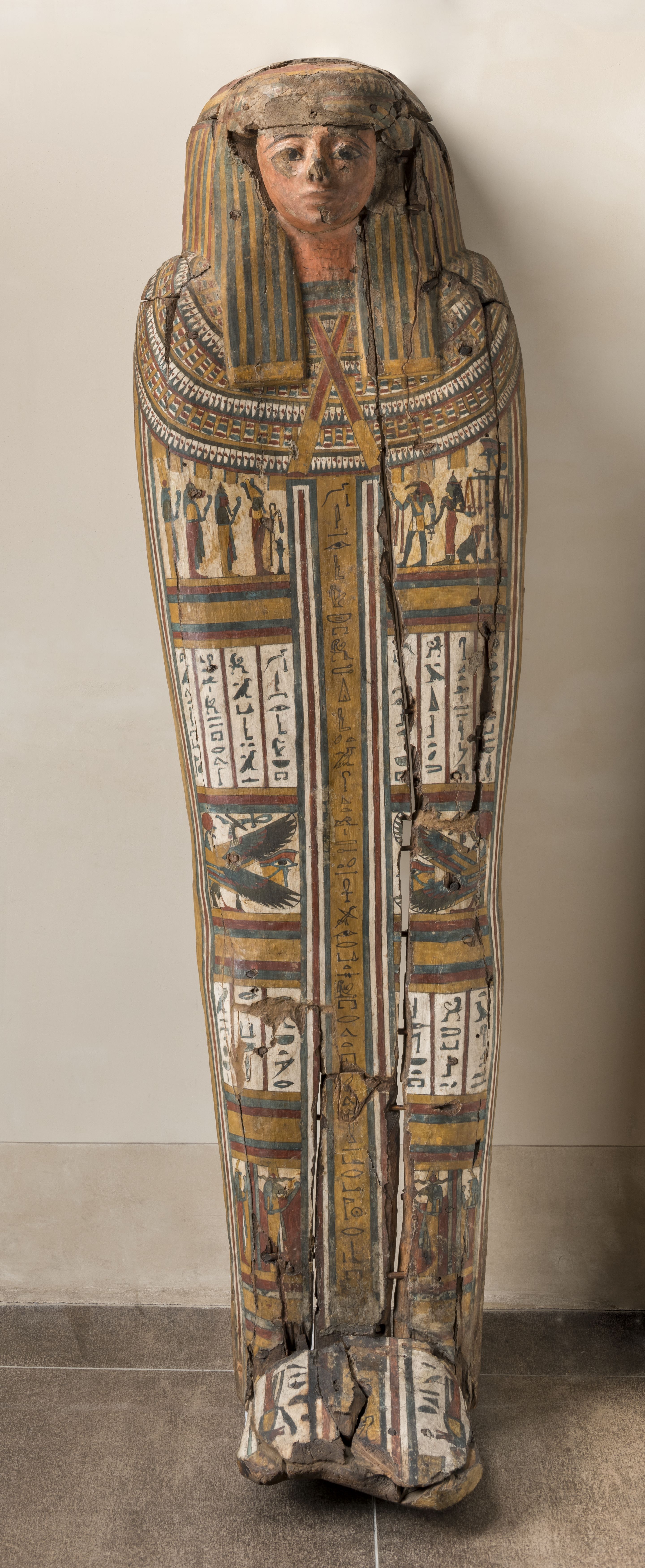
Lid of the coffin of Tadiaset-taheket
Museo Egizio
#Suppl_5244

Lid of the inner coffin of Butehamon
Museo Egizio
#Cat_2237_01
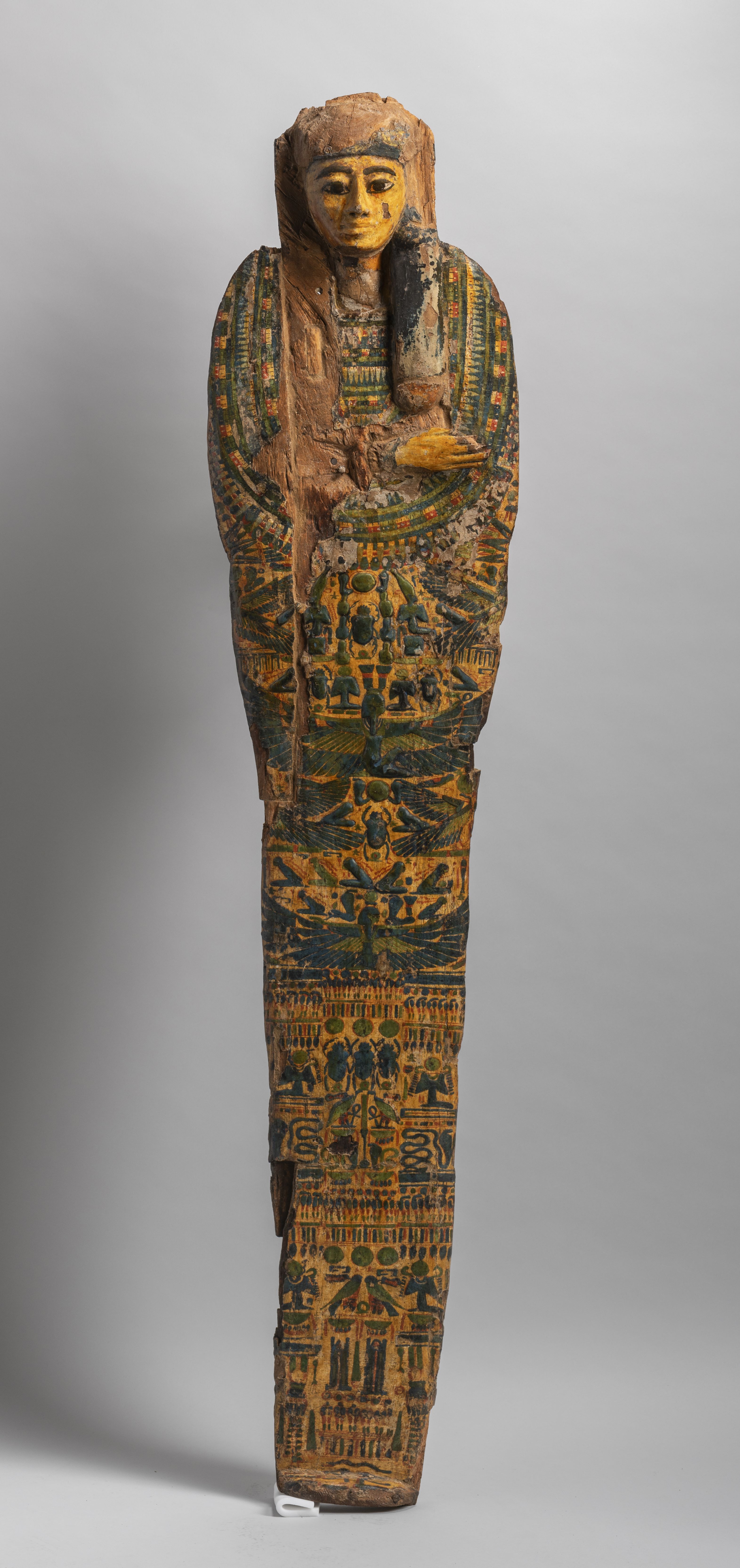
False lid of the coffin of Tamutmutef, songstress of Amun
Museo Egizio
#Cat_2228_02
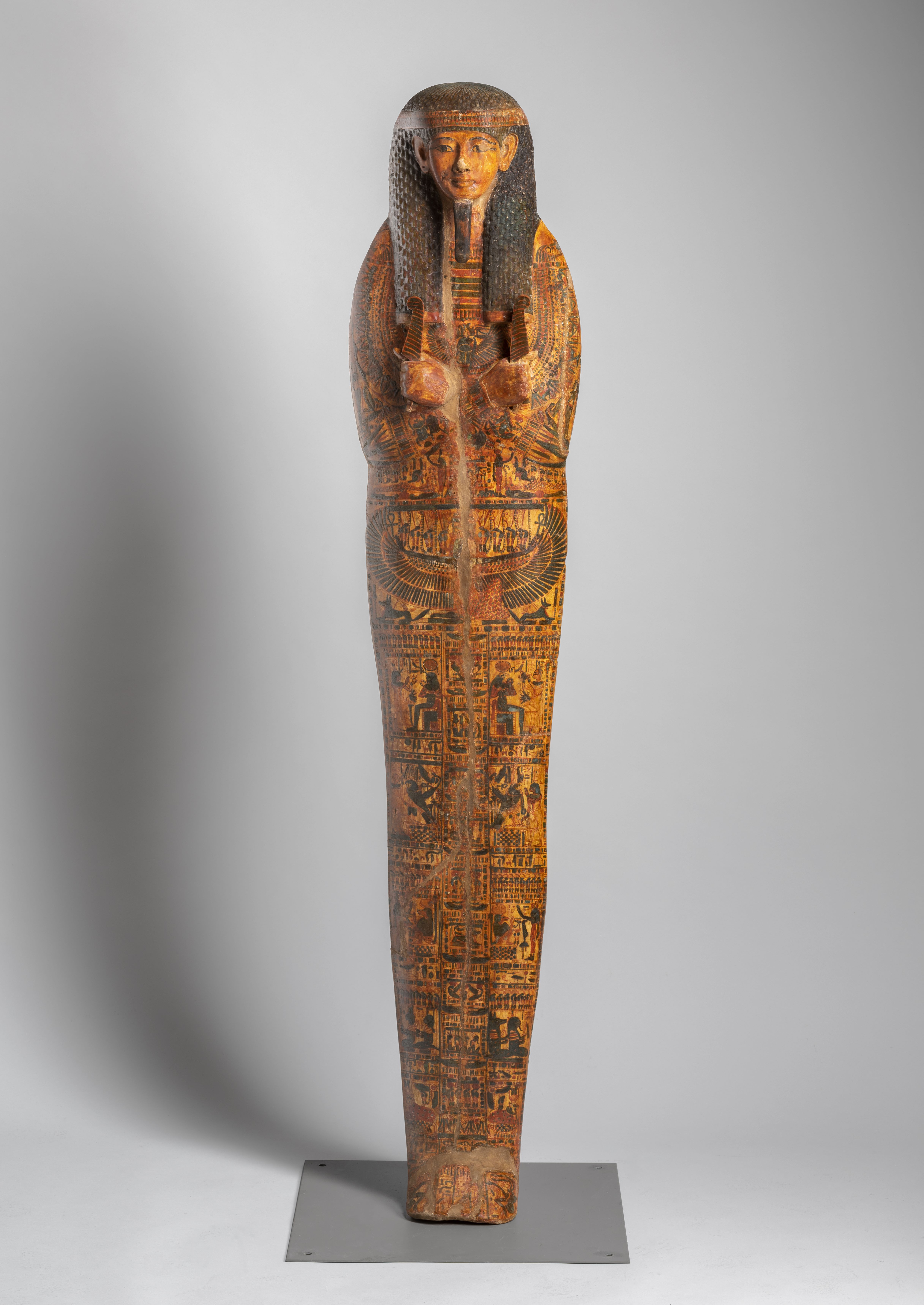
Mummy board from the coffin of Butehamon
Museo Egizio
#Cat_2237_03