Art Institute of Chicago
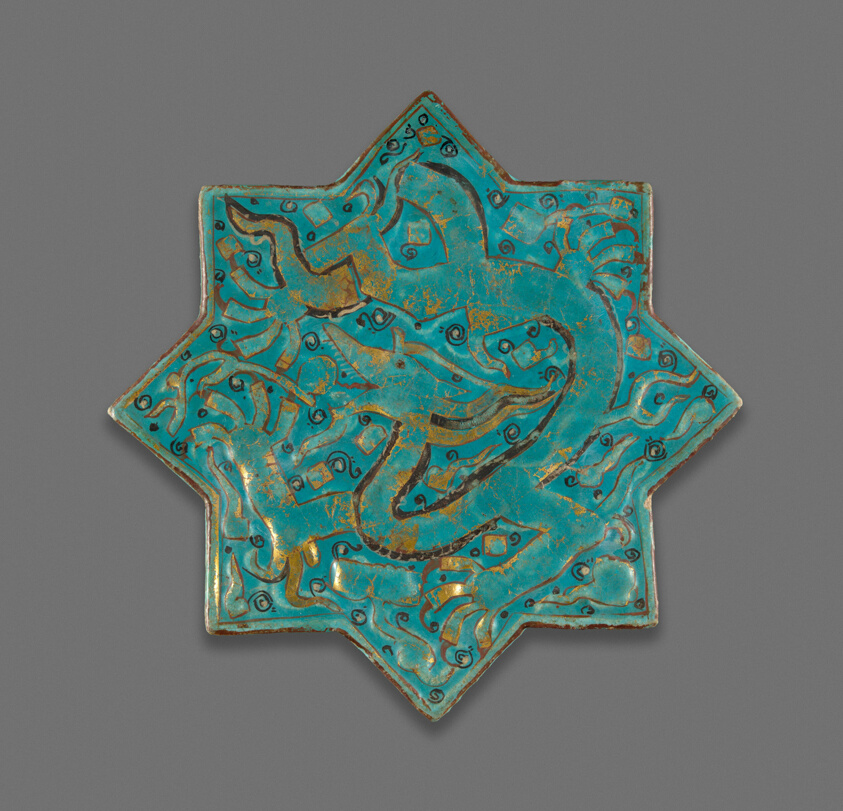
Star-Shaped Tile with a Dragon
Iran
- Date
- Ilkhanid dynasty (1256–1353), Late 13th century
- Medium
- Molded fritware with enamel and gold leaf decorations and turquoise glaze
- Culture
- Iran
- Department
- Arts of Asia
- Institution
- Art Institute of Chicago
A raised dragon decorates this eight-pointed star tile produced during the Ilkhanid period, a time when the Mongol dynasty controlled northwest Iran. Chinese dragons were common motifs of Ilkhanid ceramics, and their presence reveals the influence of East Asian visual culture on Iranian ceramics at this historical moment. Although the dragon motif may have been borrowed from afar, the method of production was local to Iranian potters. The lajvardina technique, used to create the rich colorful effect of this tile, involved a process of dual firings and was developed in Kashan during the Ilkhanid period. A solid underglaze base of cobalt blue, turquoise blue, or white would be applied as a first layer. Overglaze painting was then used in black, white, and red enamels with highlights of gold during a second firing. Numerous tiles with dragons were found at Takht-i Sulayman, the summer palace constructed in the 1270s for Abaqa, the Mongol Ilkhan. Tiles served decorative and architectural purposes during the Ilkhanid period. An eight-pointed star tile such as this one might have been combined with other tiles to decorate the interior walls of buildings.
The authoritative record is held by Art Institute of Chicago. LinkedCulture surfaces this object and its connections; it does not alter institutional metadata.
Linked open data
Authority identifiers that link this record into the wider web of cultural data — stable references you can follow to the source.
- Object type
- AAT300190691
Related across collections
Semantically similar works from Art Institute of Chicago and other institutions.
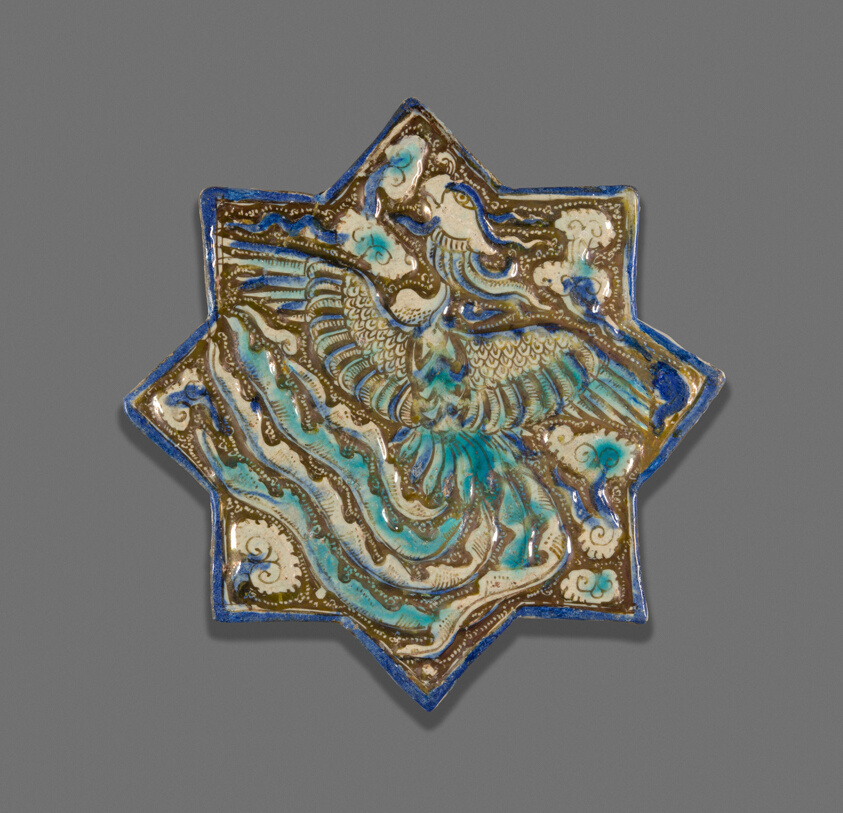
Star-Shaped Tile with Phoenix
Art Institute of Chicago
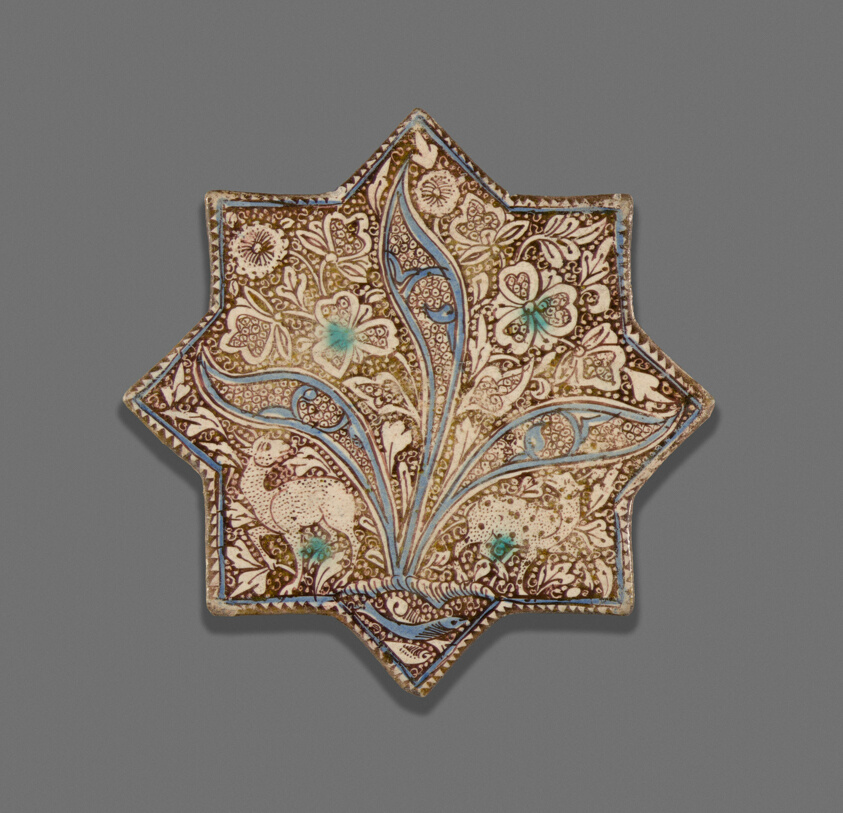
Star-Shaped Tile
Art Institute of Chicago
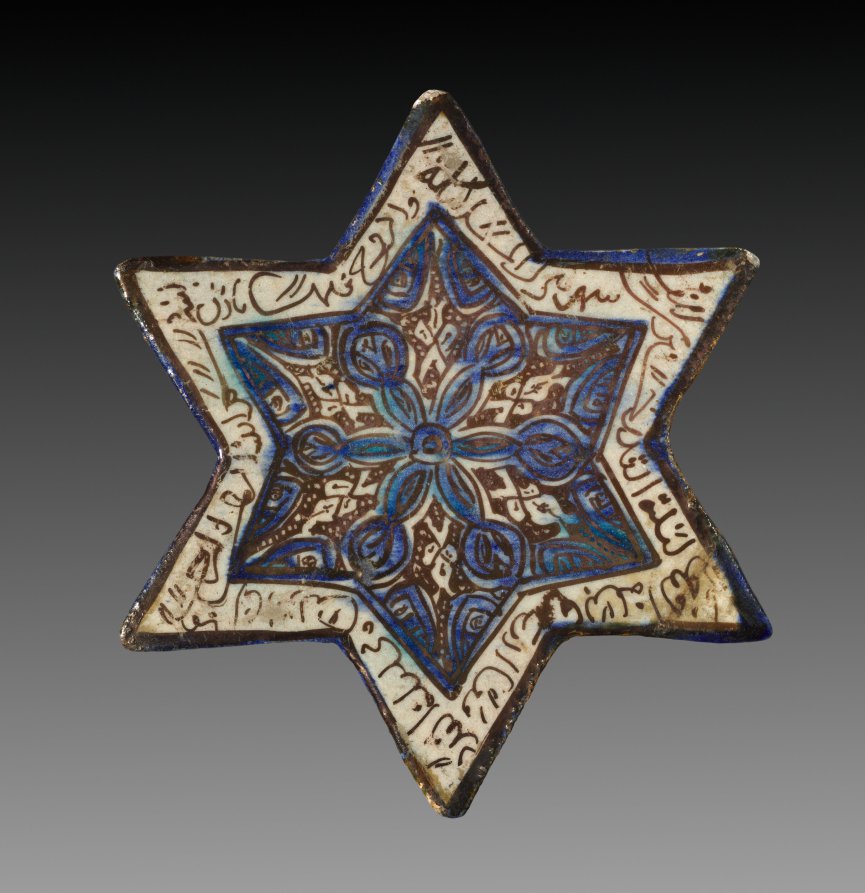
Wall Tile
Cleveland Museum of Art
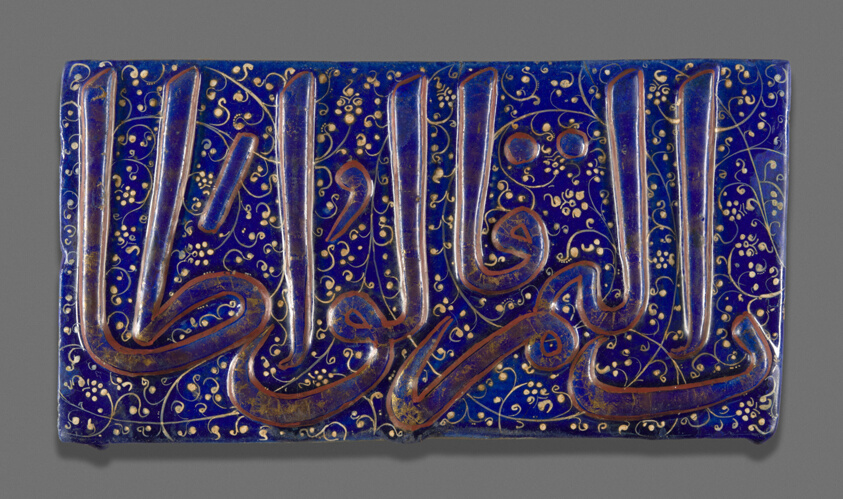
Tile with Qur'anic Inscription
Art Institute of Chicago
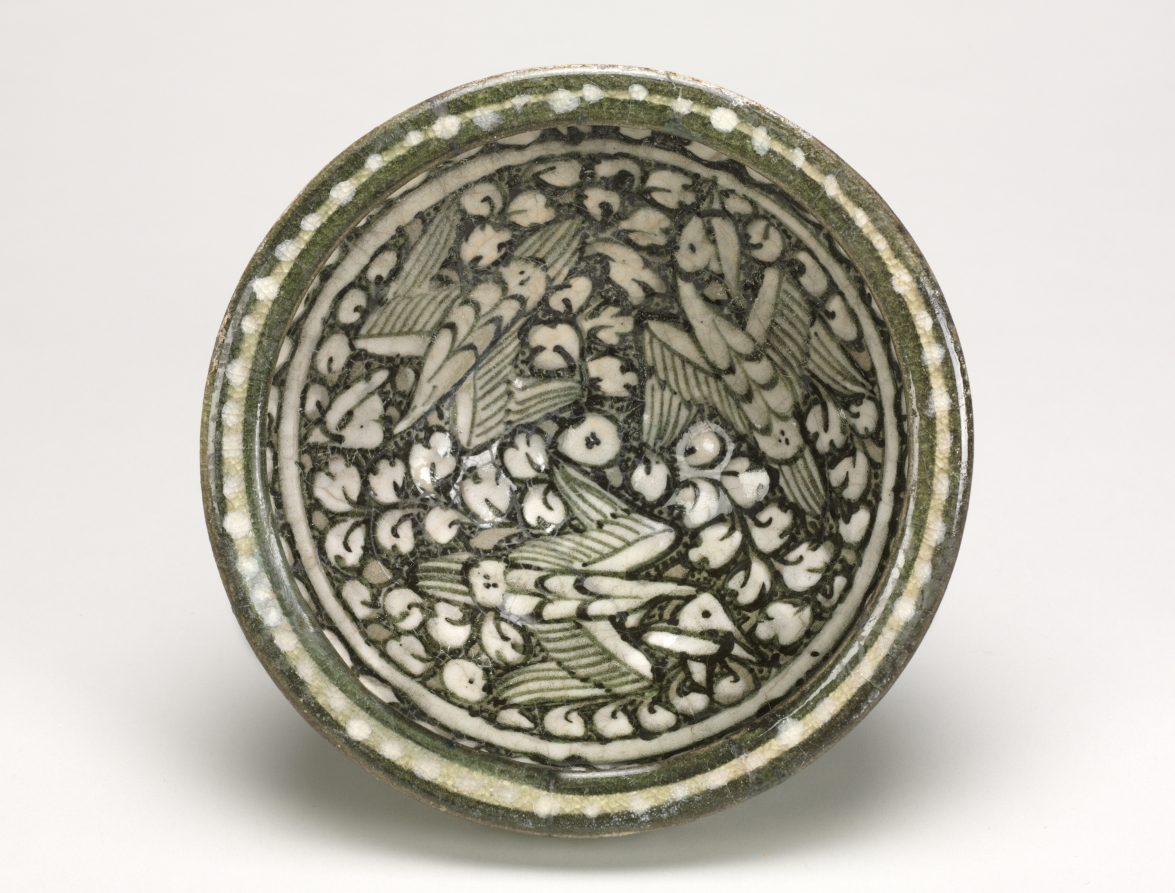
Bowl with Flying Birds
Cleveland Museum of Art
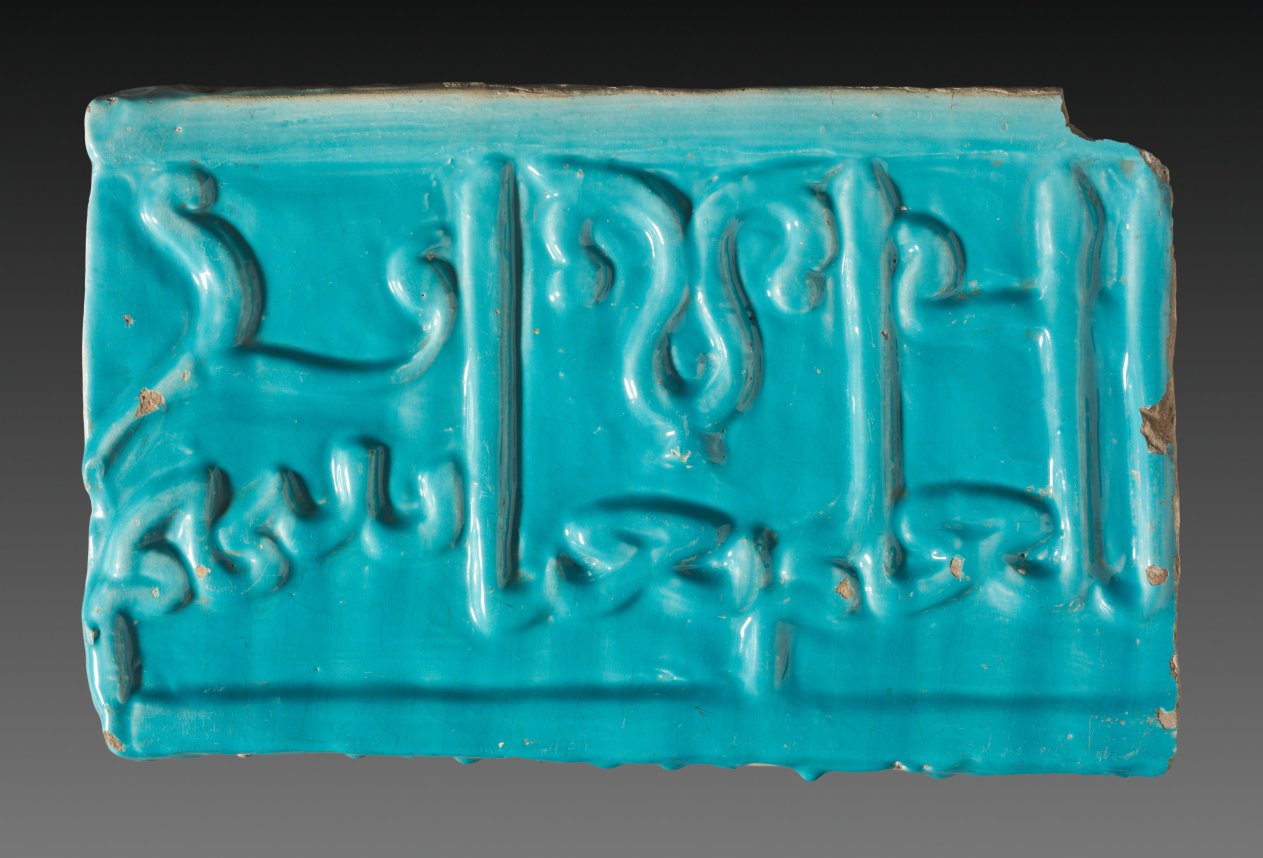
Wall Tile
Cleveland Museum of Art
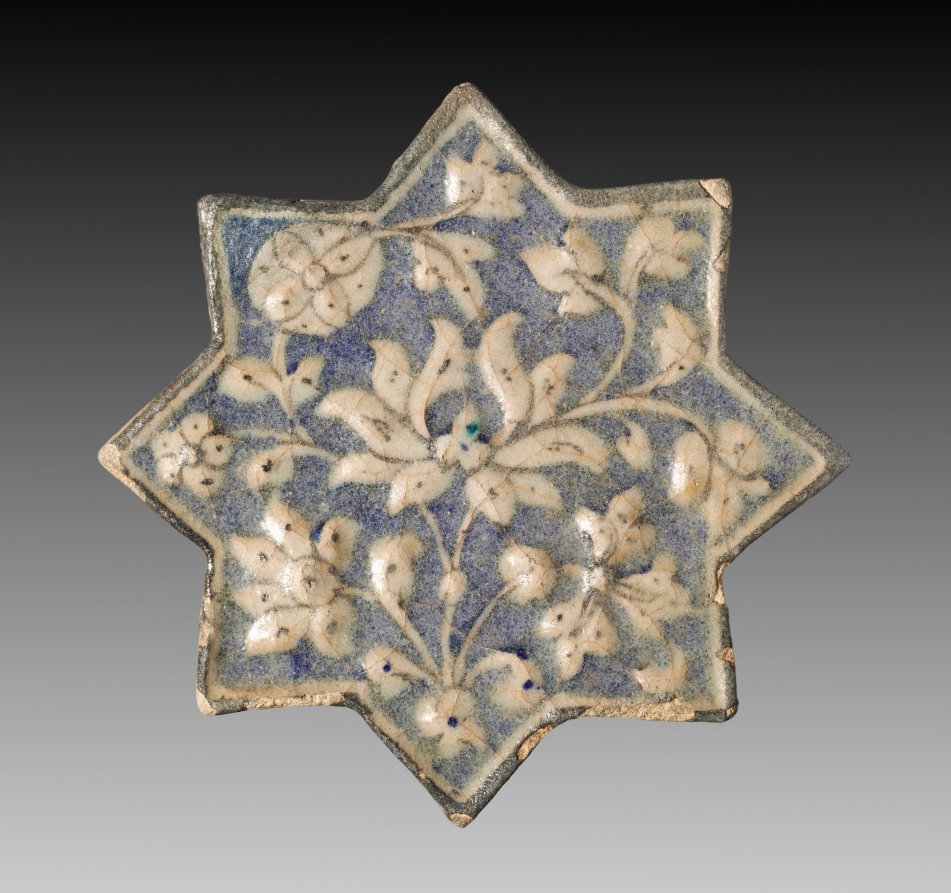
Wall Tile with Lotus Blossom
Cleveland Museum of Art
Twelve-Point Star Tile
Art Institute of Chicago

Roof tile end with dragon
Minneapolis Institute of Art
Luster Wall Tile with a Couple
Cleveland Museum of Art
Plate with Relief Dragon among Clouds
Cleveland Museum of Art

Bowl with phoenix motifs
Minneapolis Institute of Art