Art Institute of Chicago
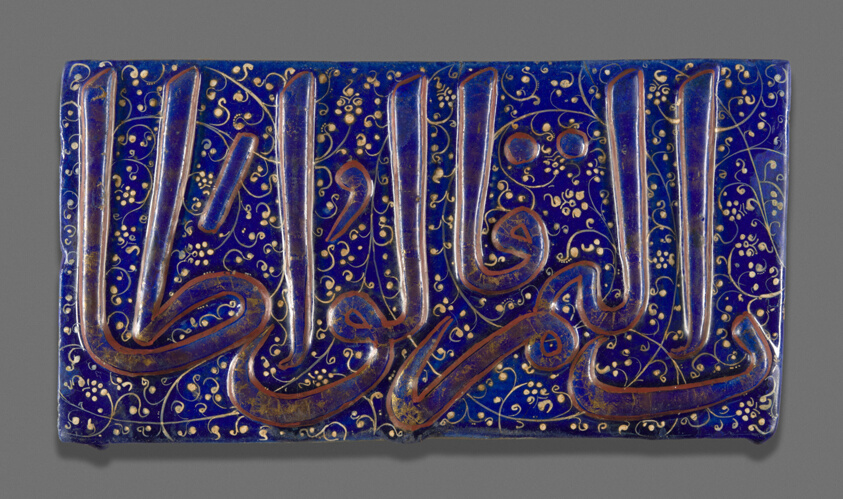
Tile with Qur'anic Inscription
Iran
- Date
- Ilkhanid dynasty (1256–1353), Early 14th century
- Medium
- Fritware with molded decoration, leaf gilding, and red over a blue glaze
- Culture
- Iran
- Department
- Arts of Asia
- Institution
- Art Institute of Chicago
Overglaze painted ceramics on a blue background, called lajvardina, were developed by Ilkhanid potters in 14th-century Iran. Lajvardina wares are known for geometric patterns, although calligraphy can also be present, especially on tiles. Such tiles have not survived in large quantities because the gold leaf and overglaze painting have suffered from exposure to the elements.Despite the diminishment of its gold leaf decoration, this tile illustrates the lavish end results of the lajvardina technique: the deep cobalt blue fills the composition, red enamel highlights the calligraphic script, and the few traces of gold leaf shimmer. Cobalt blue and gold leaf were among the most expensive materials used by potters in the medieval world.
The authoritative record is held by Art Institute of Chicago. LinkedCulture surfaces this object and its connections; it does not alter institutional metadata.
Related across collections
Semantically similar works from Art Institute of Chicago and other institutions.
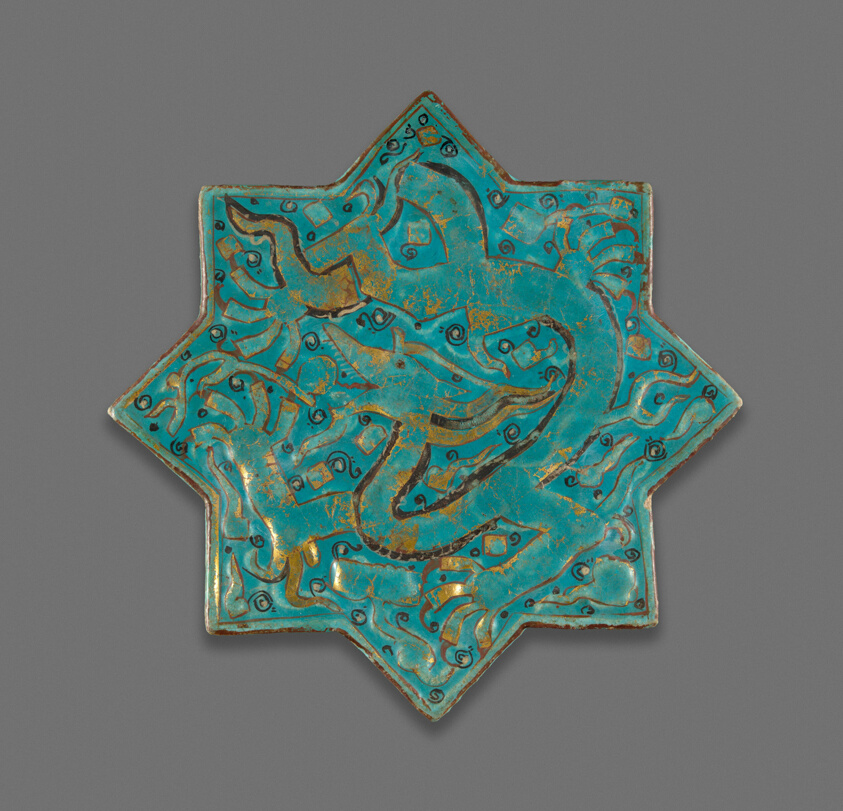
Star-Shaped Tile with a Dragon
Art Institute of Chicago

Painted tile with Qur’anic inscriptions, likely from a mosque or tomb, one of a pair
Minneapolis Institute of Art
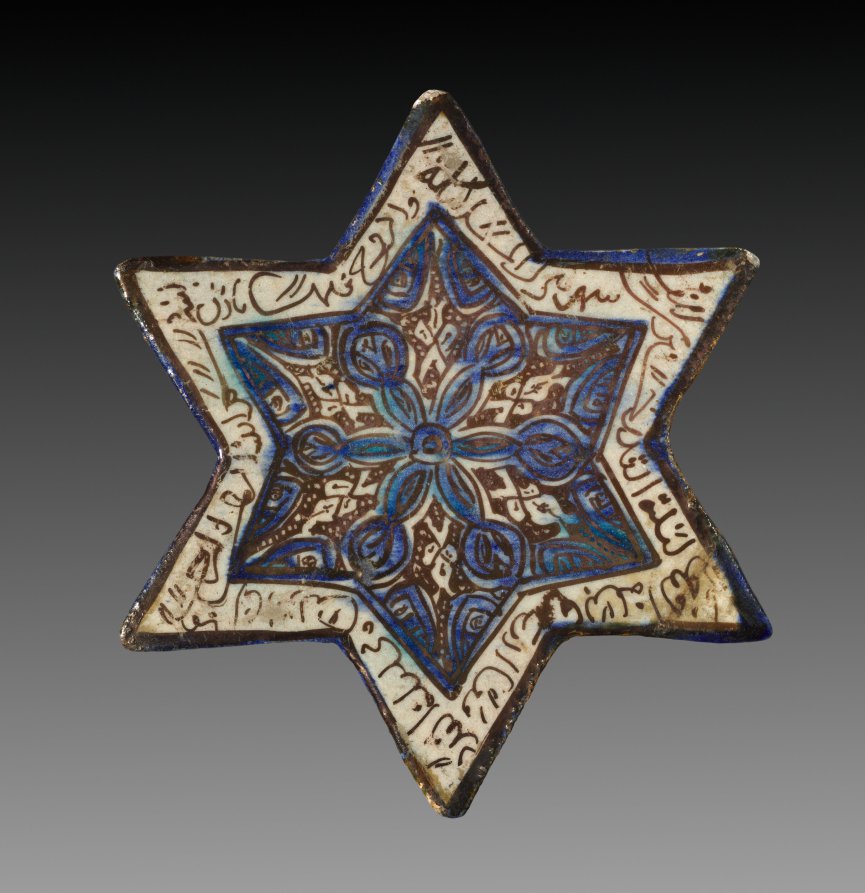
Wall Tile
Cleveland Museum of Art
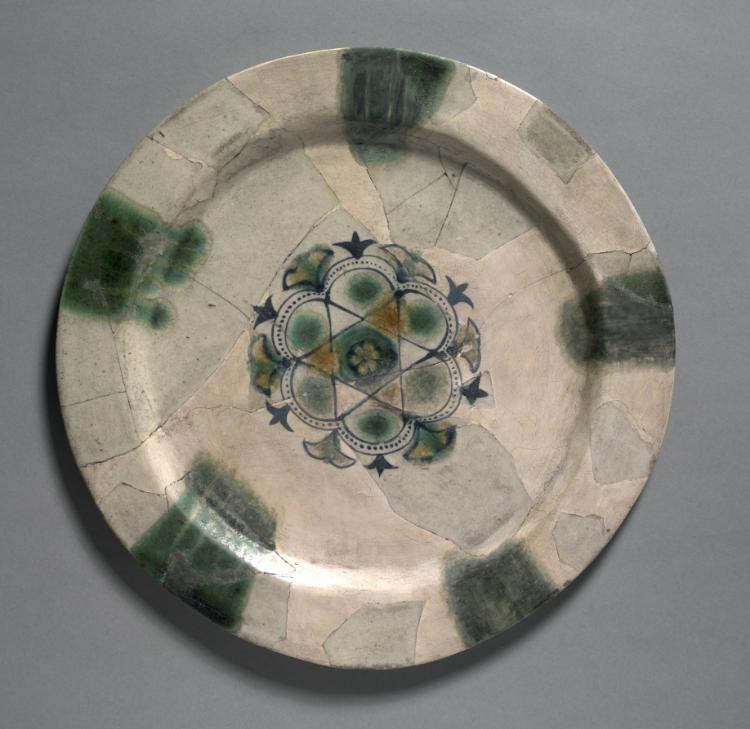
Dish with Splashes of Green
Cleveland Museum of Art

Painted tile with Qur’anic inscriptions, likely from a mosque or tomb, one of a pair
Minneapolis Institute of Art
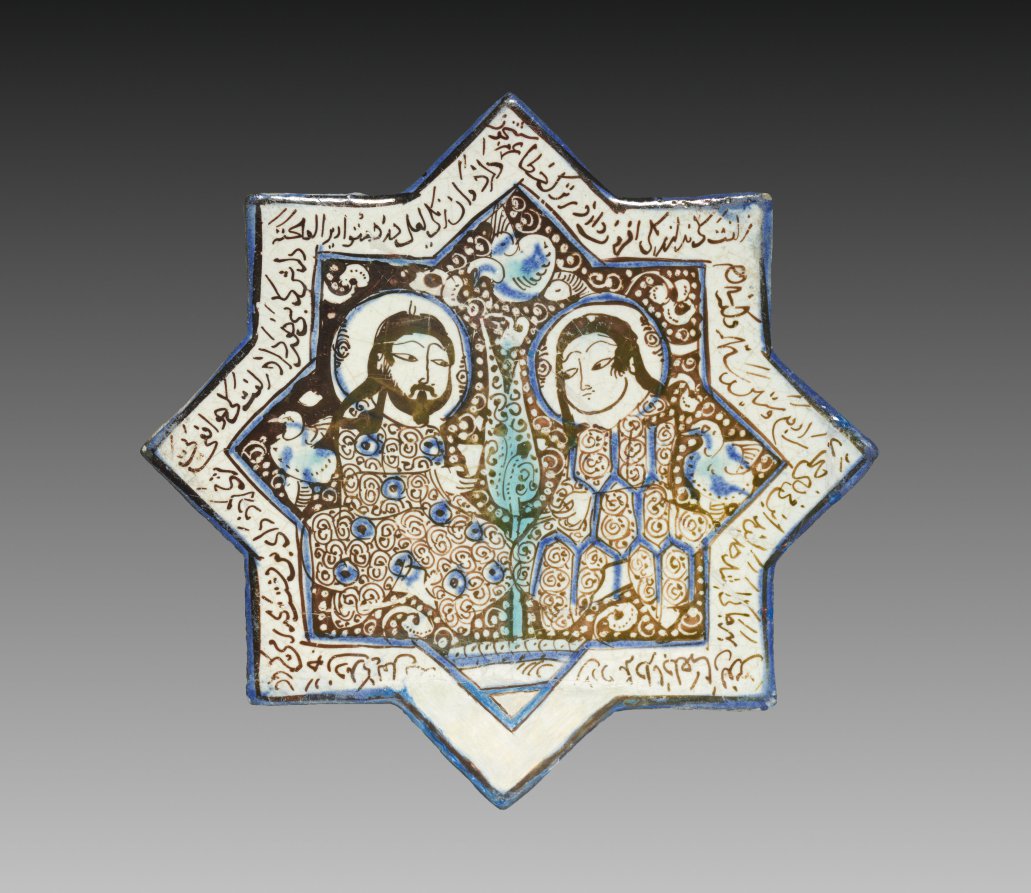
Luster Wall Tile with a Couple
Cleveland Museum of Art
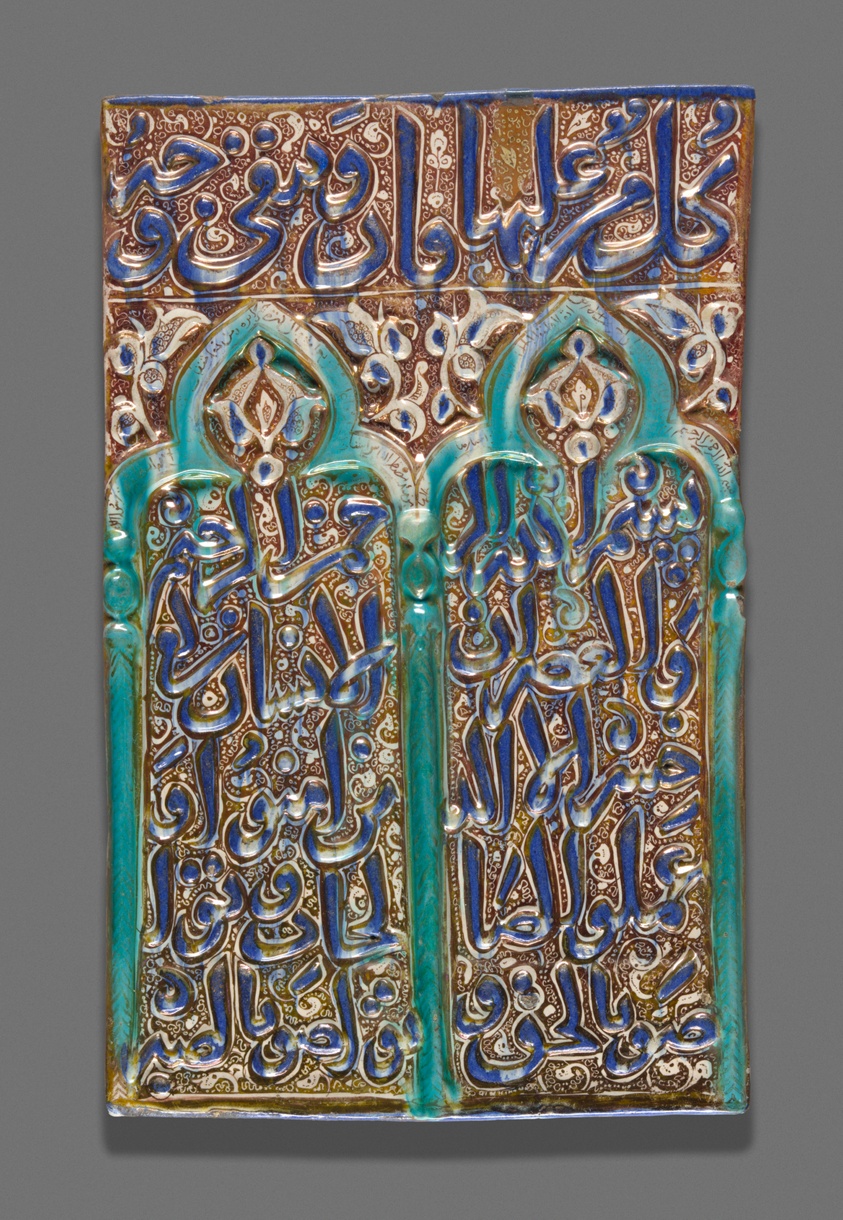
Tile with a Double-Arched Prayer Niche (Mihrab)
Art Institute of Chicago
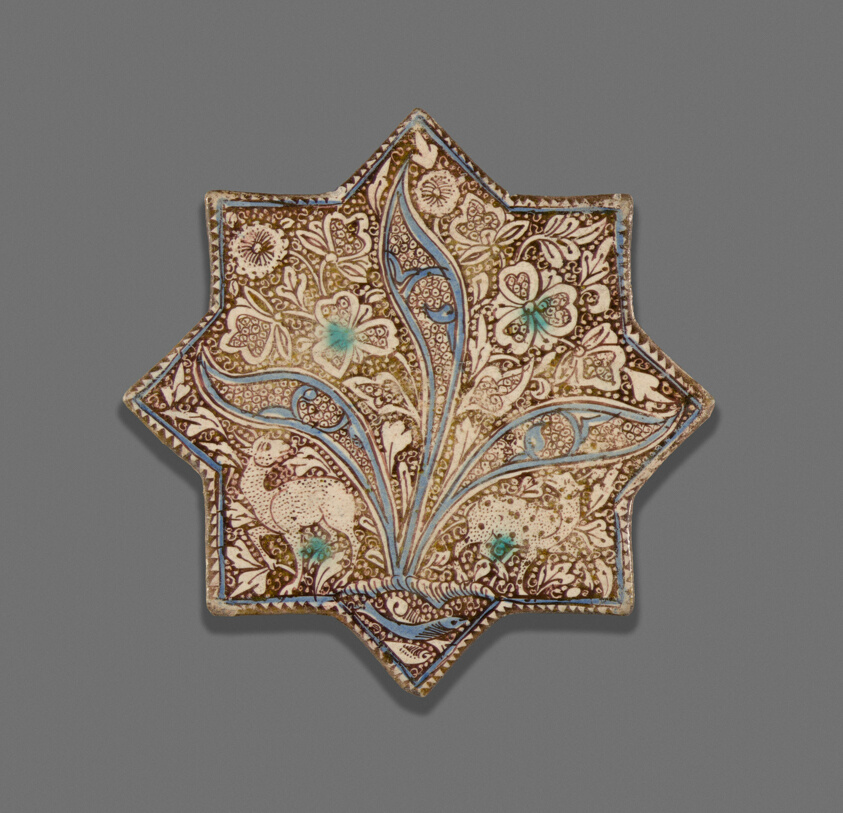
Star-Shaped Tile
Art Institute of Chicago
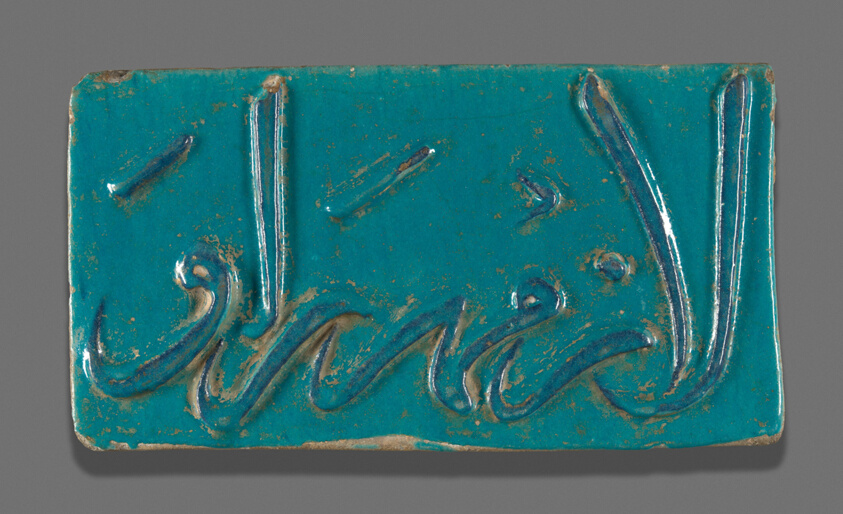
Tile with Pious Inscription
Art Institute of Chicago
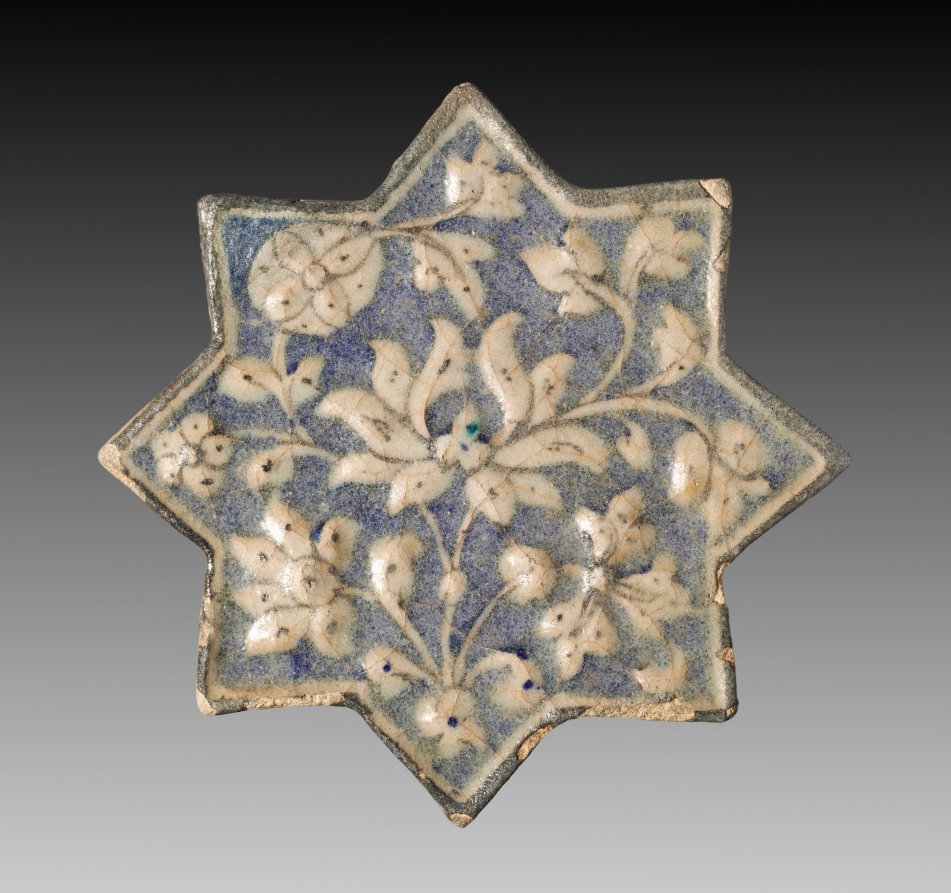
Wall Tile with Lotus Blossom
Cleveland Museum of Art
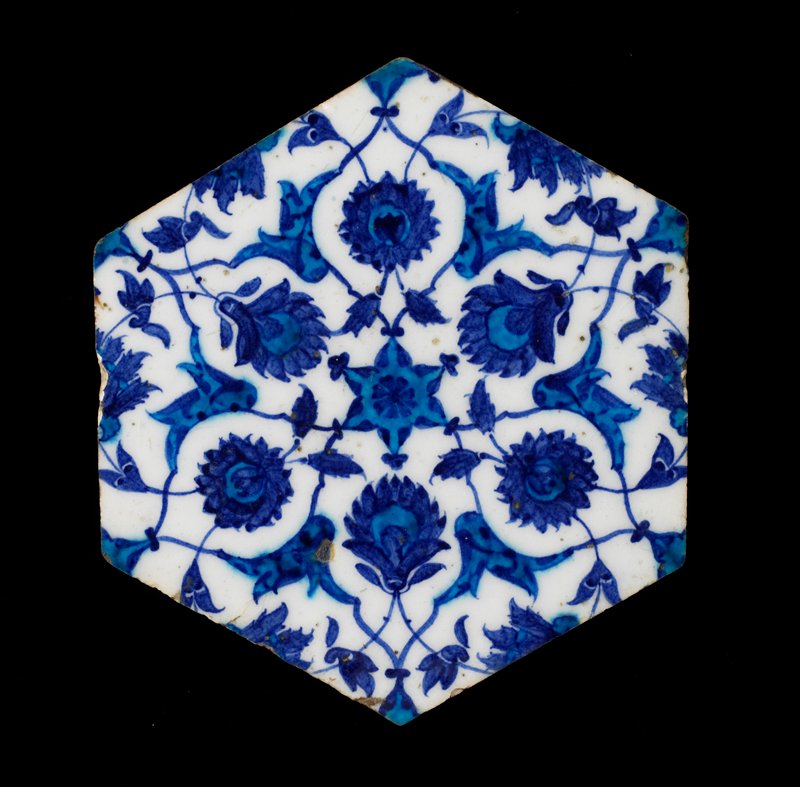
Hexagonal Wall Tile
Minneapolis Institute of Art
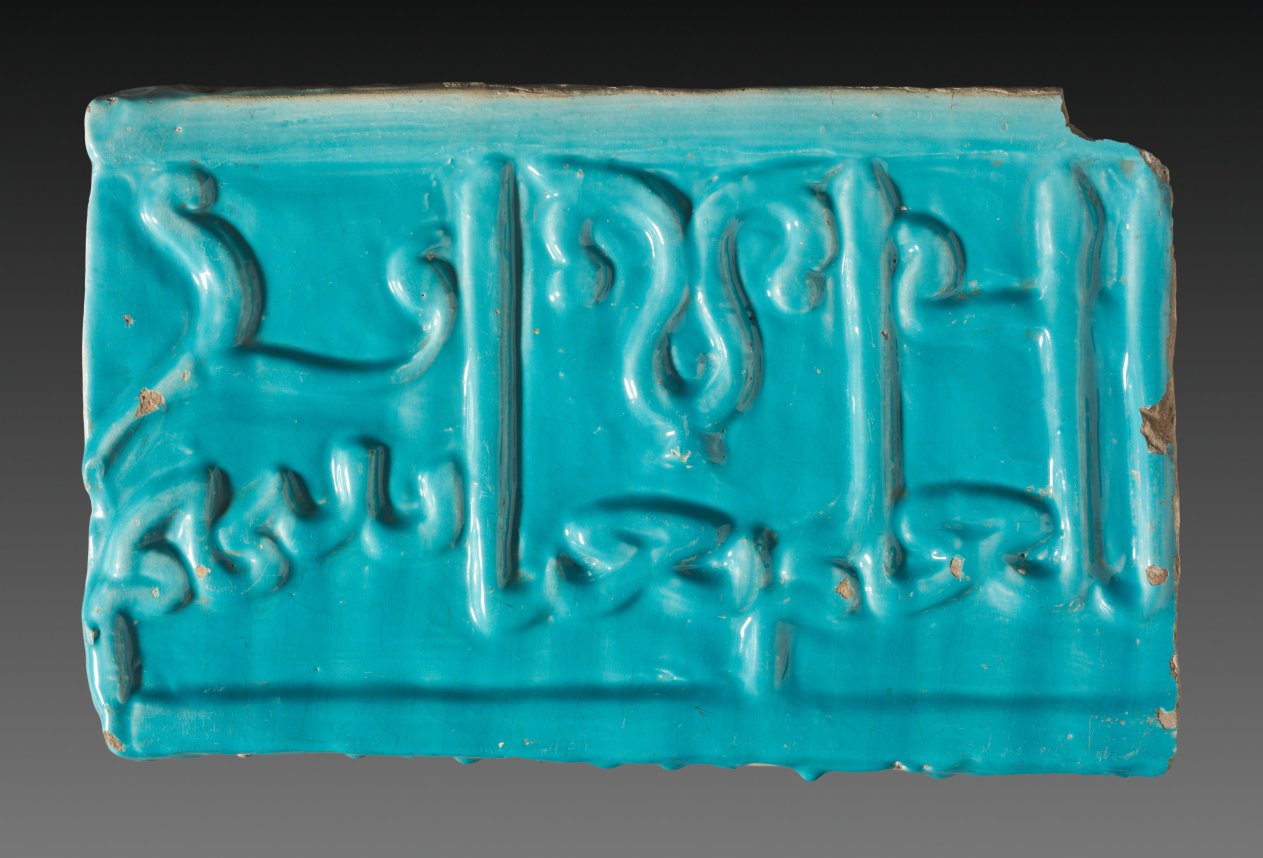
Wall Tile
Cleveland Museum of Art