Art Institute of Chicago
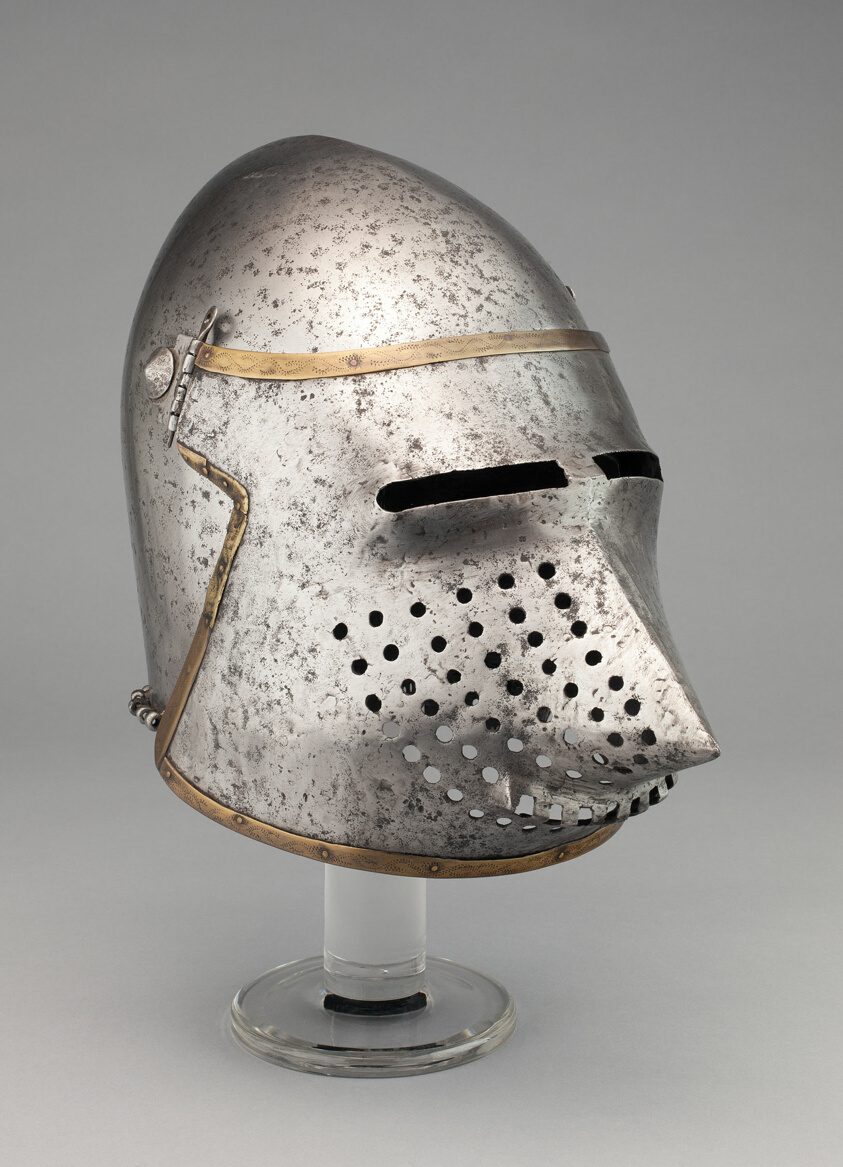
Visored Bascinet
Western European
- Date
- 1390/1400
- Medium
- Steel and brass
- Culture
- Italy
- Department
- Applied Arts of Europe
- Institution
- Art Institute of Chicago
The quintessential knightly helmet of the late 14th century, the bascinet was used throughout Europe. Its pronounced conical skull and pointed visor were designed to deflect blows side to side and were described in its own time in Germany as a Hundsgugel, or hound’s hood. The pierced steel pins around the base of the skull were used to attach a mail hood, called an aventail, that protected the shoulders. Complete surviving examples are rare. This helmet is made of two separate period parts, skull and visor, which were repaired and joined in the early 20th century to make a complete example.
The authoritative record is held by Art Institute of Chicago. LinkedCulture surfaces this object and its connections; it does not alter institutional metadata.
Linked open data
Authority identifiers that link this record into the wider web of cultural data — stable references you can follow to the source.
- Object type
- AAT300209266
Related across collections
Semantically similar works from Art Institute of Chicago and other institutions.
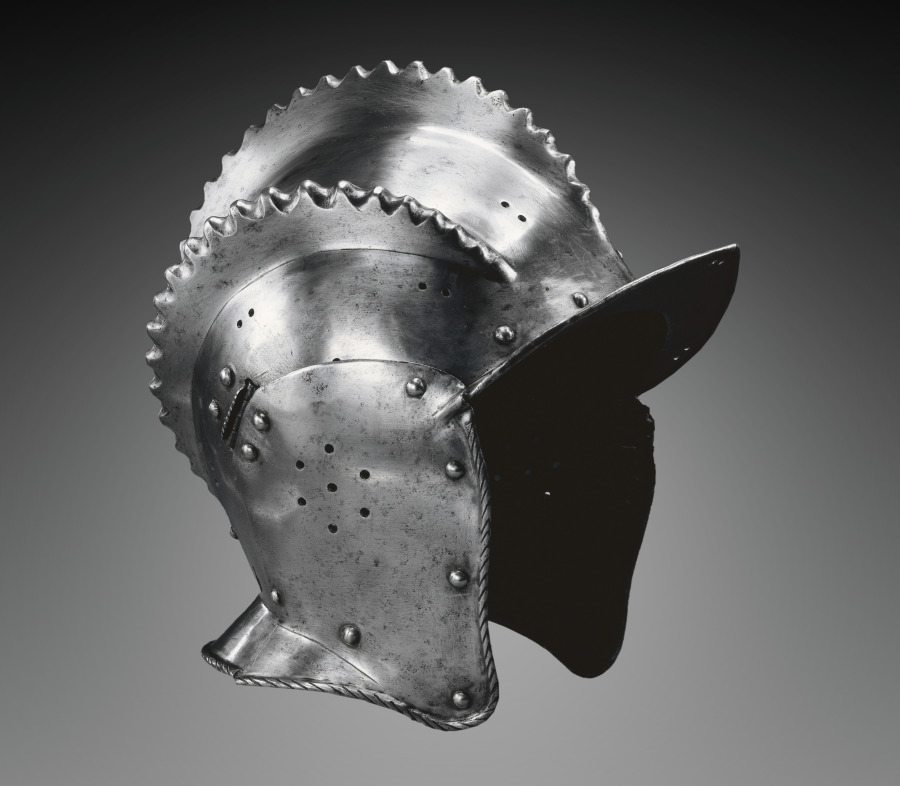
Triple-Crested Burgonet
Cleveland Museum of Art
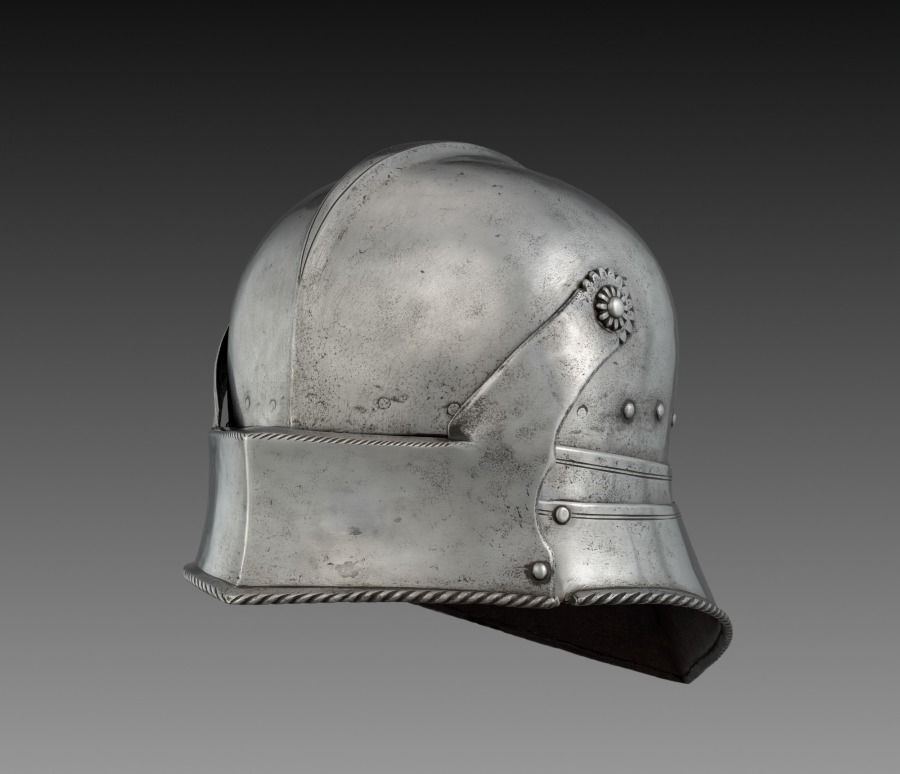
Visored Sallet
Cleveland Museum of Art
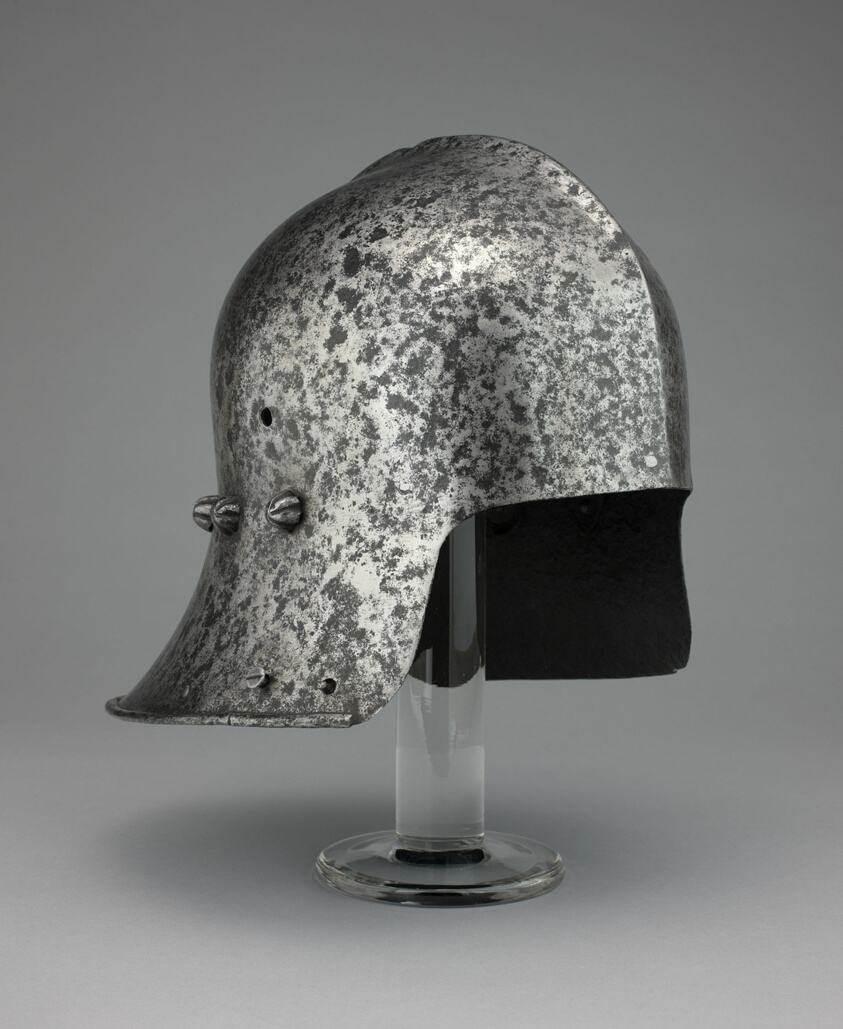
Sallet
Art Institute of Chicago
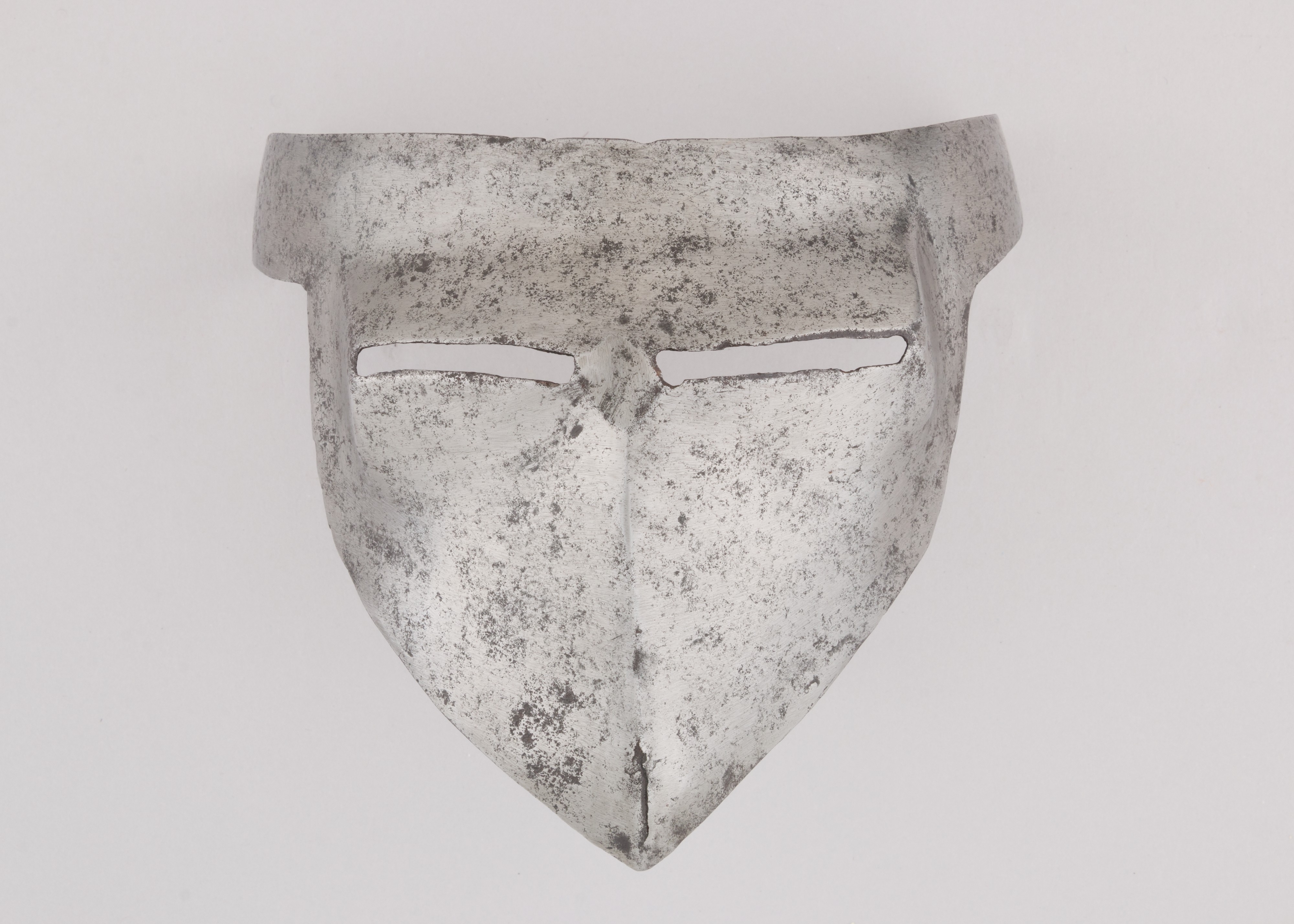
Visor for a Bascinet
The Metropolitan Museum of Art
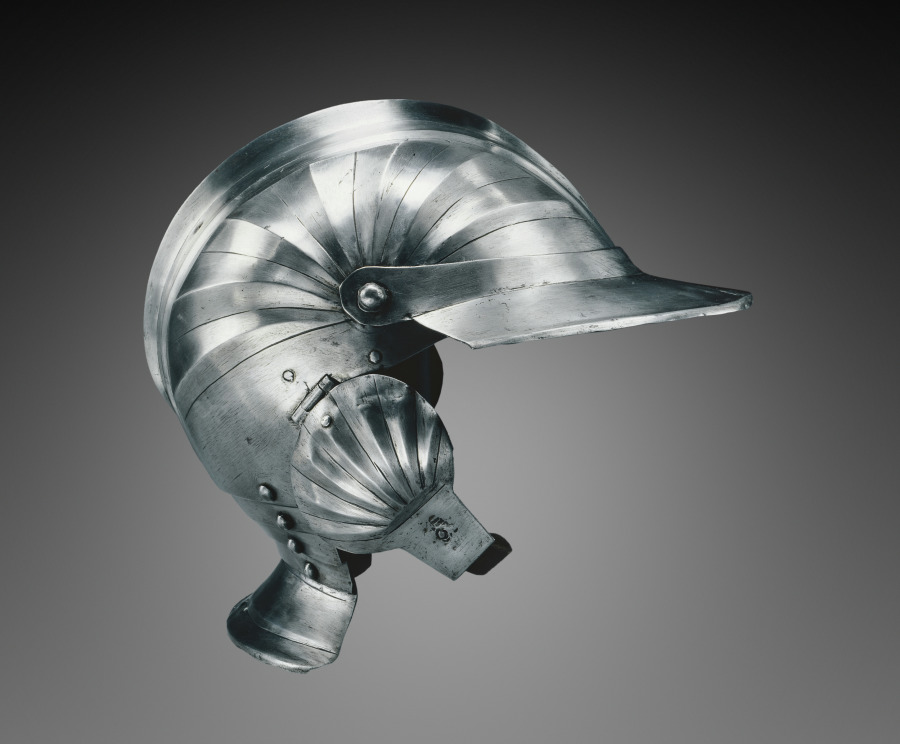
Burgonet
Cleveland Museum of Art
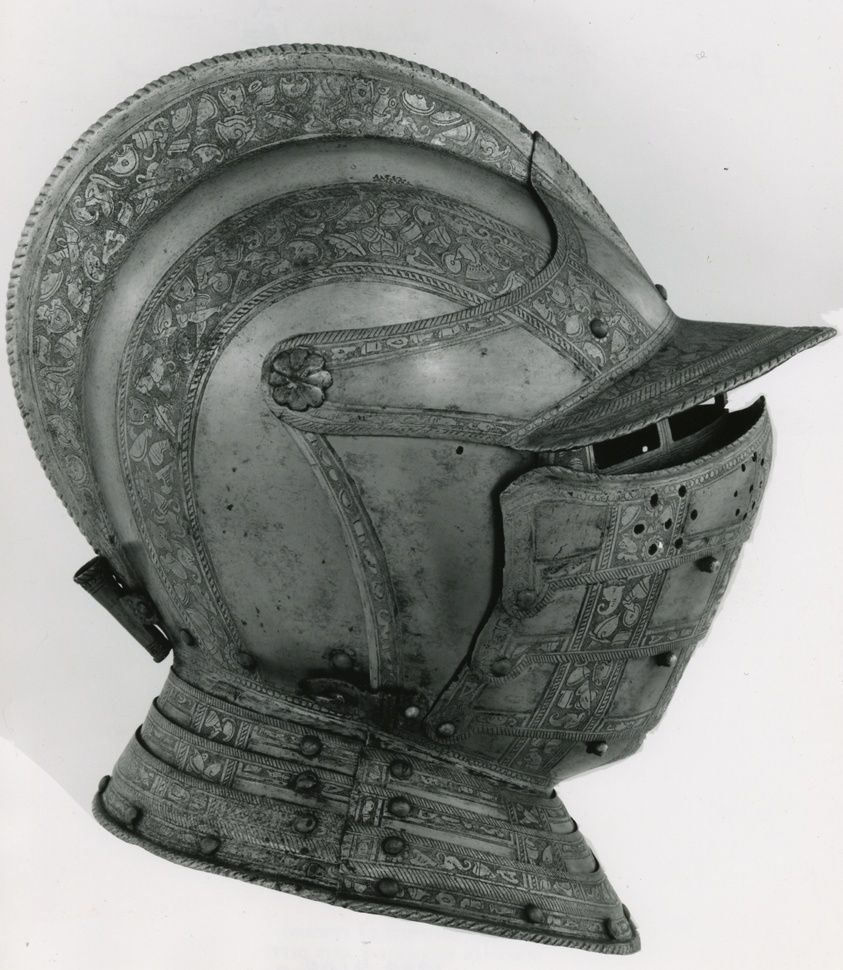
Close Helmet of Three-Quarter Armor
Art Institute of Chicago

Helmet
Getty Museum
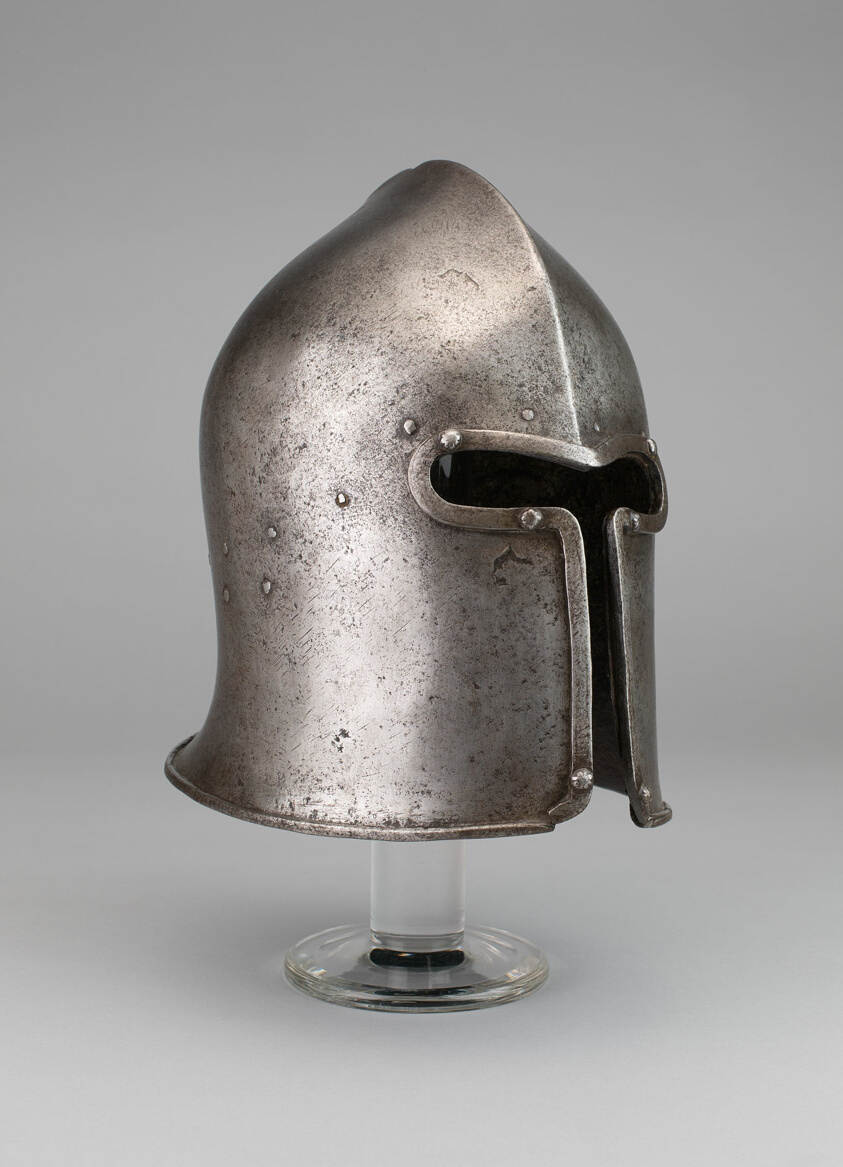
Sallet (Barbuta)
Art Institute of Chicago
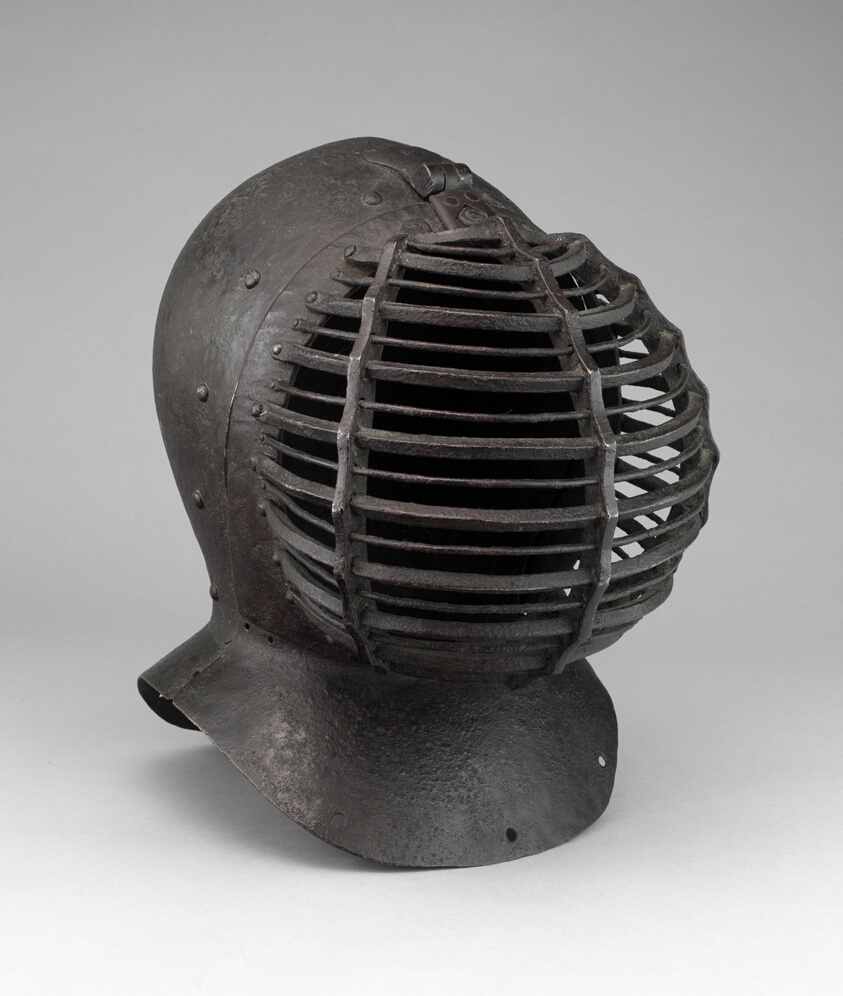
Great Basinet (Kolbenturnierhelm)
Art Institute of Chicago
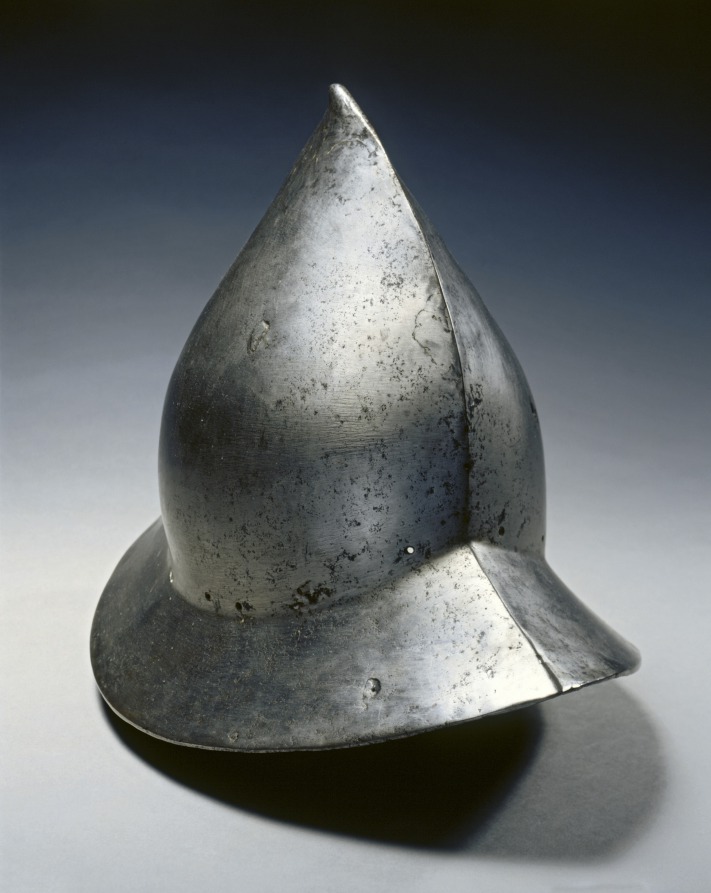
Cabacete (Helmet)
Cleveland Museum of Art
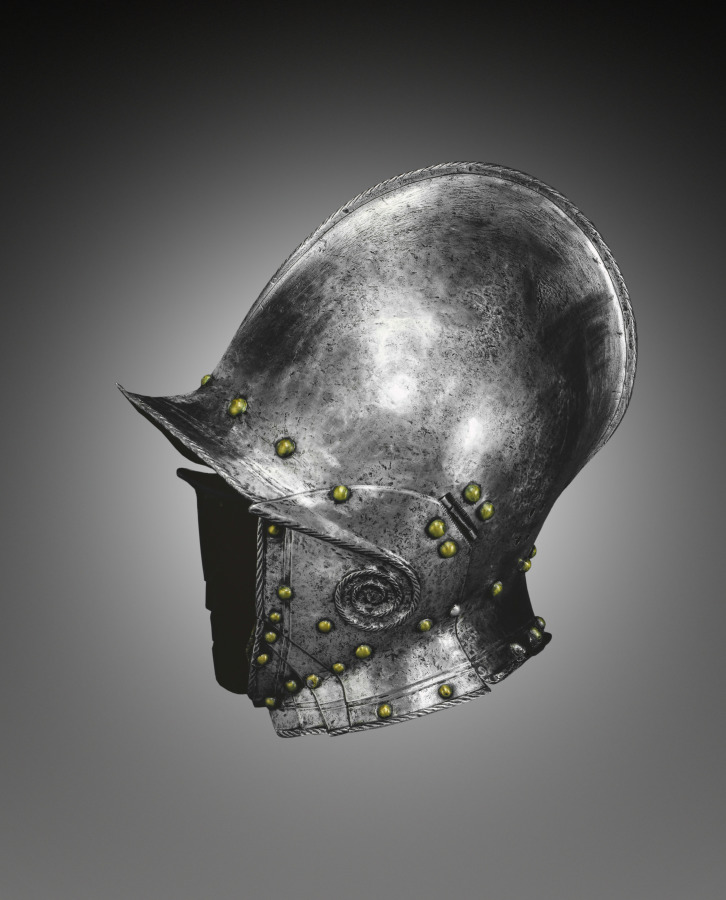
Burgonet with Hinged Cheek Pieces
Cleveland Museum of Art
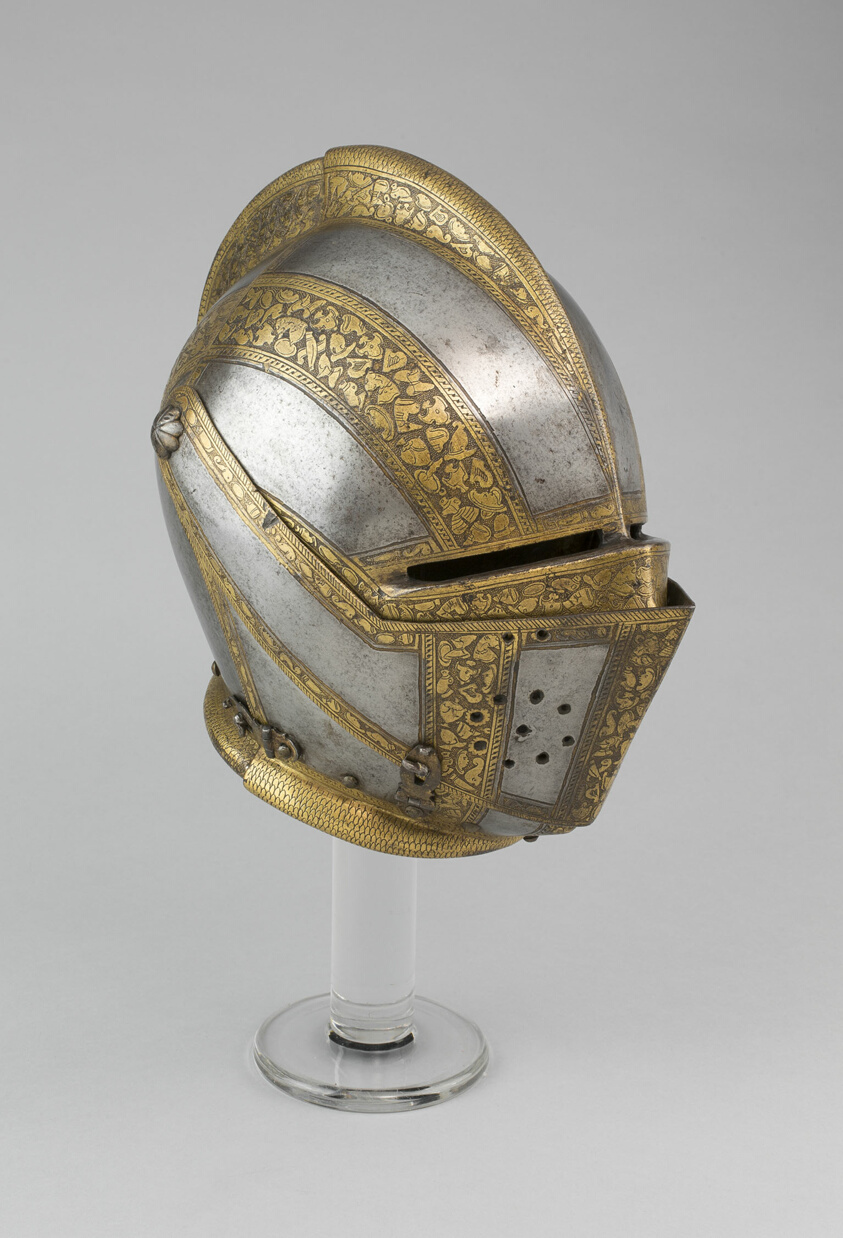
Close Helmet for Foot Tourney at the Barriers
Art Institute of Chicago