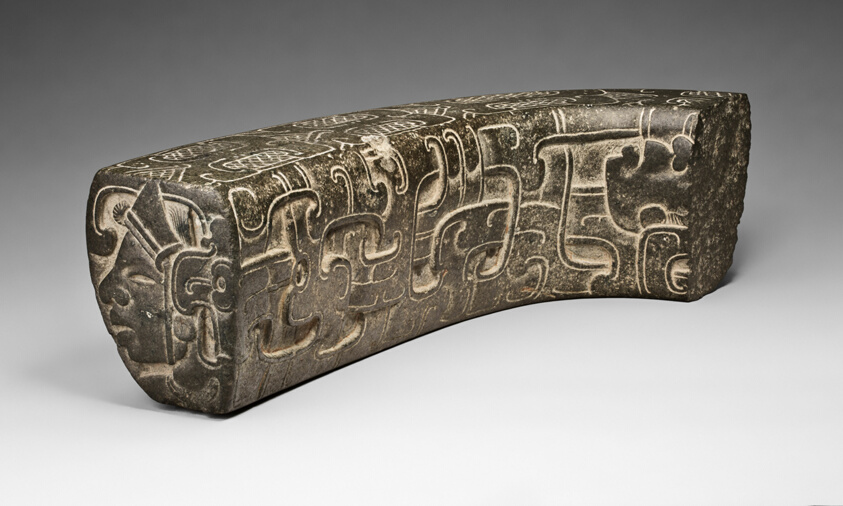
Art Institute of Chicago
Fragment of a Ceremonial Ballgame Yoke
Totonac
- Date
- 700–800
- Medium
- Stone
- Culture
- El Tajín
- Department
- Arts of the Americas
- Institution
- Art Institute of Chicago
Played throughout Mesoamerica, the ceremonial ballgame was a sport as well as a ritual substitute for war in which sacrifice was often the final outcome. Players were required to propel a heavy rubber ball with their hips, thighs, shoulders, and lower arms. A yoke, made of padded leather or wood, was worn at mid-body to protect the torso and direct the ball. Carved stone yokes were intended as ceremonial emblems or trophies and were not used in actual play. At least eleven ballcourts have been discovered at El Tajín, suggesting that the city may have been a sort of Olympic center as well as a ruling capital.
The authoritative record is held by Art Institute of Chicago. LinkedCulture surfaces this object and its connections; it does not alter institutional metadata.
Linked open data
Authority identifiers that link this record into the wider web of cultural data — stable references you can follow to the source.
- Object type
- AAT300301253
Related across collections
Semantically similar works from Art Institute of Chicago and other institutions.
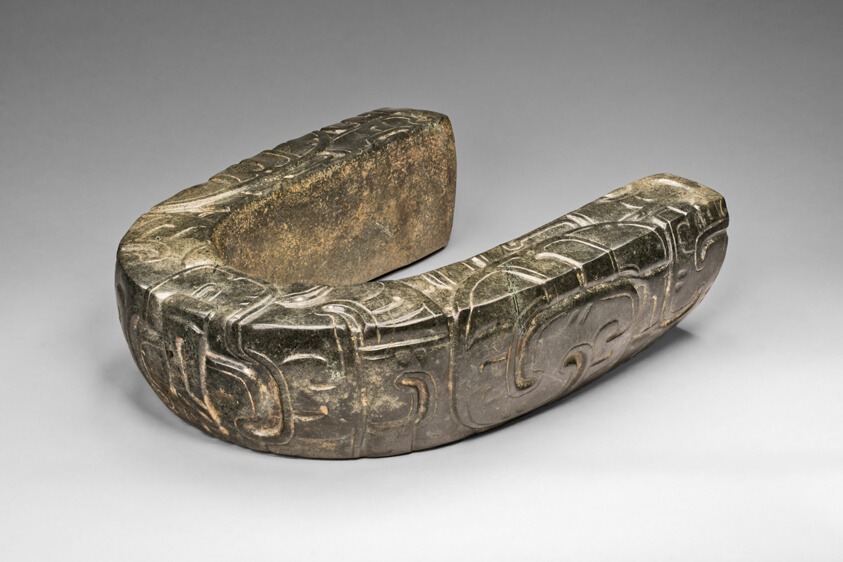
Ceremonial Ballgame Yoke
Art Institute of Chicago
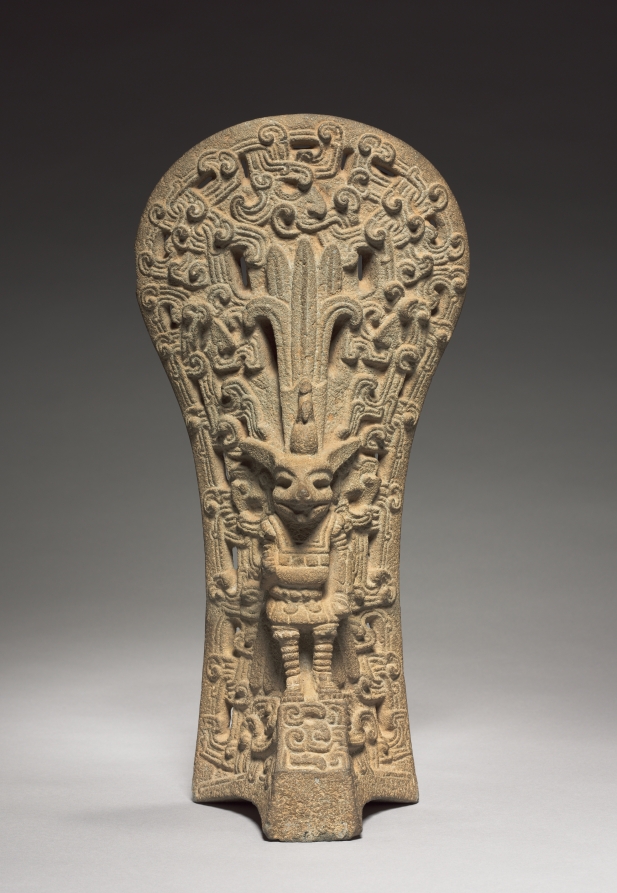
Ballgame Palma
Cleveland Museum of Art
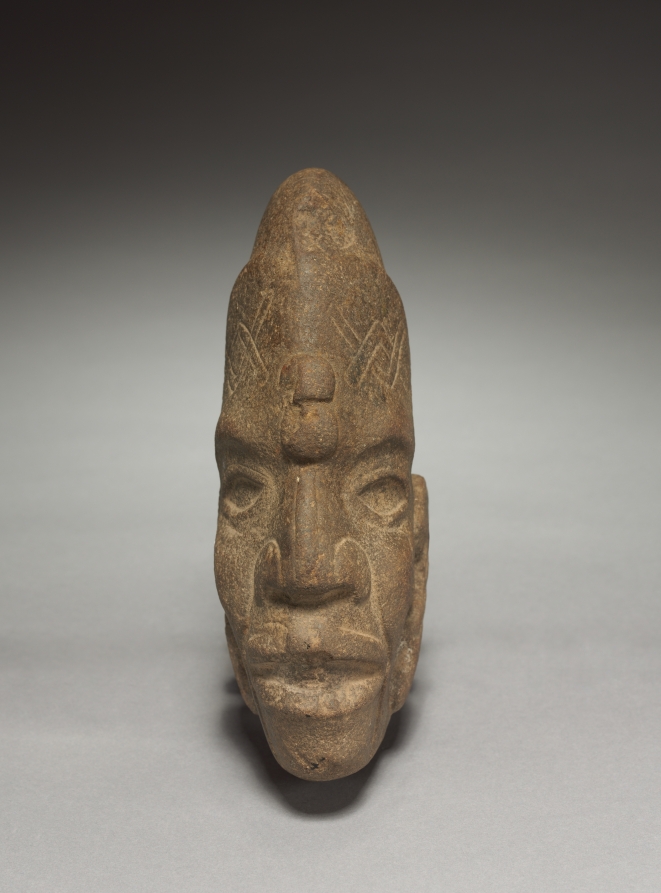
Ballgame Thin Stone Head (Hacha)
Cleveland Museum of Art
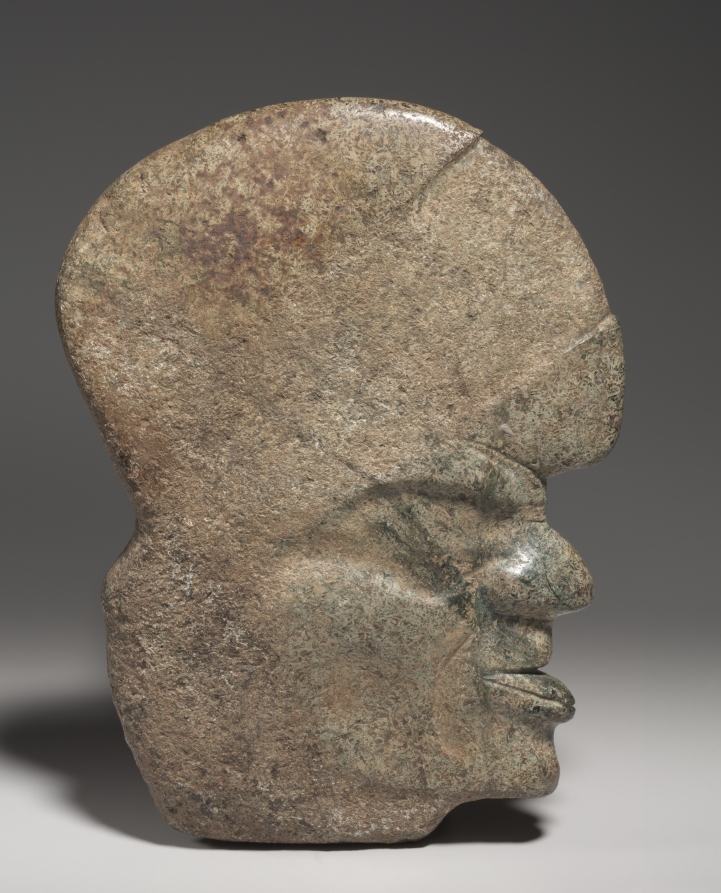
Ballgame Thin Stone Head (Hacha)
Cleveland Museum of Art

Yoke
Minneapolis Institute of Art
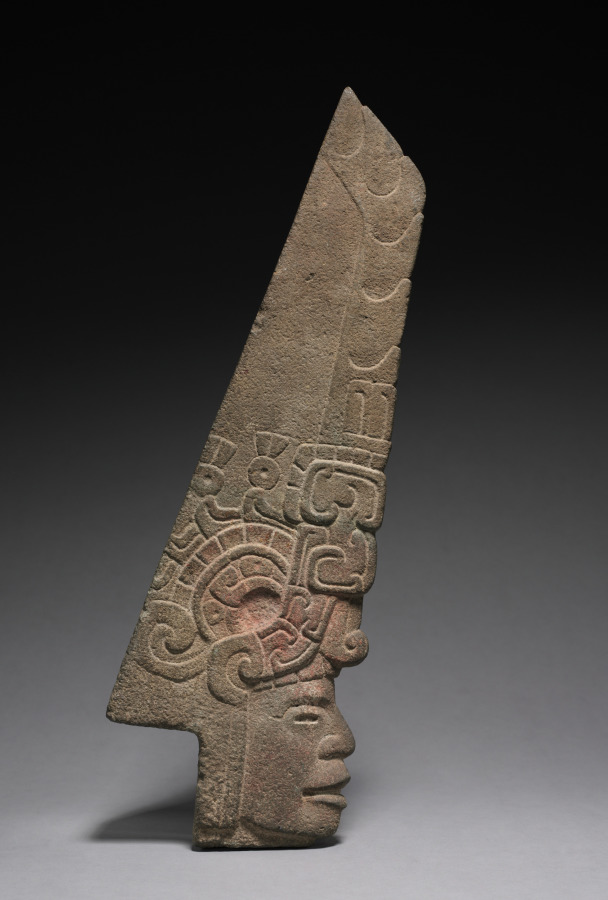
Ballgame Thin Stone Head (Hacha)
Cleveland Museum of Art

Hacha
Minneapolis Institute of Art

Figure
Minneapolis Institute of Art
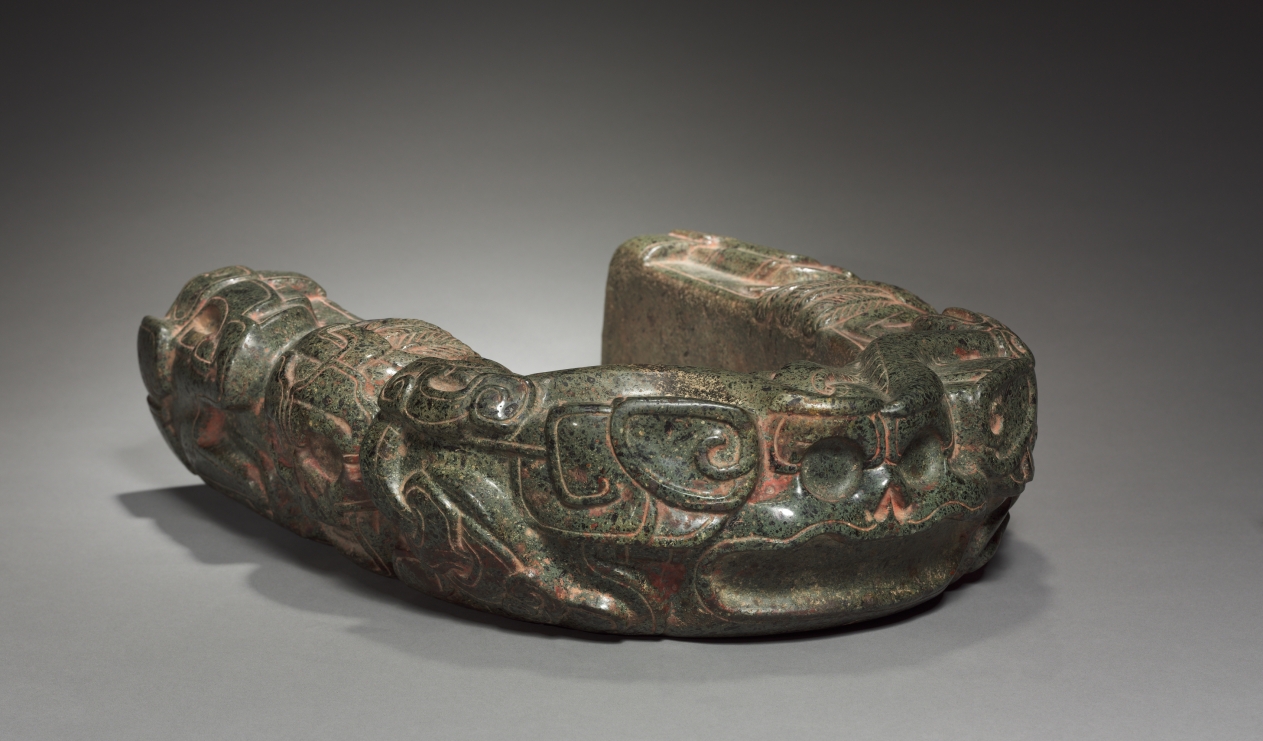
Ballgame Hip Protector (Yoke)
Cleveland Museum of Art
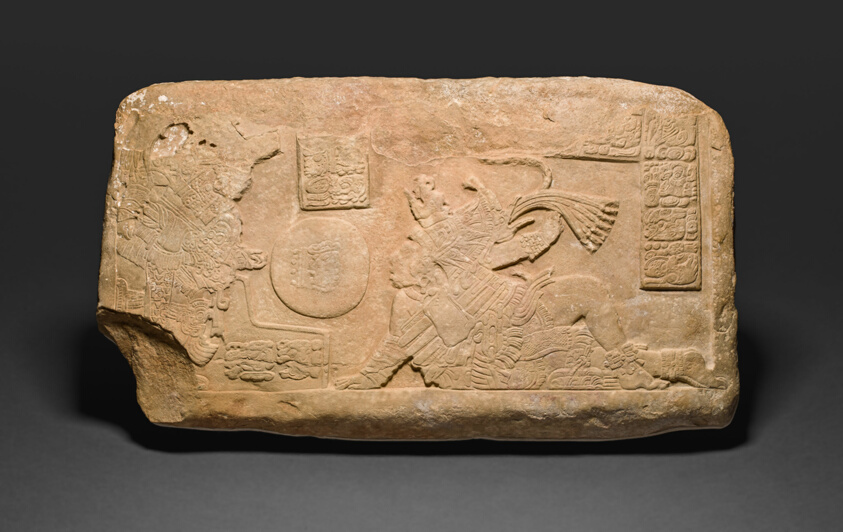
Chak Ak’ Paat Kuy ("Red Turkey") Playing the Ballgame
Art Institute of Chicago

Figure
Minneapolis Institute of Art
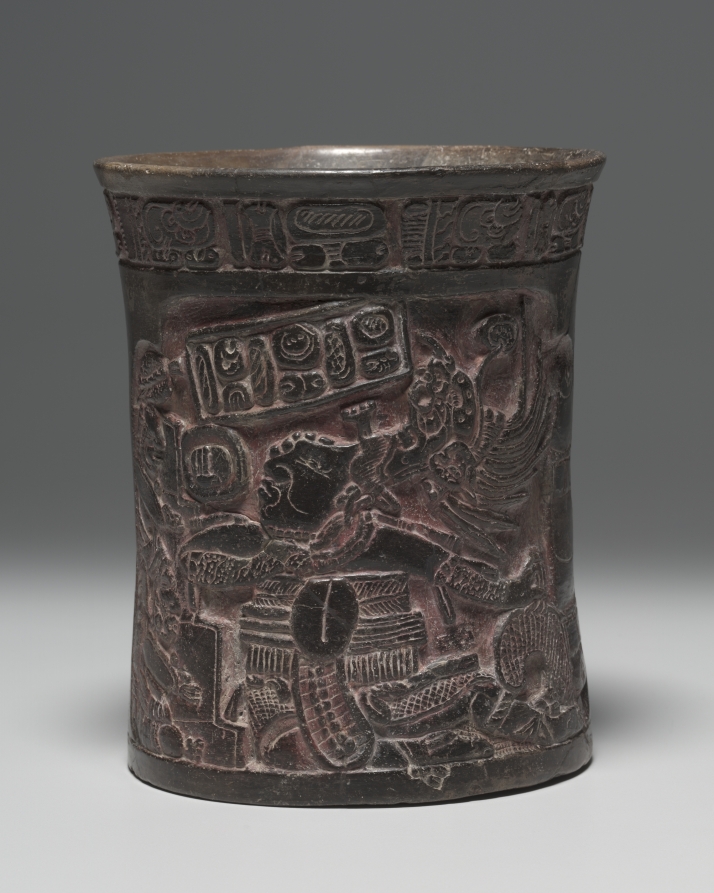
Vessel with Ballplayer
Cleveland Museum of Art