
Minneapolis Institute of Art
Figure
Nopiloa artist
- Date
- c. 600–750 CE
- Medium
- Clay, pigments
- Culture
- Nopiloa (Veracruz)
- Department
- Arts of the Americas
- Institution
- Minneapolis Institute of Art
Originating around 1500 B.C. among the Olmec, the Mesoamerican ballgame was the first team sport in human history. While there were localized variations in the game that was played from New Mexico to Honduras to the Caribbean, there were also many consistent features. Players' hands were only used to put the ball into play, after which it was deflected with the hips, knees, elbows, feet, and head. At the end of the game, players from the losing team were sometimes sacrificed in accordance with the belief that human bloodletting and sacrifice were essential practices for maintaining agricultural fertility and cosmic order. This rattle in the form of ballplayer from Veracruz (Gulf Coast of Mexico) wears typical ballgame equipment including a u-shaped yoke around his hips, a kneepad ( yugito ), and a helmet with a harpy eagle crest on top. Carnivorous birds like eagles were commonly associated with the ballgame because of their predatory nature - a desirable trait for a successful player in this life or death sport. Rattles like this one, as well as ceramic whistles, conch shell horns and drums provided accompaniment during the ballgame. Nopiloa (Veracruz), México, Americas
The authoritative record is held by Minneapolis Institute of Art. LinkedCulture surfaces this object and its connections; it does not alter institutional metadata.
Related across collections
Semantically similar works from Minneapolis Institute of Art and other institutions.
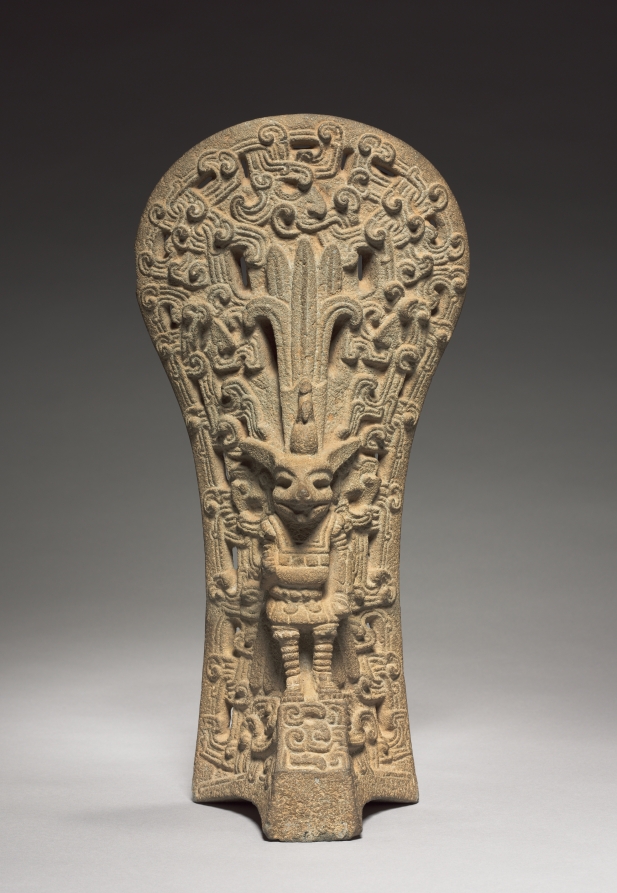
Ballgame Palma
Cleveland Museum of Art
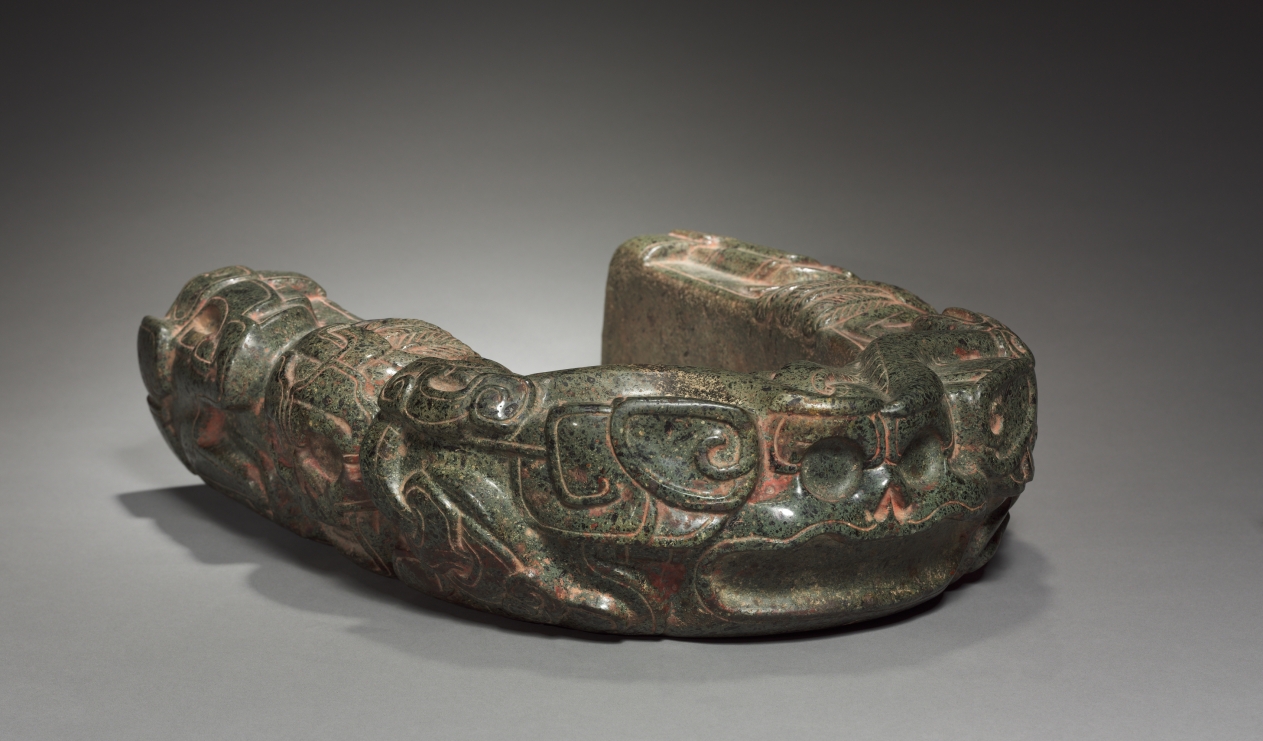
Ballgame Hip Protector (Yoke)
Cleveland Museum of Art

Hacha
Minneapolis Institute of Art

Yoke
Minneapolis Institute of Art

Figure
Minneapolis Institute of Art
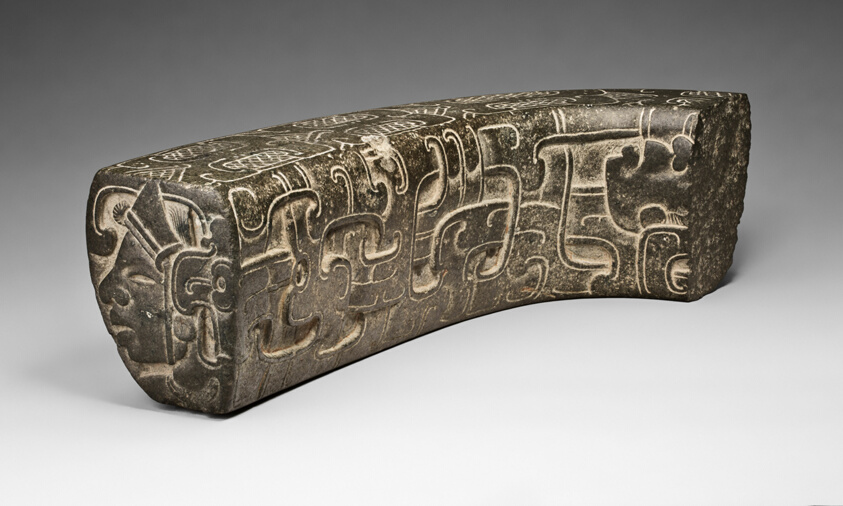
Fragment of a Ceremonial Ballgame Yoke
Art Institute of Chicago
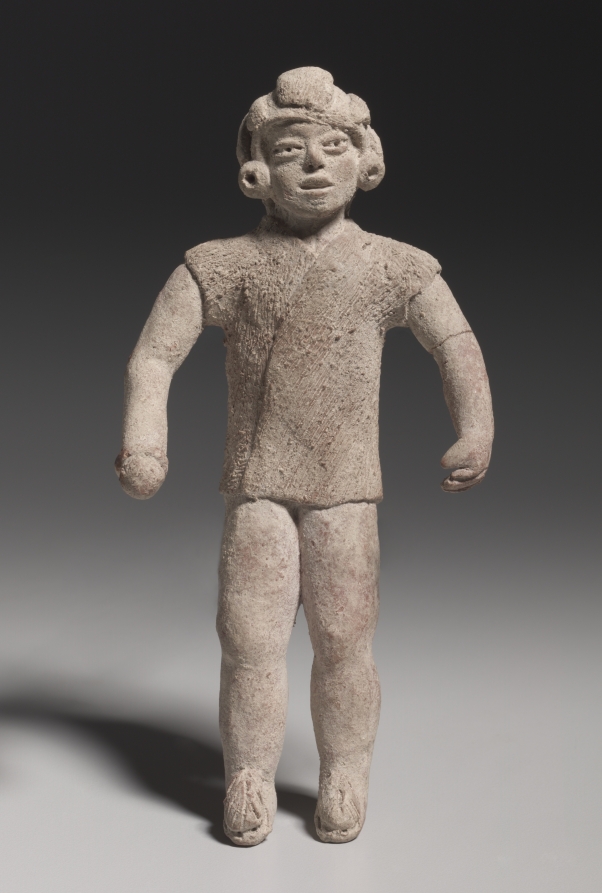
Figurine Holding A Ball(?)
Cleveland Museum of Art
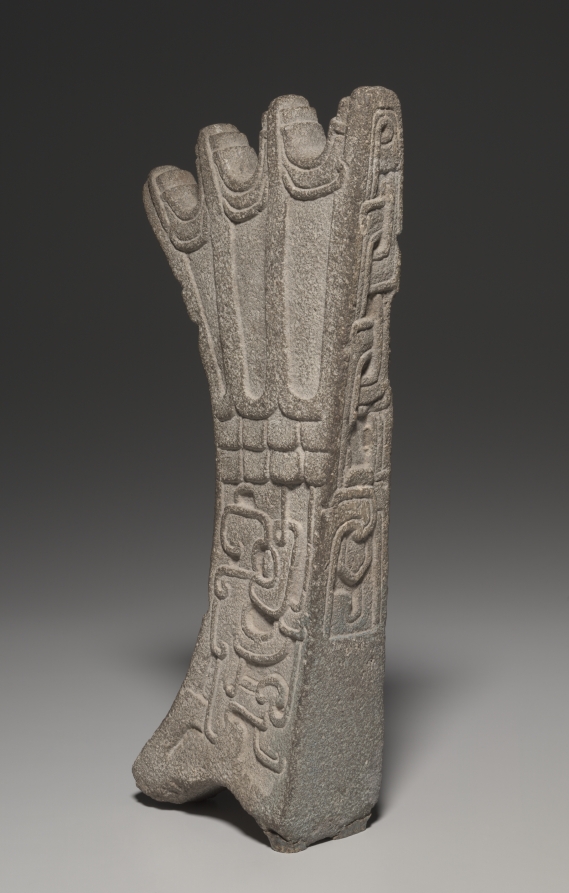
Ballgame Palma
Cleveland Museum of Art
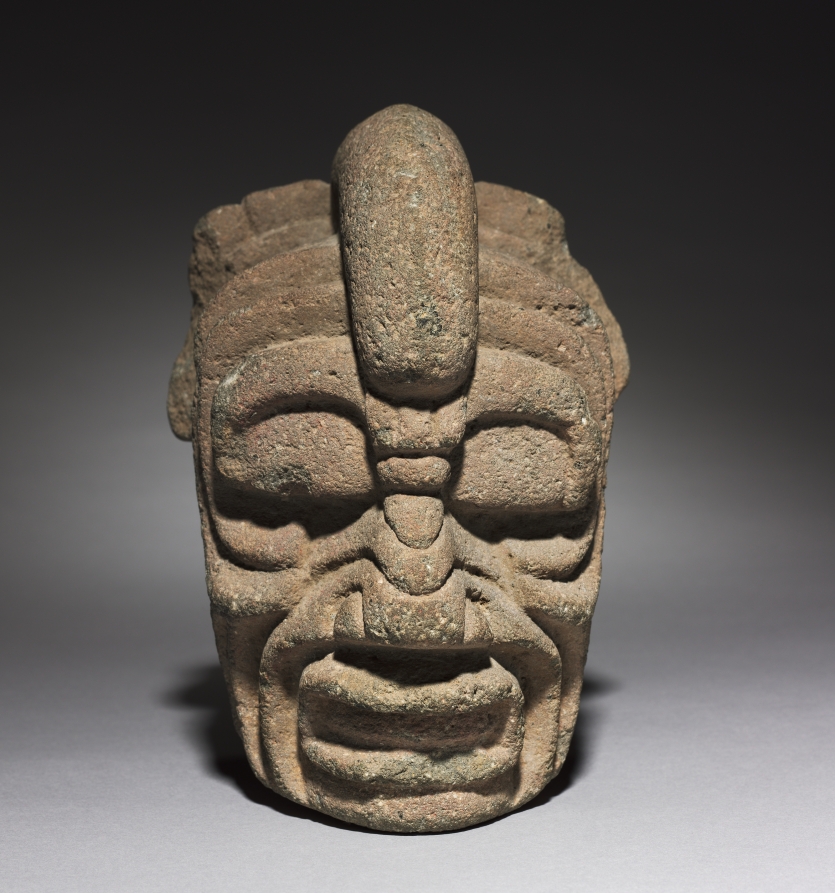
Ballgame Stone Head (Hacha)
Cleveland Museum of Art
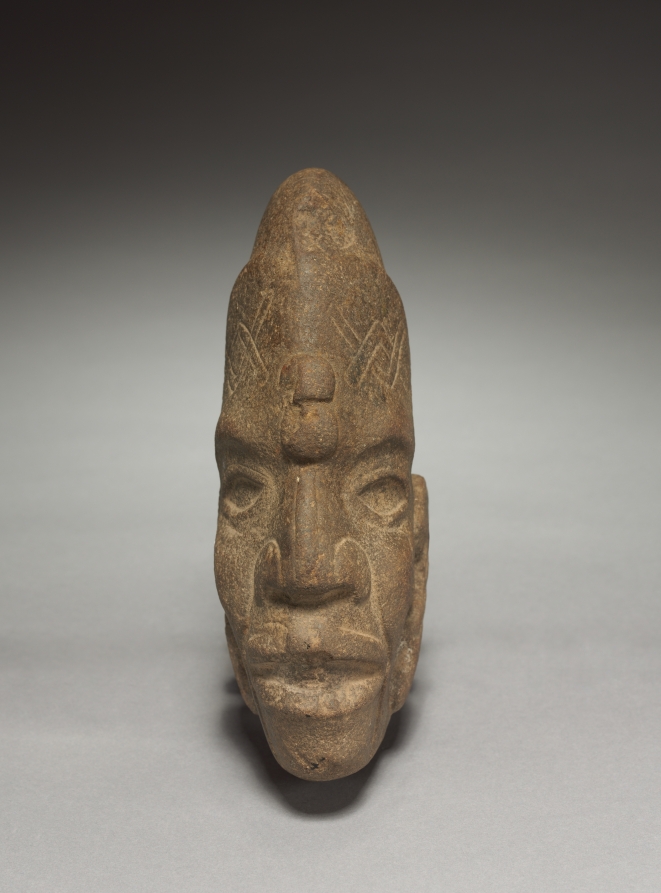
Ballgame Thin Stone Head (Hacha)
Cleveland Museum of Art
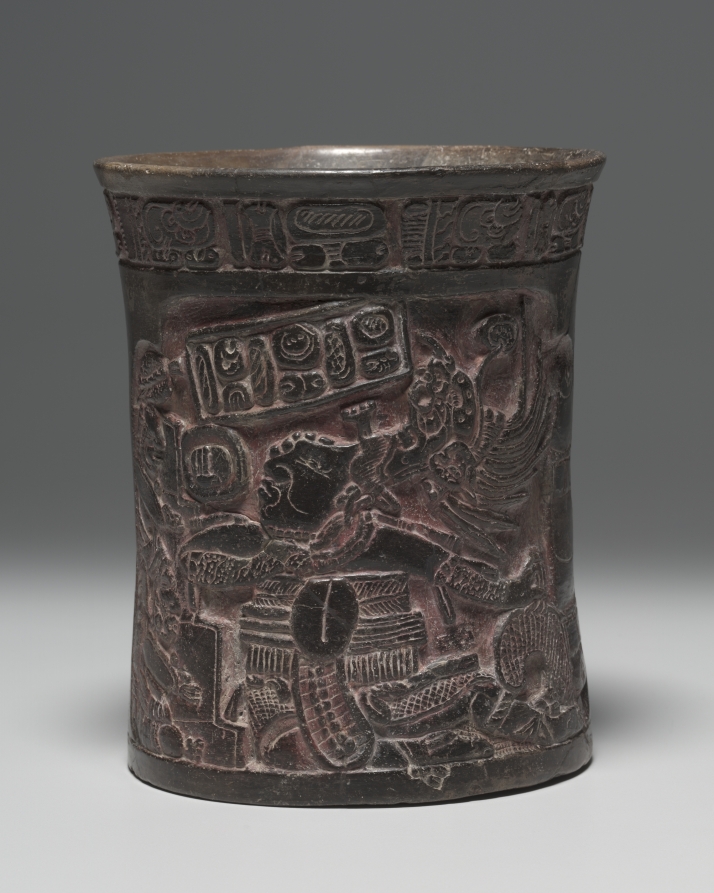
Vessel with Ballplayer
Cleveland Museum of Art
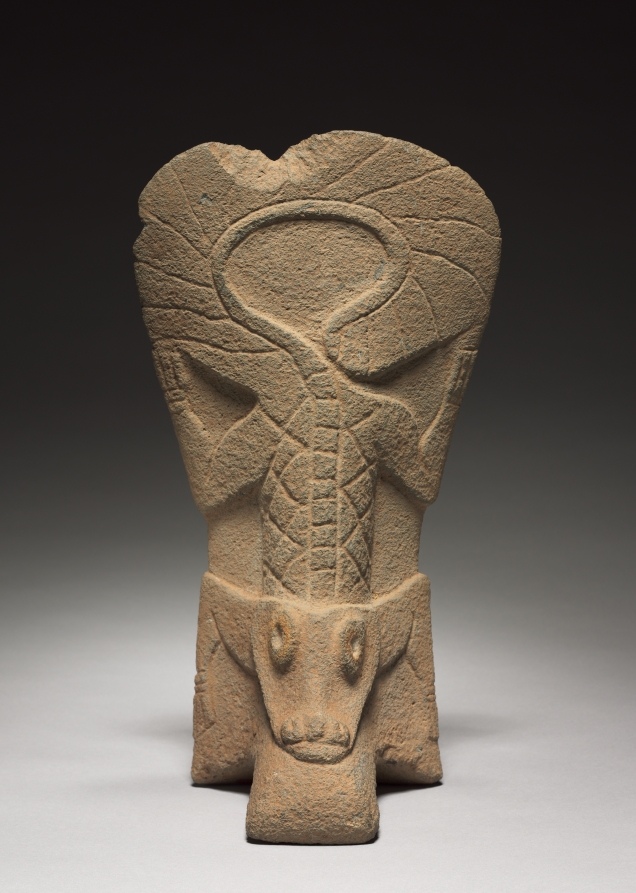
Ballgame Palma
Cleveland Museum of Art