Art Institute of Chicago
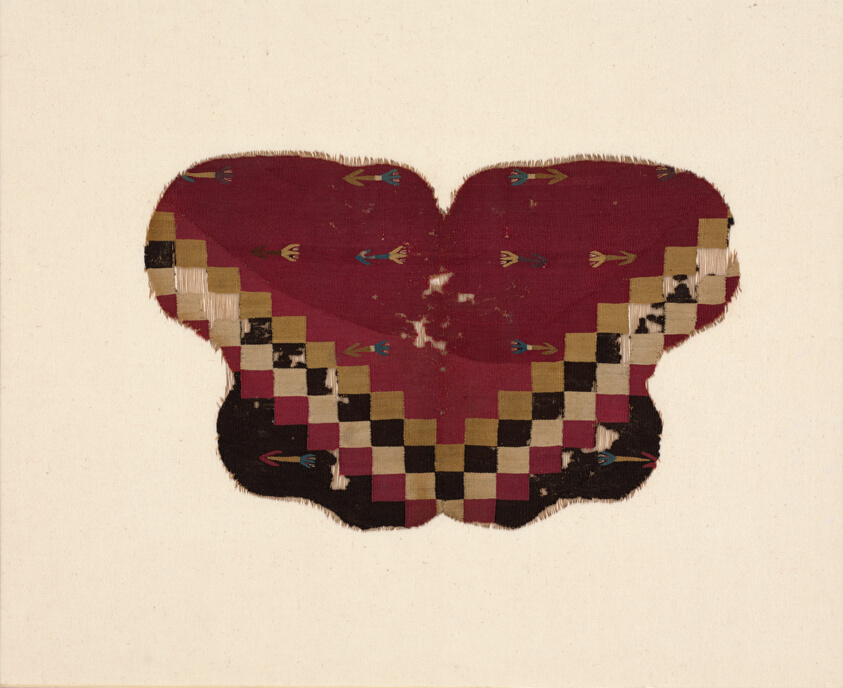
Fragment from the Shoulder of a Tunic (Uncu)
Colonial Inca
- Date
- 1550-1625
- Medium
- Cotton and wool (camelid), single interlocking tapestry weave with eccentric wefts
- Culture
- Peru
- Department
- Textiles
- Institution
- Art Institute of Chicago
This textile was cut from the shoulder area of an Inca or Indigenous man’s tunic, called an uncu in Quechua. The maker wove the cantuta flowers in opposite directions so they would remain upright when the garment was worn. The cascades of rectangles that define the yoke were invented during the Spanish Colonial period, possibly reinventing a style from an earlier regional culture that had been conquered by the Incas. The faint line within the red threads is a diagonal break that reveals the cloth was woven in sections—a time-saving approach used after the Inca Empire’s strict rules for creating textiles waned. This tunic waistband fragment in our collection was also part of the same garment. A third piece of the same tunic is in the collection of The Textile Museum in Washington, DC (91.8).
The authoritative record is held by Art Institute of Chicago. LinkedCulture surfaces this object and its connections; it does not alter institutional metadata.
Related across collections
Semantically similar works from Art Institute of Chicago and other institutions.
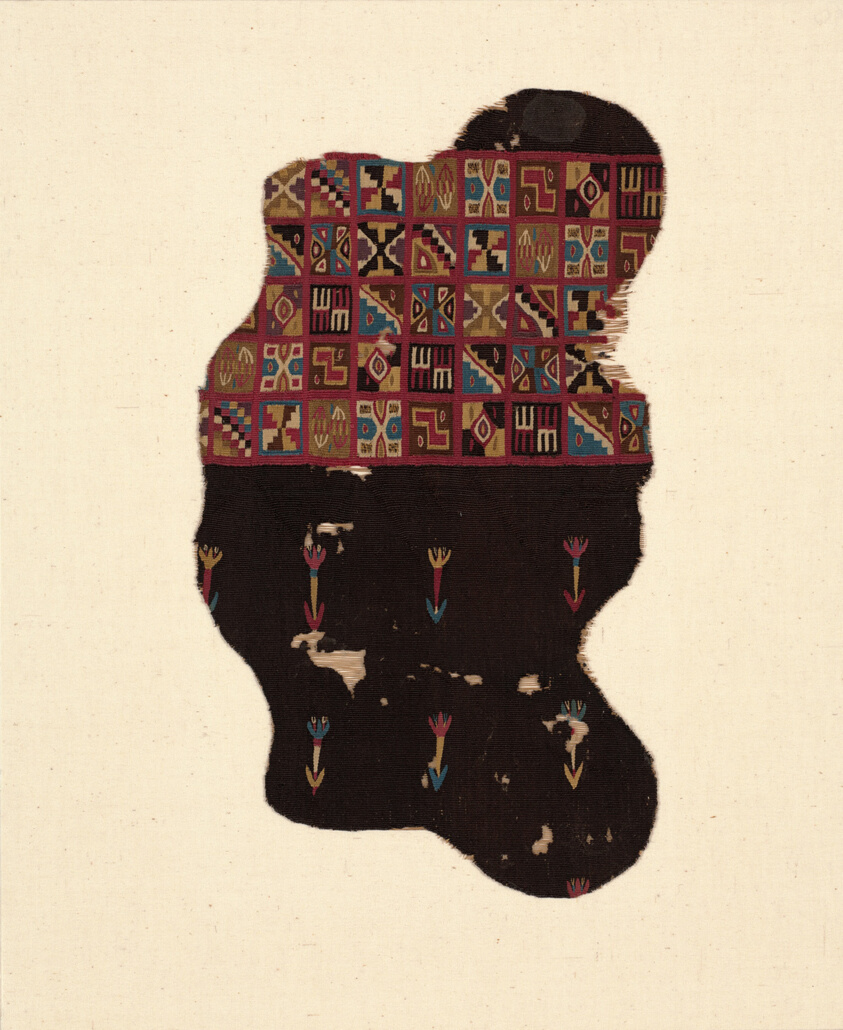
Fragment from the Topacu Waistband of a Tunic (Uncu)
Art Institute of Chicago
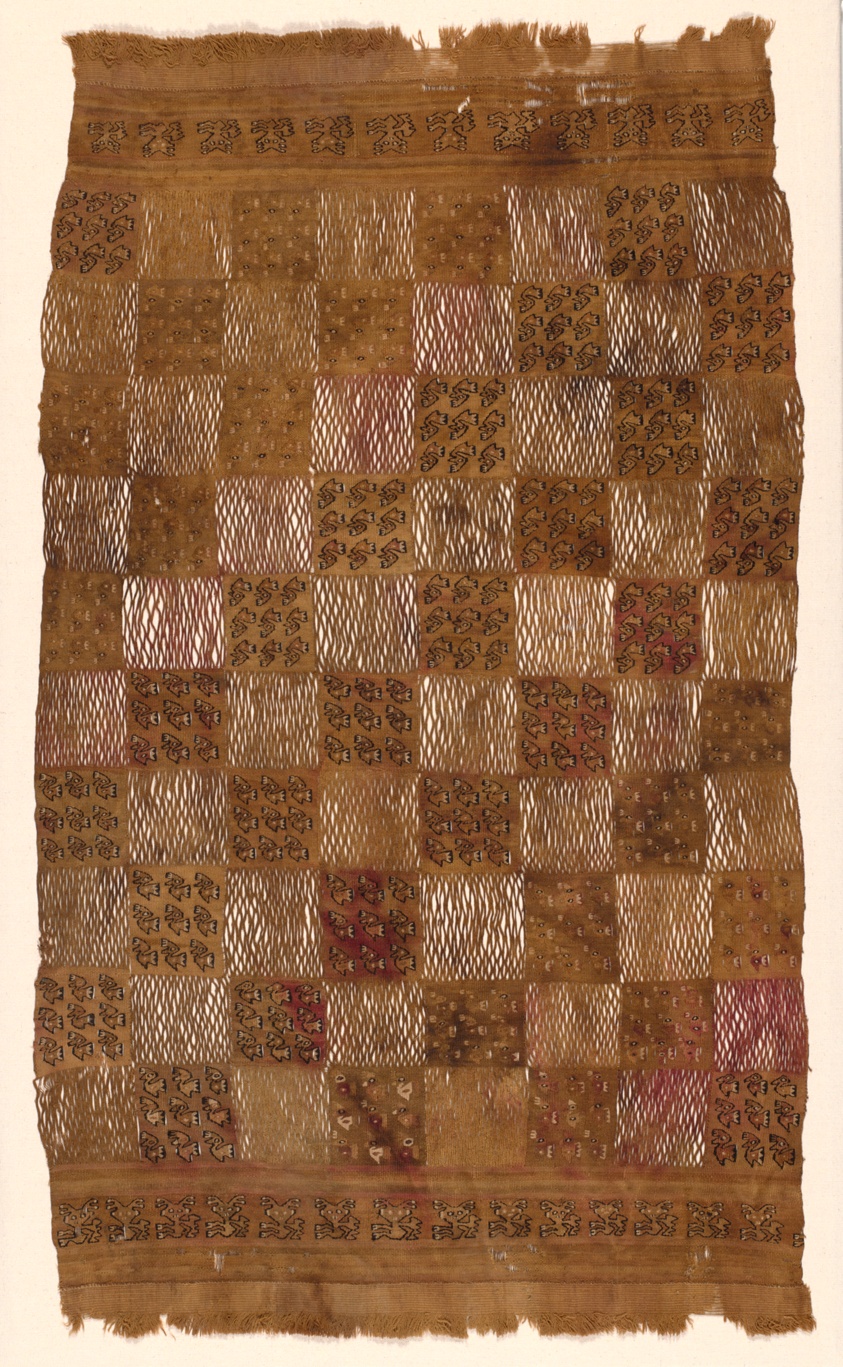
Tunic shoulder fragment
Art Institute of Chicago
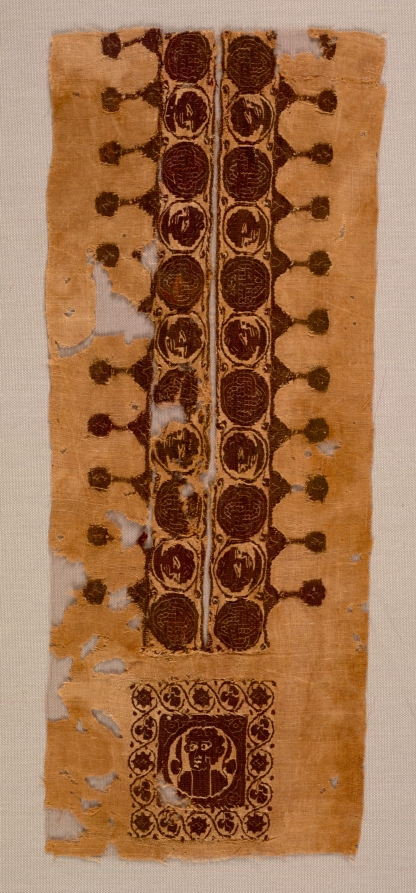
Neck and Shoulder Decoration from a Tunic
Cleveland Museum of Art
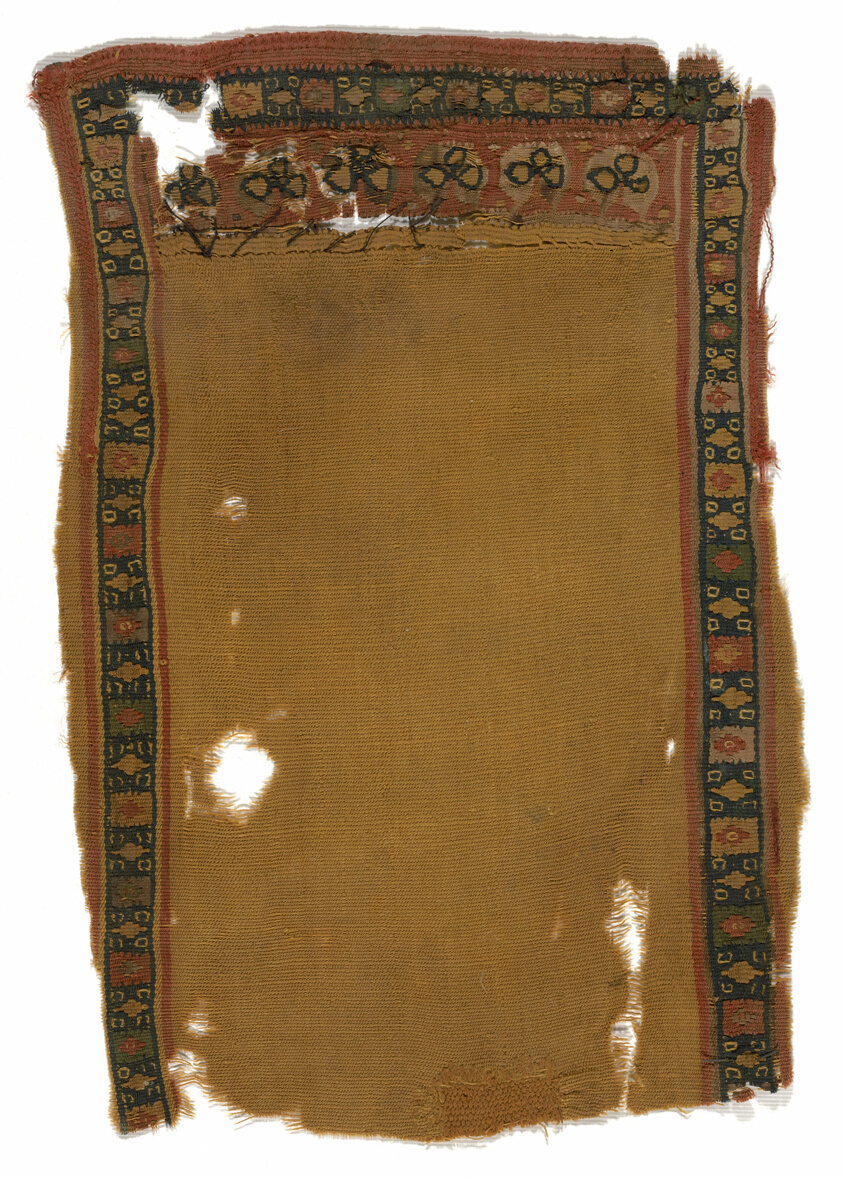
Fragment From a Tunic
Art Institute of Chicago
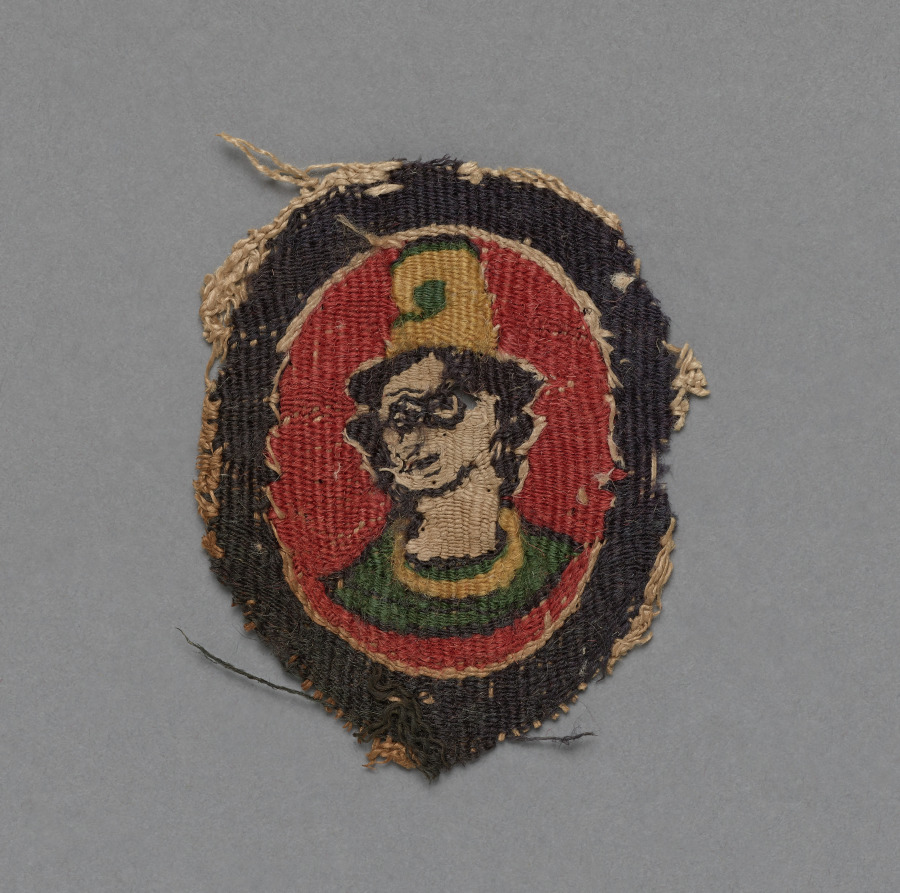
Fragment from a Tunic
Cleveland Museum of Art
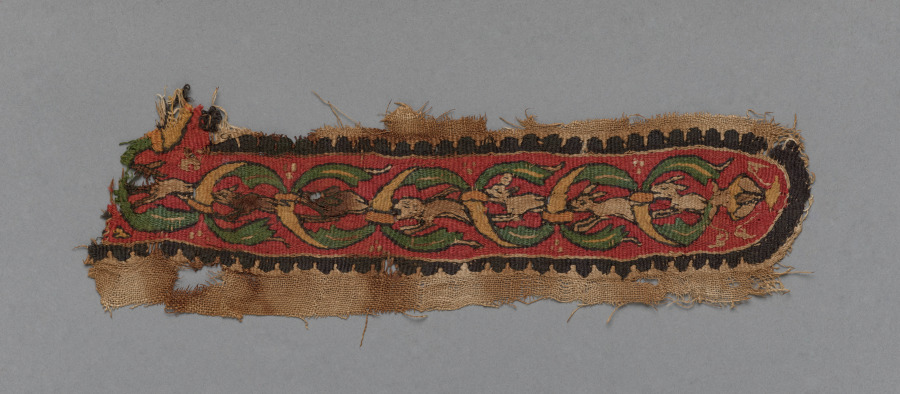
Fragment from a Tunic
Cleveland Museum of Art
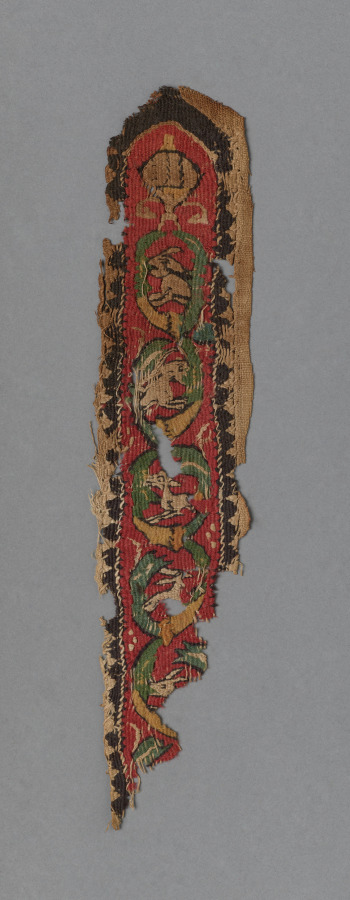
Fragment from a Tunic
Cleveland Museum of Art
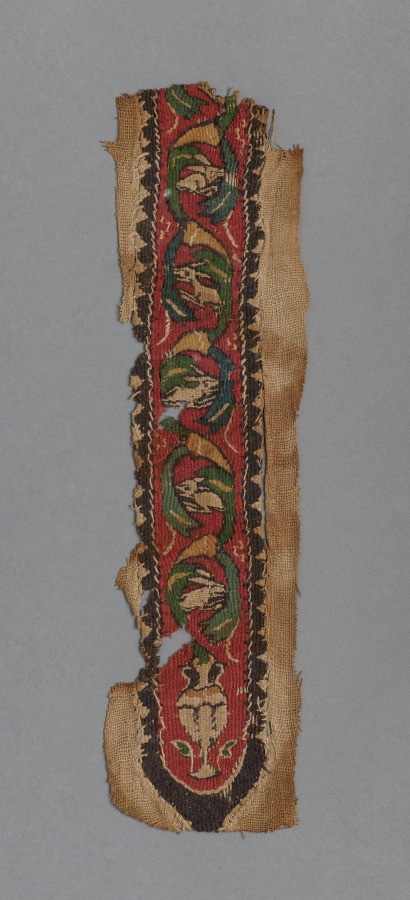
Fragment from a Tunic
Cleveland Museum of Art
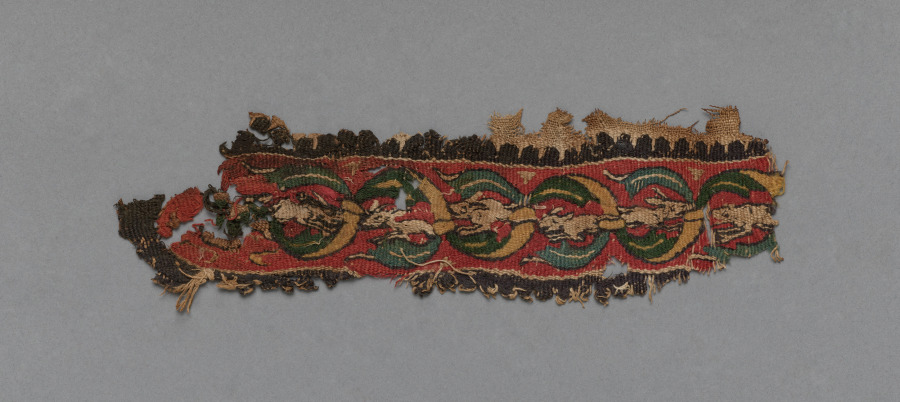
Fragment from a Tunic
Cleveland Museum of Art
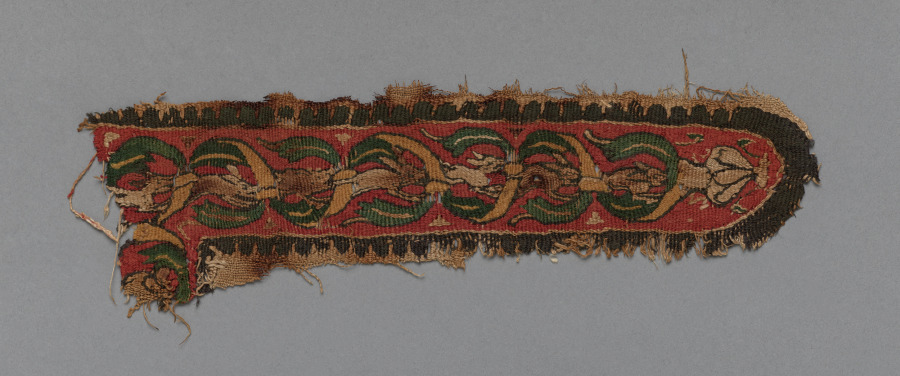
Fragment from a Tunic
Cleveland Museum of Art
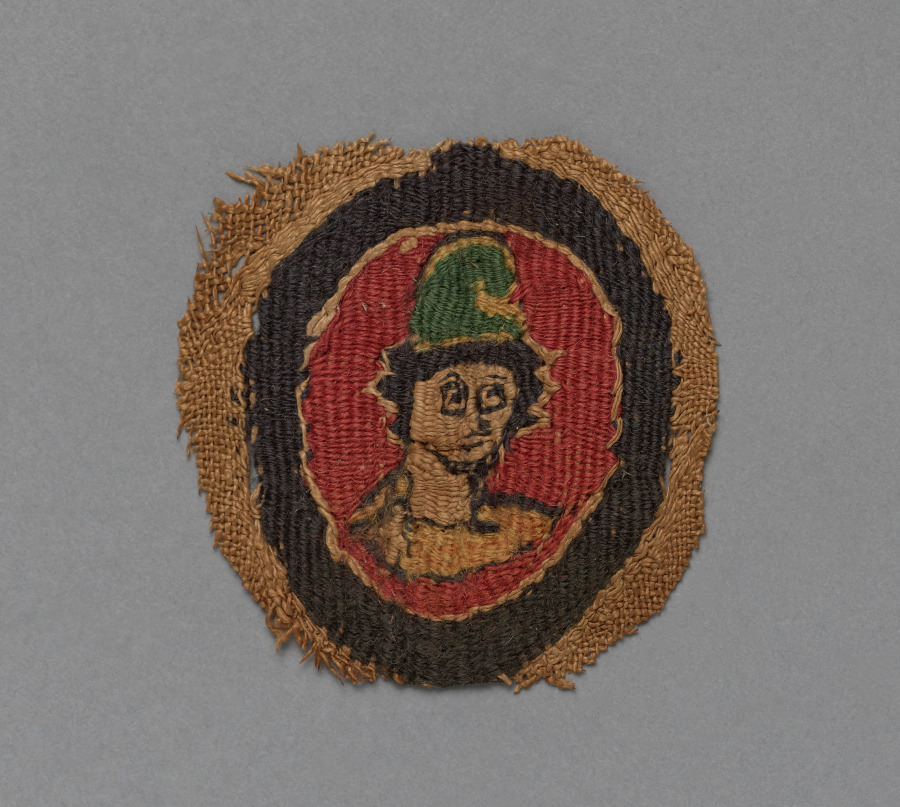
Fragment from a Tunic
Cleveland Museum of Art
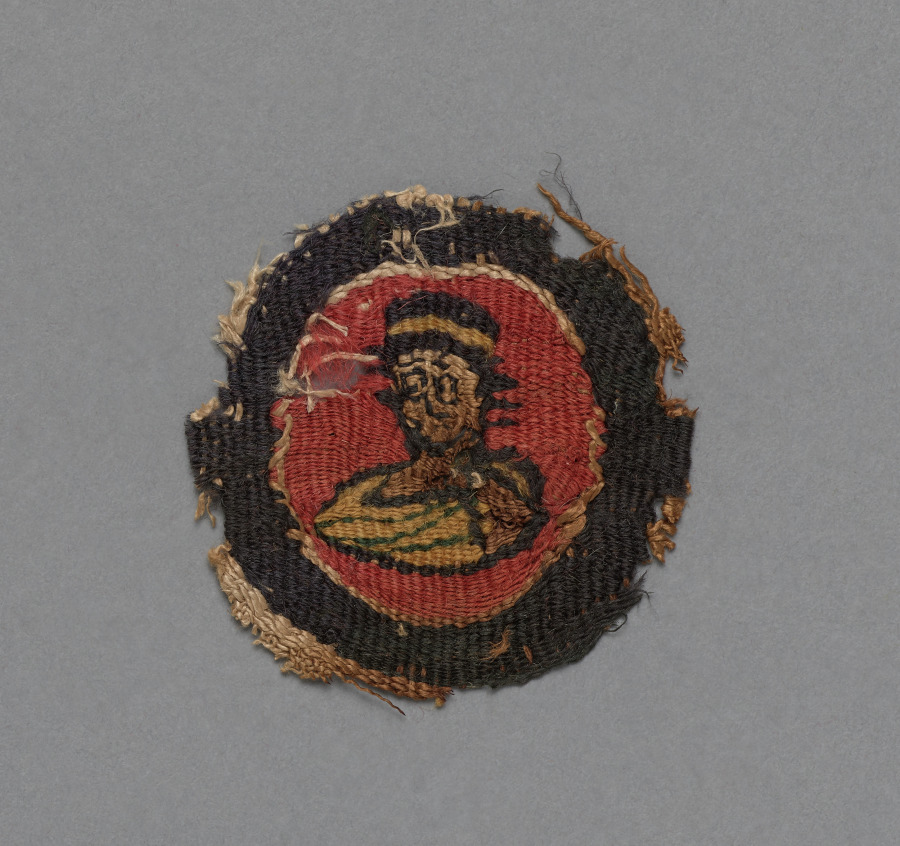
Fragment from a Tunic
Cleveland Museum of Art