Art Institute of Chicago
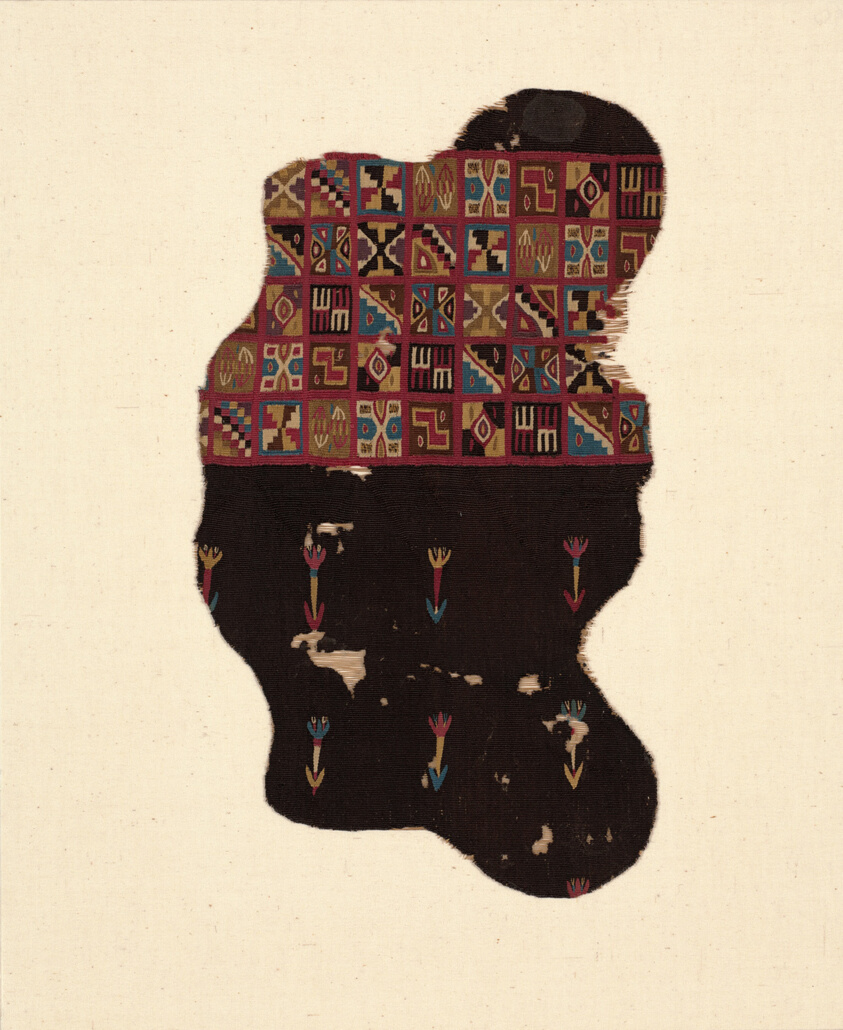
Fragment from the Topacu Waistband of a Tunic (Uncu)
Colonial Inca
- Date
- 1550-1625
- Medium
- Cotton and wool (camelid), single interlocking tapestry weave with eccentric wefts
- Culture
- Peru
- Department
- Textiles
- Institution
- Art Institute of Chicago
This textile was cut from the waist area of an Inca or Indigenous man’s tunic, called an uncu in Quechua. It was woven during the Spanish colonial period and features five rows of rectangular tocapu motifs. During the Inca Empire, these designs could only be woven for the Sapa Inca, or emperor, who alone granted permission to wear them. These sumptuary laws were later ignored, however, and tocapu clothing became a way for Indigenous elites to display their wealth. This tunic shoulder fragment in our collection was also part of the same garment. A third piece of the same tunic is in the collection of The Textile Museum in Washington, DC (91.8).
The authoritative record is held by Art Institute of Chicago. LinkedCulture surfaces this object and its connections; it does not alter institutional metadata.
Related across collections
Semantically similar works from Art Institute of Chicago and other institutions.
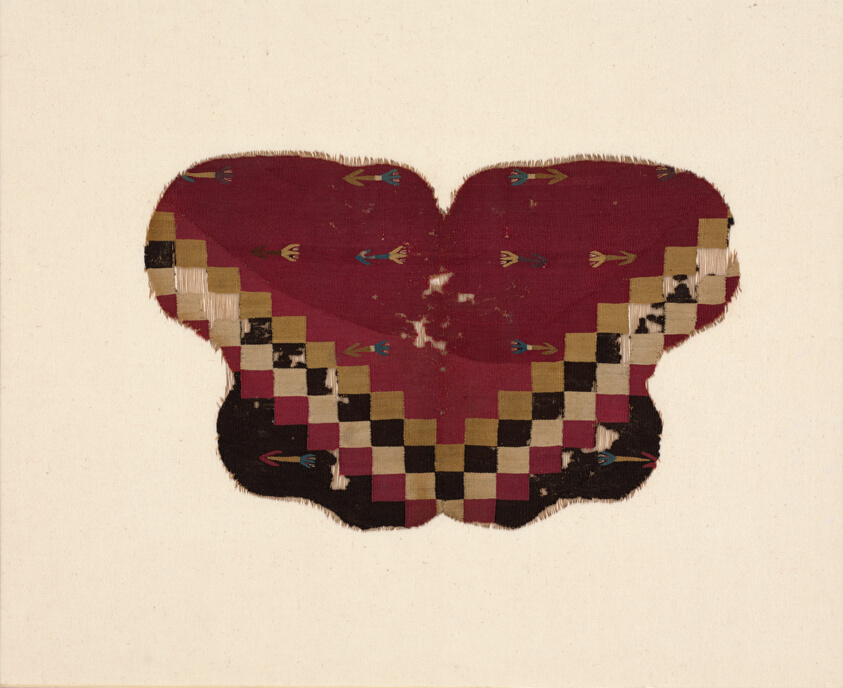
Fragment from the Shoulder of a Tunic (Uncu)
Art Institute of Chicago
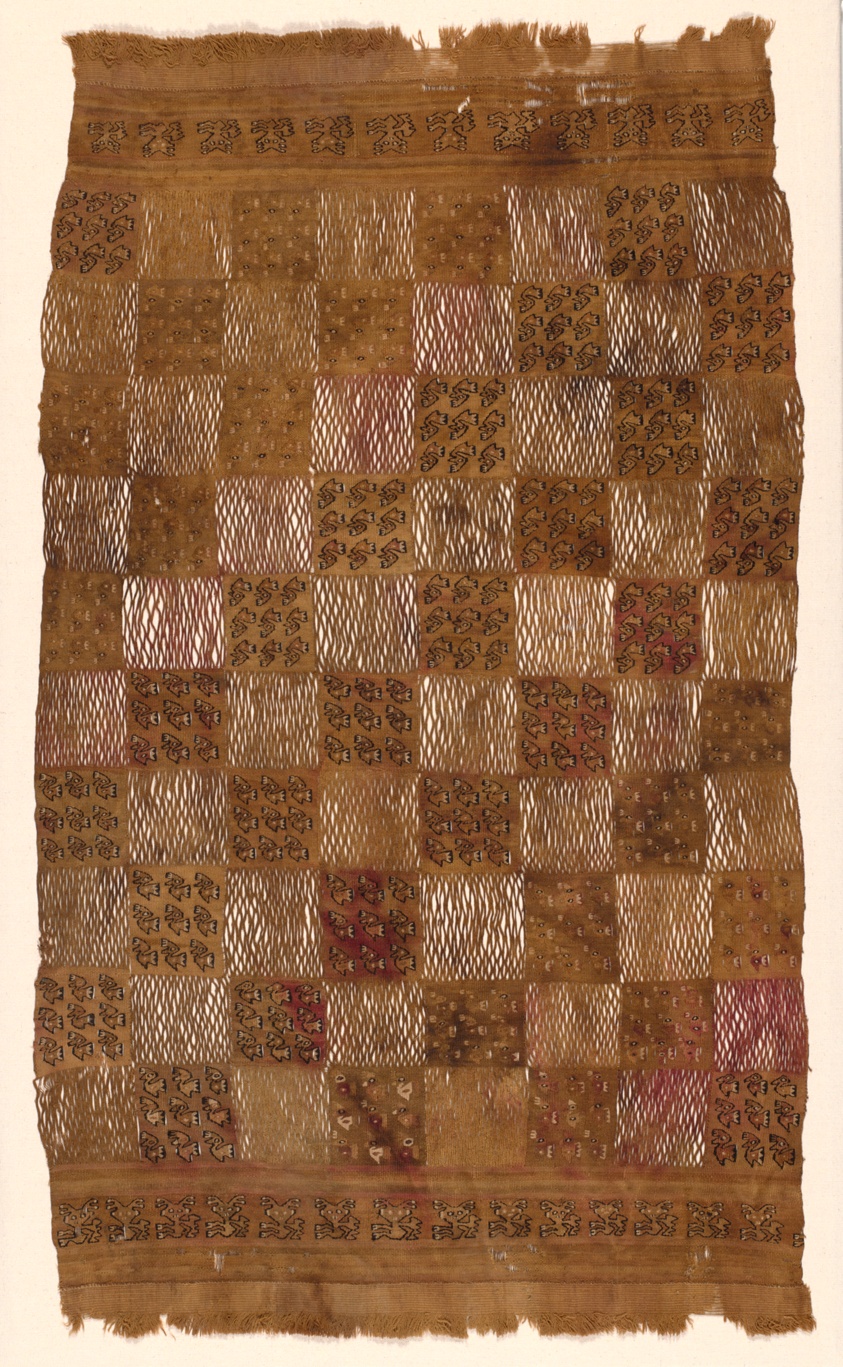
Tunic shoulder fragment
Art Institute of Chicago
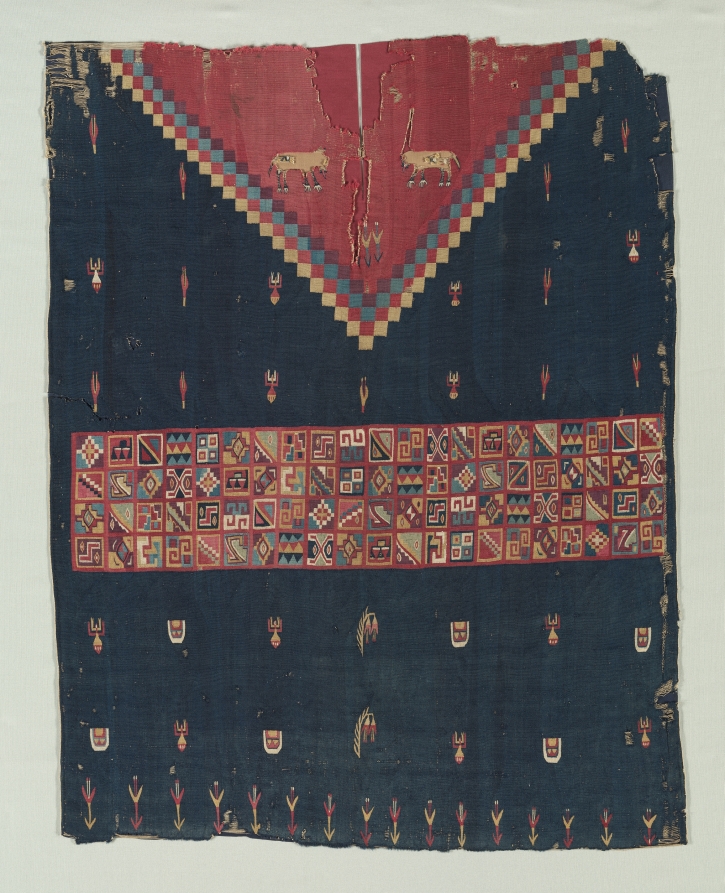
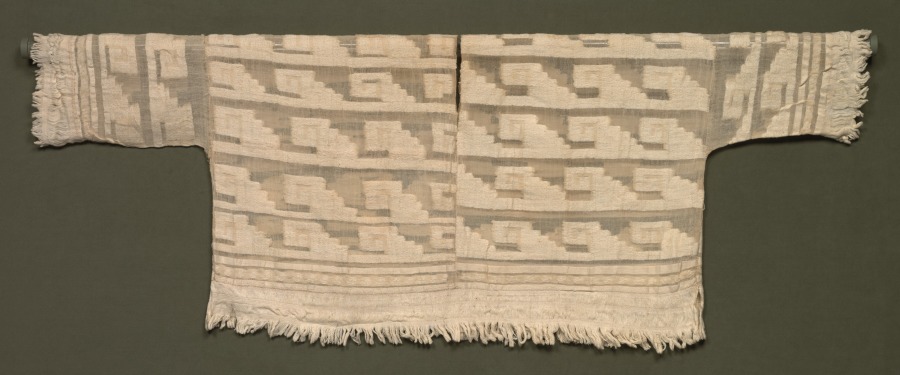
Half Tunic
Cleveland Museum of Art
Tunic
Cleveland Museum of Art
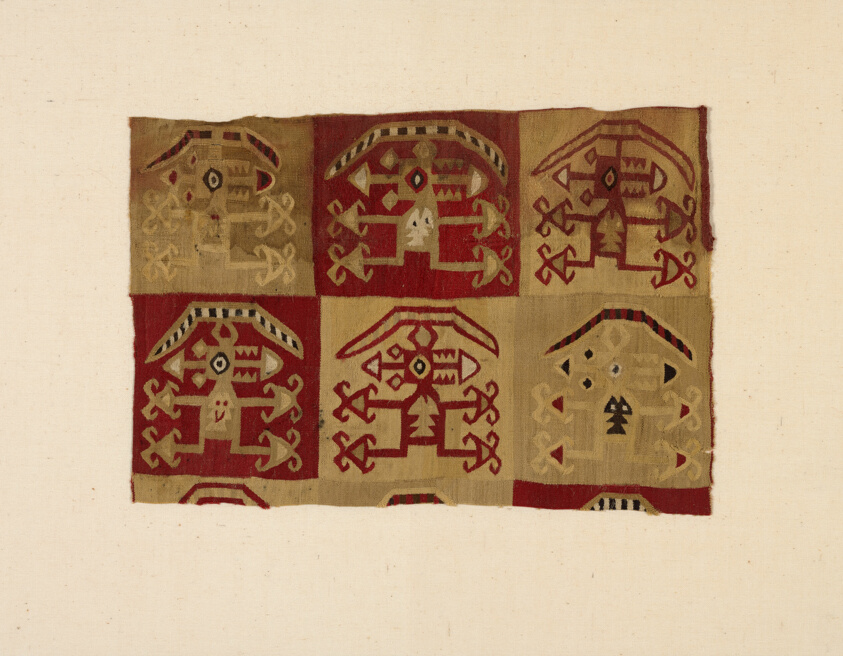
Fragment (Tunic)
Art Institute of Chicago
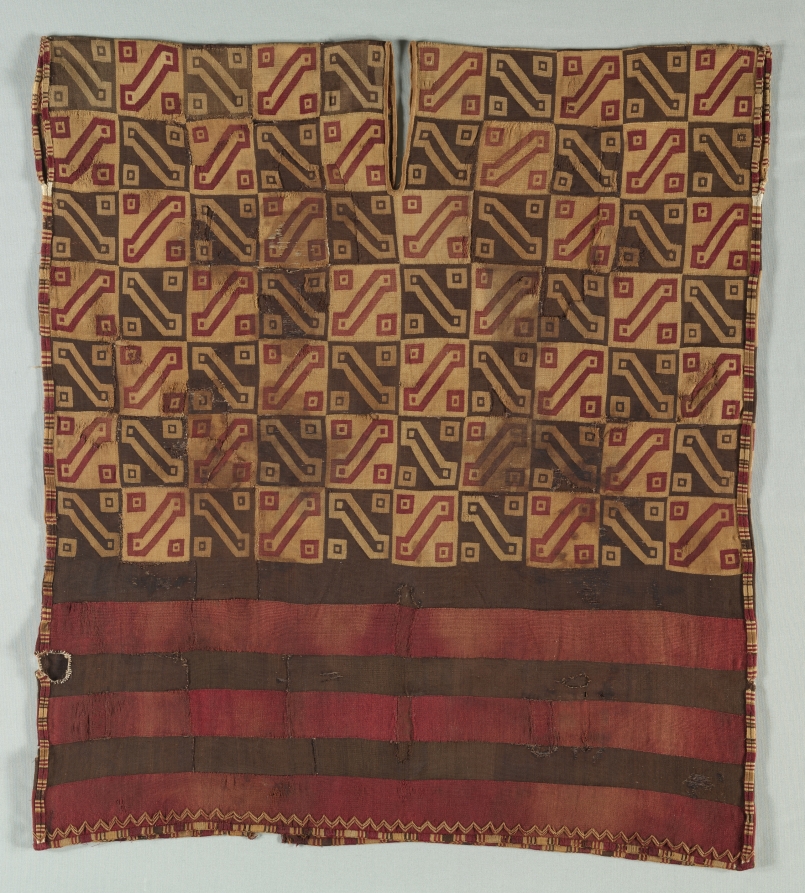
Tunic
Cleveland Museum of Art
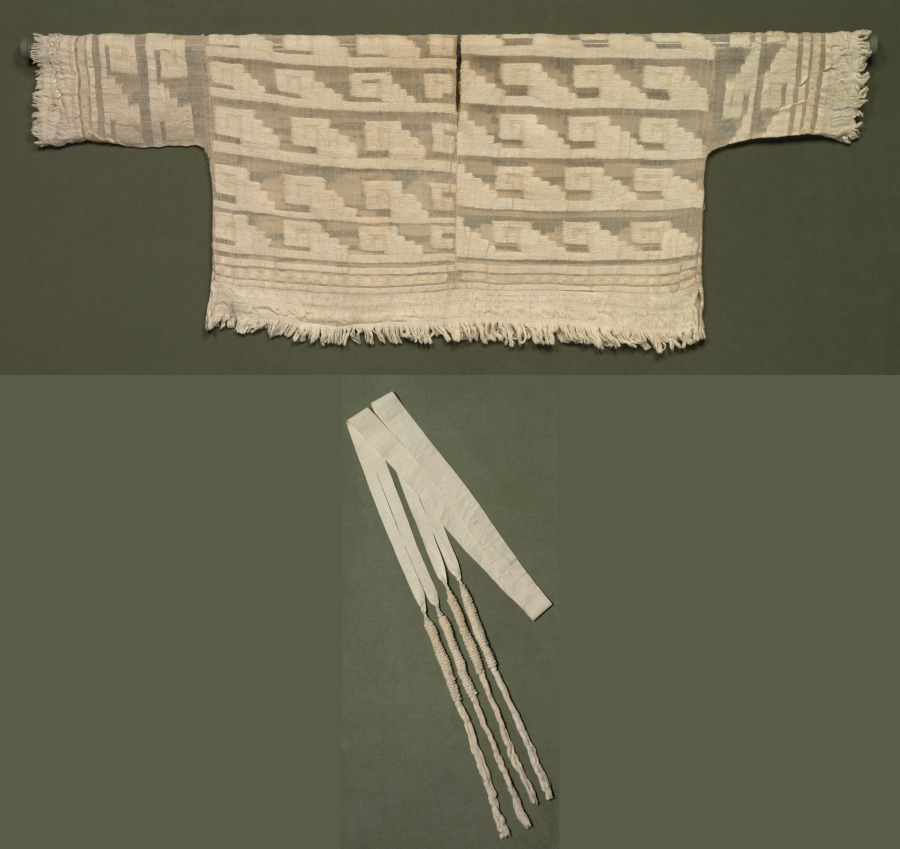
Tunic and Band
Cleveland Museum of Art
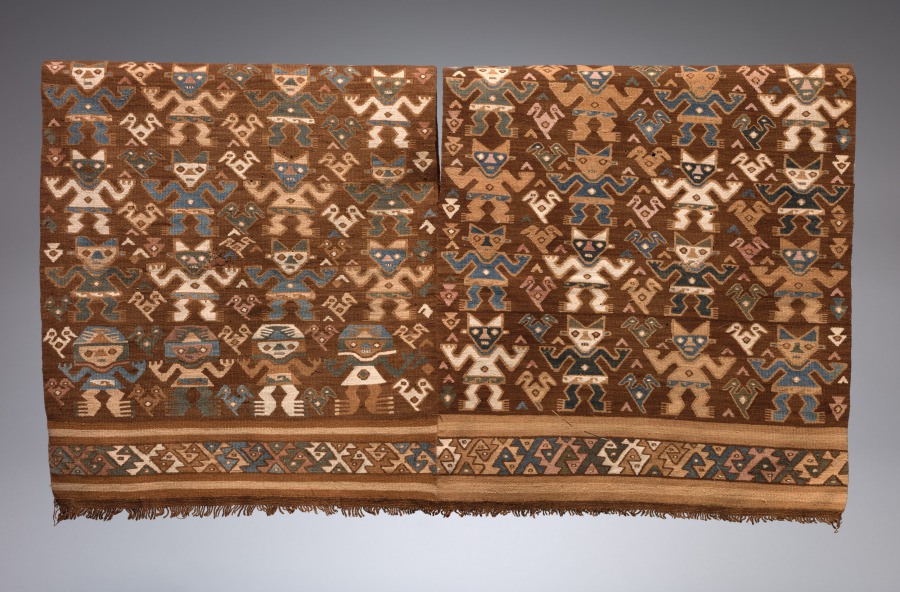
Tunic with Frontal Figures
Cleveland Museum of Art
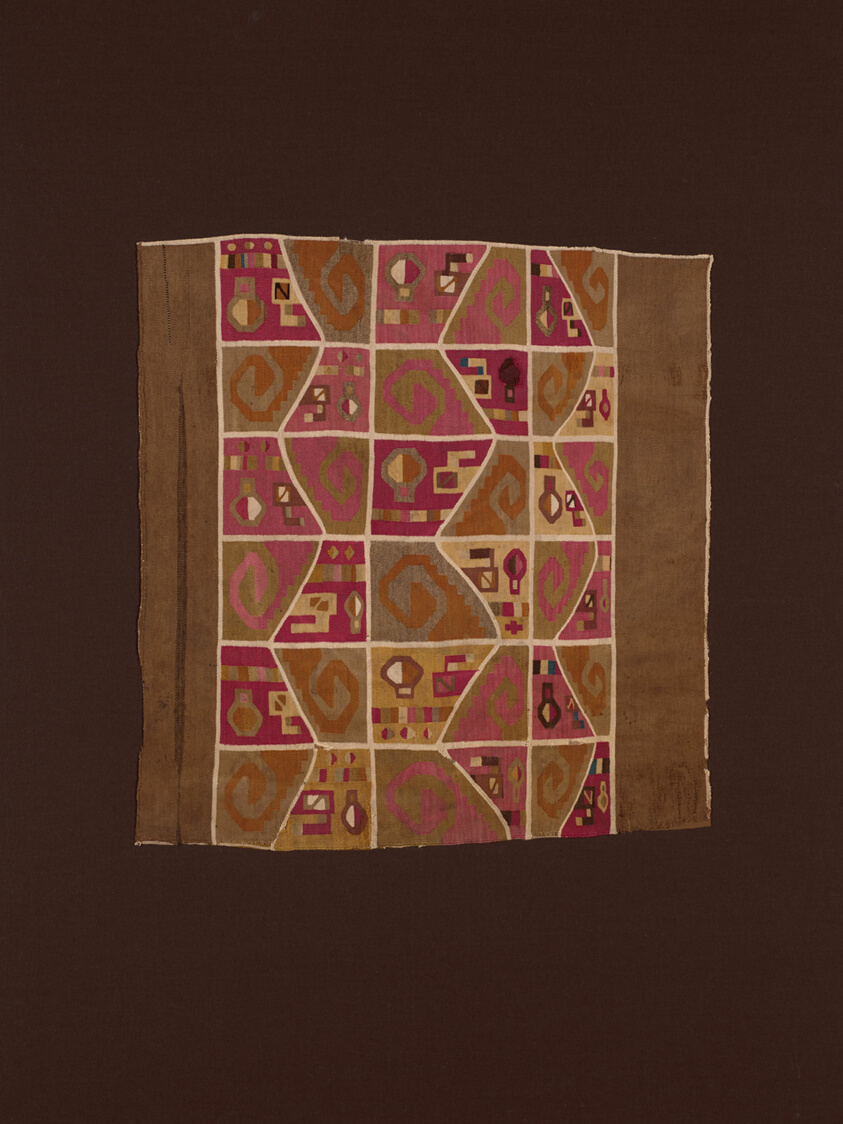
Tunic Fragment
Art Institute of Chicago

Tunic Fragment
Art Institute of Chicago
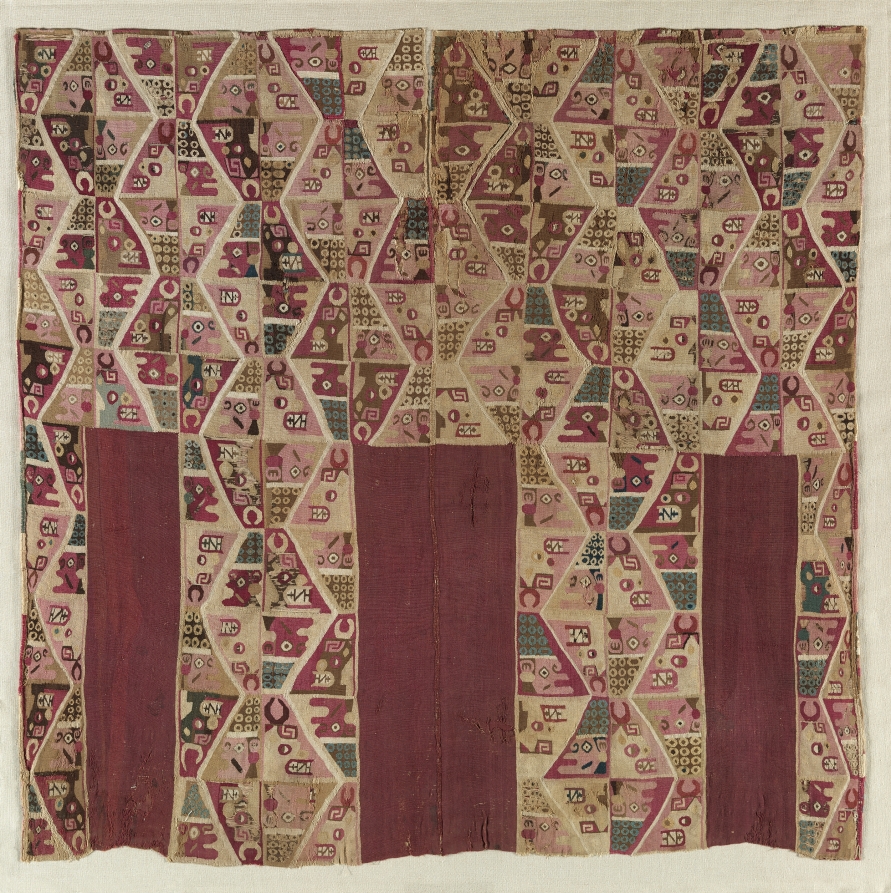
Tunic with Profile Animal and Human Heads
Cleveland Museum of Art
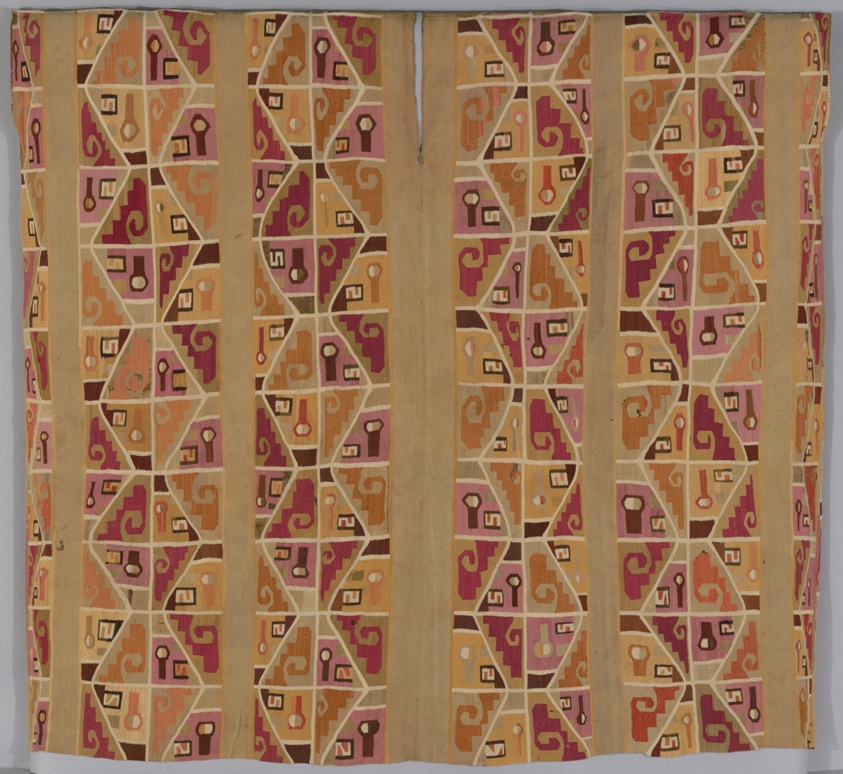
Tunic
Art Institute of Chicago