Art Institute of Chicago
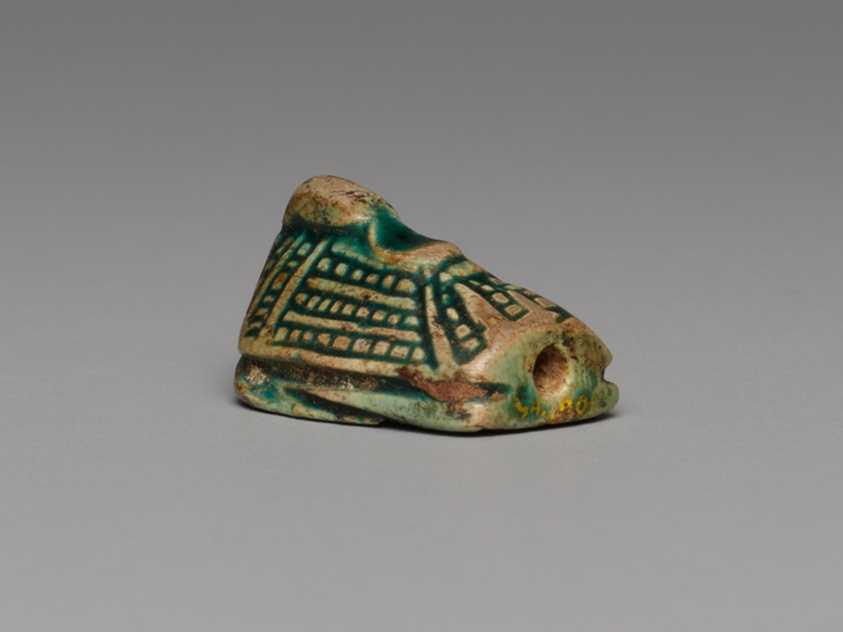
Scaraboid in the Form of a Duck
Egyptian
- Date
- New Kingdom, Dynasty 18 (about 1550–1295 BCE)
- Medium
- Glazed steatite
- Culture
- Egypt
- Department
- Arts of Africa
- Institution
- Art Institute of Chicago
With intricately carved “feathers” beneath its bright blue glaze, this scaraboid (a type of amulet), depicts a duck resting its head upon its back. It may represent a sleeping duck, inviting associations of awakening after one’s rebirth into the afterlife. The small charm may also reflect ducks’ popularity as a food source in ancient Egypt. A scaraboid was a common tomb offering to sustain the dead, and this one may represent a duck that has been prepared for feasting. Objects like this one derive their name from the beetle-shaped scarab amulets they resemble. Both types of carvings feature inscriptions on their undersides: phrases, names, or images of animals or deities, intended to help bring about good luck and renewal. These patterns could also be used as personal or institutional stamp seals. The inscription on the bottom of this scaraboid shows cobras flanking a sistrum—a percussive rattle shaken during rituals to calm deities—with the head of the goddess Hathor. Both she and the sistrum were associated with fertility and protection. The owner of this piece would enjoy the protections offered by both the inscription and the duck.
The authoritative record is held by Art Institute of Chicago. LinkedCulture surfaces this object and its connections; it does not alter institutional metadata.
Linked open data
Authority identifiers that link this record into the wider web of cultural data — stable references you can follow to the source.
- Object type
- AAT300209261
Related across collections
Semantically similar works from Art Institute of Chicago and other institutions.
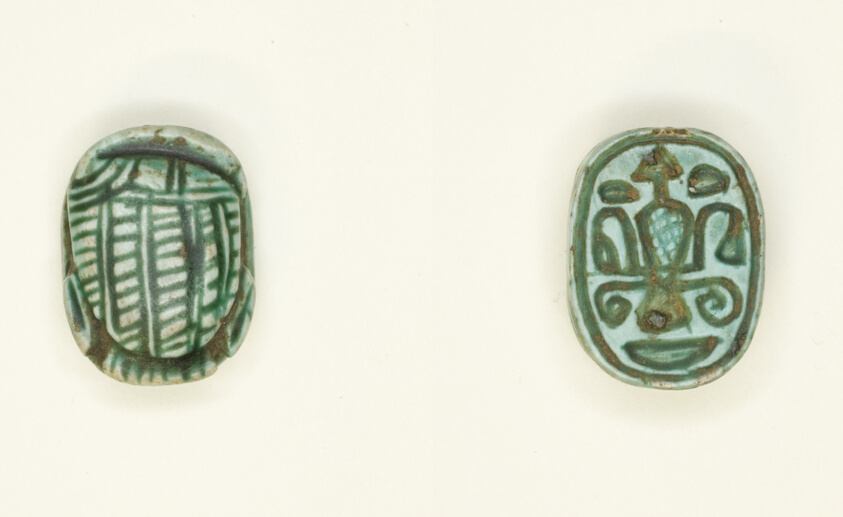
Scaraboid: Duck with Head lying on its Side
Art Institute of Chicago
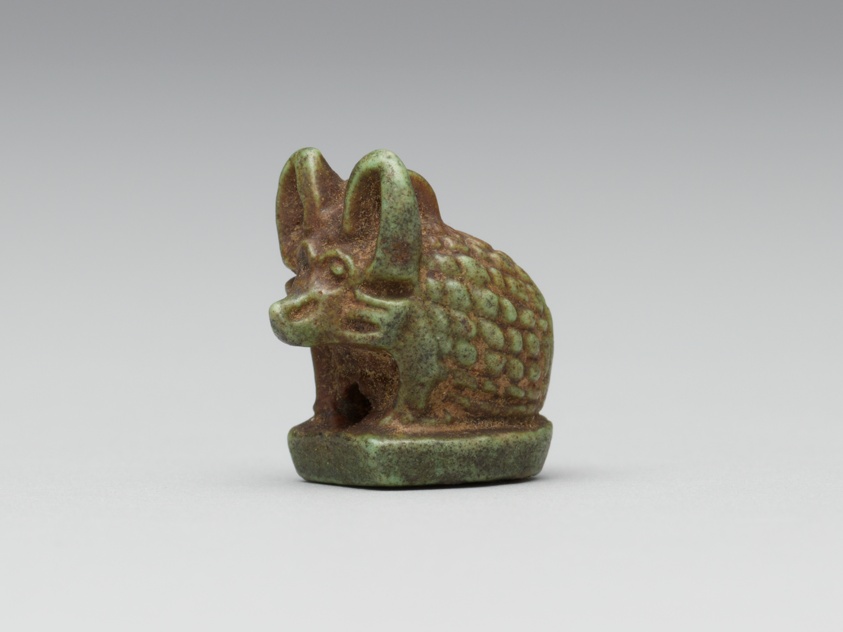
Scaraboid in the Form of a Hedgehog
Art Institute of Chicago

Scarab
Minneapolis Institute of Art

Engraved Scaraboid with Dove Carrying a Letter
Getty Museum
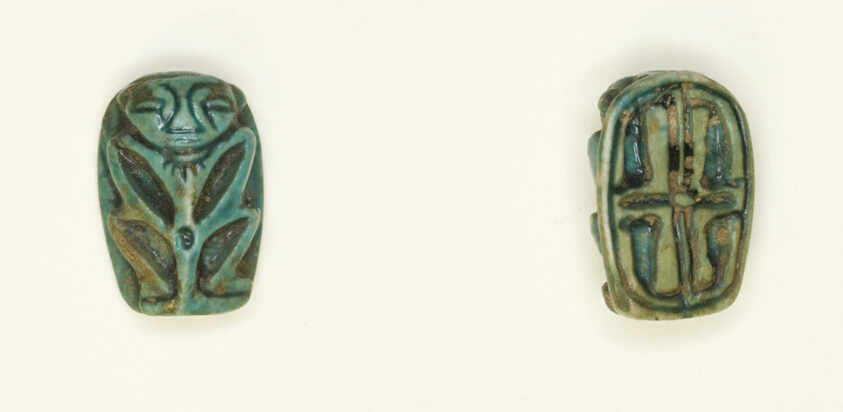
Scaraboid: Dwarf Figure
Art Institute of Chicago

Engraved Scaraboid with Chimaera
Getty Museum

Engraved Scaraboid with Aphrodite Riding a Goose
Getty Museum

Engraved Scaraboid with Zeus Enthroned
Getty Museum
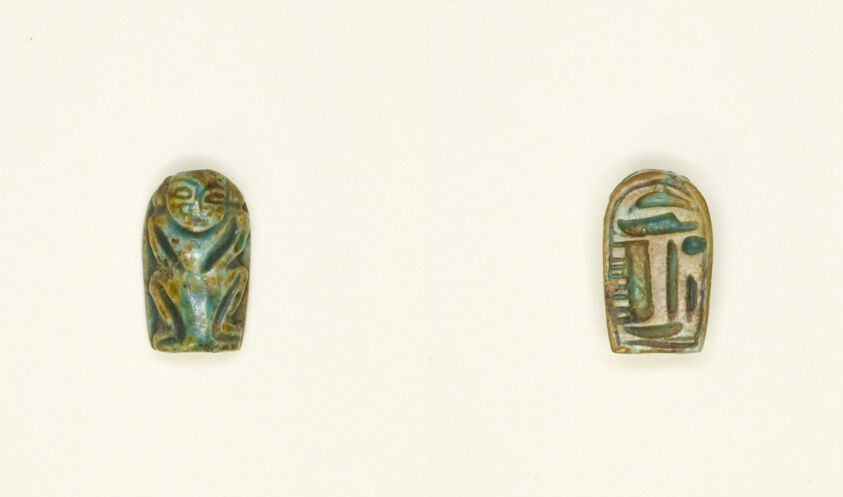
Scaraboid: Dwarf Figure
Art Institute of Chicago
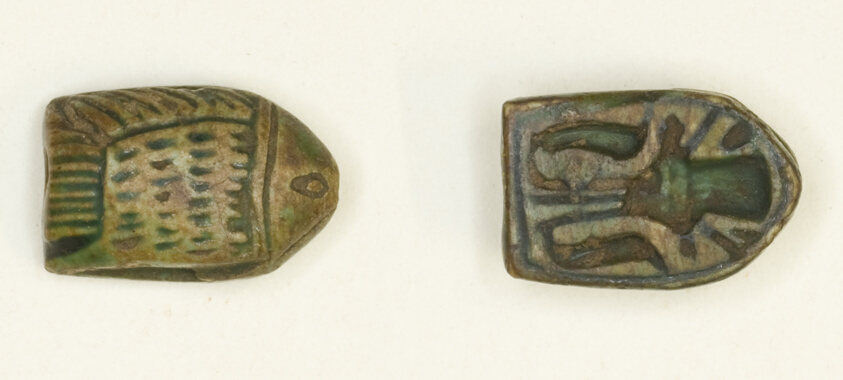
Scaraboid: Fish
Art Institute of Chicago
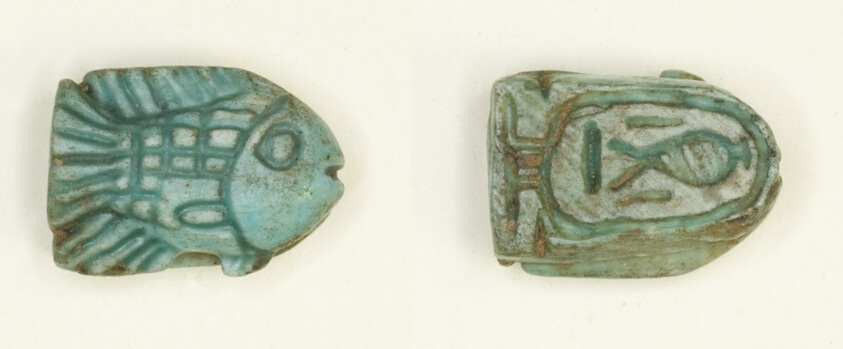
Scaraboid: Fish
Art Institute of Chicago
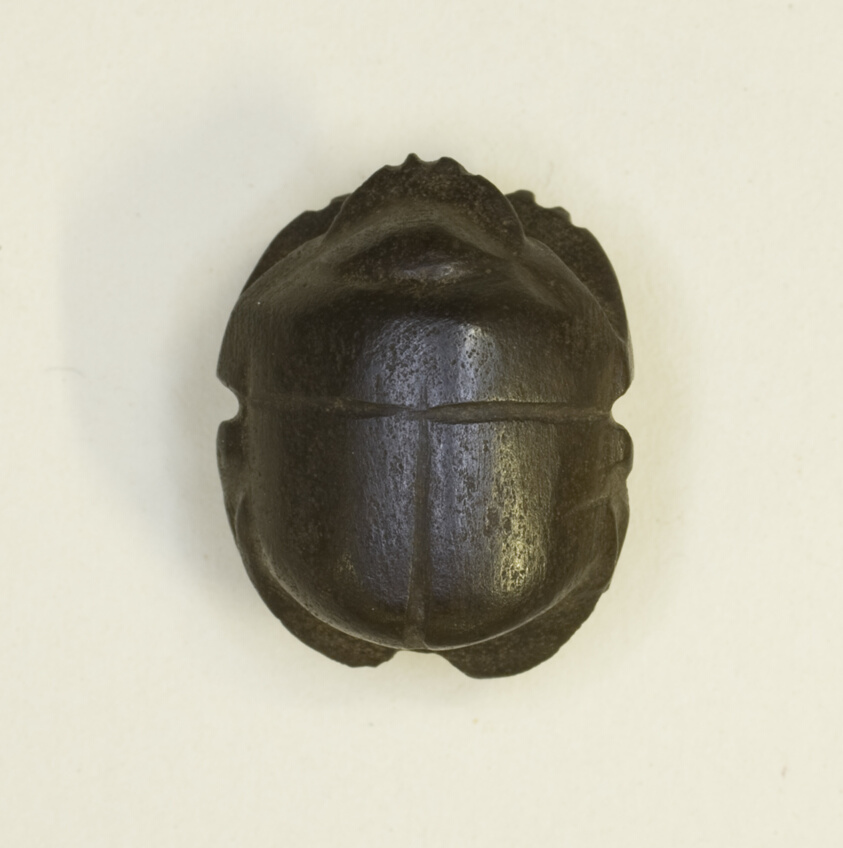
Scarab Amulet
Art Institute of Chicago