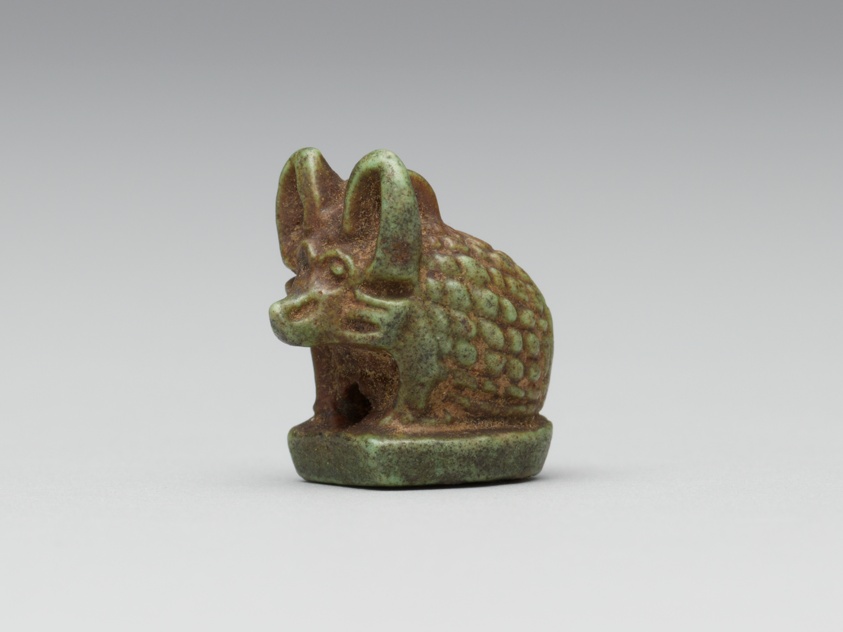
Art Institute of Chicago
Scaraboid in the Form of a Hedgehog
Egyptian
- Date
- New Kingdom–Third Intermediate Period (about 1550–664 BCE)
- Medium
- Steatite
- Culture
- Egypt
- Department
- Arts of Africa
- Institution
- Art Institute of Chicago
This amulet’s large, alert ears indicate that it likely represents the long-eared hedgehog ( hemiechinus auritus ), one of two hedgehog species native to North Africa. Despite their small stature, hedgehogs have many defenses against the harsh desert environment that ancient Egyptians admired. They use their spines for protection from predators and have immunity to snake and scorpion venom. Ancient Egyptians may have also associated hedgehogs with cycles of rebirth because they are hibernating animals. This diminutive hedgehog belongs to a type of amulet that scholars call “scaraboids.” Objects like this one derive their name from the beetle-shaped scarab amulets they resemble. Both types of carvings feature inscriptions on their undersides: phrases, names, or images of animals or deities, intended to help bring about good luck and renewal. These patterns could also be used as personal or institutional stamp seals. Ancient Egyptians likely hoped to manifest the hedgehog’s strong qualities themselves by wearing a scaraboid shaped like the animal.
The authoritative record is held by Art Institute of Chicago. LinkedCulture surfaces this object and its connections; it does not alter institutional metadata.
Linked open data
Authority identifiers that link this record into the wider web of cultural data — stable references you can follow to the source.
- Object type
- AAT300209261
Related across collections
Semantically similar works from Art Institute of Chicago and other institutions.
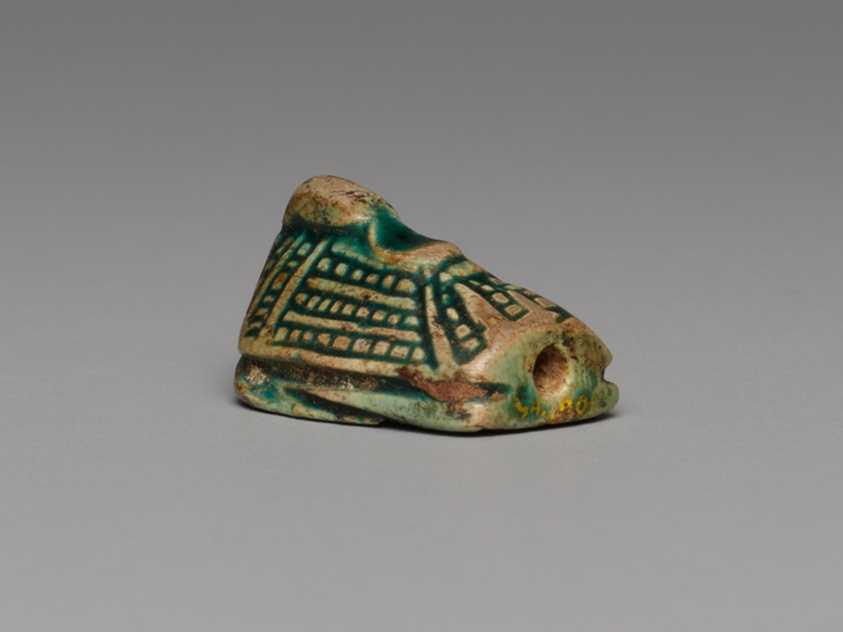
Scaraboid in the Form of a Duck
Art Institute of Chicago
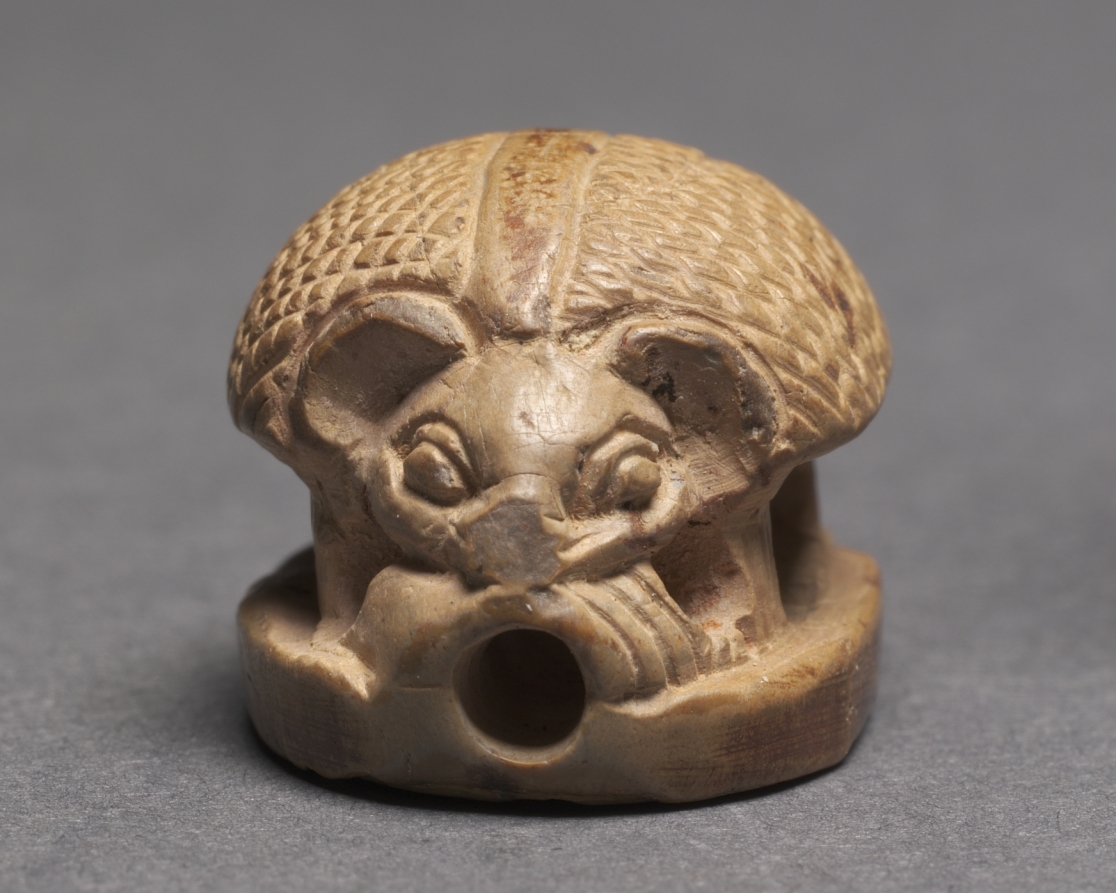
Hedgehog
Cleveland Museum of Art
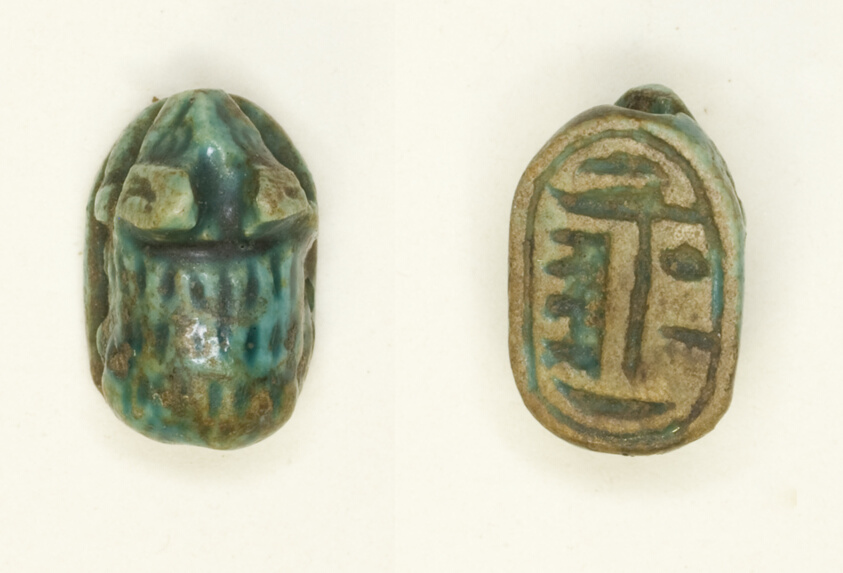
Scaraboid: Hedgehog
Art Institute of Chicago

Scarab
Minneapolis Institute of Art
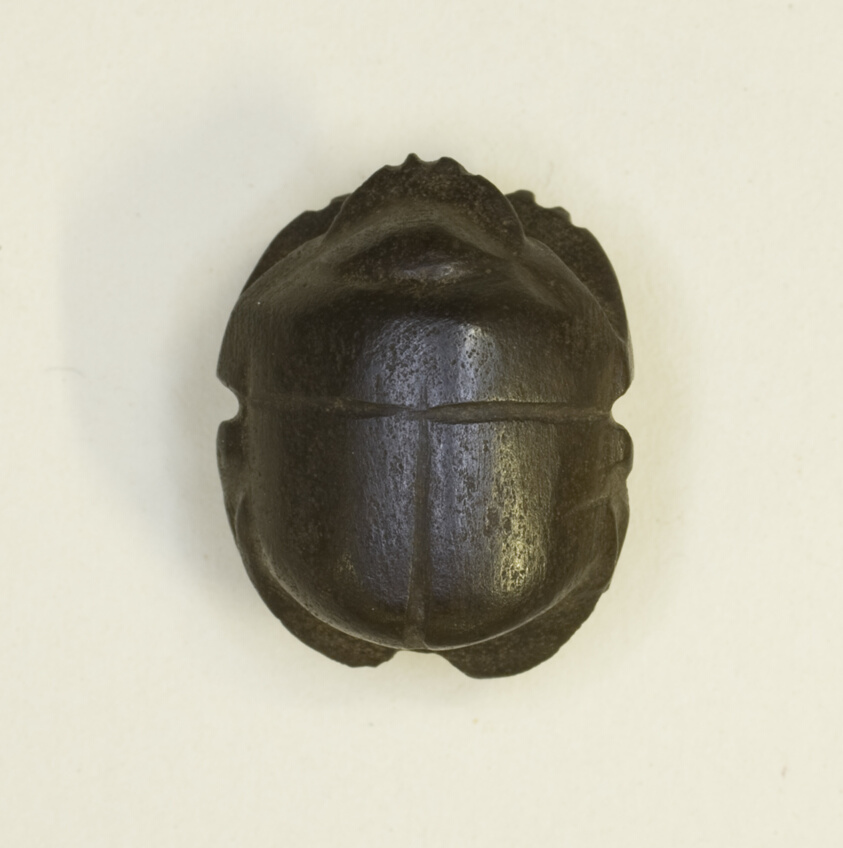
Scarab Amulet
Art Institute of Chicago
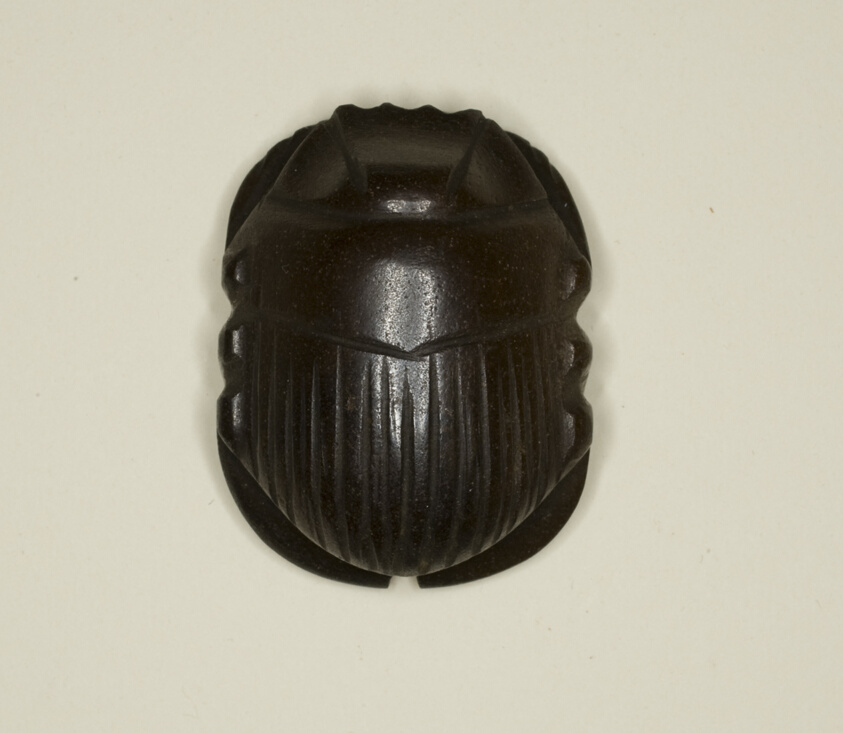
Scarab Amulet
Art Institute of Chicago
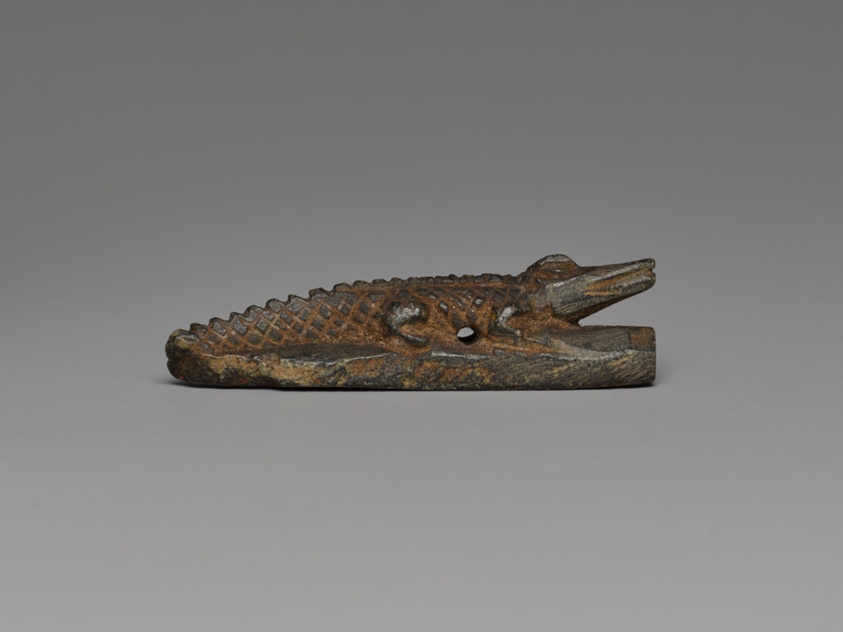
Amulet of a Crocodile
Art Institute of Chicago
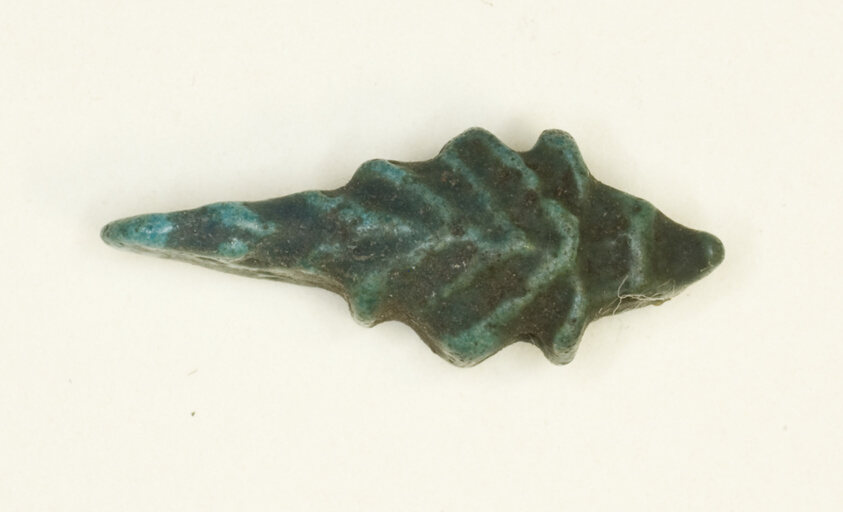
Amulet of a Crocodile
Art Institute of Chicago
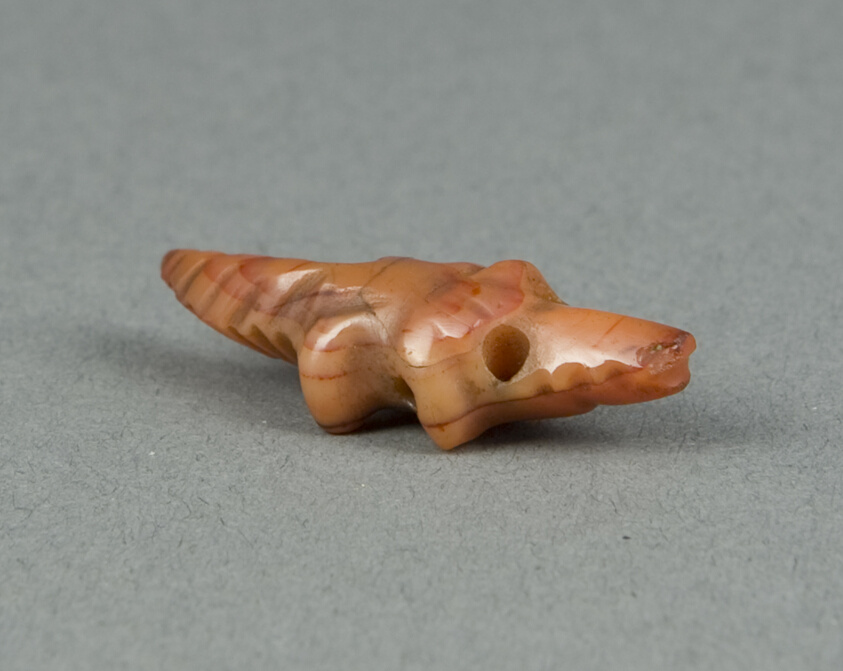
Amulet of a Crocodile
Art Institute of Chicago

Engraved Scarab with Head of a Gorgon
Getty Museum
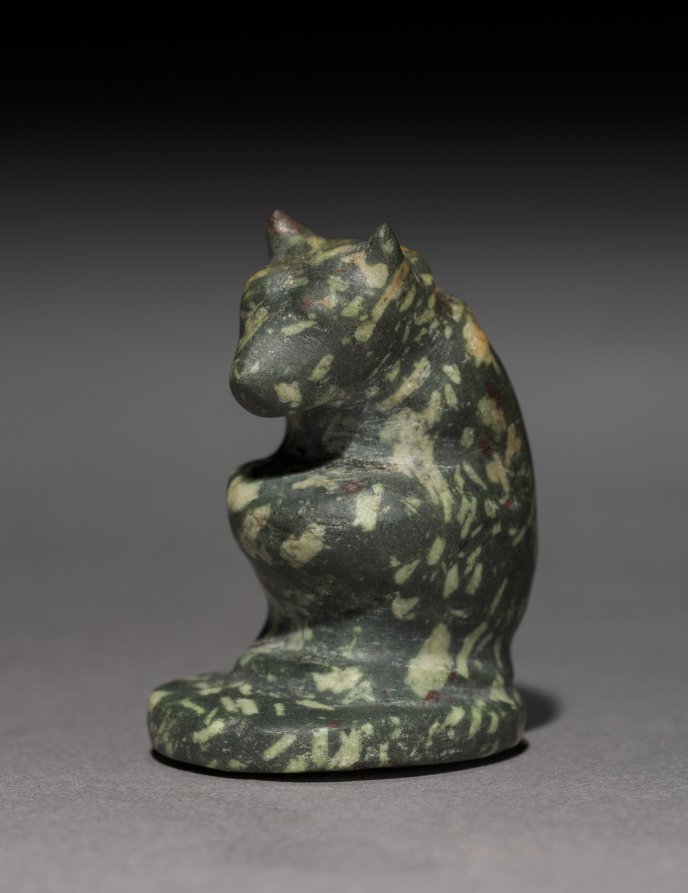
Amulet of a Crouching Bear
Cleveland Museum of Art
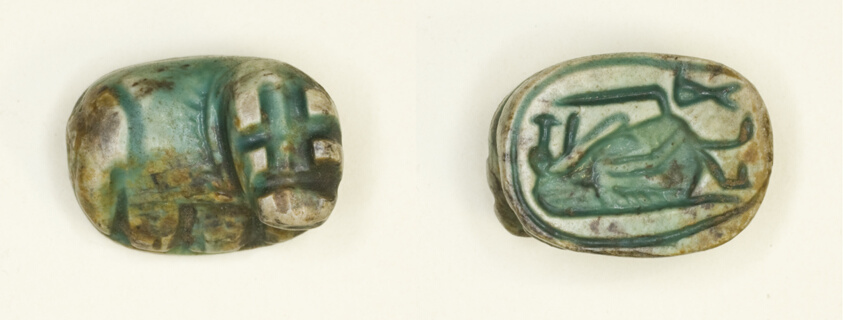
Scaraboid in the Form of a Hippopotamus
Art Institute of Chicago