Cleveland Museum of Art
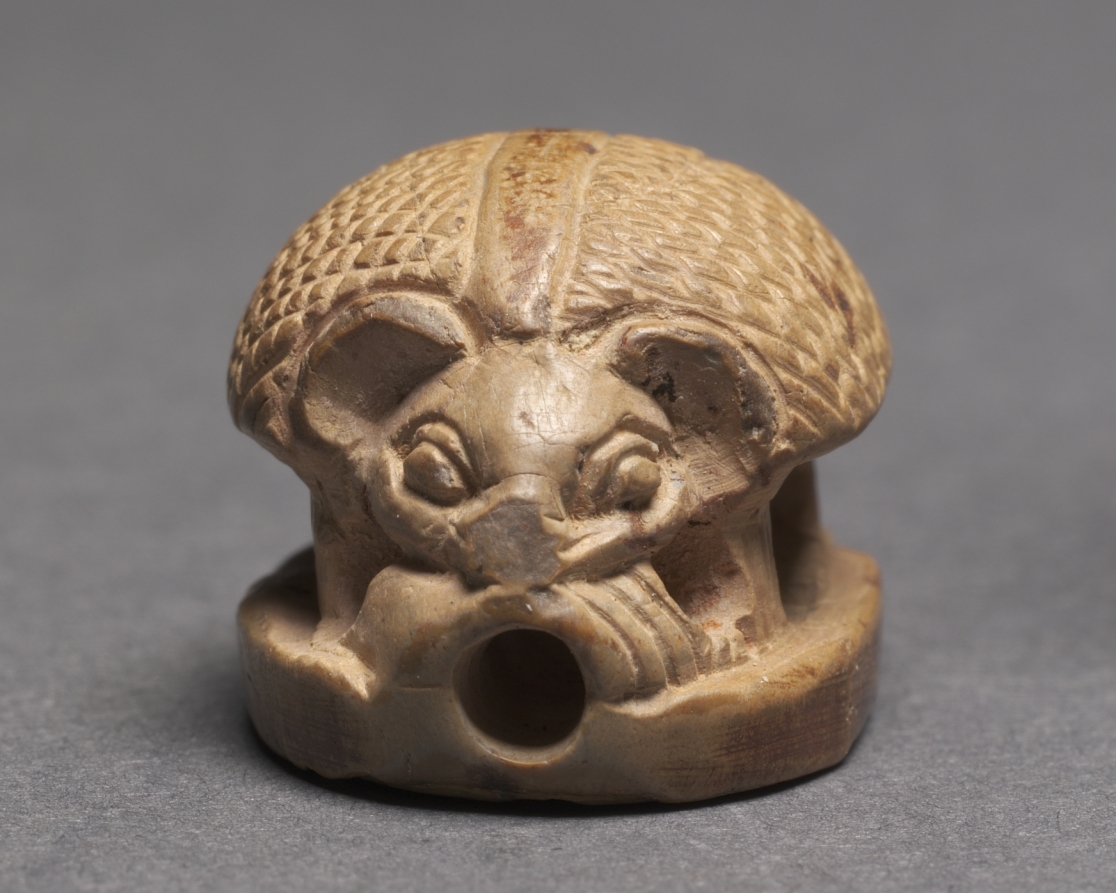
Hedgehog
- Date
- c. 1391–1353 BCE
- Medium
- steatite, originally glazed
- Culture
- Egypt, New Kingdom (1540–1069 BCE), Dynasty 18, reign of Amenhotep III (1390–1352 BCE)
- Department
- Egyptian and Ancient Near Eastern Art
- Institution
- Cleveland Museum of Art
This hedgehog ( Paraechinus aethiopicus) stands in the round on an oval base, with openwork defining the legs. The carving is delicate and spirited. The face features large, round eyes; widely spaced, short ears; bulging cheeks; and a protruding snout. A tiny tail hangs at the rear. Crosshatching on the back represents the animal's spines. The design on the base begins at the head with a winged sun disk with pendant uraei. Below is a cluster of hieroglyphic signs, including an ankh-sign, a falcon with a sun disk, a hoe, and a maat- feather. A neb- sign fills the balance below. The significance of the hedgehog has multiple theories. As a hibernating animal, it may have associated with the powers of self-renewal and resurrection. Another lies in the animal's defensive strategy of inflating itself into a ball and projecting its spines, a posture of obvious apotropaic significance. Lastly, Egyptian folklore maintained that hedgehog amulets provided protection against snake bites, a belief grounded in the animal's natural resistance to poison. Hedgehogs were common on amulets in the New Kingdom (1500s–1000s BC) and can also be seen on the backs of seals and scaraboids.
The authoritative record is held by Cleveland Museum of Art. LinkedCulture surfaces this object and its connections; it does not alter institutional metadata.
Related across collections
Semantically similar works from Cleveland Museum of Art and other institutions.
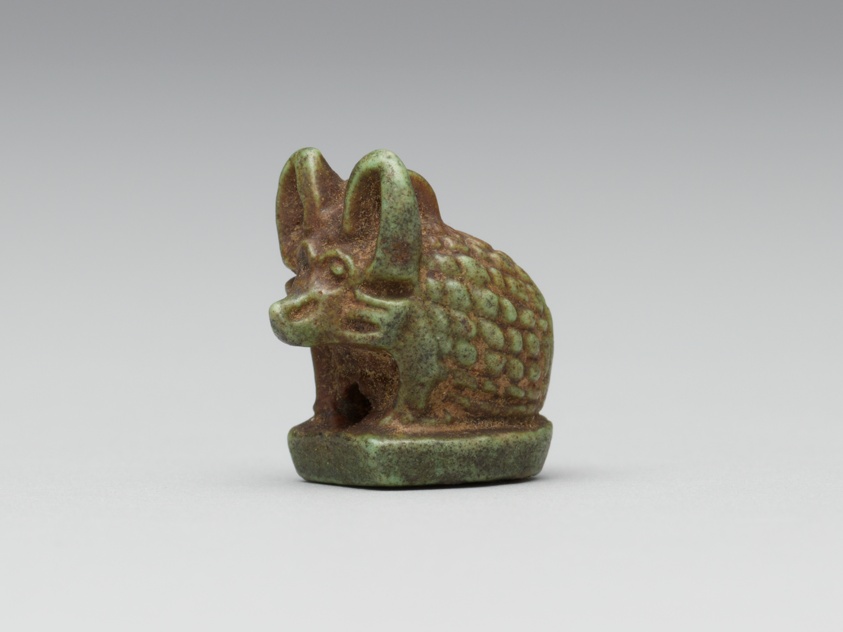
Scaraboid in the Form of a Hedgehog
Art Institute of Chicago
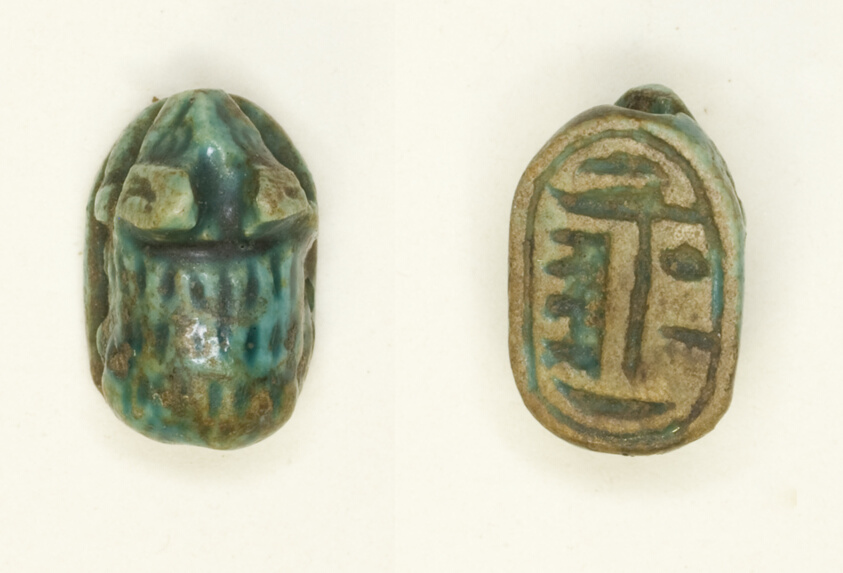
Scaraboid: Hedgehog
Art Institute of Chicago
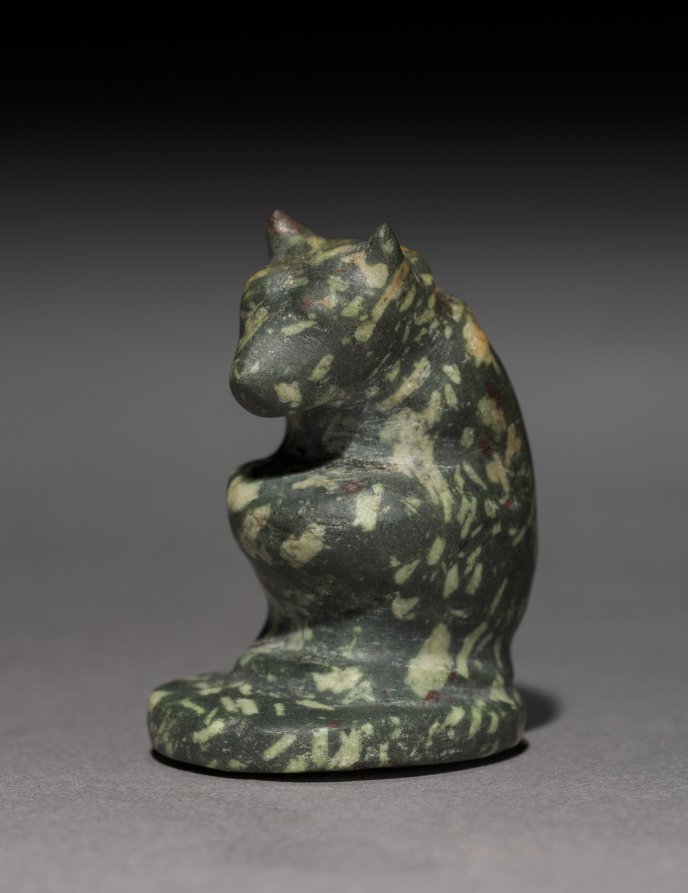
Amulet of a Crouching Bear
Cleveland Museum of Art
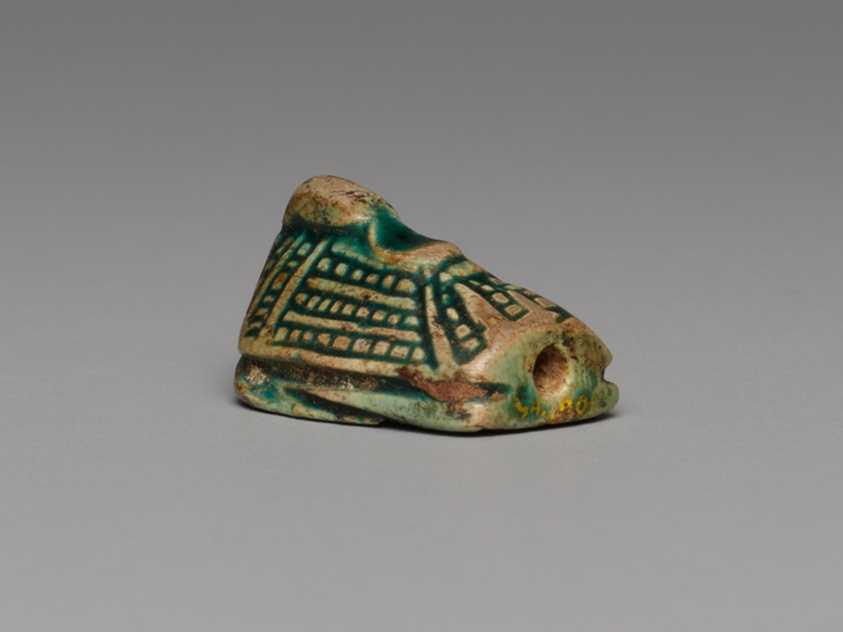
Scaraboid in the Form of a Duck
Art Institute of Chicago
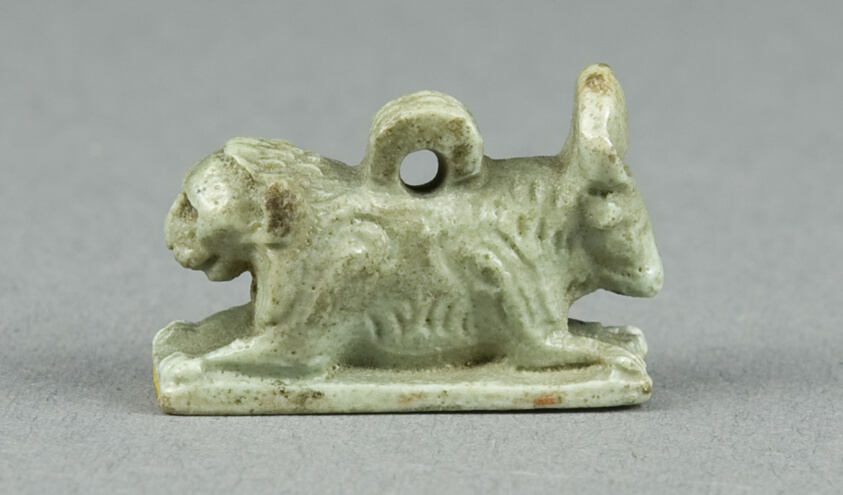
Amulet of a Double Animal: Lion and Bull
Art Institute of Chicago

Attic Black-Figure Amphora
Getty Museum
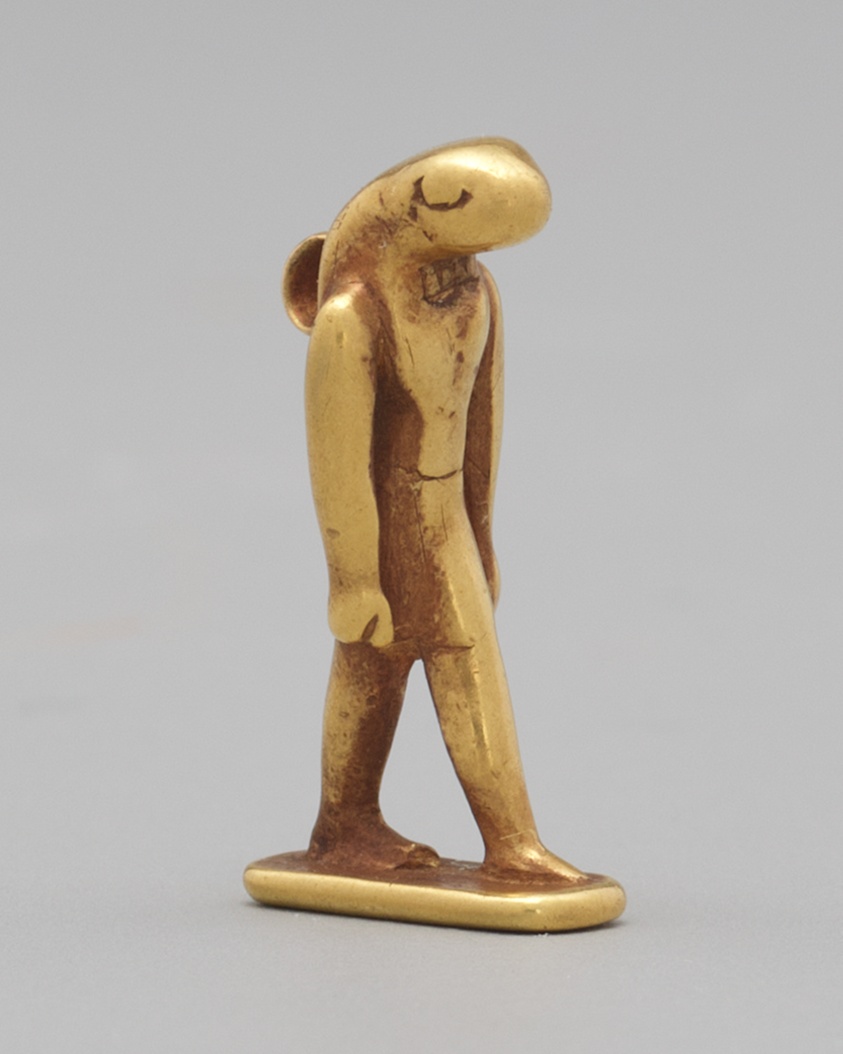
Nehebkau Amulet
Art Institute of Chicago

Head of Hercules
Getty Museum

Scarab
Minneapolis Institute of Art
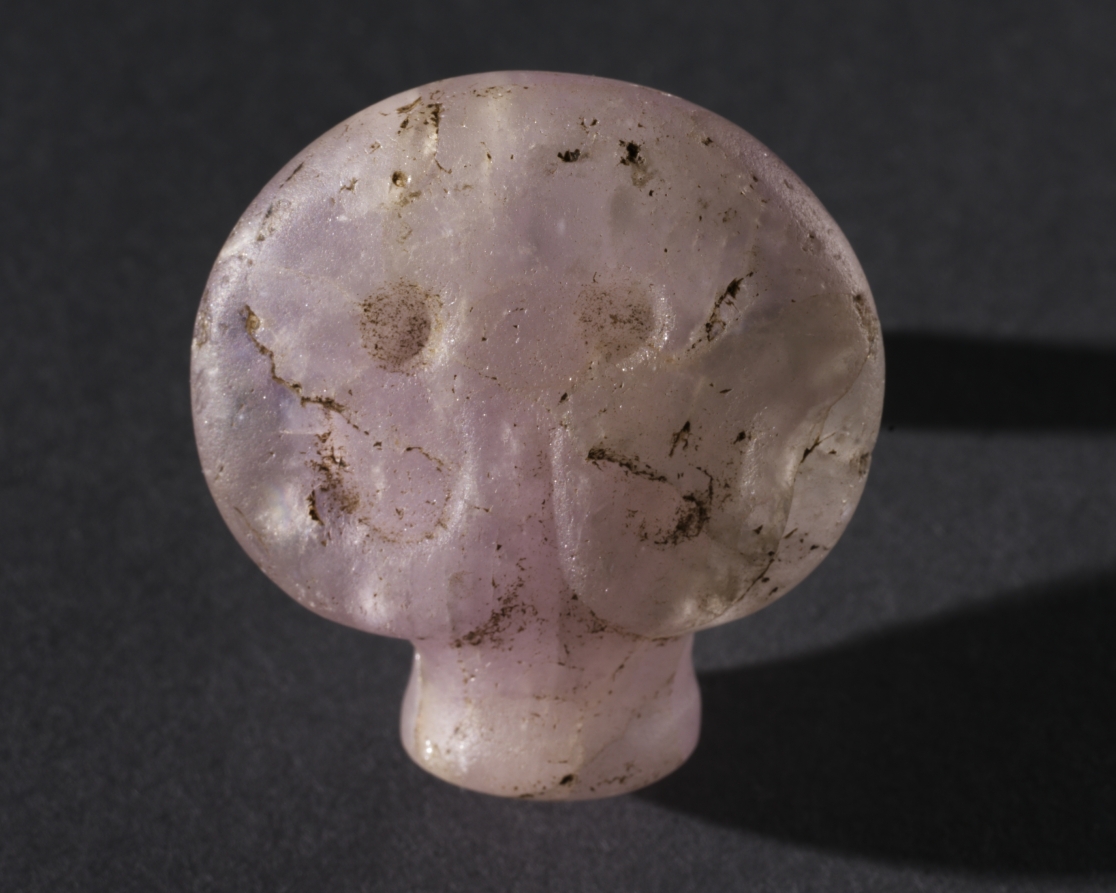
Bull's-Head Amulet
Cleveland Museum of Art

Attic Red-Figure Column Krater
Getty Museum

Attic Geometric Amphora
Getty Museum