Art Institute of Chicago
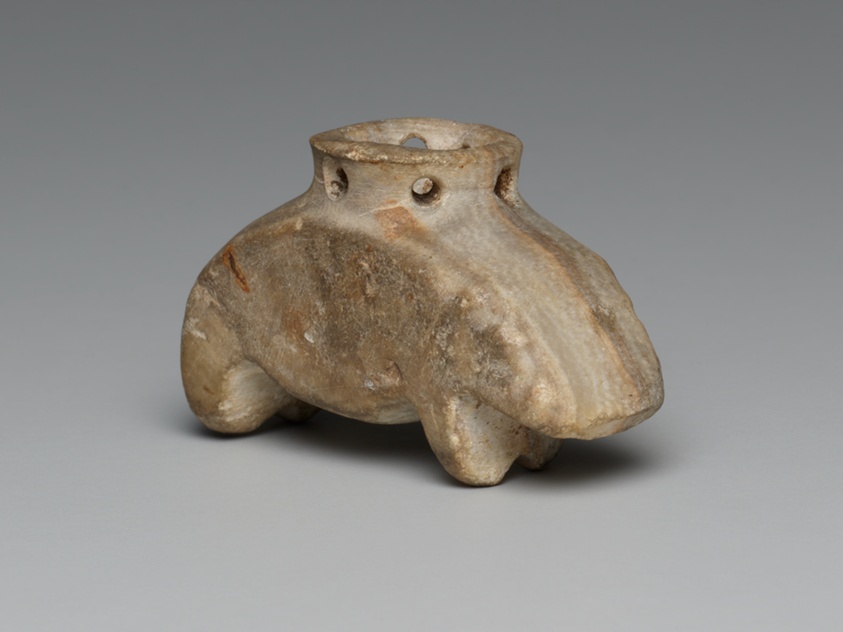
Amulet of a Hippopotamus
Egyptian
- Date
- Predynastic Period, Naqada II–III (about 3500–3000 BCE)
- Medium
- Limestone
- Culture
- Egypt
- Department
- Arts of Africa
- Institution
- Art Institute of Chicago
Made around 5000 years ago, this hippopotamus amulet is one of the oldest objects in the Art Institute’s collections. Ancient Egyptians had several terms for small objects like this, which we call “amulets.” Worn by the living and the dead, these charms were meant to bring protection, health, and good luck, ensuring the bearer’s well-being in both life and the afterlife. This object was made before writing existed in ancient Egypt, so our guesses about its function come from our knowledge about later periods. Ancient Egyptians knew hippopotamuses as aggressive animals and may have worn amulets shaped like them for protection from the dangers they posed. In later periods ancient Egyptians worshipped a goddess, Taweret, whose body took the form of a hippopotamus, as a protector of laboring women and helper during childbirth. Early hippopotamus amulets like this stone example may have had similar ties to the powers that ancient Egyptians later associated with the goddess.
The authoritative record is held by Art Institute of Chicago. LinkedCulture surfaces this object and its connections; it does not alter institutional metadata.
Linked open data
Authority identifiers that link this record into the wider web of cultural data — stable references you can follow to the source.
- Object type
- AAT300209261
Related across collections
Semantically similar works from Art Institute of Chicago and other institutions.
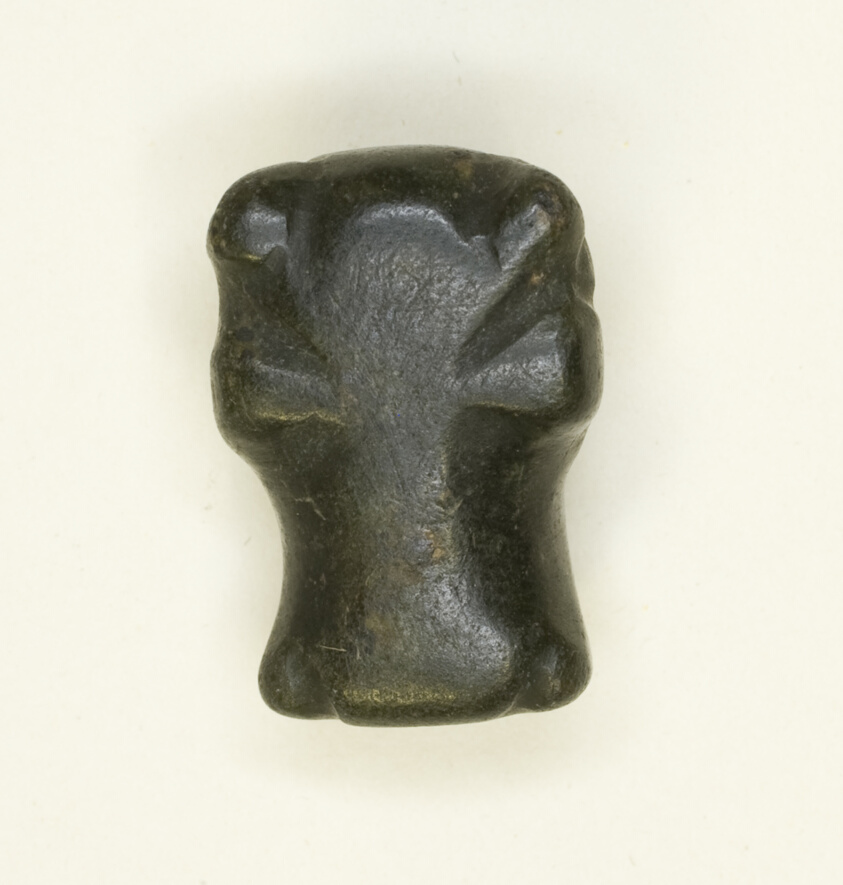
Amulet of a Hippopotamus Head
Art Institute of Chicago
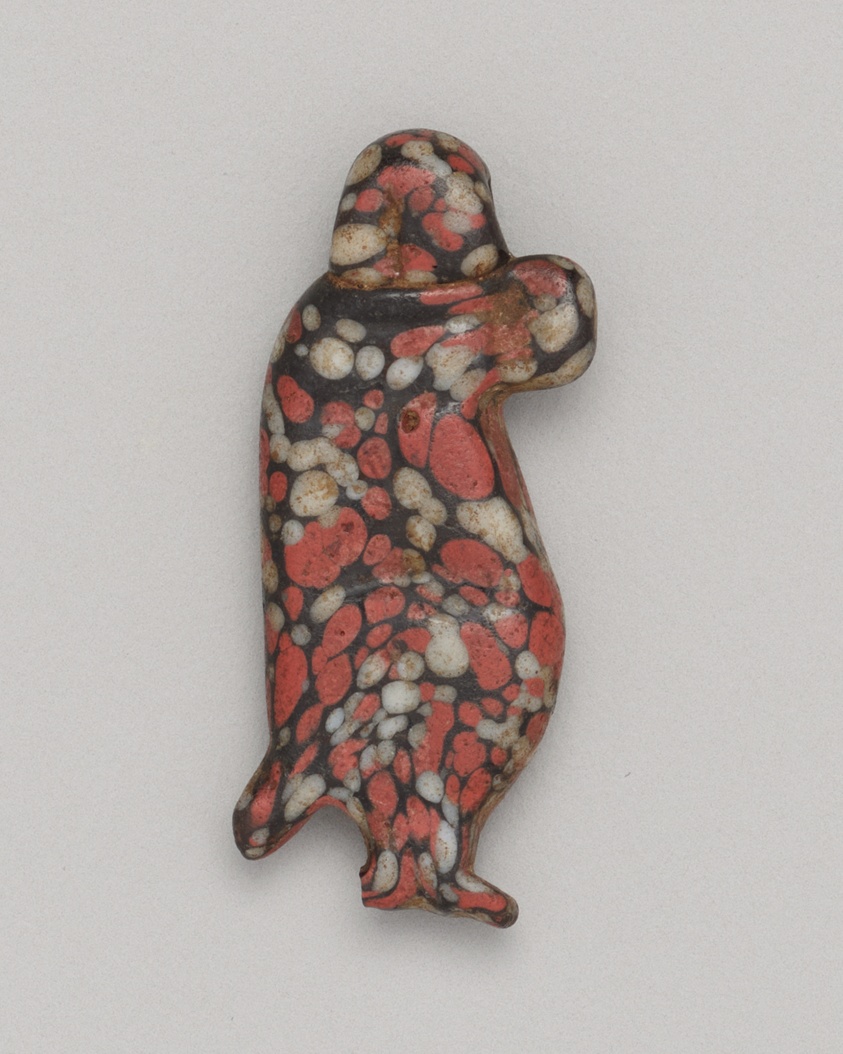
Amulet of Taweret
Art Institute of Chicago
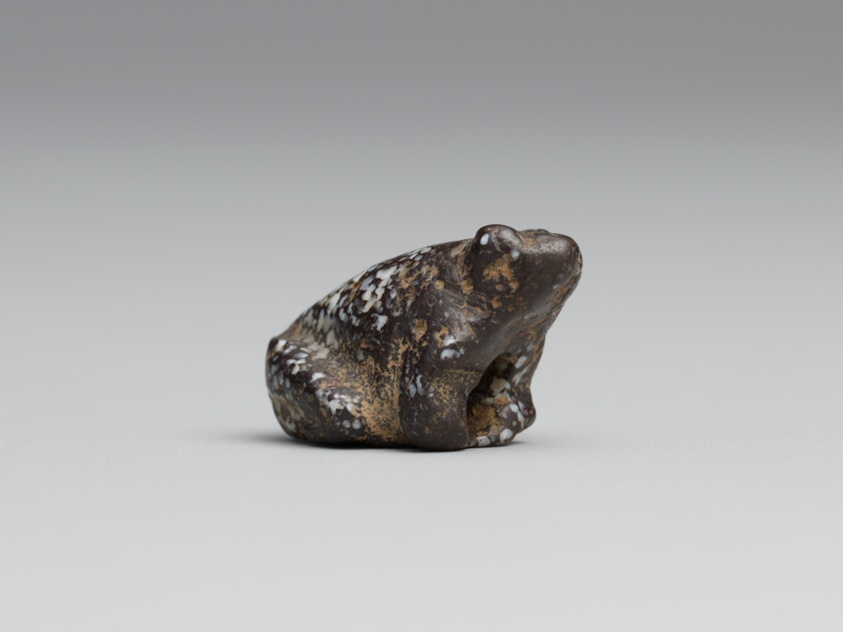
Amulet of a Frog
Art Institute of Chicago
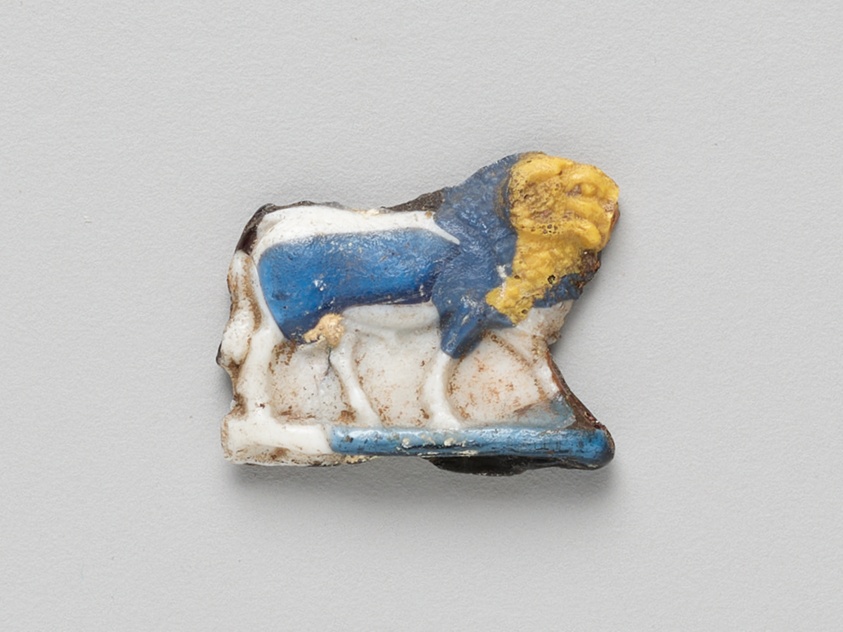
Ram Amulet
Art Institute of Chicago
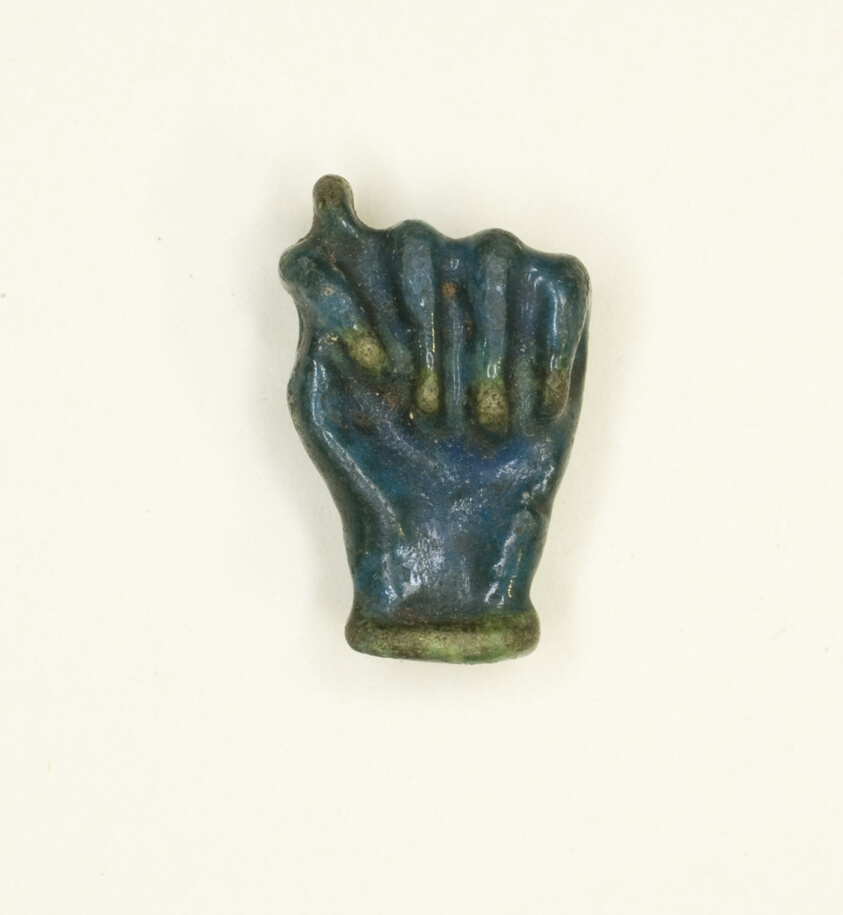
Amulet of a Clenched Fist
Art Institute of Chicago
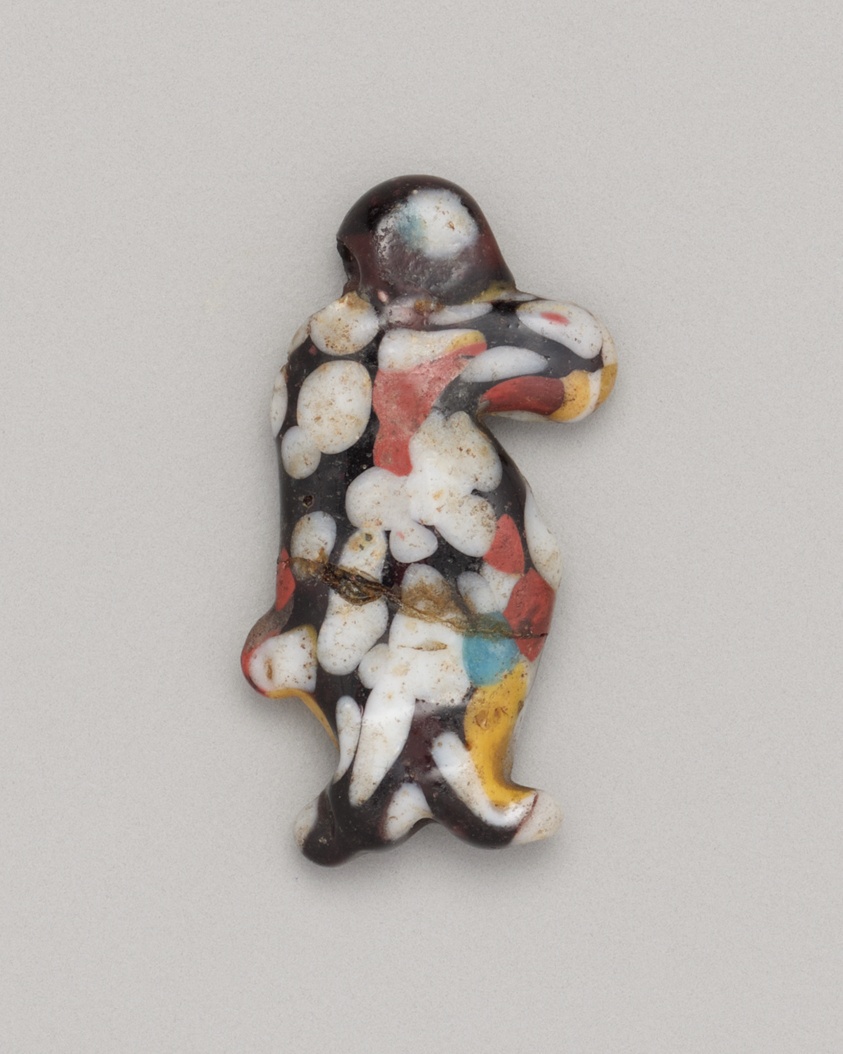
Taweret Amulet
Art Institute of Chicago
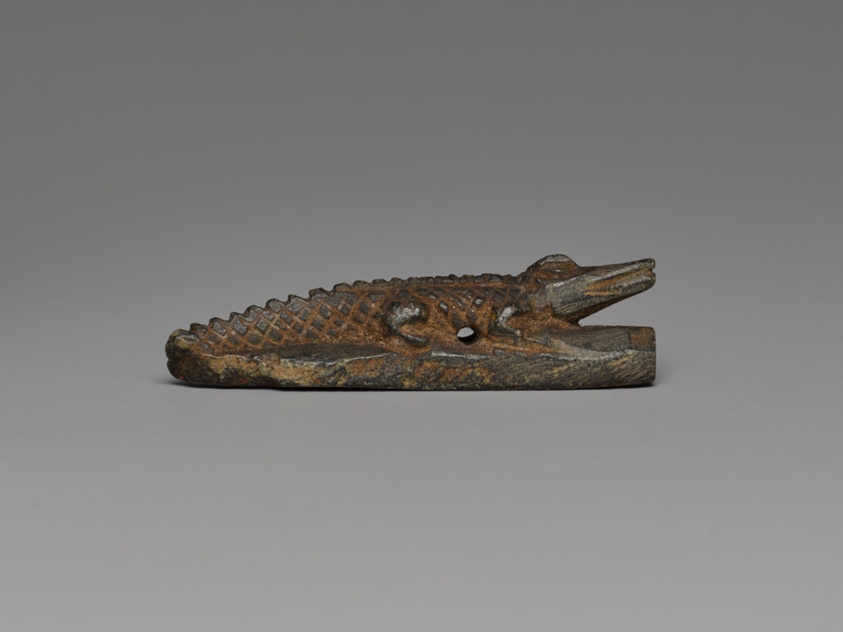
Amulet of a Crocodile
Art Institute of Chicago
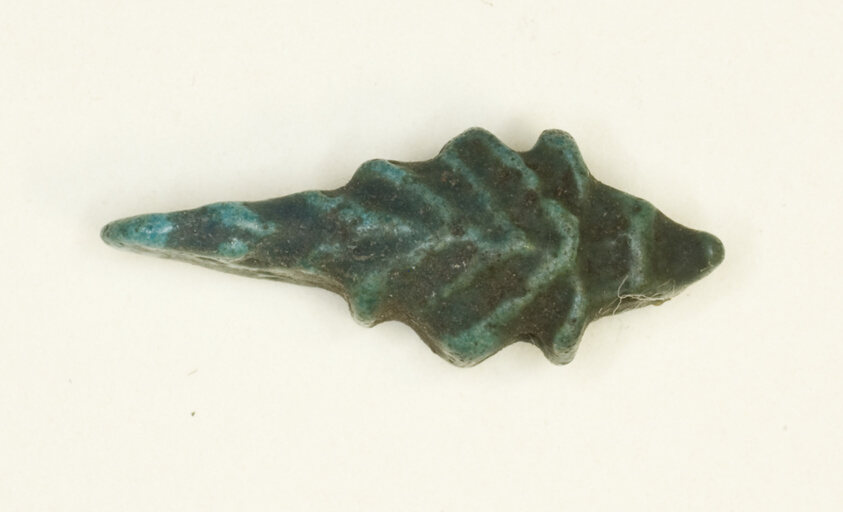
Amulet of a Crocodile
Art Institute of Chicago
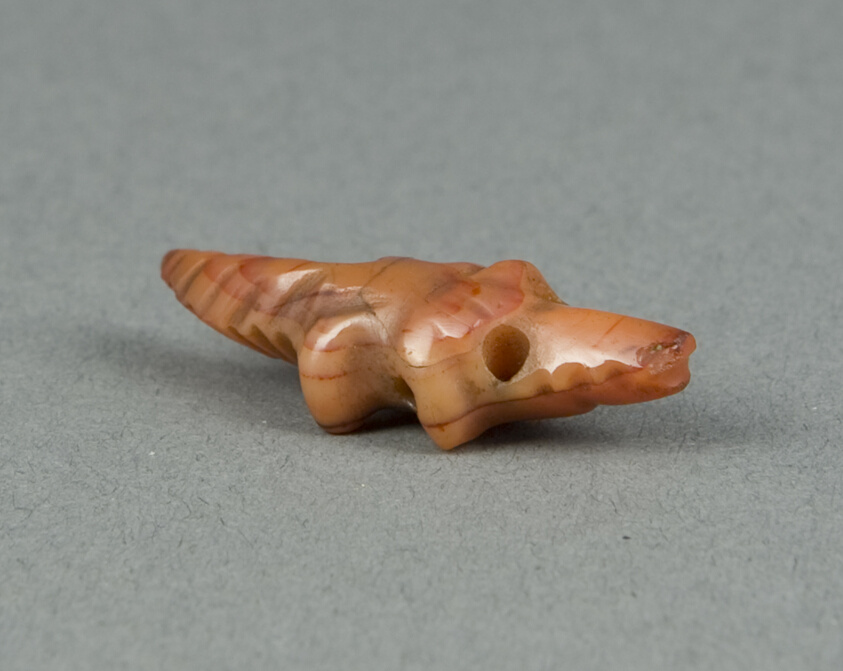
Amulet of a Crocodile
Art Institute of Chicago
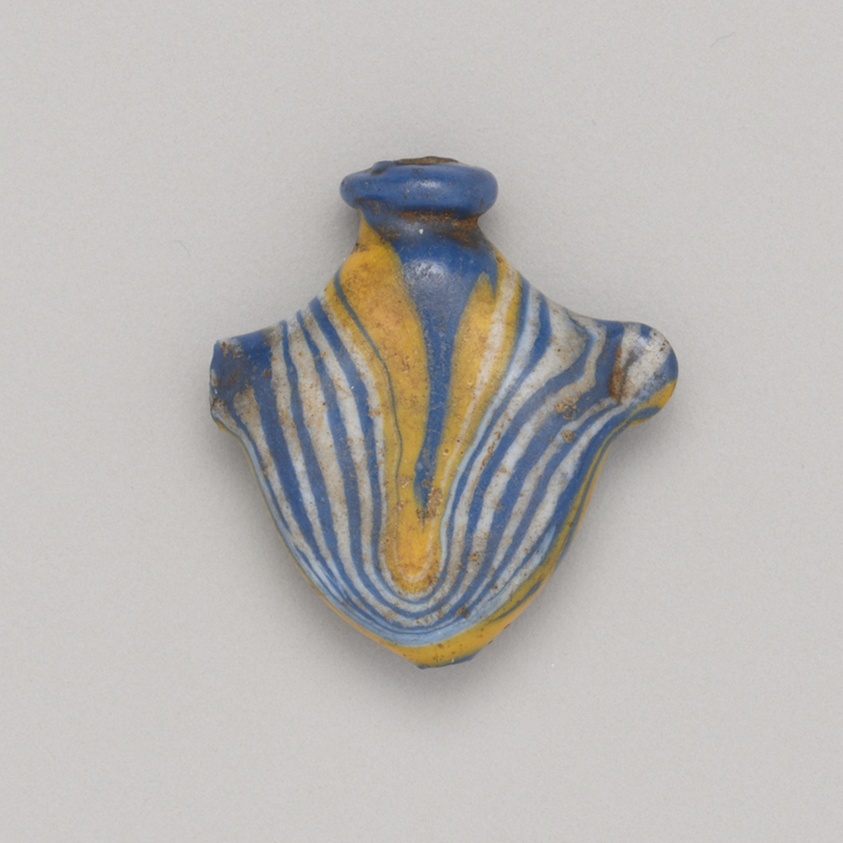
Amulet of a Heart
Art Institute of Chicago
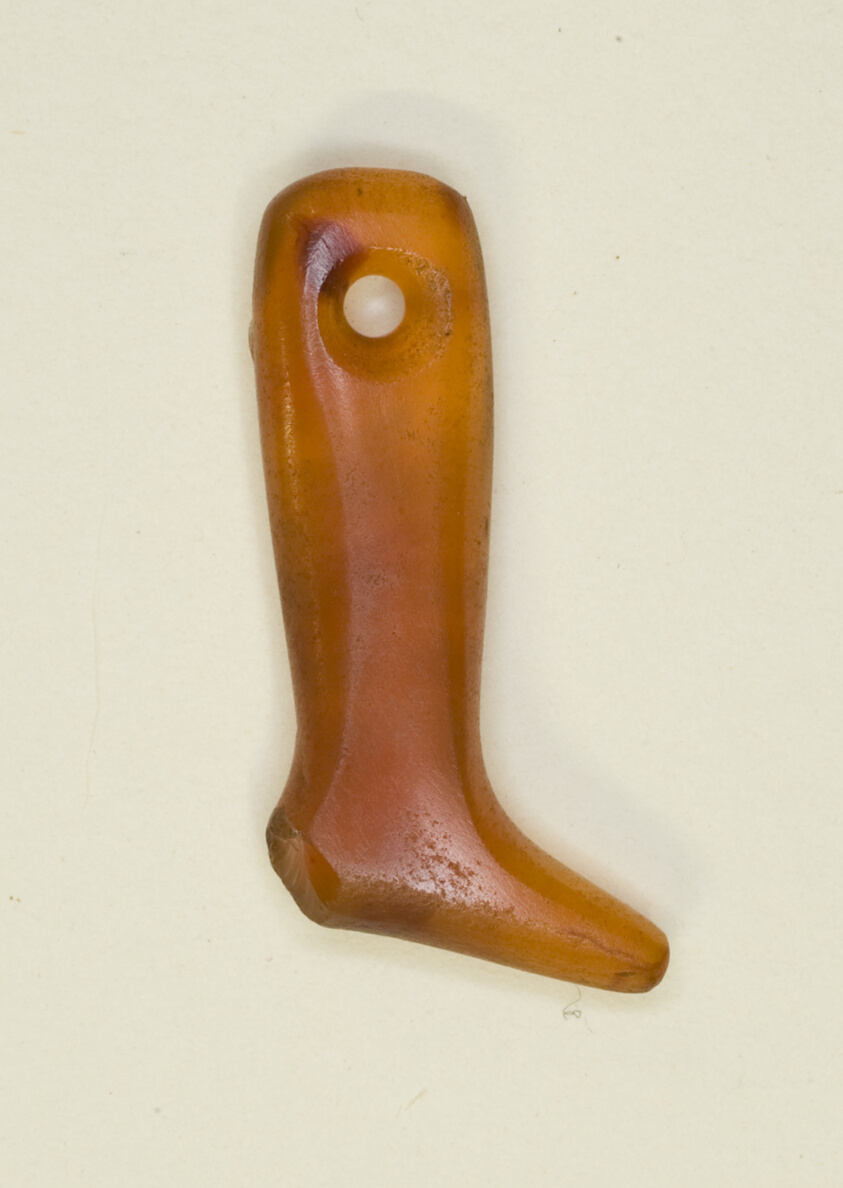
Amulet of a Leg and Foot
Art Institute of Chicago
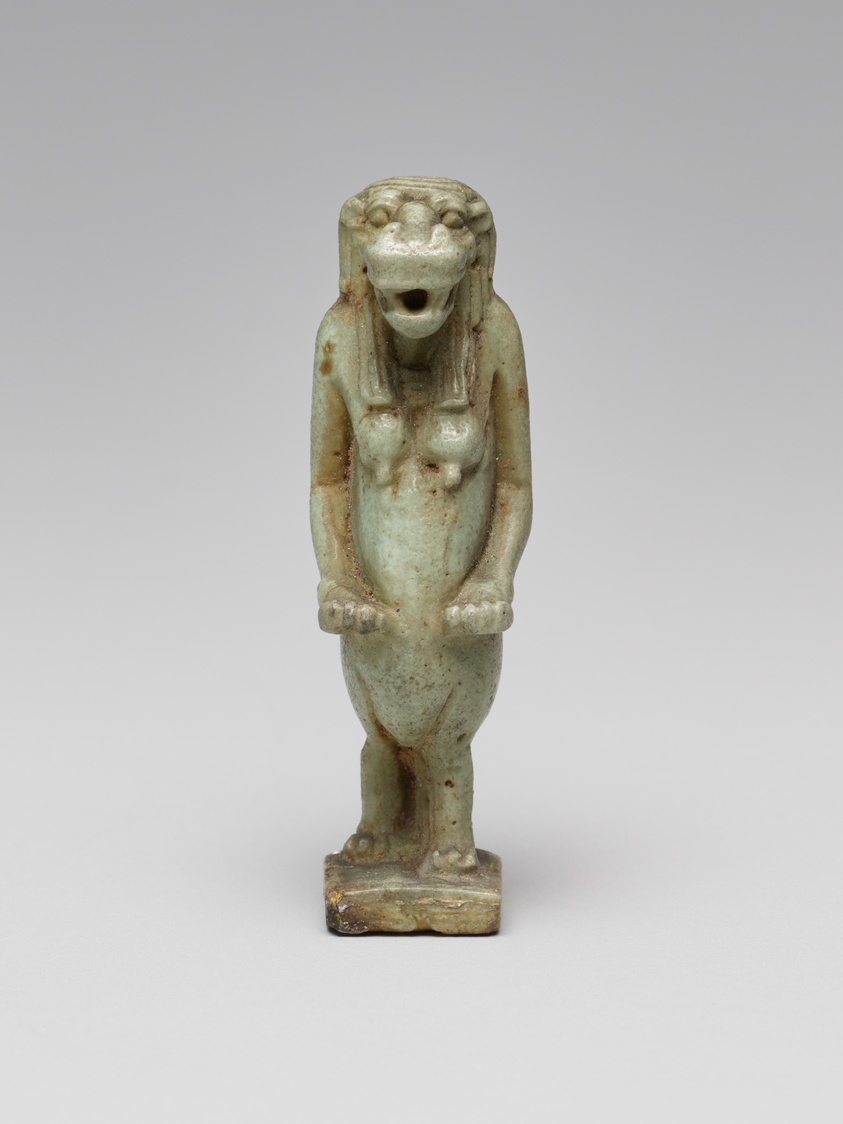
Amulet of Taweret
Art Institute of Chicago