Art Institute of Chicago
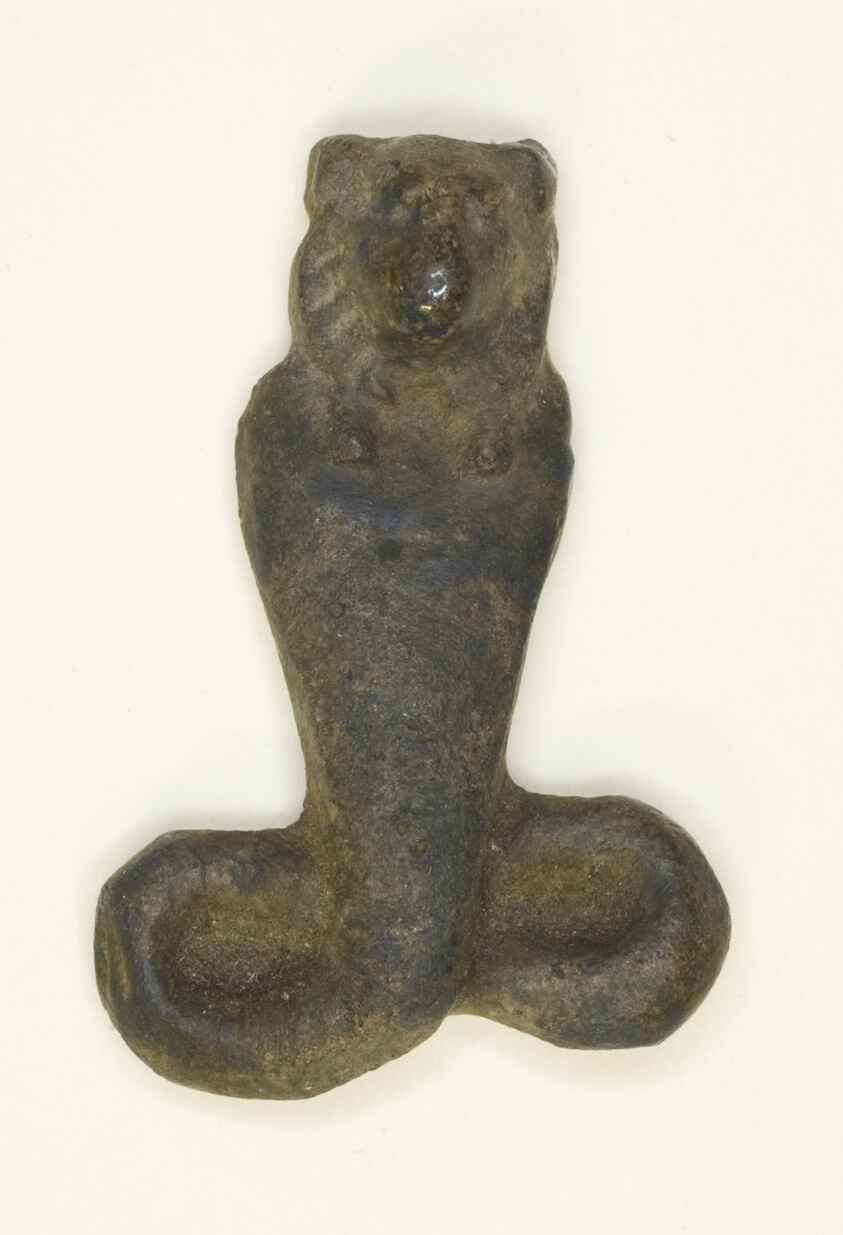
Amulet of a Lion-Headed Cobra
Egyptian
- Date
- Ptolemaic Period–Roman Period, 4th century BCE–4th century CE
- Medium
- Faience
- Culture
- Egypt
- Department
- Arts of Africa
- Institution
- Art Institute of Chicago
With the body of a rearing cobra and the head of a ferocious lion, this faience amulet is small but mighty. During the mummification process, amulets like this one were folded into the linen wrappings of a body to protect the deceased. Such objects often depicted gods and goddesses in their human, animal, or mixed forms. This amulet likely represents a goddess—either Sekhmet or Wadjet—but because the image is not inscribed with a name, her identity remains uncertain. Sekhmet typically is depicted as a lioness or lion-headed woman, while Wadjet appears in the form of a cobra. In Egyptian mythology, Sekhmet and Wadjet both acted as the Eye of Re—the daughter of the sun god, Re, who also served as his protector. In the fearsome mixed form shown here, they would embody protection and power. The lion-headed cobra form could be an allusion to the uraeus , a hooded cobra worn on the crowns of royalty and deities for protection. Though the amulet’s color has mostly worn away, the original dark blue is visible on the underside.
The authoritative record is held by Art Institute of Chicago. LinkedCulture surfaces this object and its connections; it does not alter institutional metadata.
Linked open data
Authority identifiers that link this record into the wider web of cultural data — stable references you can follow to the source.
- Object type
- AAT300209261
Related across collections
Semantically similar works from Art Institute of Chicago and other institutions.
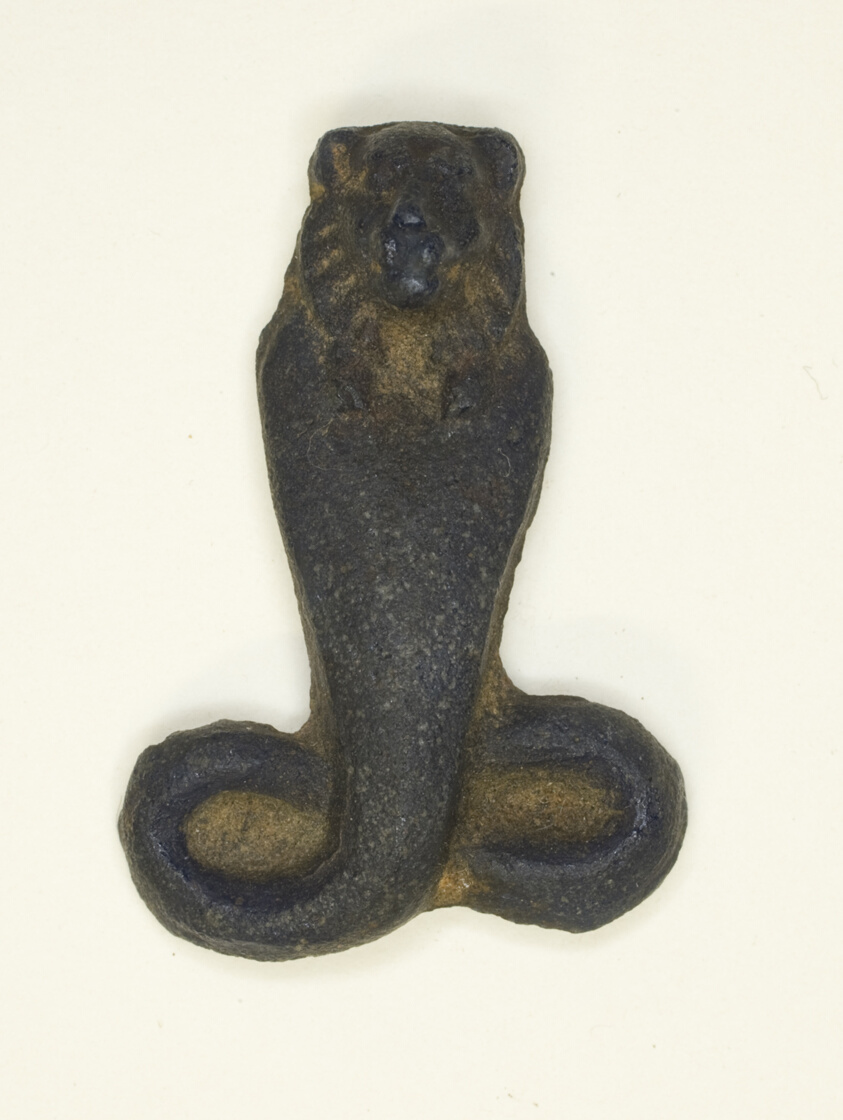
Amulet of a Lion-Headed Cobra
Art Institute of Chicago
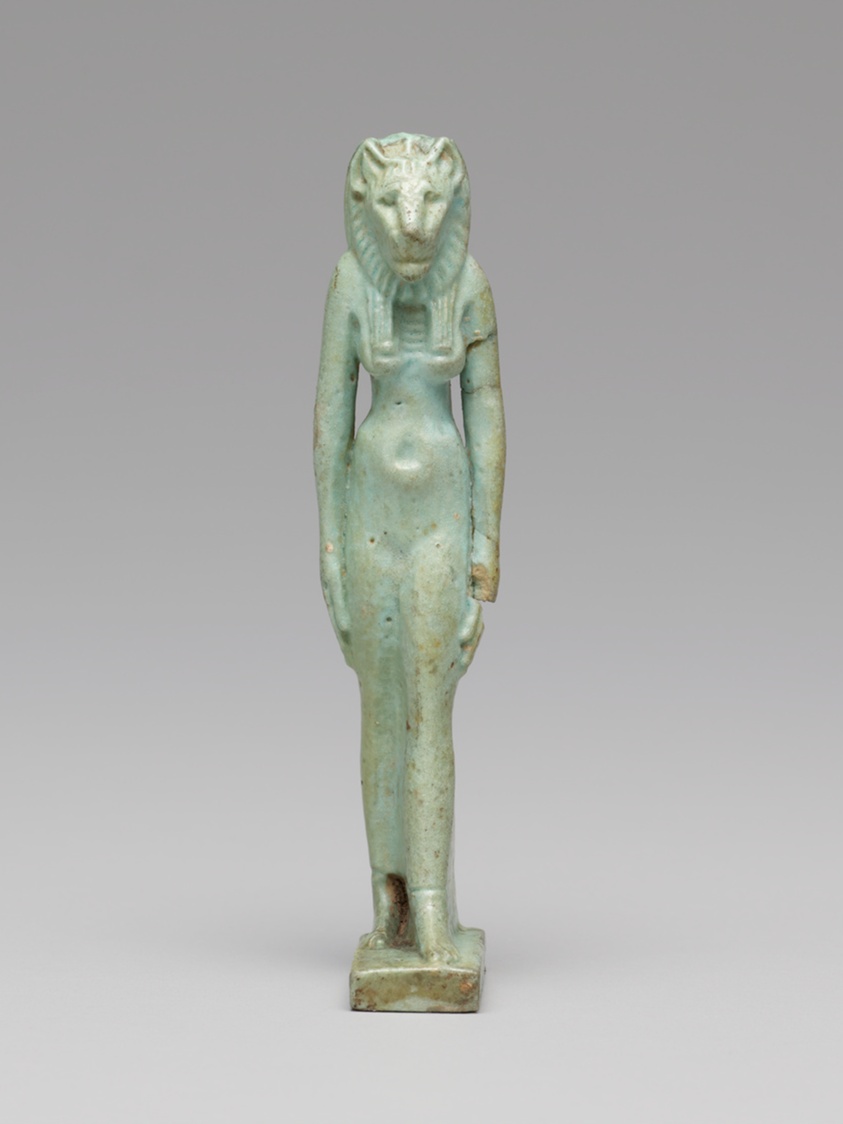
Amulet of Sekhmet
Art Institute of Chicago
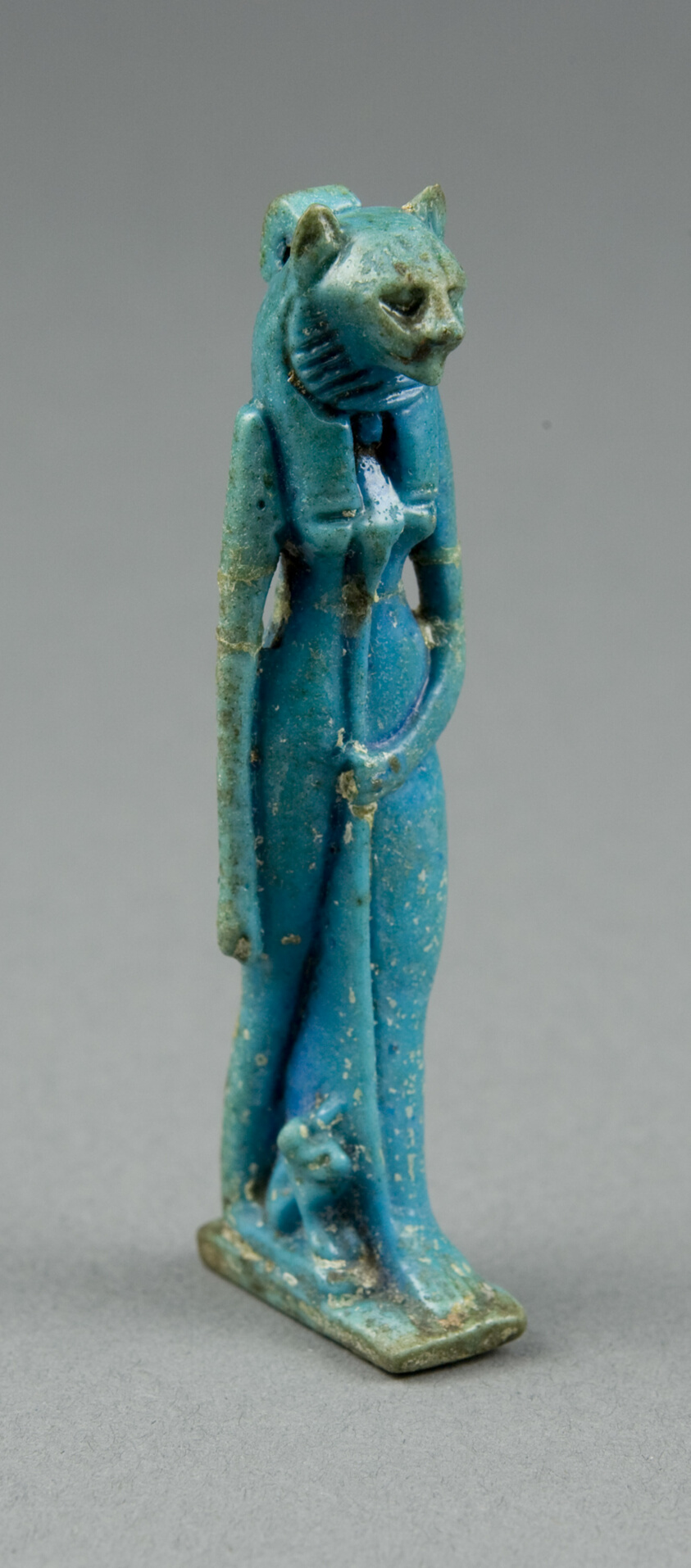
Amulet of a Lion-Headed Goddess with Kitten
Art Institute of Chicago
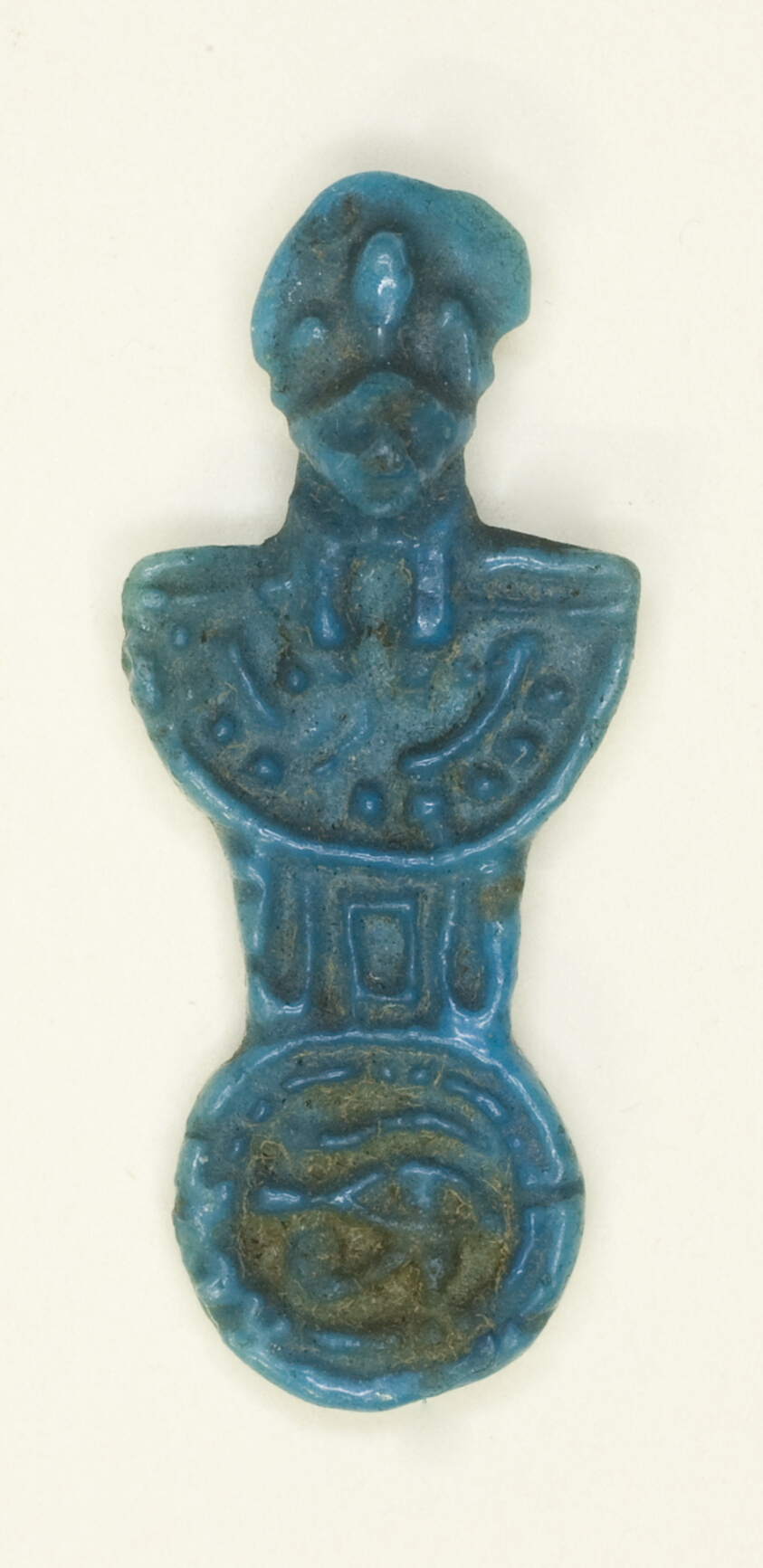
Amulet of a Menat Counterpoise with Lion-headed Goddess
Art Institute of Chicago
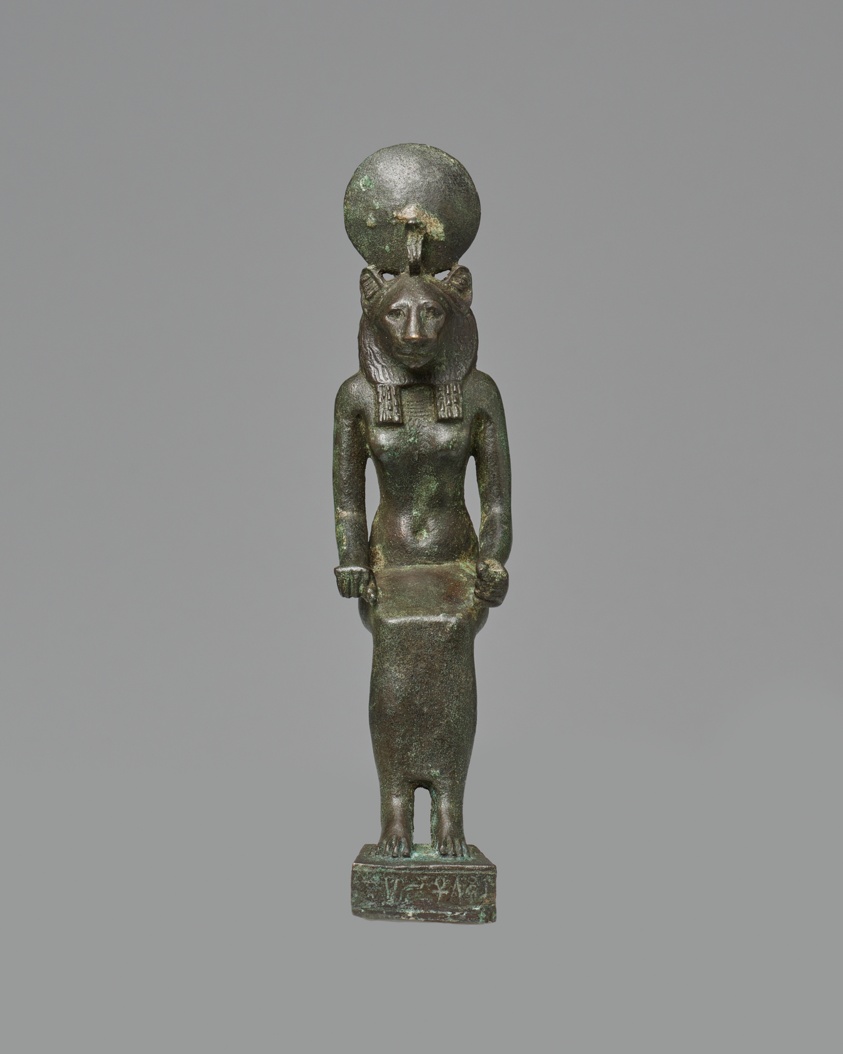
Statuette of Wadjet or Sekhmet
Art Institute of Chicago
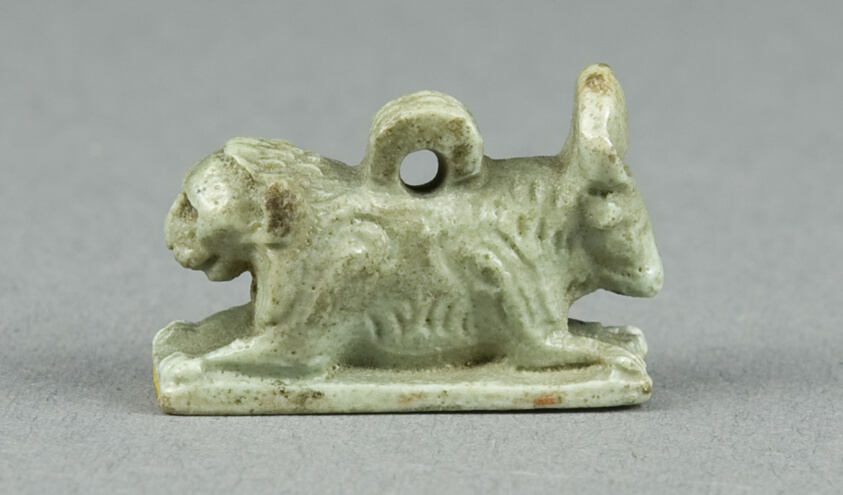
Amulet of a Double Animal: Lion and Bull
Art Institute of Chicago
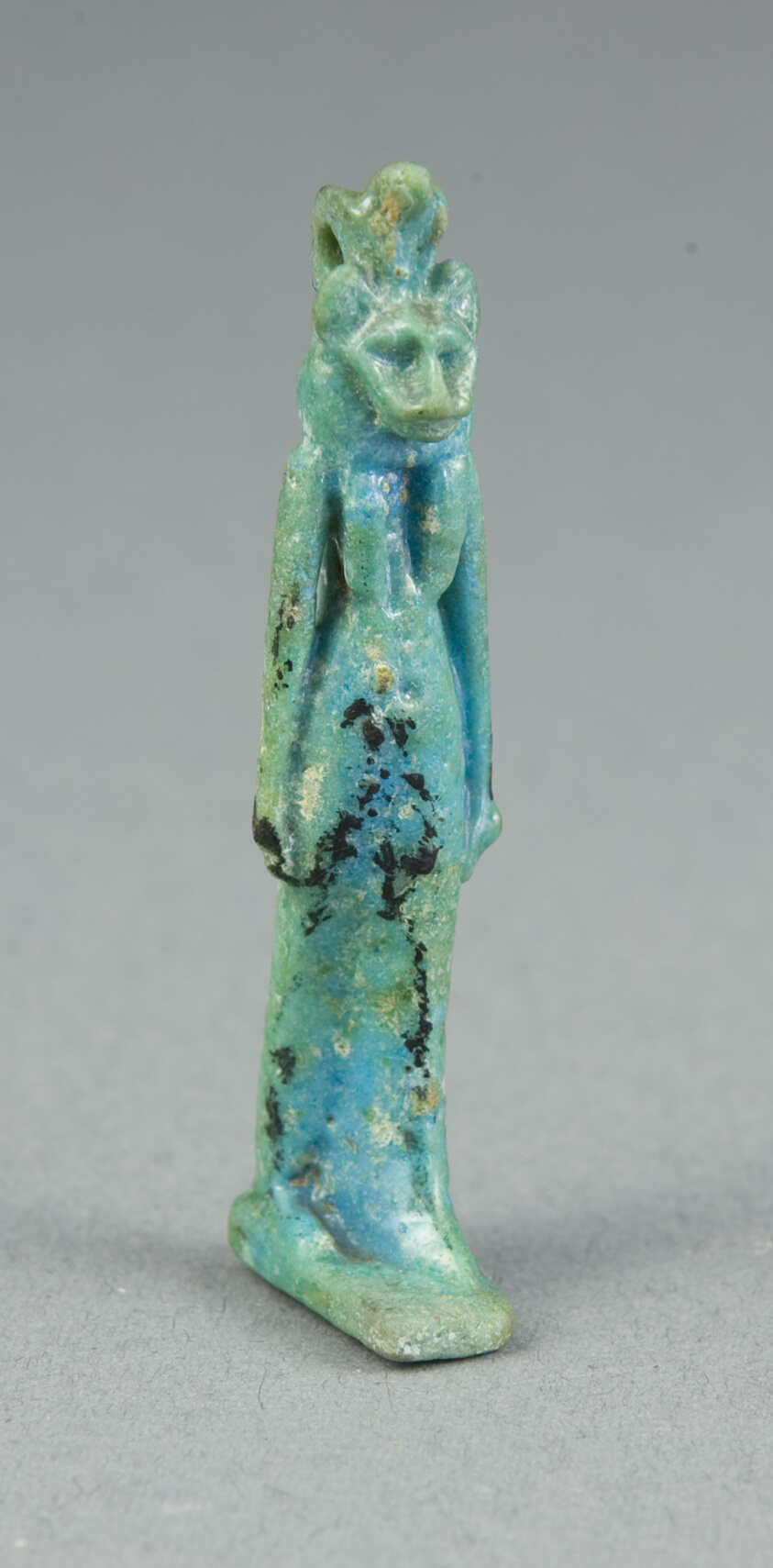
Amulet of the Goddess Sekhmet
Art Institute of Chicago
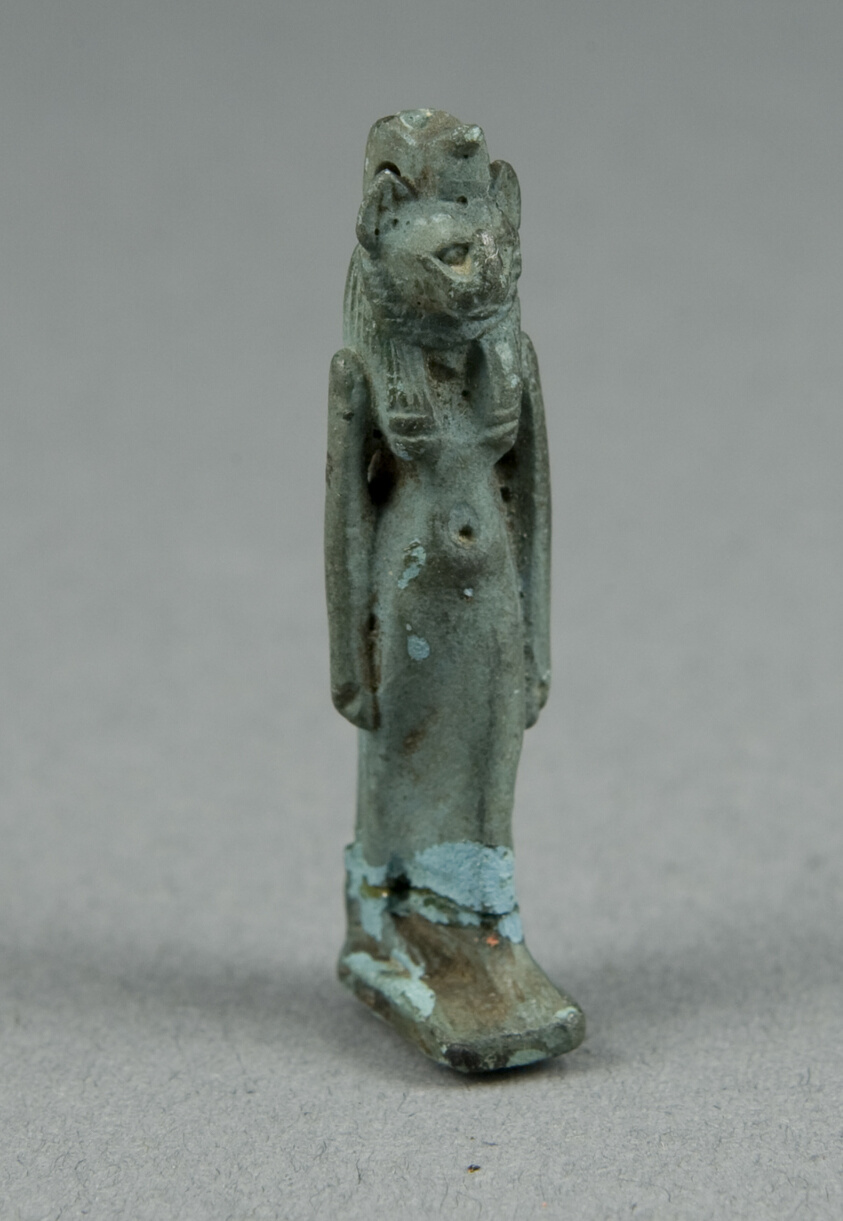
Amulet of a Lion-Headed Goddess
Art Institute of Chicago
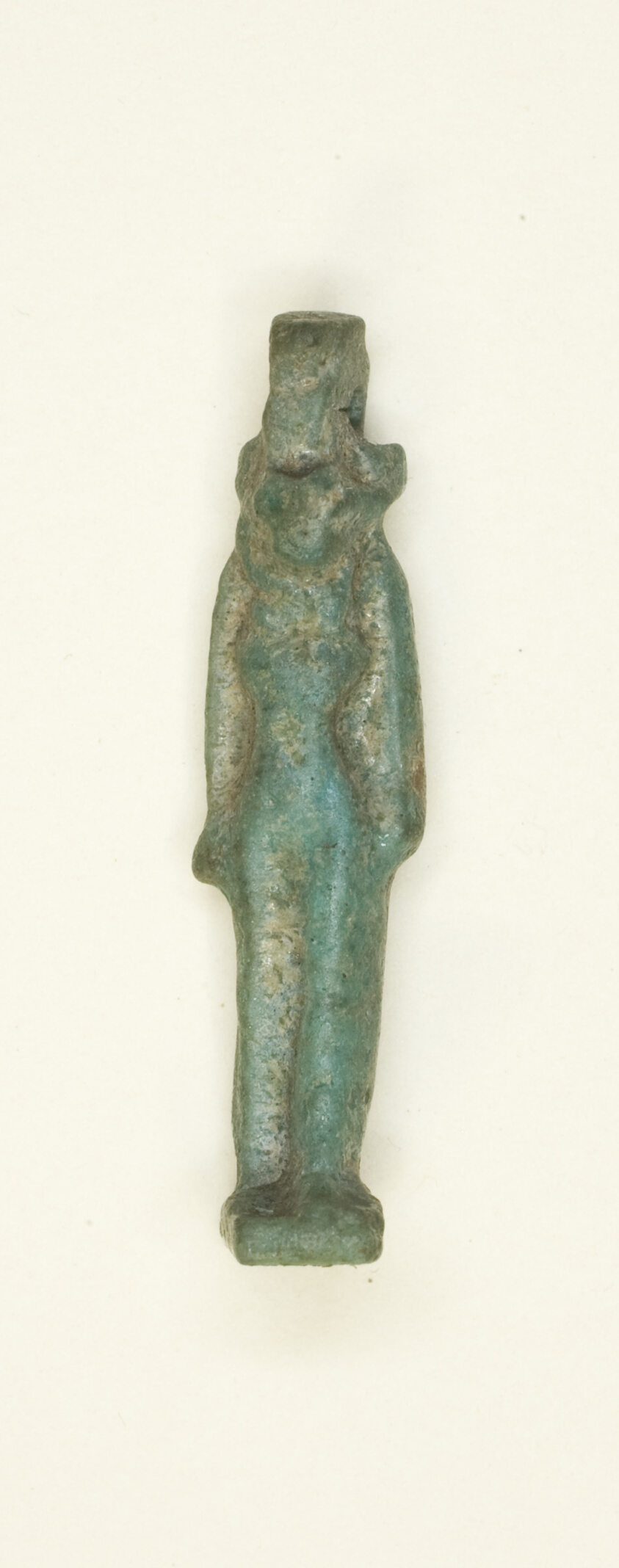
Amulet of a Lion-Headed Goddess
Art Institute of Chicago
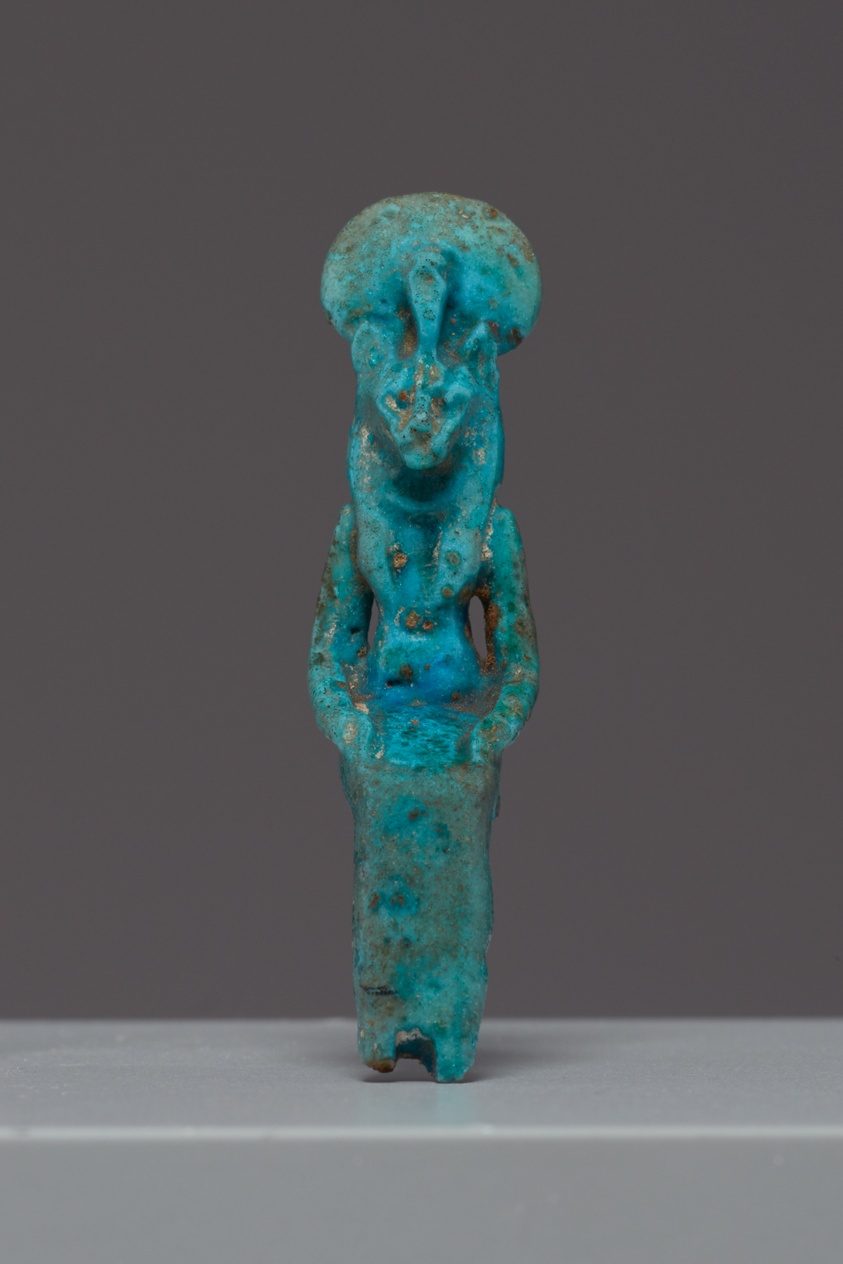
Amulet of the Seated Goddess Sekhmet
Art Institute of Chicago
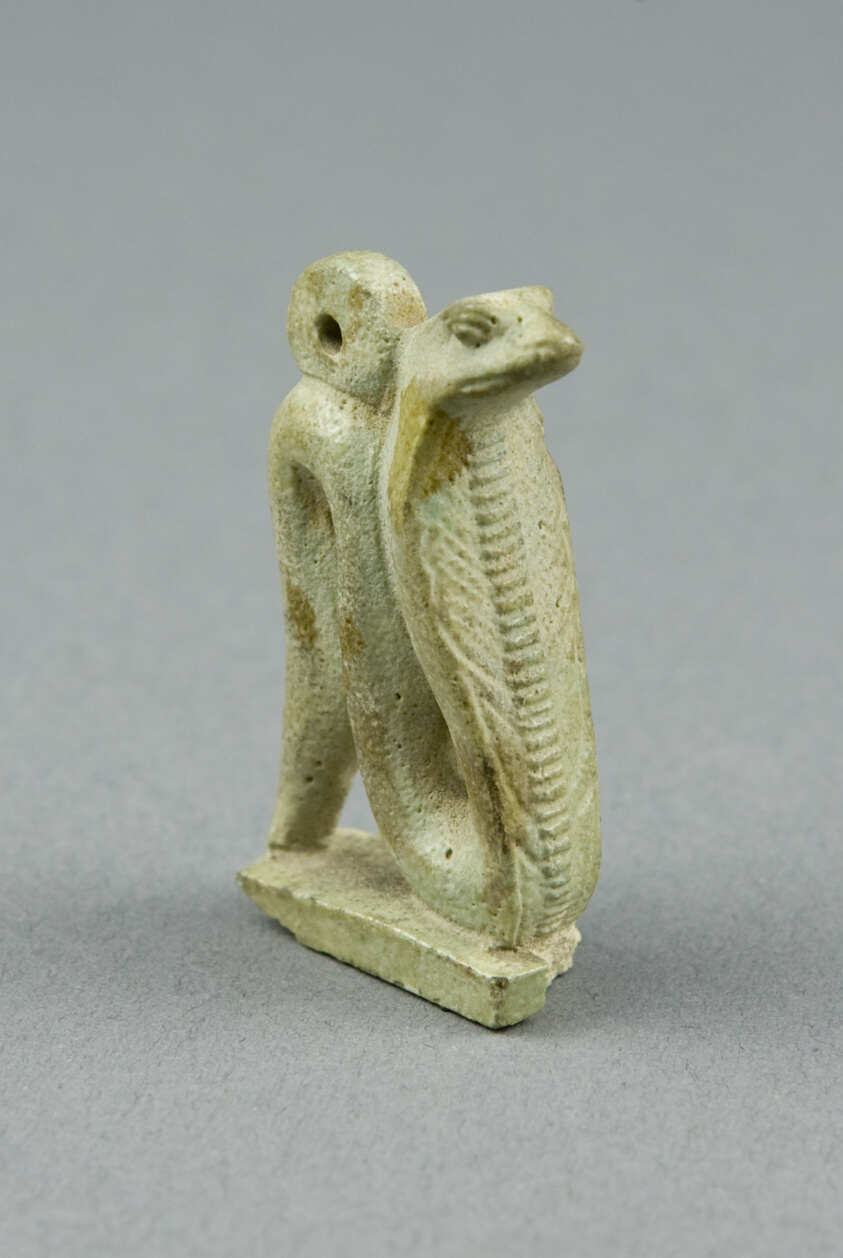
Amulet of a Cobra
Art Institute of Chicago
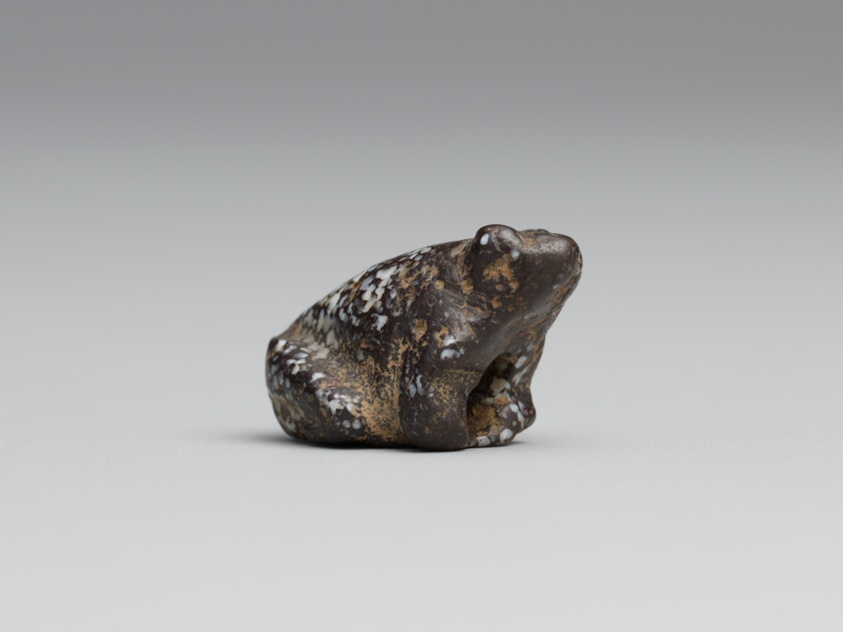
Amulet of a Frog
Art Institute of Chicago