Art Institute of Chicago
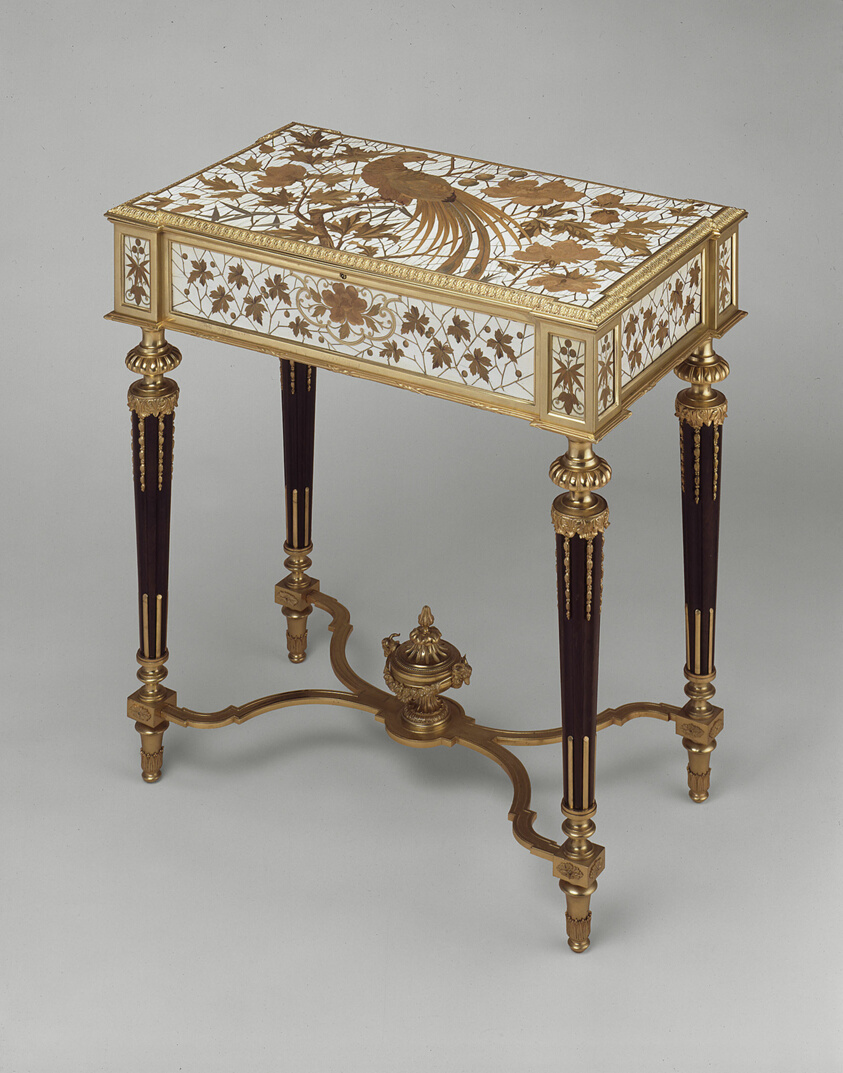
Work Table
Made by Maison Alphonse Giroux (1874–82)
- Date
- c. 1880
- Medium
- Rosewood, walnut, fruitwood, ivory, gilded bronze, brass, and pewter
- Culture
- France
- Department
- Applied Arts of Europe
- Institution
- Art Institute of Chicago
The innovative marquetry technique displayed on this work table, was patented in 1877 by Rosalie Duvinage, also called Veuve (Widow) Duvinage. She was the owner of Maison Giroux, a Paris firm that had produced a wide assortment of luxury goods for generations. In this mosaic technique, pieces of ivory were held fast within a matrix of engraved metal strips and different woods were inlaid to create complex patterns. Here the ivory ground is separated by a network of engraved brass and pewter that forms the branches and leaves of a flowering peony bush, within which rests a large pheasant. Different wood inlays reveal the contour and shading of both plant and bird. The decoration of this table was inspired by the flood of imports coming from Asia, especially from China and Japan, to Europe in the second half of the 19th century. Images of flowers and animals that were originally Chinese were adapted by Japanese craftsmen for furniture and finally translated onto objects in Europe. The artists of Maison Giroux appear to have had a firm grasp on the symbolic language of Asia: according to custom, tree peonies represent the male principle yang, and the golden pheasant (a traditional symbol of feminine beauty) symbolizes yin, its natural complement.
The authoritative record is held by Art Institute of Chicago. LinkedCulture surfaces this object and its connections; it does not alter institutional metadata.
Linked open data
Authority identifiers that link this record into the wider web of cultural data — stable references you can follow to the source.
- Object type
- AAT300037336
Related across collections
Semantically similar works from Art Institute of Chicago and other institutions.
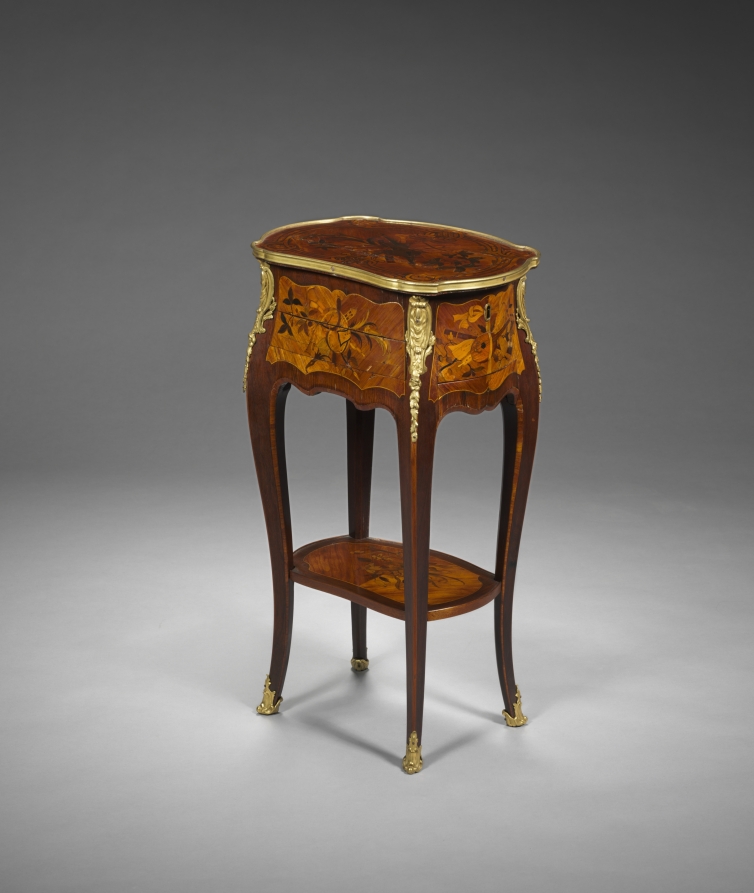
Work Table
Cleveland Museum of Art
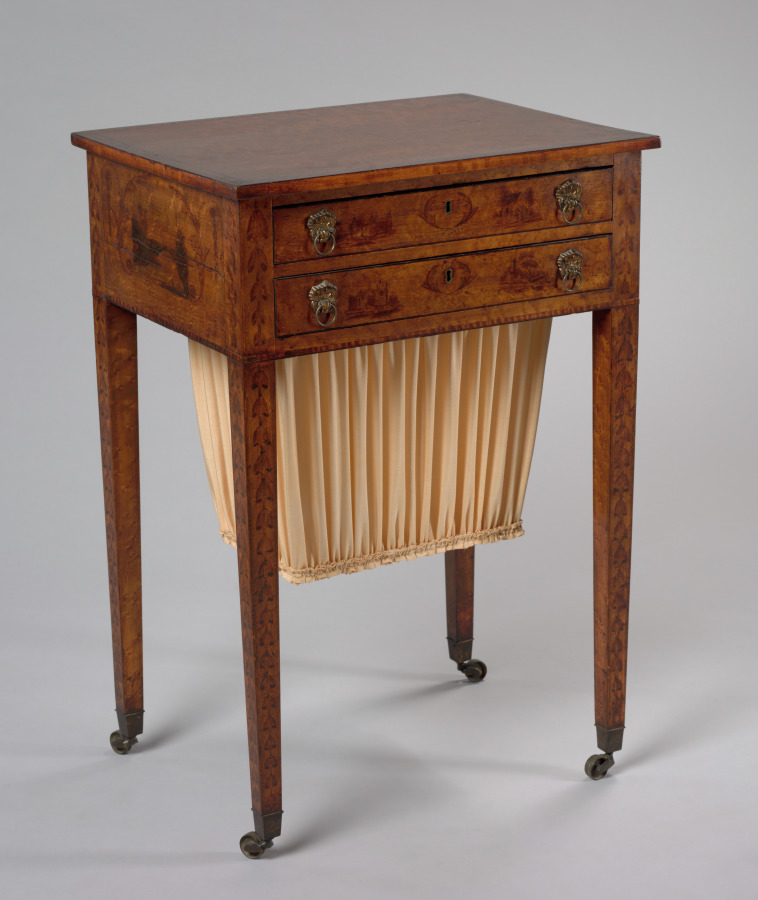
Work Table
Cleveland Museum of Art
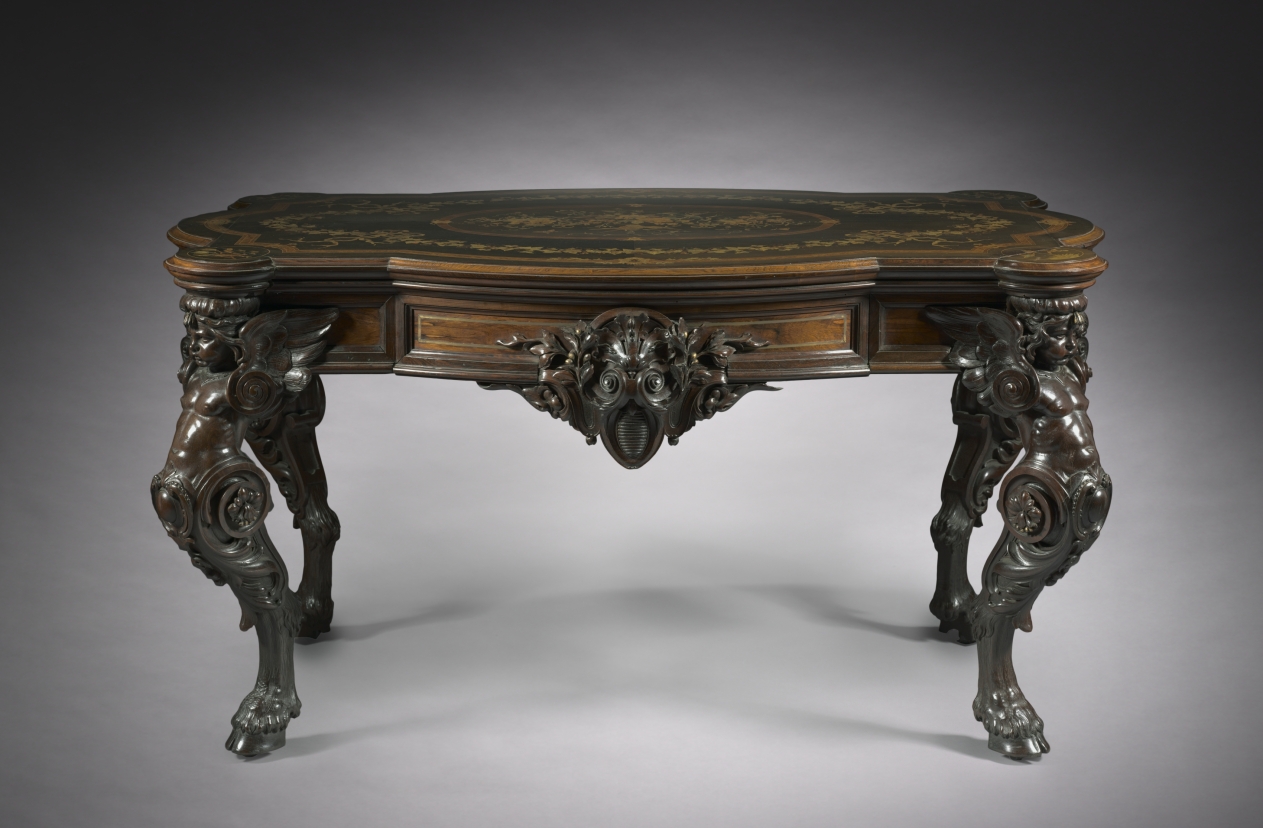
Center Table
Cleveland Museum of Art

Card table
Minneapolis Institute of Art

Writing and Toilette Table
Getty Museum

Table
Getty Museum

Writing Table
Getty Museum

Table
Getty Museum

Writing Table
Getty Museum

Table
Getty Museum
Ladies Writing Desk
Cleveland Museum of Art

Mechanical Reading, Writing, and Toilette Table
Getty Museum