Art Institute of Chicago
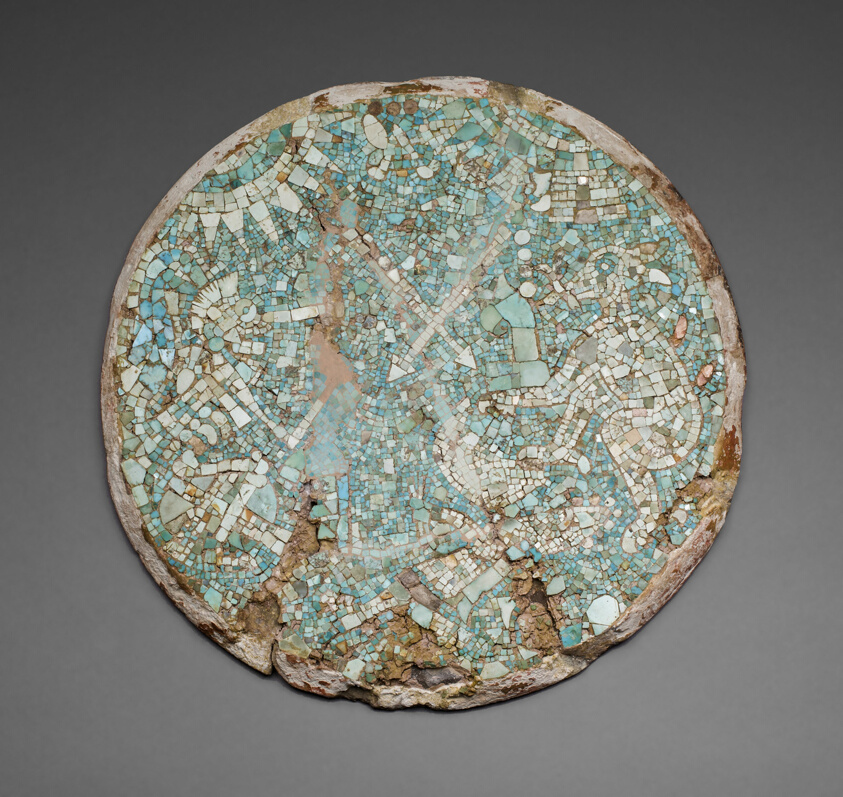
Mosaic Disk with a Mythological and Historical Scene
Mixtec
- Date
- 1400–1500
- Medium
- Turquoise, earthenware, stucco, spondylus shell, mother of pearl, and iron pyrite, with pigment
- Culture
- Oaxaca state
- Department
- Arts of the Americas
- Institution
- Art Institute of Chicago
Turquoise and shell mosaics were a specialty of the Mixtecs of northern Oaxaca, whose artists worked in the imperial Aztec (Mexica) capital, Tenochtitlan, after the mid-15th century. This disk commemorates historical events using calendrical and mythological imagery. In Mixtec culture, as elsewhere in ancient Mesoamerica, the history of the world was conceived in terms of cosmic cycles of creation, destruction, and re-creation. Each cycle, known as a “sun,” lasted many centuries. On a smaller scale within each cycle, time was organized into repeating 52-year periods whose end and renewal were marked by equinox sunsets and sunrises in rituals of transition. On this disk, the sign for “year” and the date “3 Flint- Knife” (A.D. 1456) are associated with the image of the sun on the left; the date “4 House” (A.D. 1457) is linked by footsteps to the sun on the right. These dates mark the end of one 52-year cycle and the beginning of a new one. In the center, crossed darts symbolize a military alliance. Alliance members are represented by the skeletal figure at the left and the animal figure at the right. Below, a prone human form (damaged) signifies a sacrifice to confirm the association. The imagery of the disk stems from a long-established Mixtec tradition of pictorial manuscripts.
The authoritative record is held by Art Institute of Chicago. LinkedCulture surfaces this object and its connections; it does not alter institutional metadata.
Linked open data
Authority identifiers that link this record into the wider web of cultural data — stable references you can follow to the source.
- Object type
- AAT300312158
Related across collections
Semantically similar works from Art Institute of Chicago and other institutions.
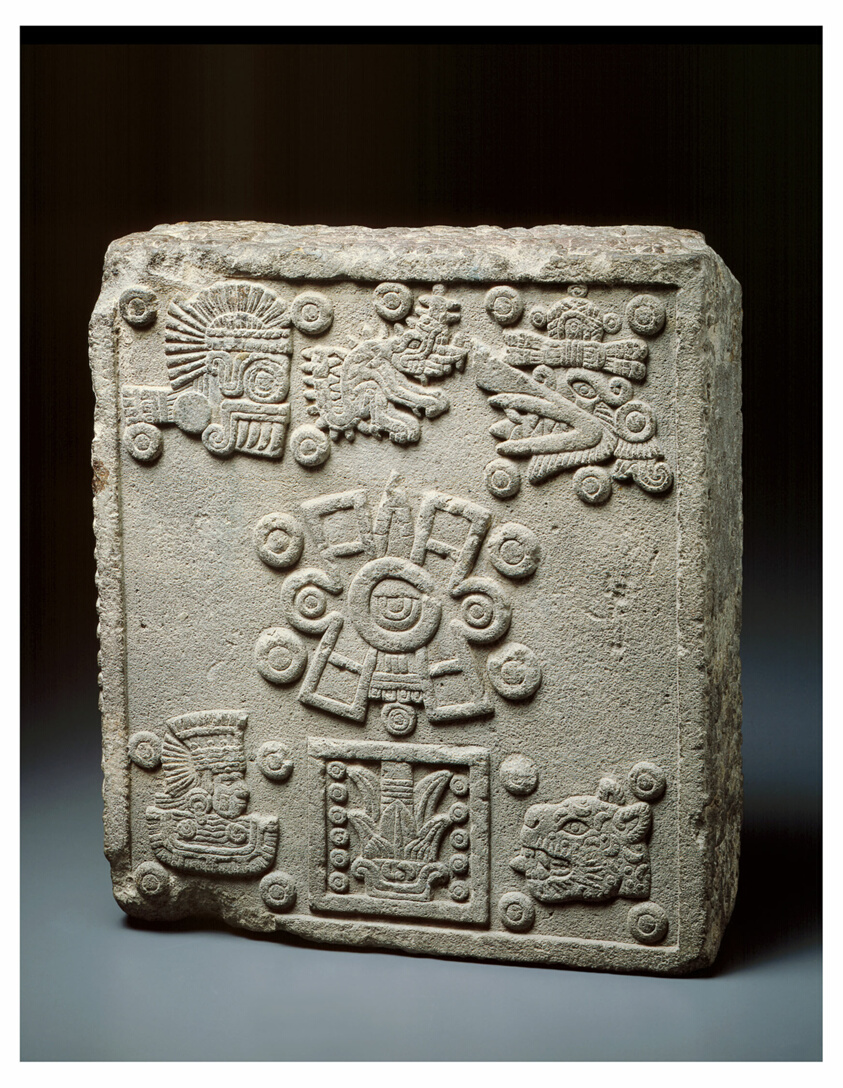
Coronation Stone of Moctezuma Xocoyotzin
Art Institute of Chicago
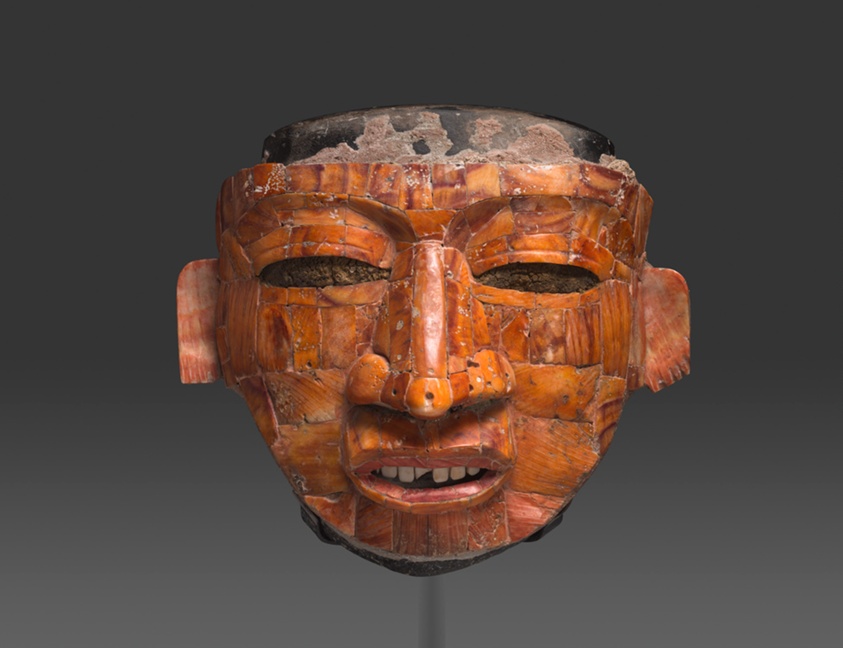
Face
Art Institute of Chicago
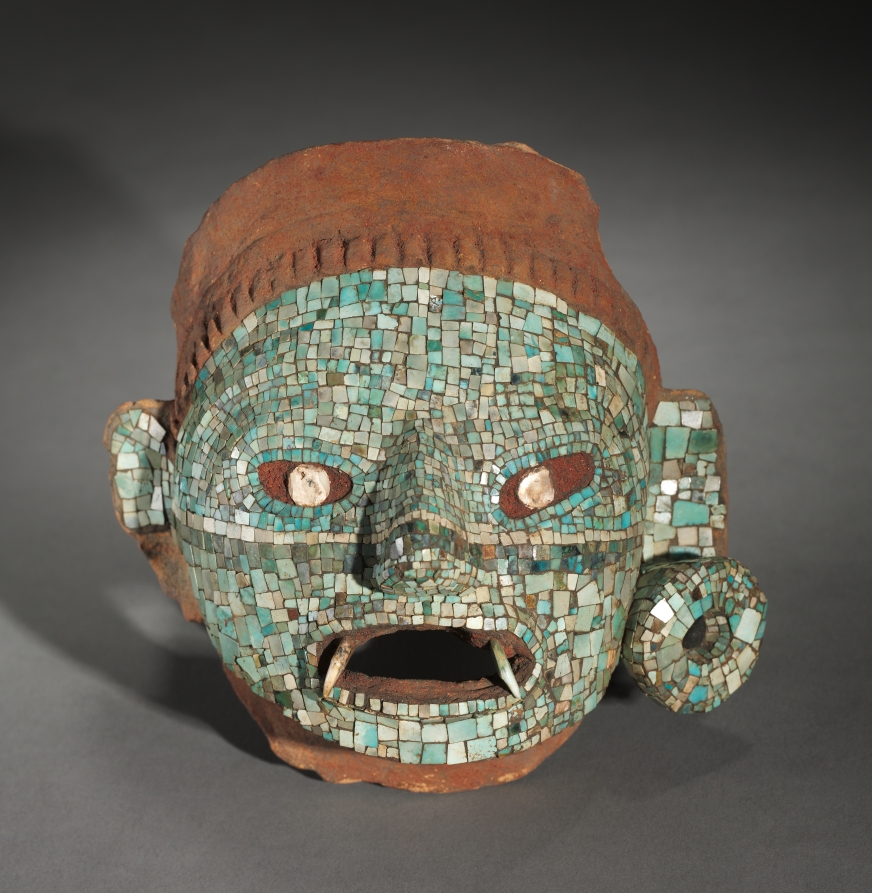
Mask
Cleveland Museum of Art
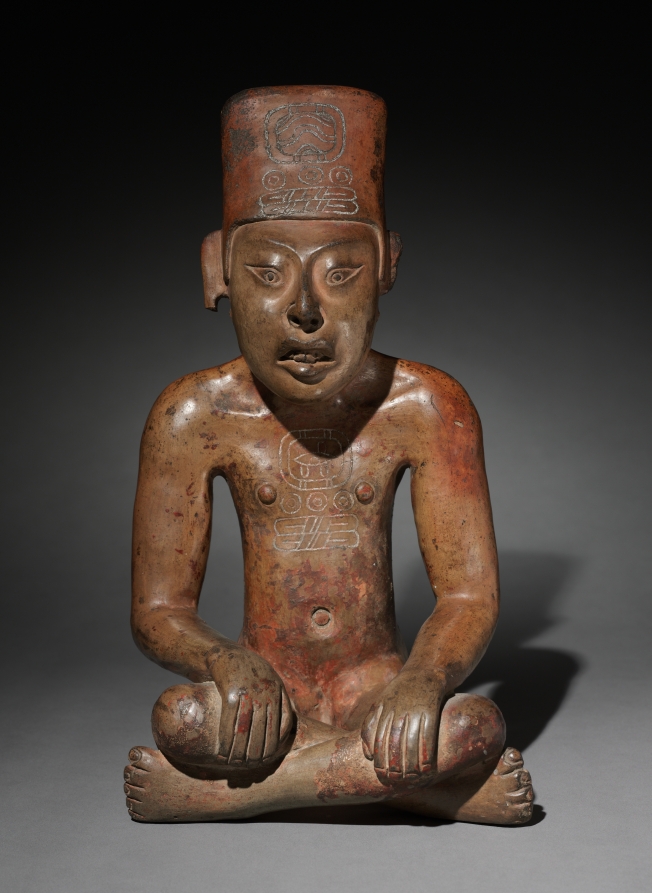
Seated Figure
Cleveland Museum of Art
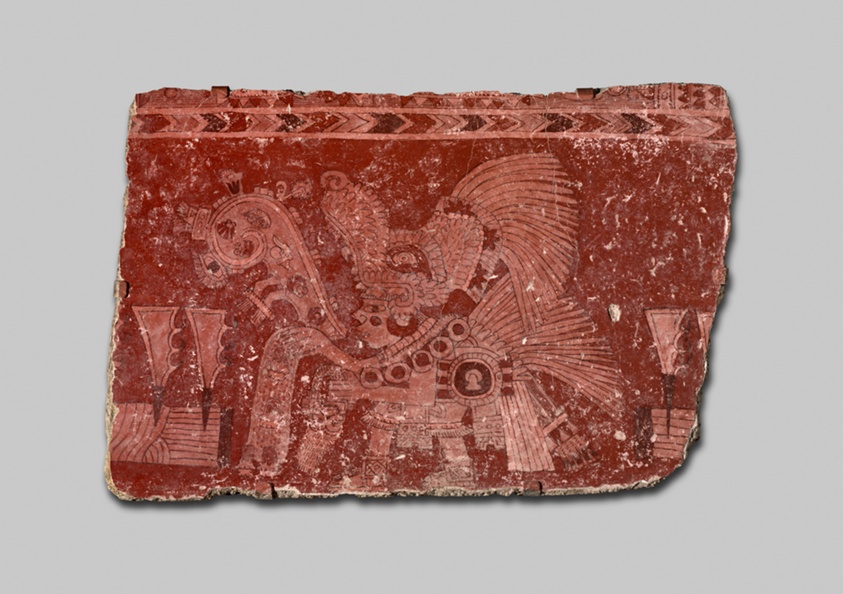
Mural Fragment Depicting a Maguey Bloodletting Ritual
Art Institute of Chicago
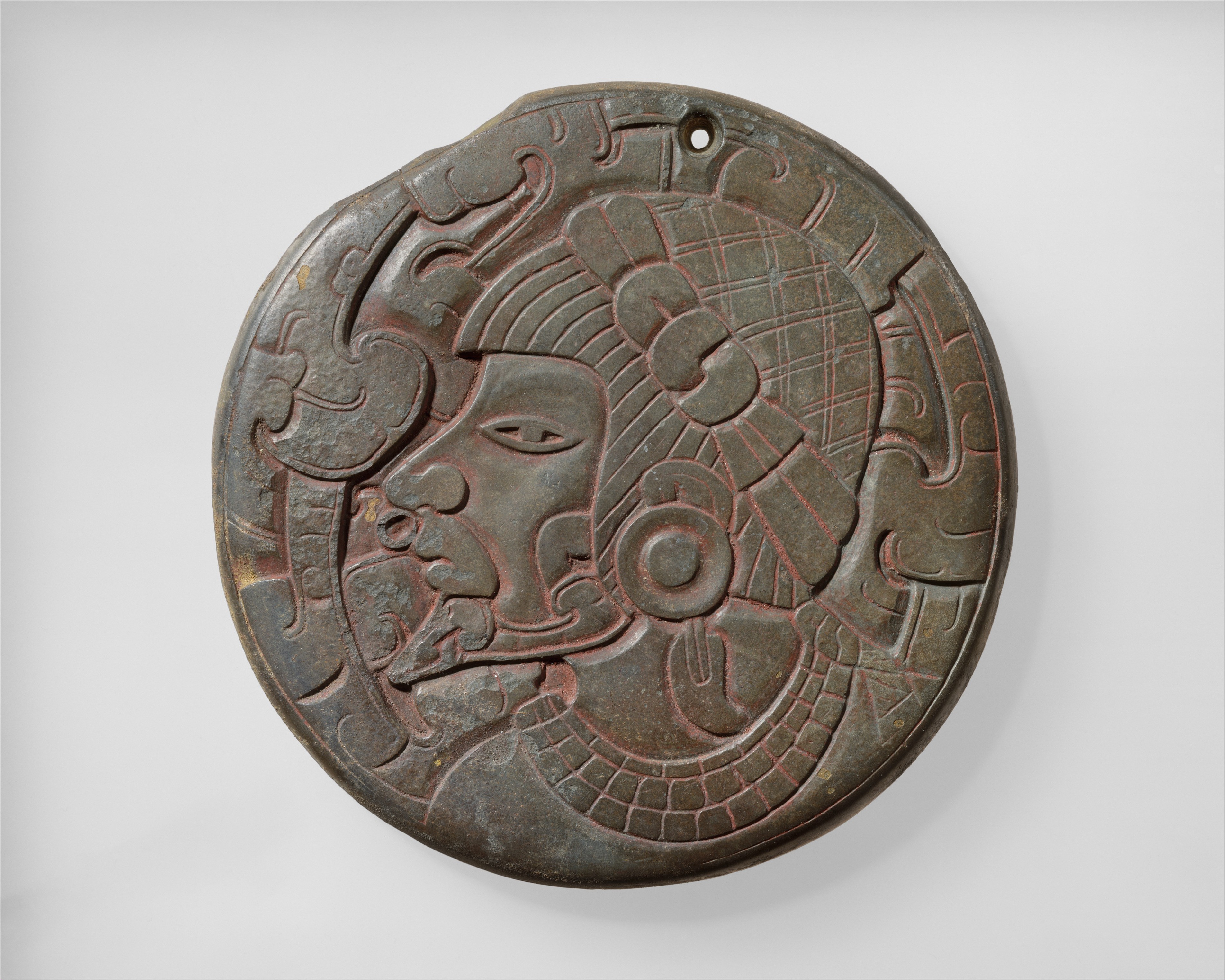
Disk
The Metropolitan Museum of Art
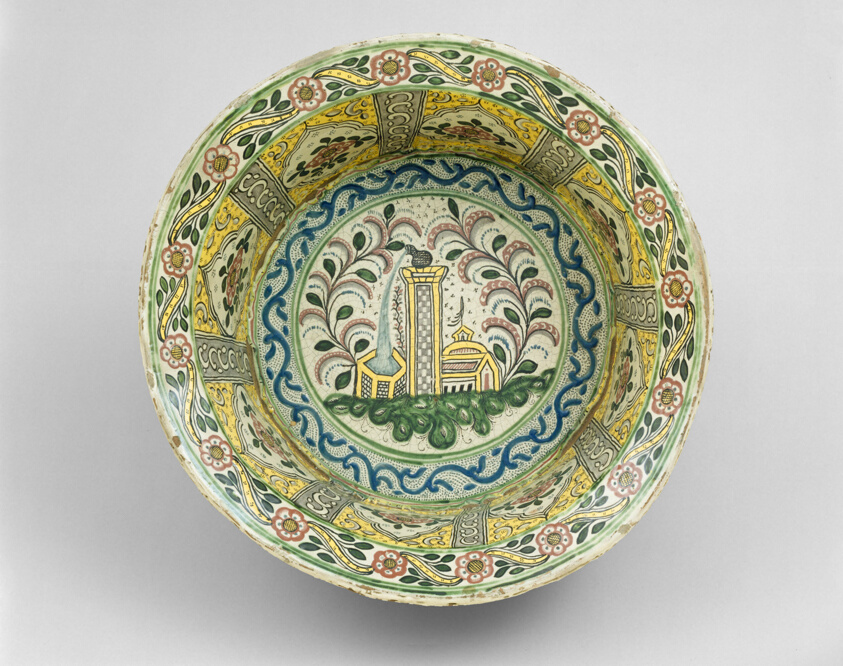
Basin Depicting a Cistern, Tower and Domed Building
Art Institute of Chicago
Necklace
Cleveland Museum of Art
Mosaic Floor Panel Depicting a Personification of a Season
Art Institute of Chicago
Mask
Cleveland Museum of Art
Miniature Mask
Art Institute of Chicago
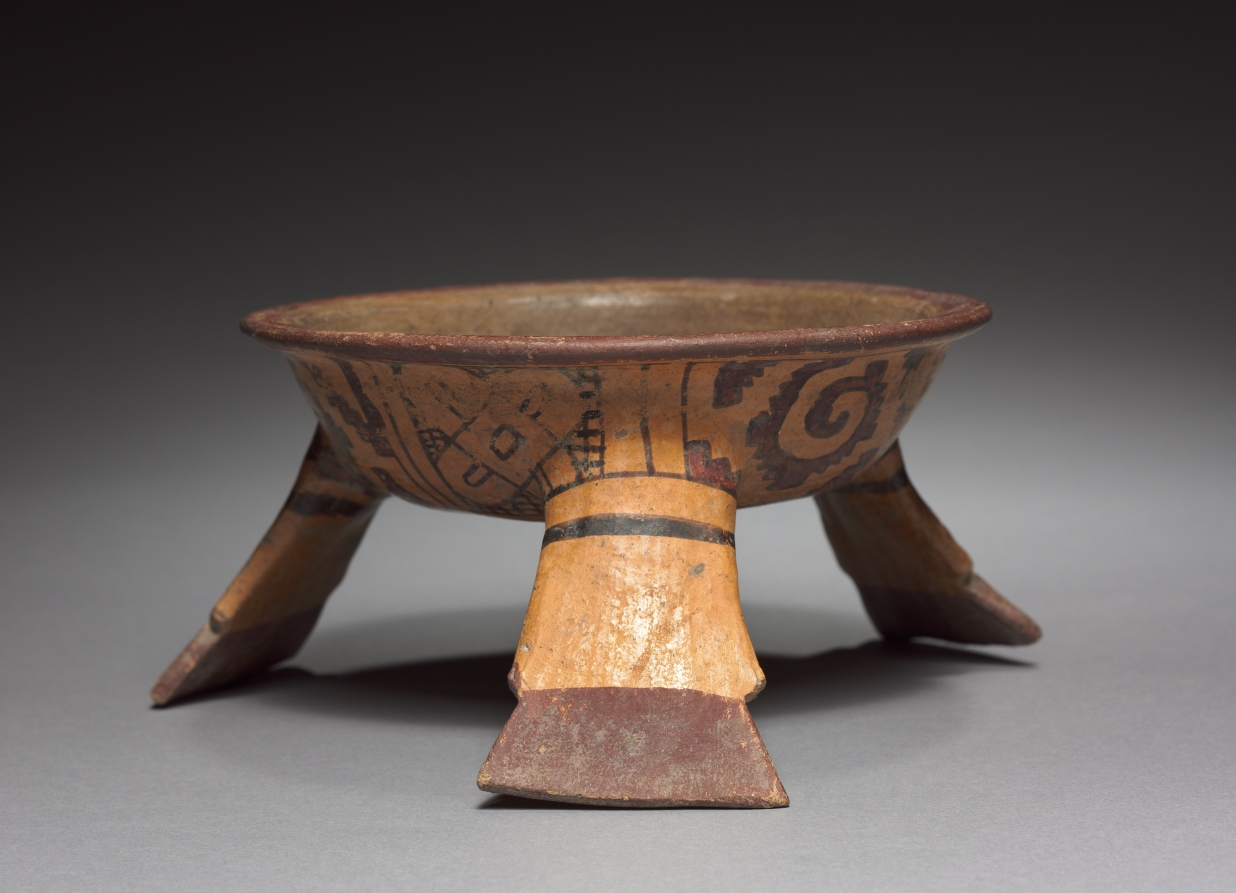
Tripod Bowl with Painted Underside
Cleveland Museum of Art