Art Institute of Chicago
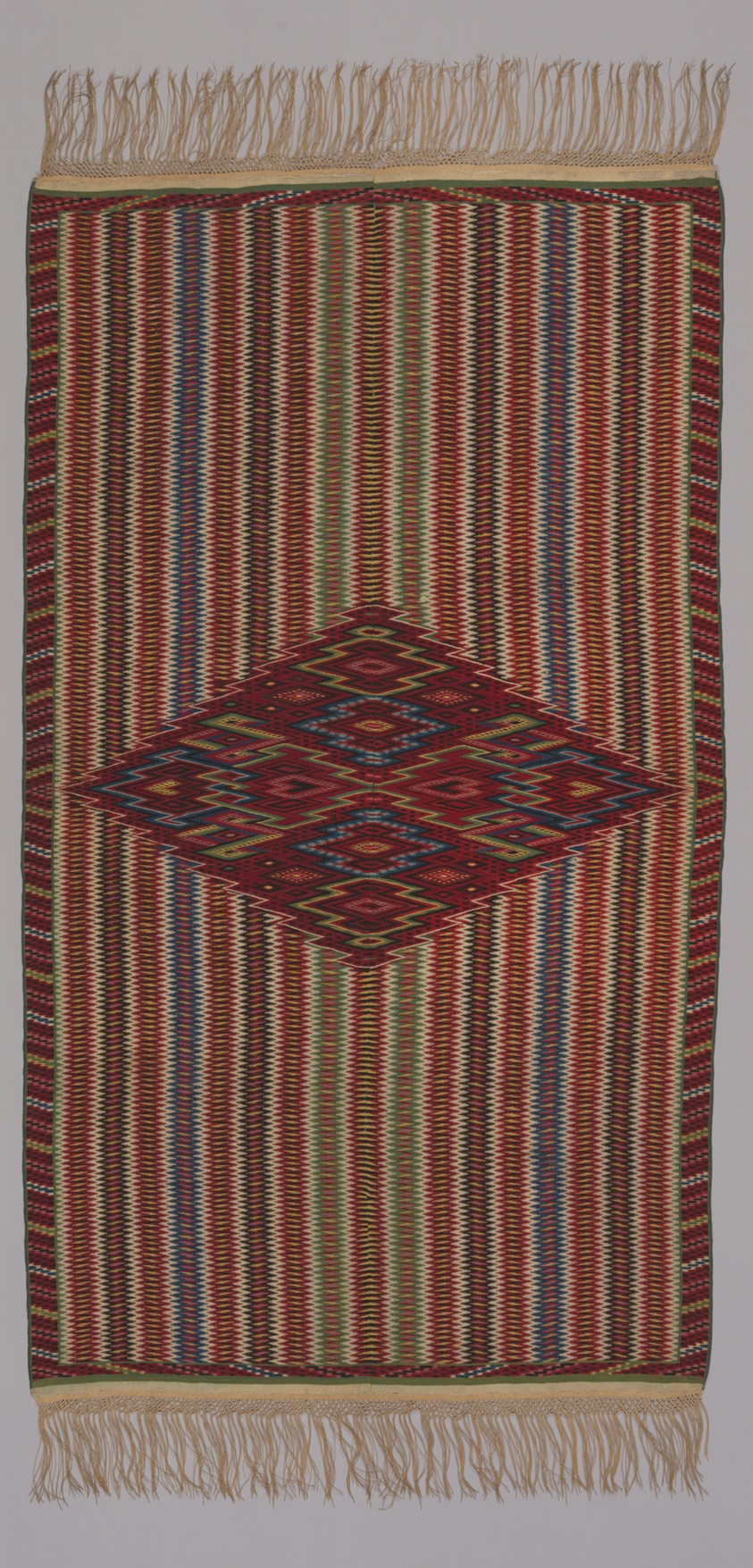
Man's Sarape (Wearing Blanket)
Saltillo, Coahuila, Mexico
- Date
- 1800–50
- Medium
- Cotton and wool, slit and single dovetail tapestry weave; edged with cotton, knotted fringe
- Culture
- Saltillo
- Department
- Textiles
- Institution
- Art Institute of Chicago
Produced in northern Mexico using a combination of Indigenous and foreign weaving materials and techniques, the man’s wearing blanket—also known as a sarape —was a highly valued and versatile garment. Wrapped around the body like a shawl or folded and draped over one shoulder, sarapes were also used as blankets and provided protection from the weather. Made with native, undyed, hand-spun cotton and dyed churro wool from imported sheep, sarapes are soft, light, strong, and warm. With their bold designs and brilliant colors, sarapes became a symbol of Mexican identity following the Mexican Revolution.
The authoritative record is held by Art Institute of Chicago. LinkedCulture surfaces this object and its connections; it does not alter institutional metadata.
Linked open data
Authority identifiers that link this record into the wider web of cultural data — stable references you can follow to the source.
- Object type
- AAT300014063
Related across collections
Semantically similar works from Art Institute of Chicago and other institutions.
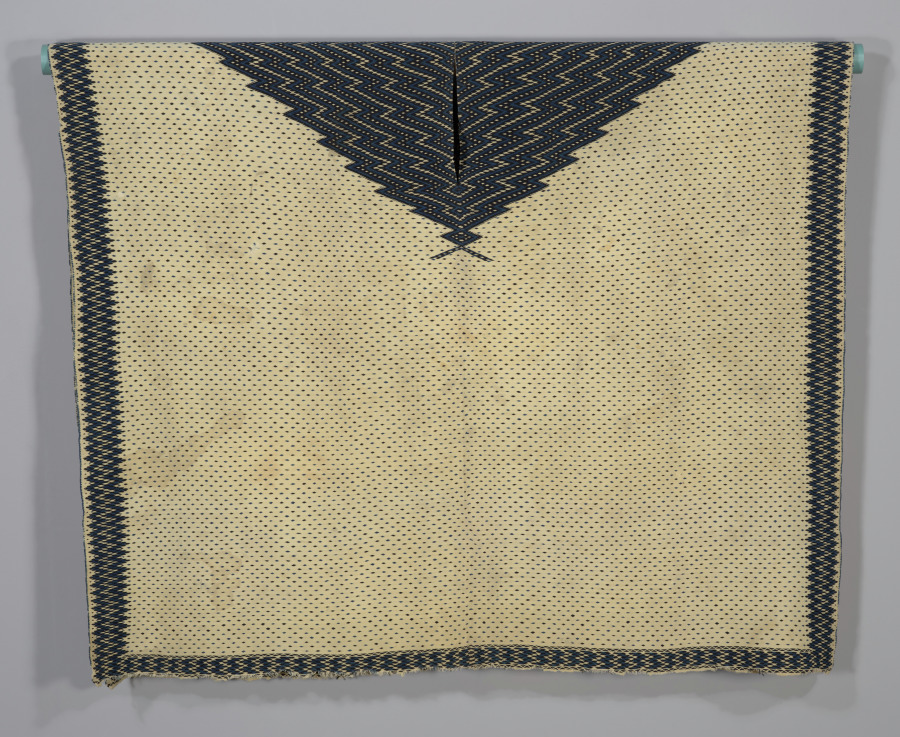
Saltillo Sarape
Cleveland Museum of Art
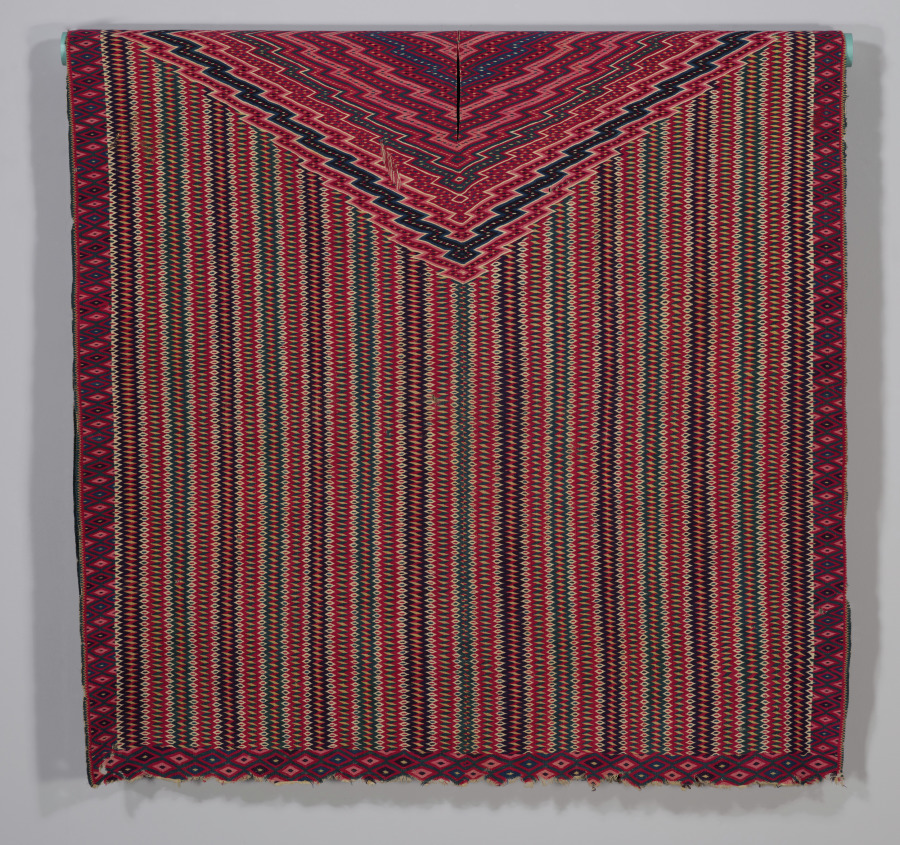
Saltillo Sarape
Cleveland Museum of Art
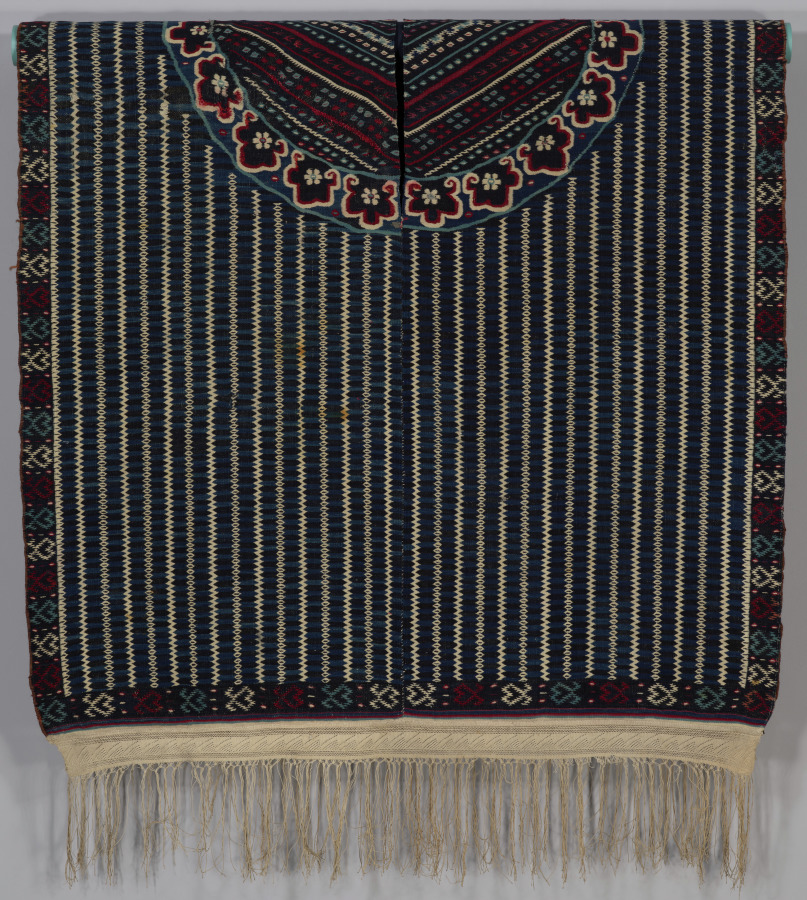
Saltillo Sarape
Cleveland Museum of Art
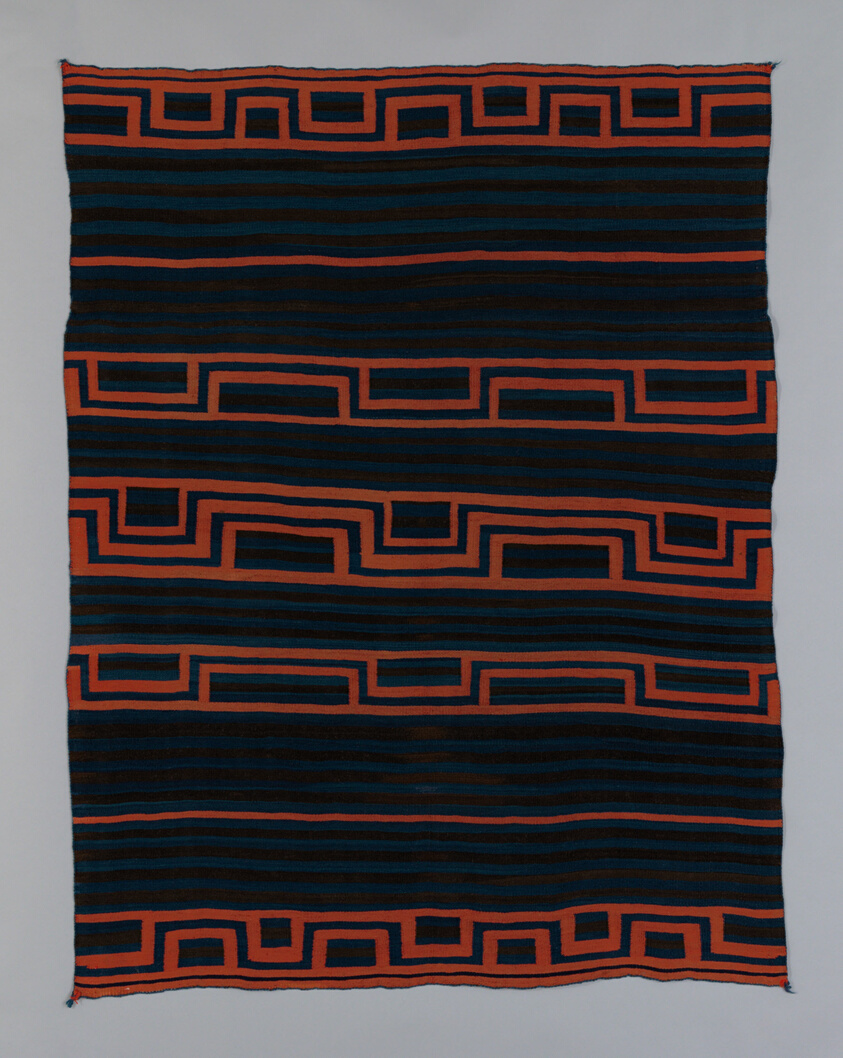
Moqui-Style Sarape
Art Institute of Chicago
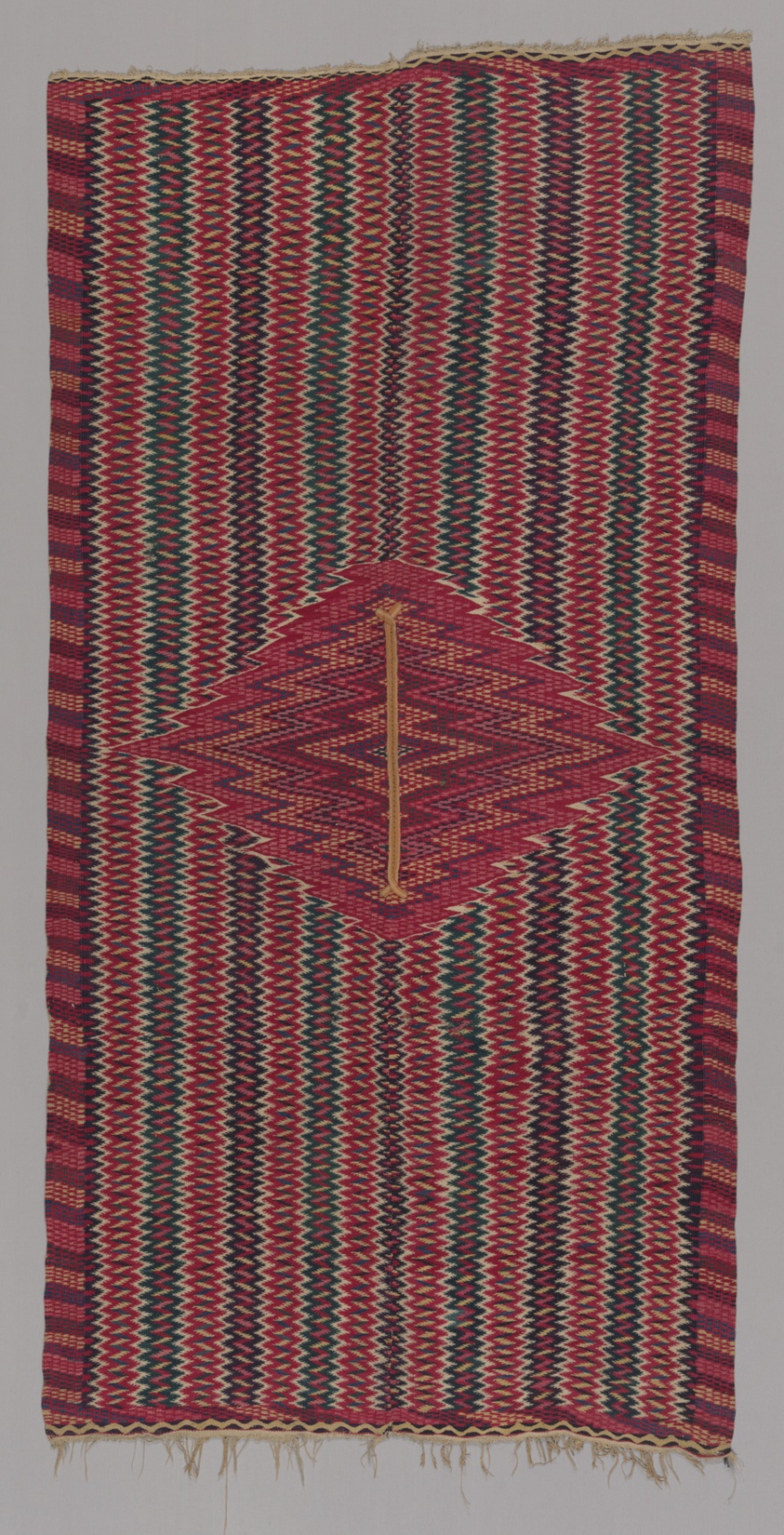
Sarape
Art Institute of Chicago
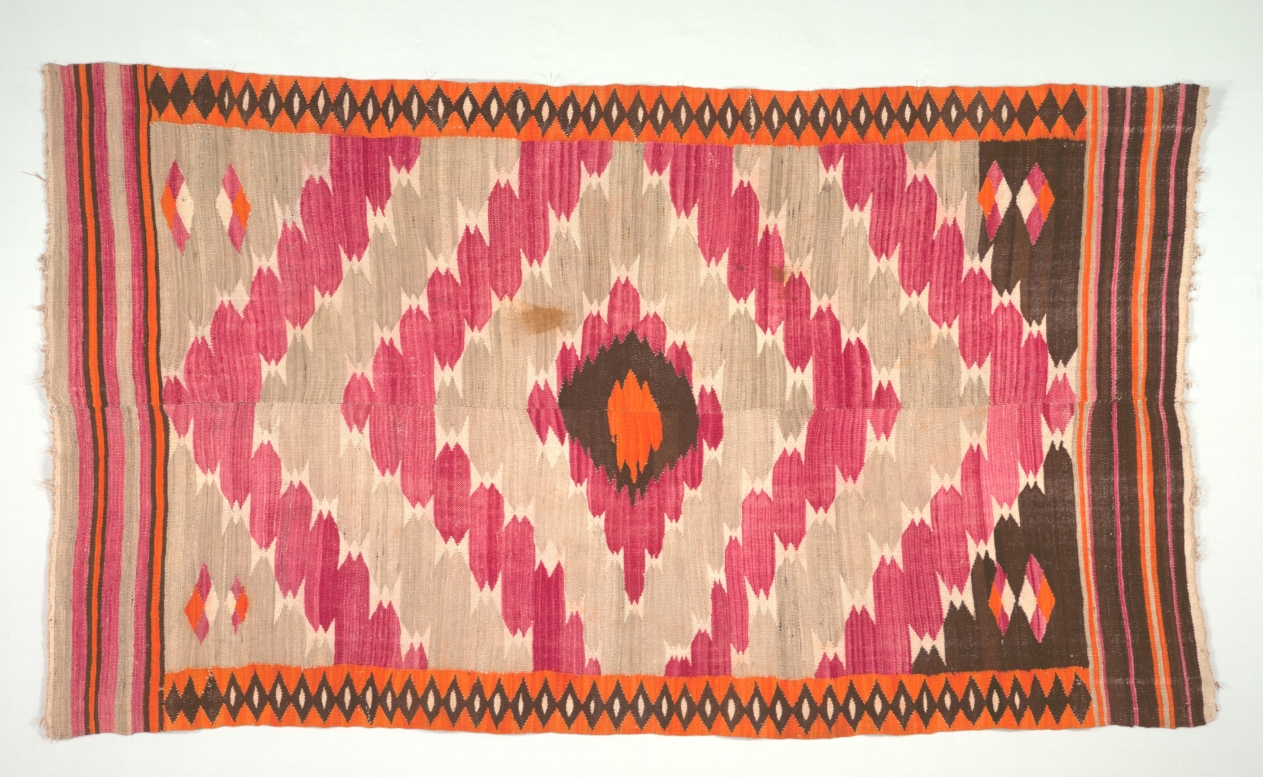
Blanket/ Sarape
Cleveland Museum of Art

Sarape
Art Institute of Chicago
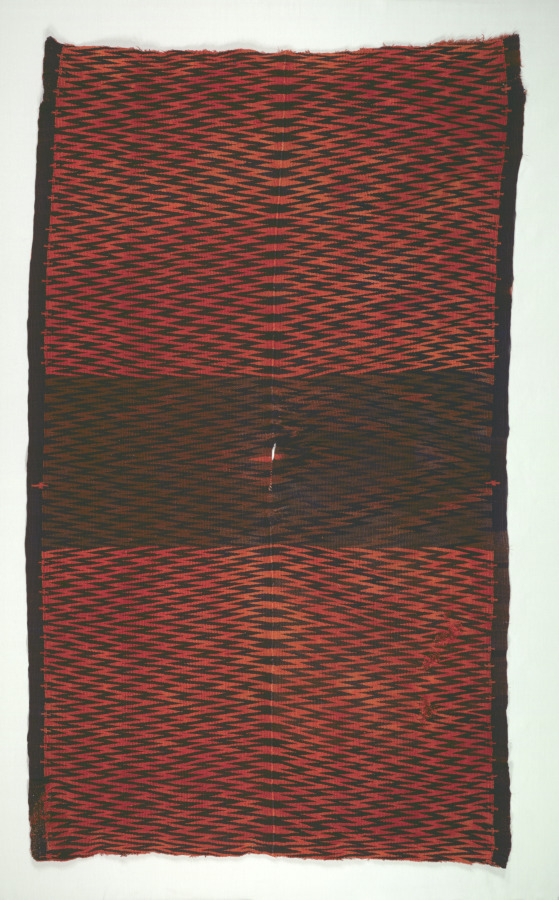
Saltillo Style Blanket/ Sarape
Cleveland Museum of Art
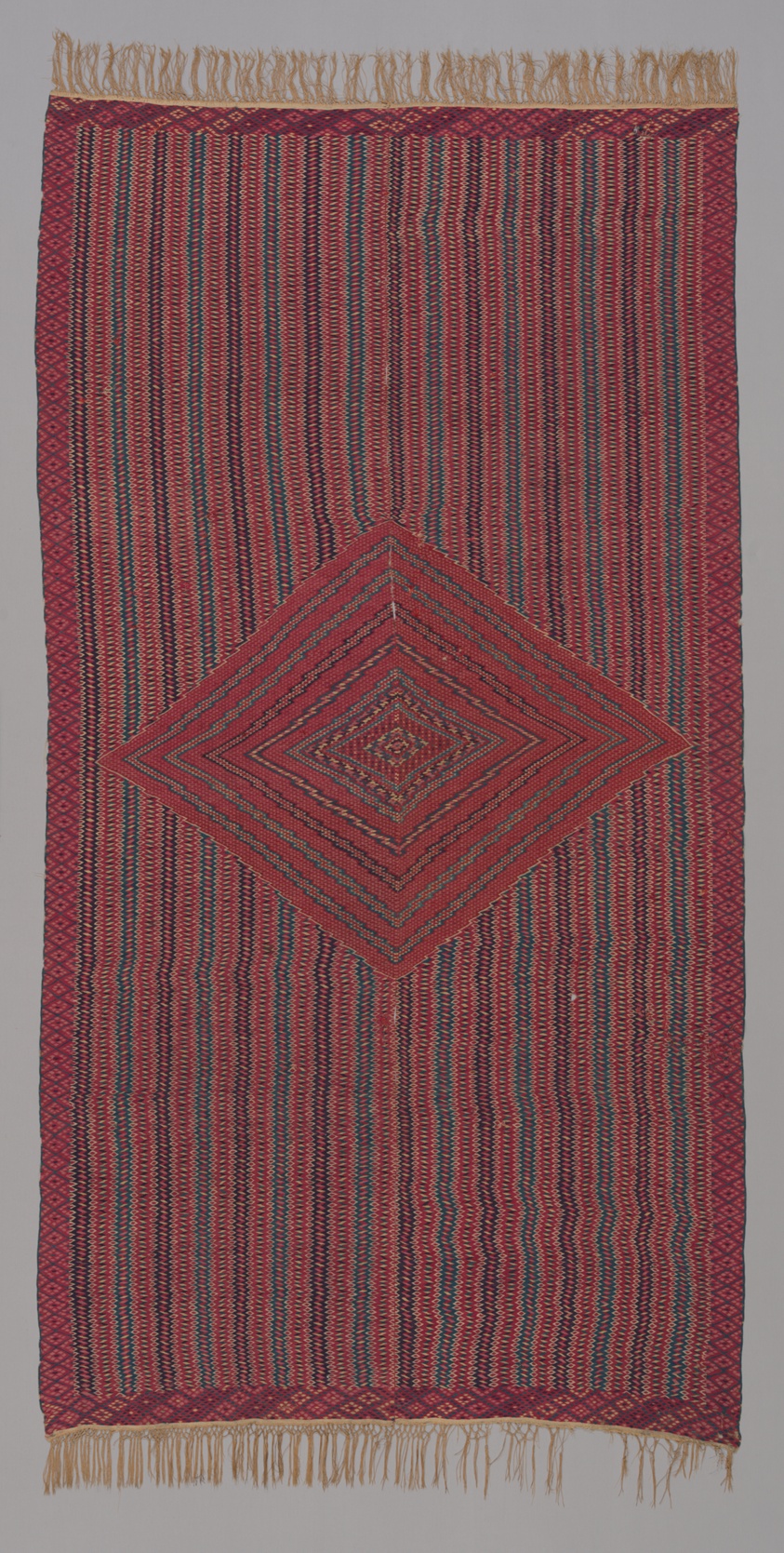
Sarape
Art Institute of Chicago
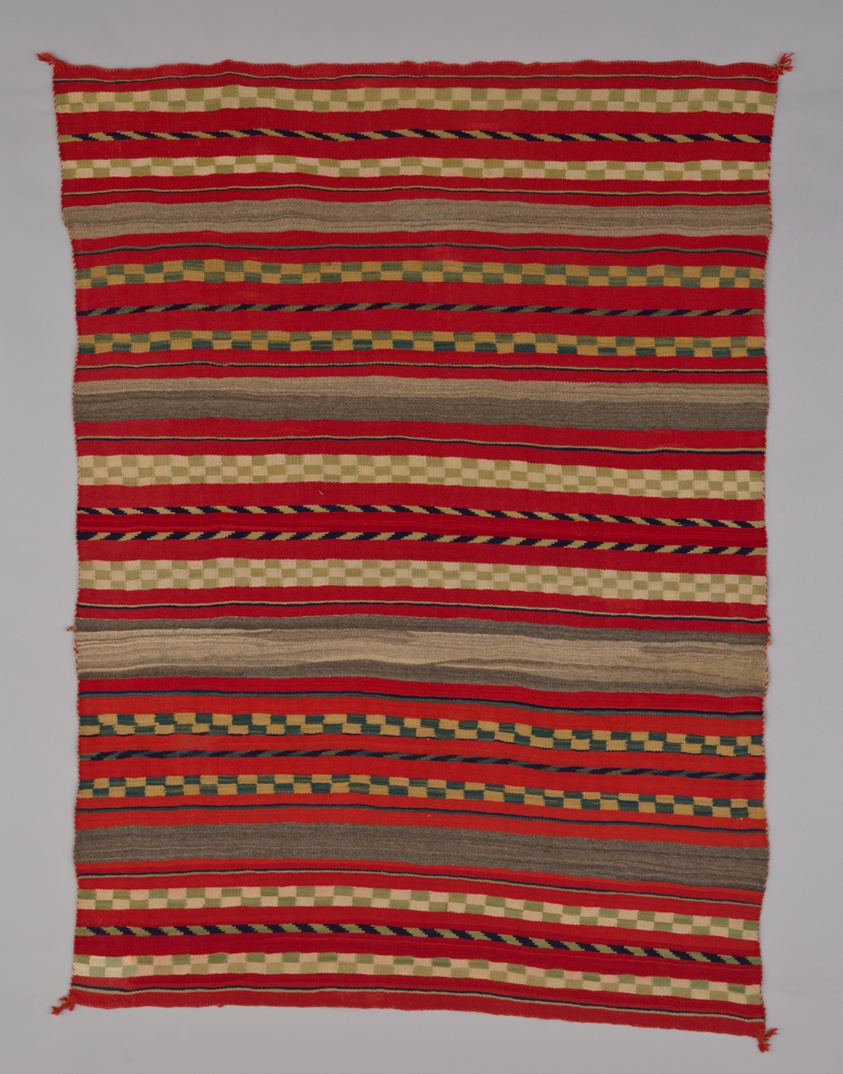
Sarape with Compound Banded Design
Art Institute of Chicago

Sarape
Art Institute of Chicago
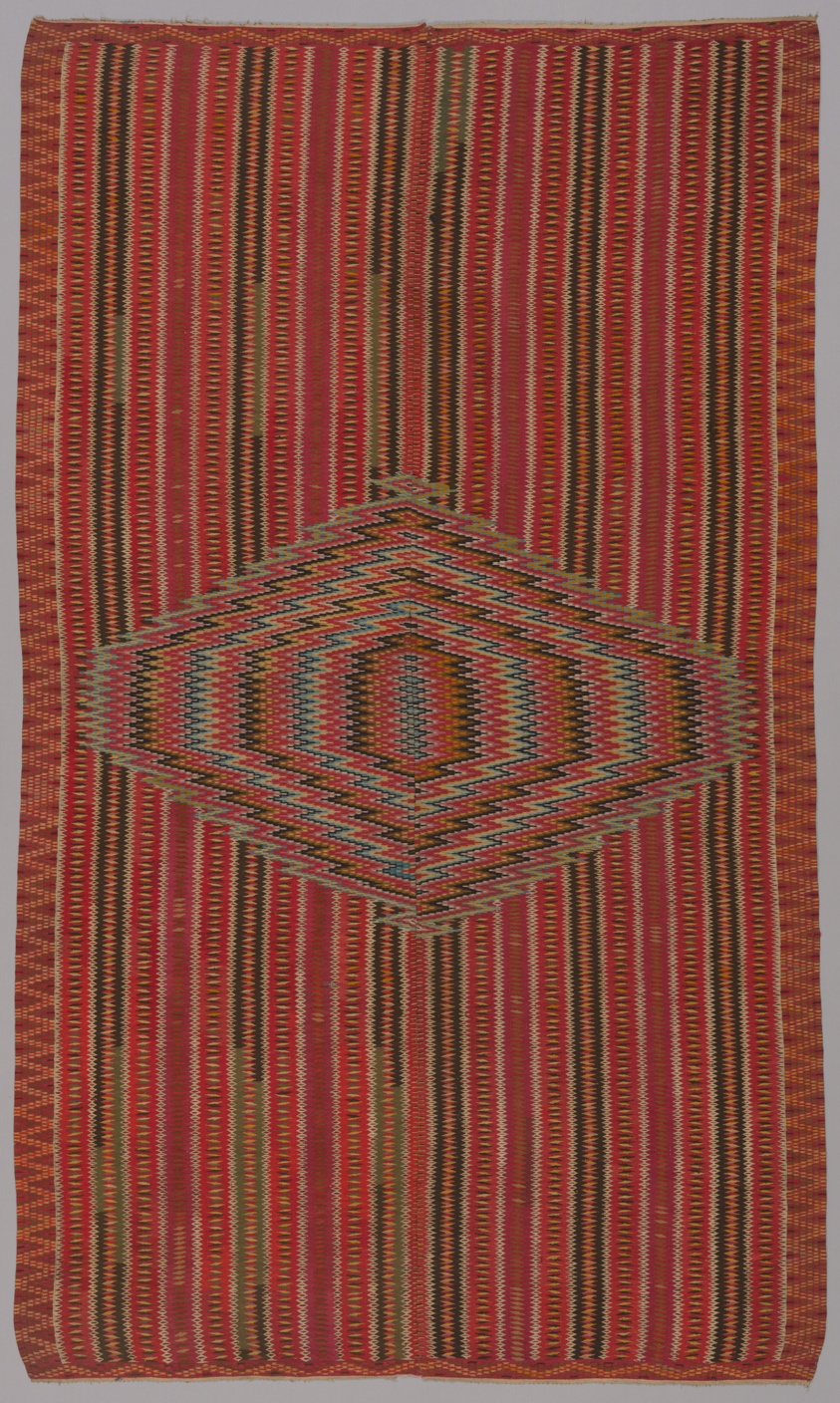
Sarape
Art Institute of Chicago