Art Institute of Chicago
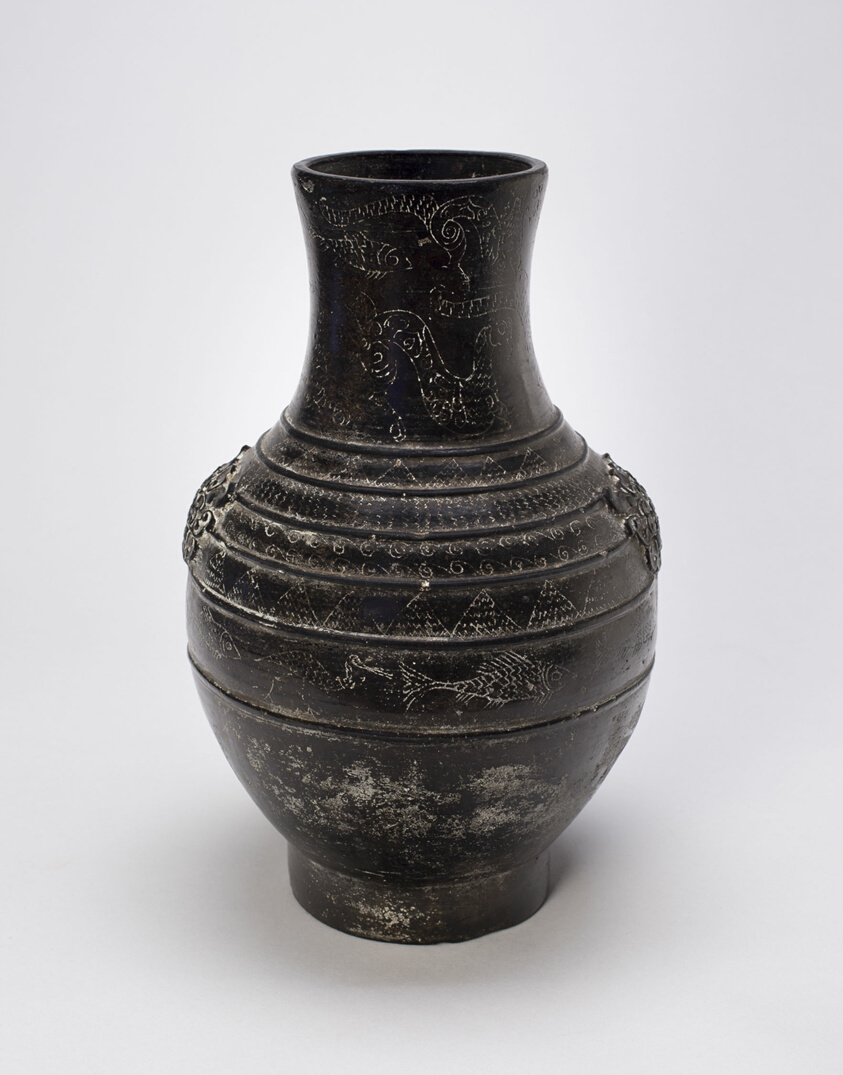
Container in the Form of a Bronze Jar (Hu)
China
- Date
- Warring States period, 475–221 BCE
- Medium
- Earthenware
- Culture
- China
- Department
- Arts of Asia
- Institution
- Art Institute of Chicago
The shape of this container and the monster-mask (taotie) decoration on its sides closely imitate those of bronze vessels. The use of clay rather than the more costly bronze reveals the object’s function as mingqi or “spirit good,” an object that was made specifically for the funerary context. The animal imagery and geometric patterns on the vessel surface, however, are distinctive to objects made of clay. Tigers, fish, and birds—images drawn from land, water, and air—represent early attempts in Chinese art to portray the natural world. Similar ceramics have been excavated from tombs of the ancient State of Yan, in the region of modern-day Beijing.
The authoritative record is held by Art Institute of Chicago. LinkedCulture surfaces this object and its connections; it does not alter institutional metadata.
Related across collections
Semantically similar works from Art Institute of Chicago and other institutions.
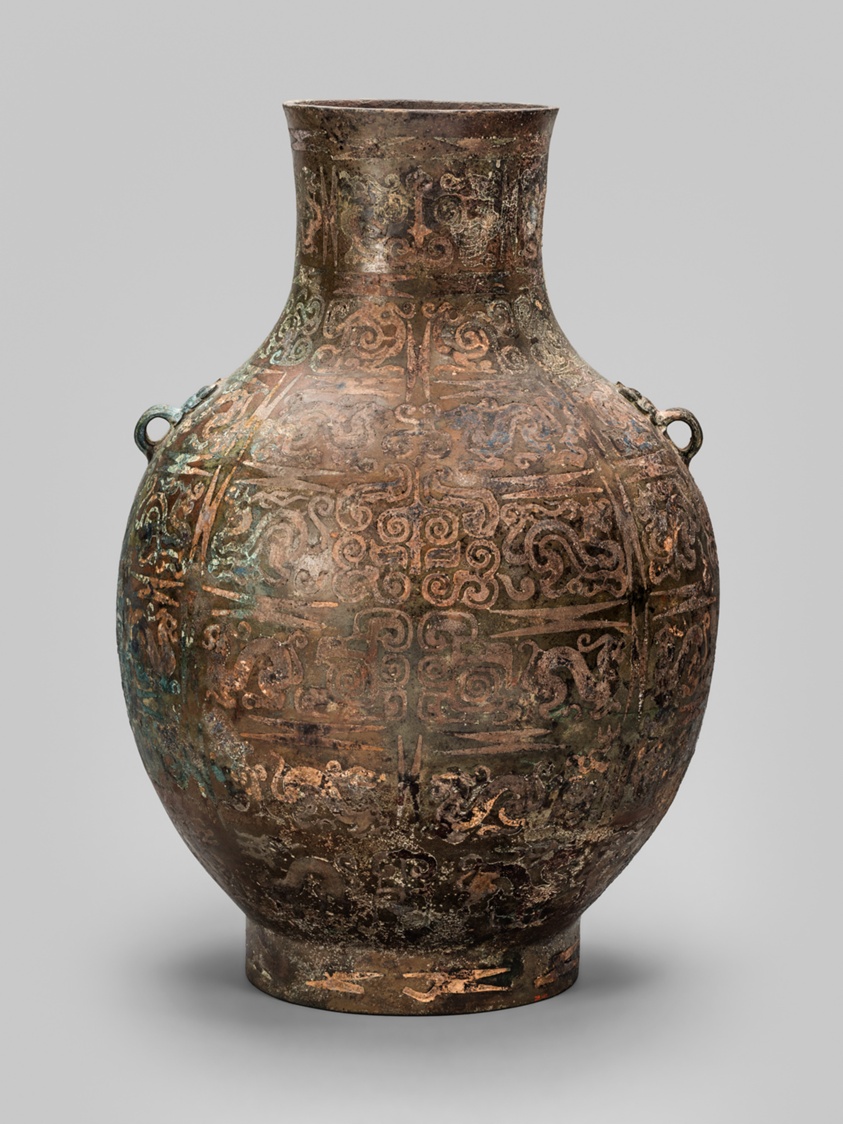
Jar (hu)
Art Institute of Chicago
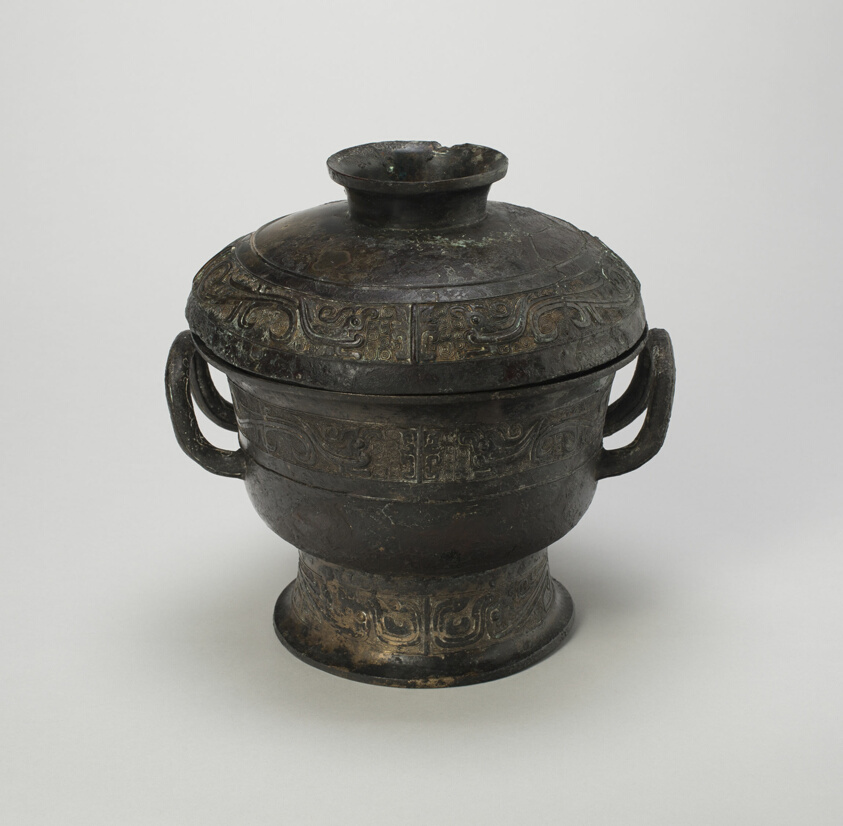
Covered Food Container
Art Institute of Chicago

Hu storage jar
Minneapolis Institute of Art
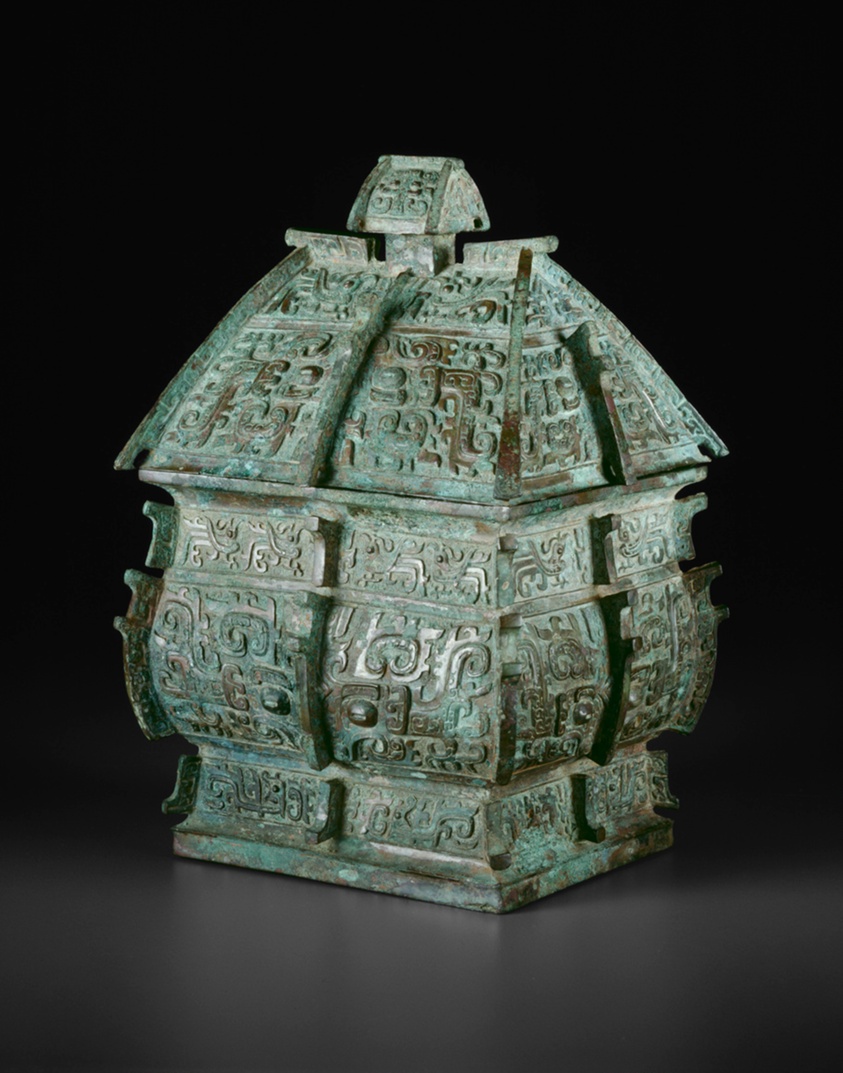
Wine Container
Art Institute of Chicago
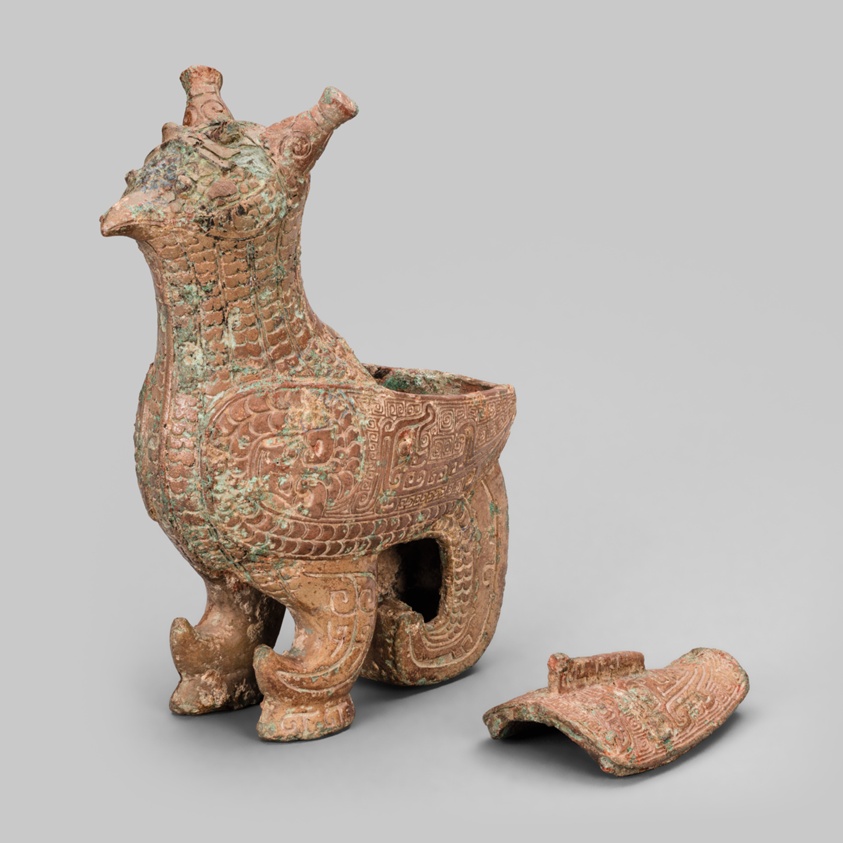
Bird-Shaped Container (zun)
Art Institute of Chicago
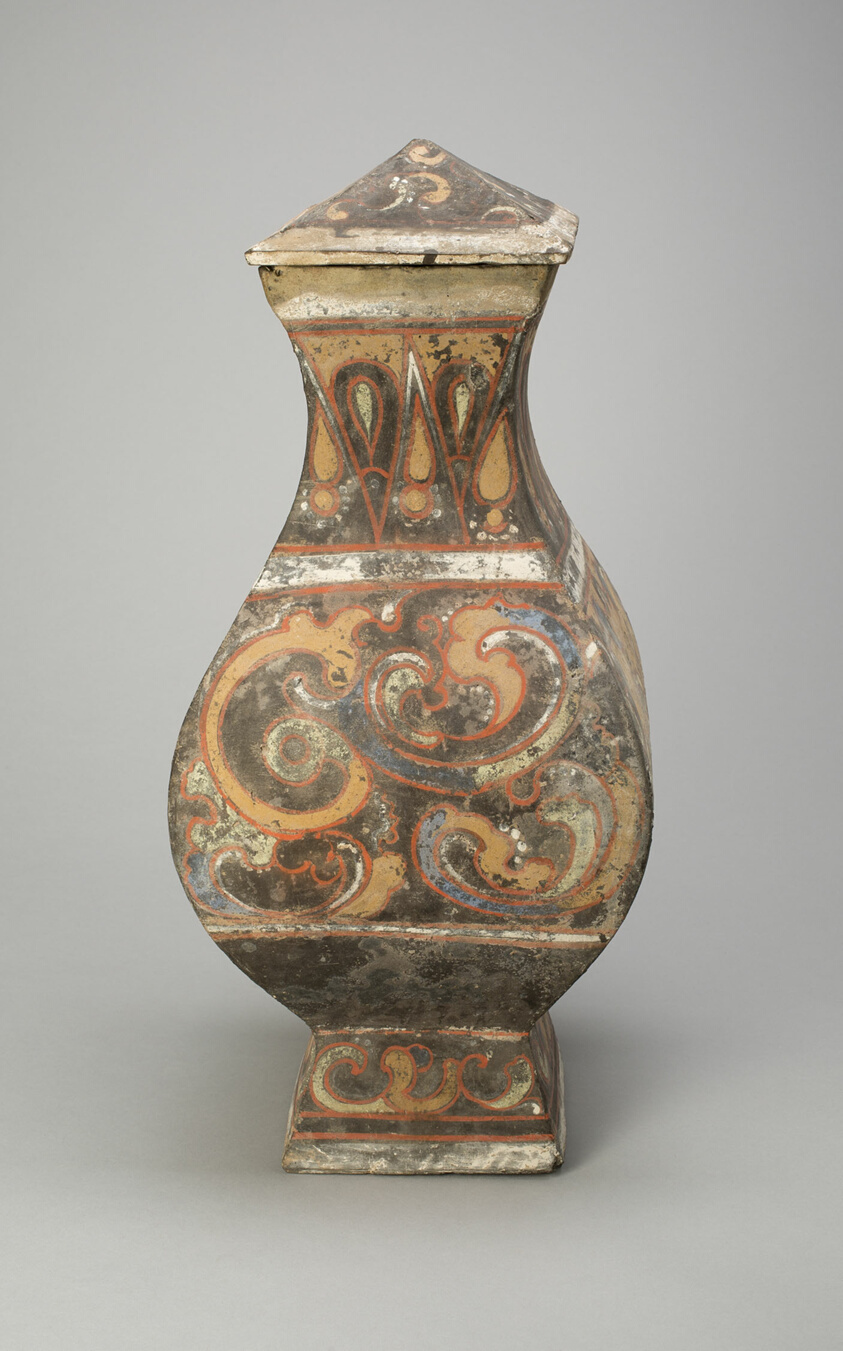
Square-Sectioned Jar (Fanghu)
Art Institute of Chicago
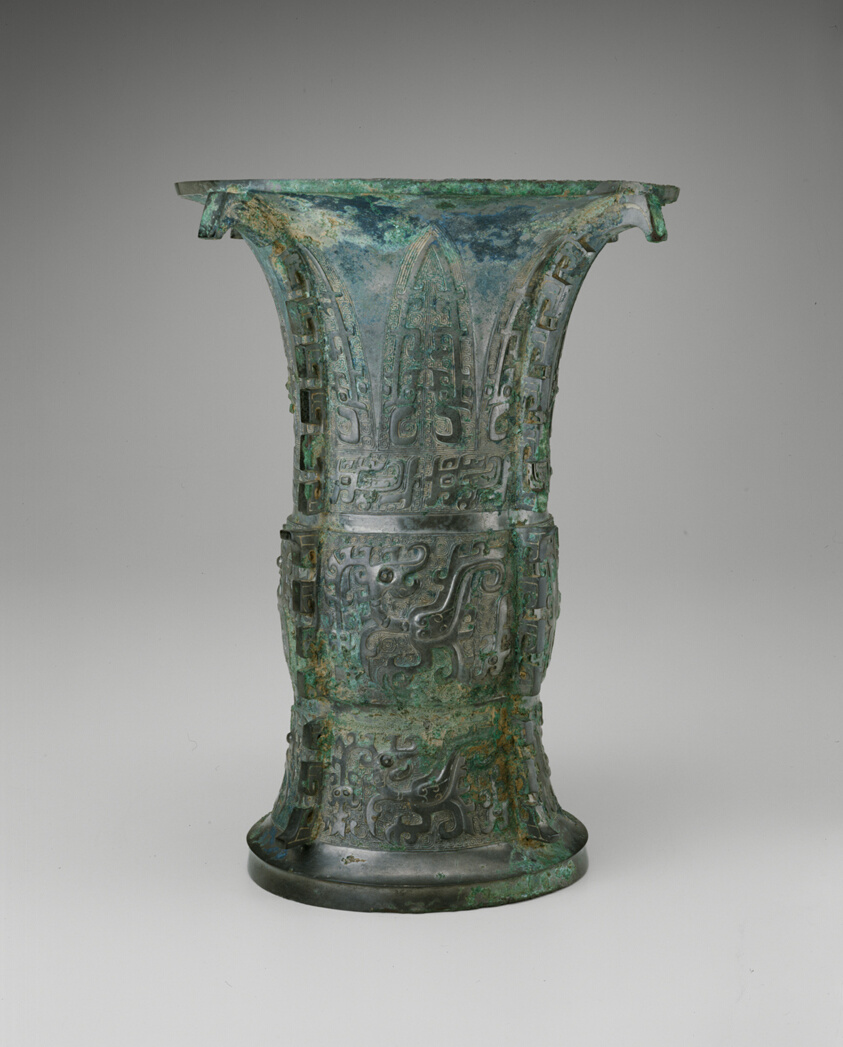
Wine Container
Art Institute of Chicago
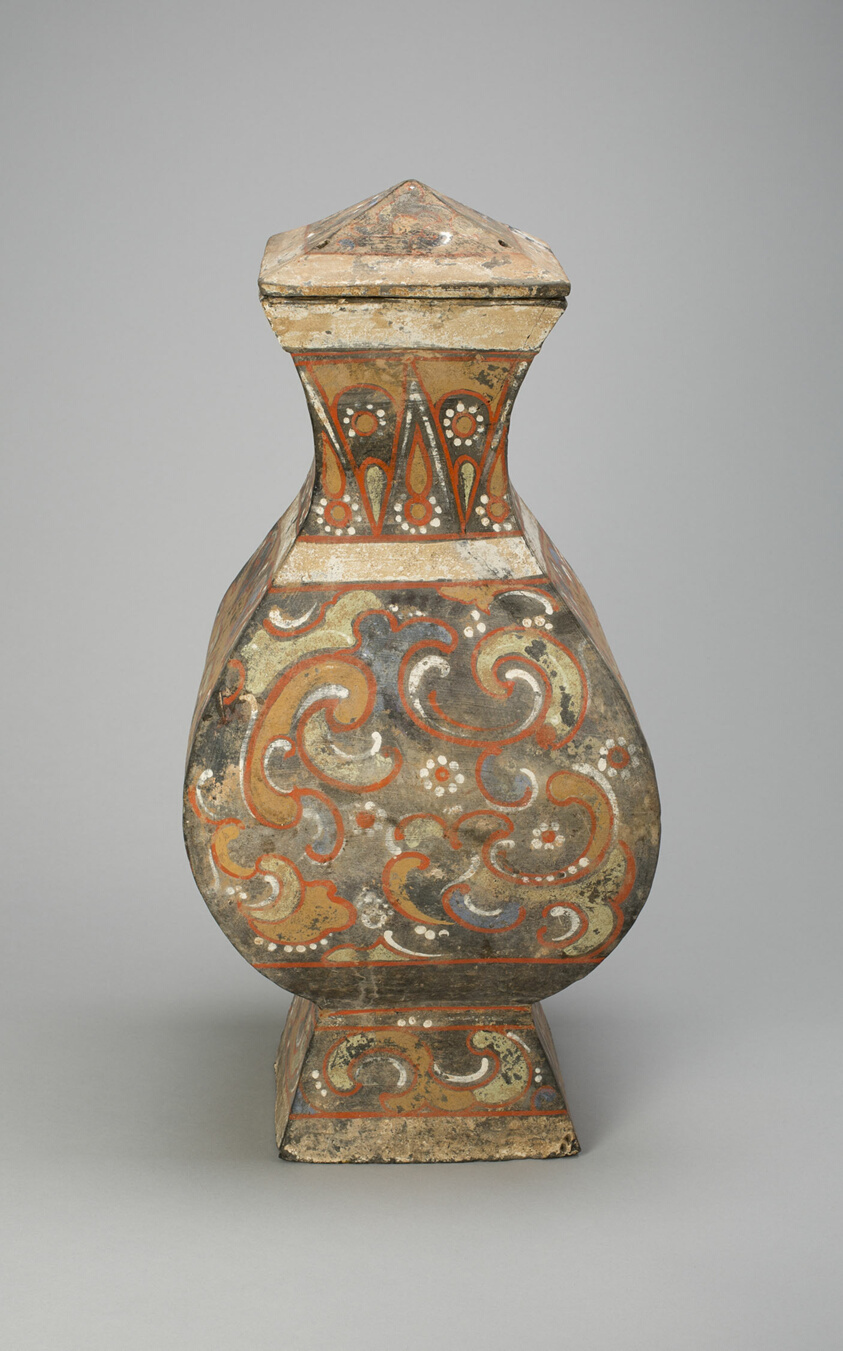
Square-Sectioned Jars (Fanghu)
Art Institute of Chicago

Burial jar for wine storage, one of a pair
Minneapolis Institute of Art
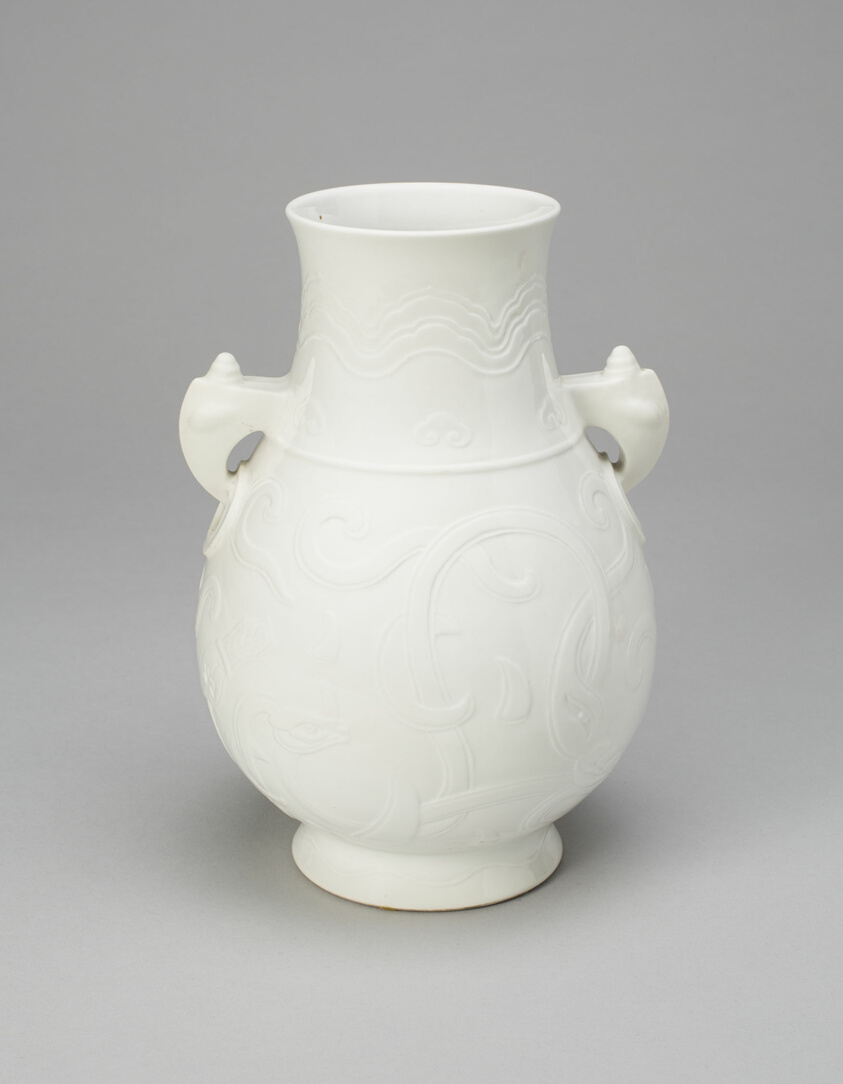
Vessel in the Form of an Ancient Bronze Jar (Hu)
Art Institute of Chicago

Spirit Jar (hunping)
Minneapolis Institute of Art
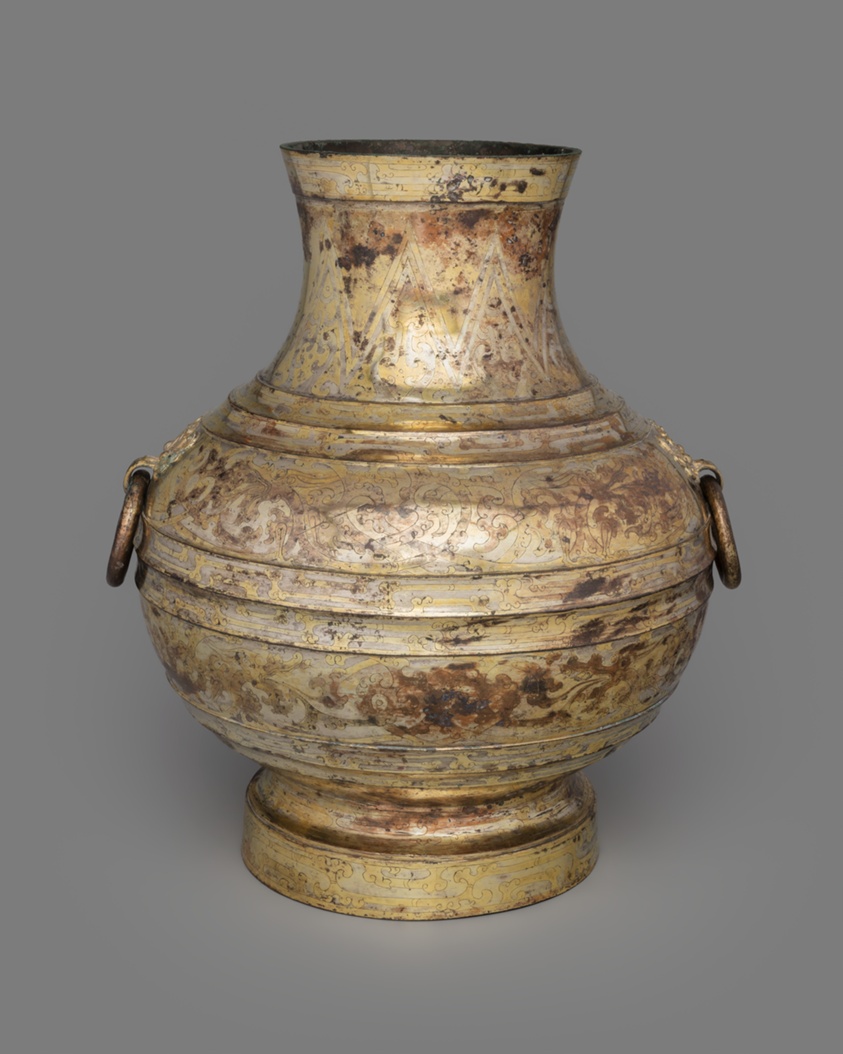
Jar (hu or zhong)
Art Institute of Chicago