Art Institute of Chicago
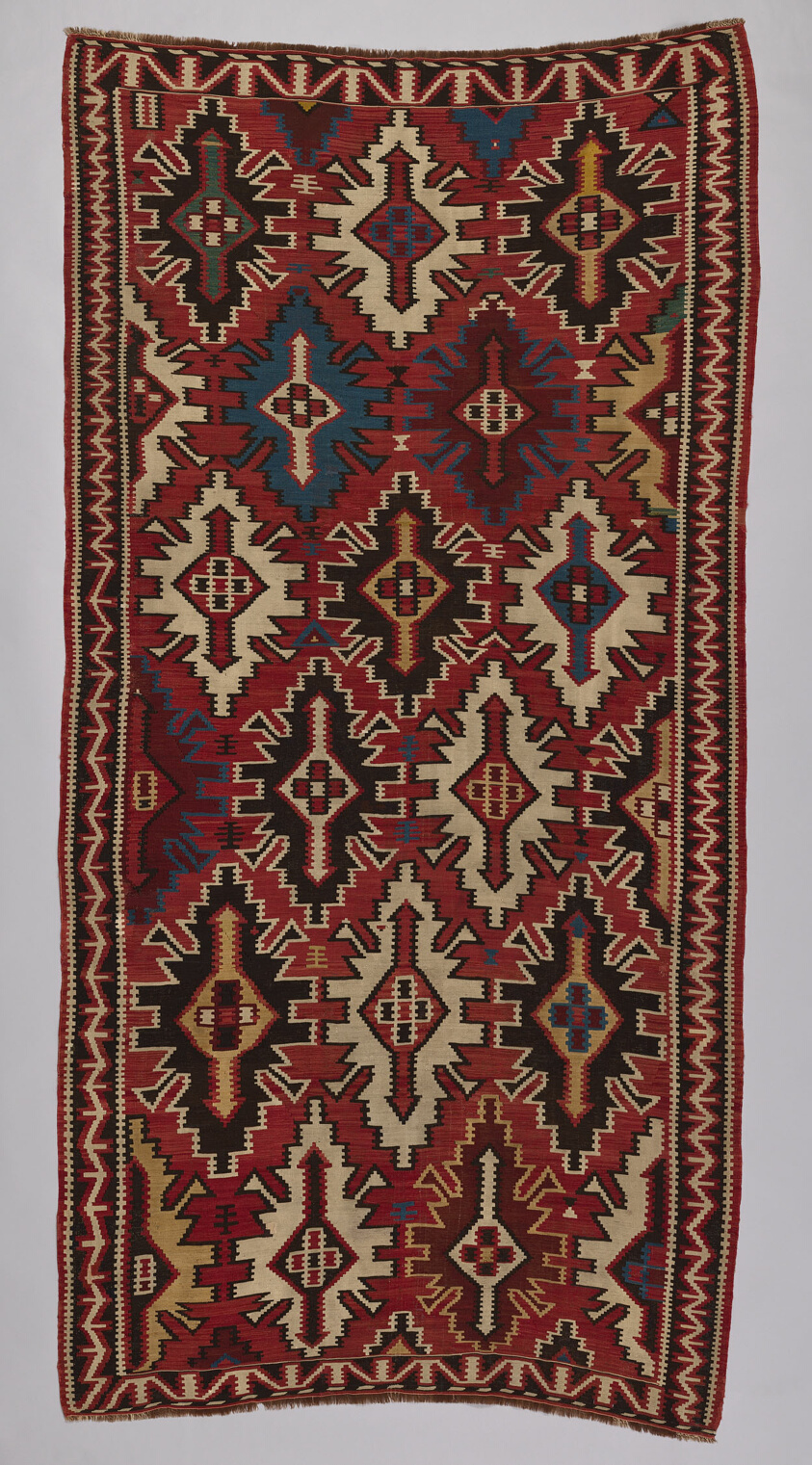
Shirvan Kilim
Azerbaijan, Shirvan area
- Date
- Last quarter 19th century
- Medium
- wool, plain and slit tapestry weaves; weft wrapping; cut warp fringe
- Culture
- Caucasus
- Department
- Textiles
- Institution
- Art Institute of Chicago
Flat-woven rugs or covers from the Middle East, eastern Europe, central Asia, and India, kilims are usually made in the slit tapesty technique, in which slits occur where an area of one color meets an area of another. Stepping is introduced along these lines in order to keep slits small and avoid structural weakness. Stepped or serrated edges are thus a hallmark of much kilim production. Patterns are generally geometric in nature, in harmony with the structural characteristics. This kilim, made in the Shirvan area of the southern Caucasus (present-day Azerbaijan), has a pattern featuring shield-shaped devices that probably derive ultimately from vegetal or animal-skin forms. -A Global View: Recent Acquisitions of Textiles, 2012-2016, April 8-September 5, 2016
The authoritative record is held by Art Institute of Chicago. LinkedCulture surfaces this object and its connections; it does not alter institutional metadata.
Linked open data
Authority identifiers that link this record into the wider web of cultural data — stable references you can follow to the source.
- Object type
- AAT300014063
Related across collections
Semantically similar works from Art Institute of Chicago and other institutions.

Kilim rug
Minneapolis Institute of Art
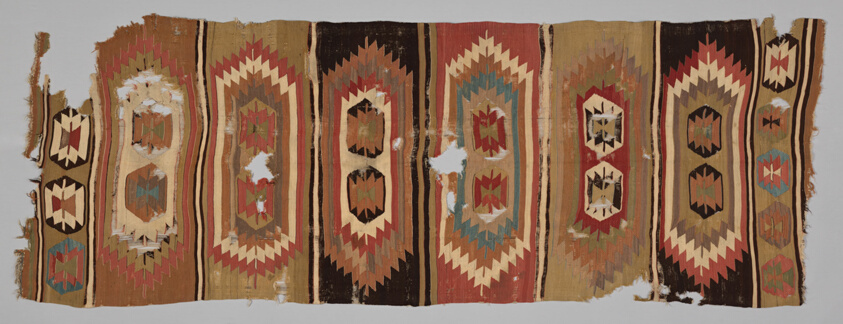
Kilim with Six Double-Niches
Art Institute of Chicago
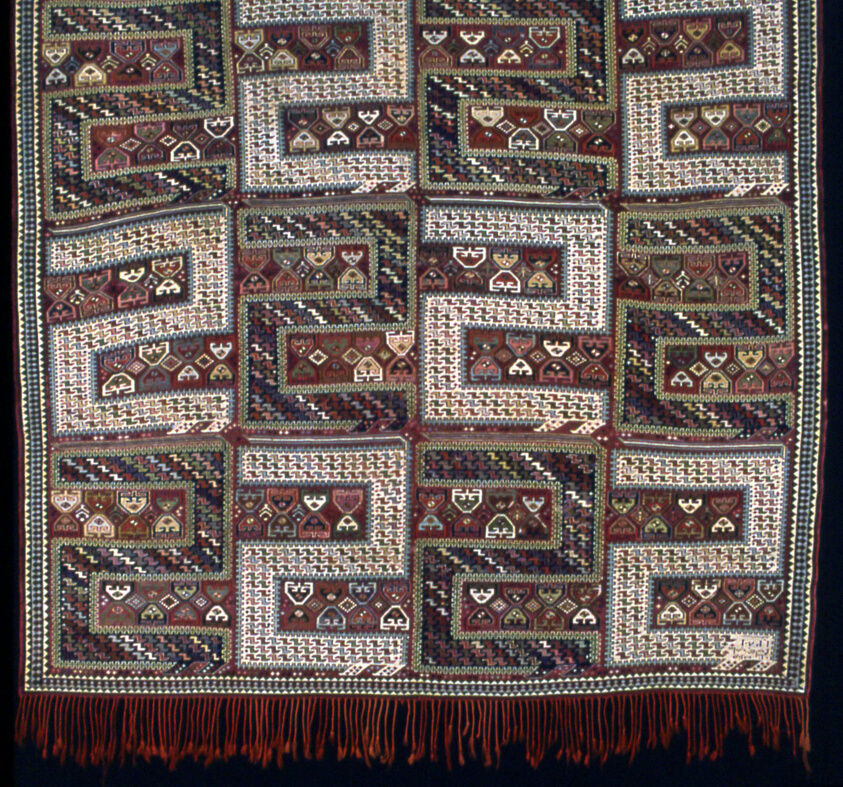
Carpet (Sileh)
Art Institute of Chicago

Khilim Rug
Minneapolis Institute of Art
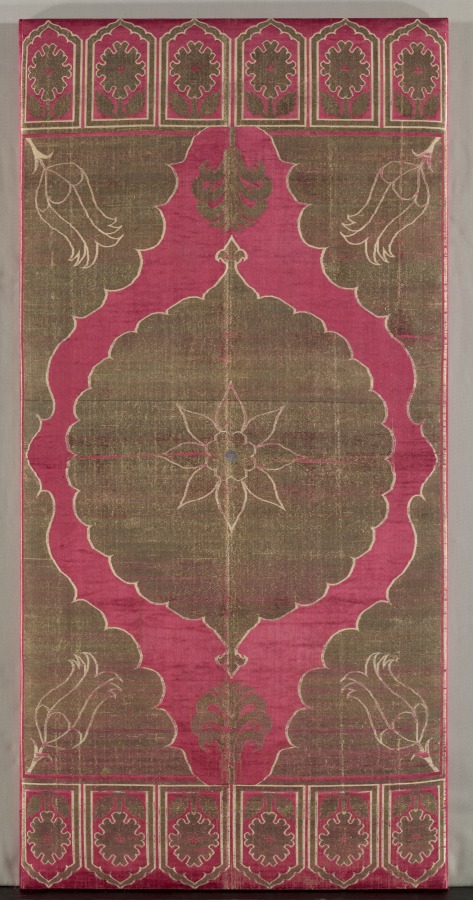
Brocaded Silk Cushion Cover & Iranian Striped Silk Surround
Cleveland Museum of Art
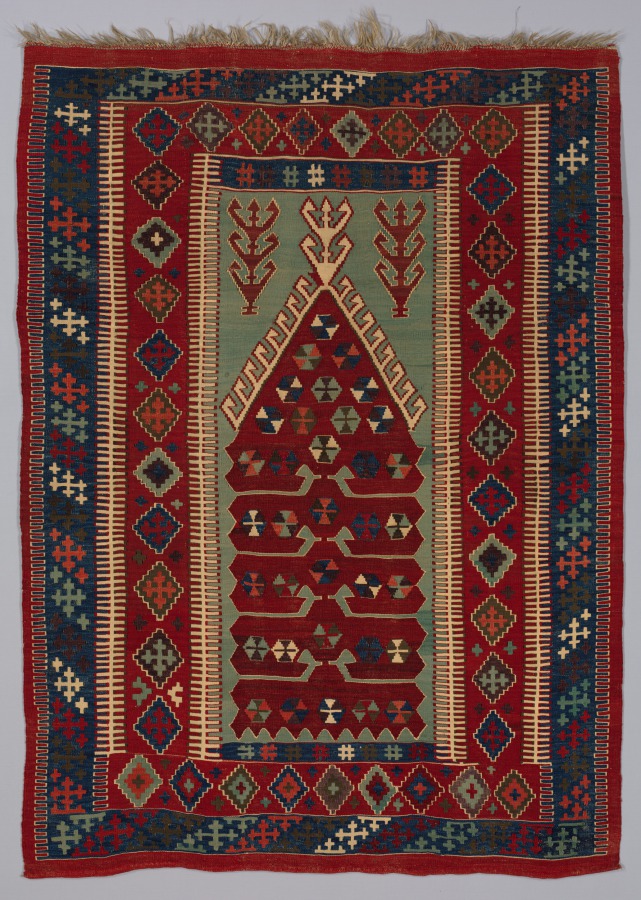
Carpet (Kilim)
Cleveland Museum of Art

Kilim
Minneapolis Institute of Art
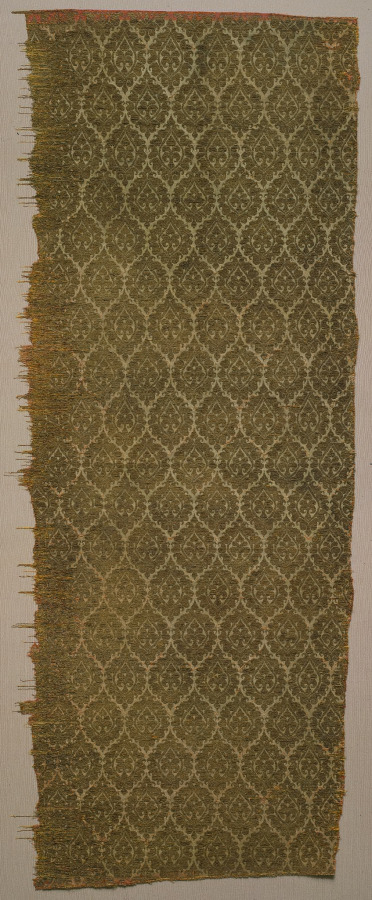
Textile with Palmettes
Cleveland Museum of Art
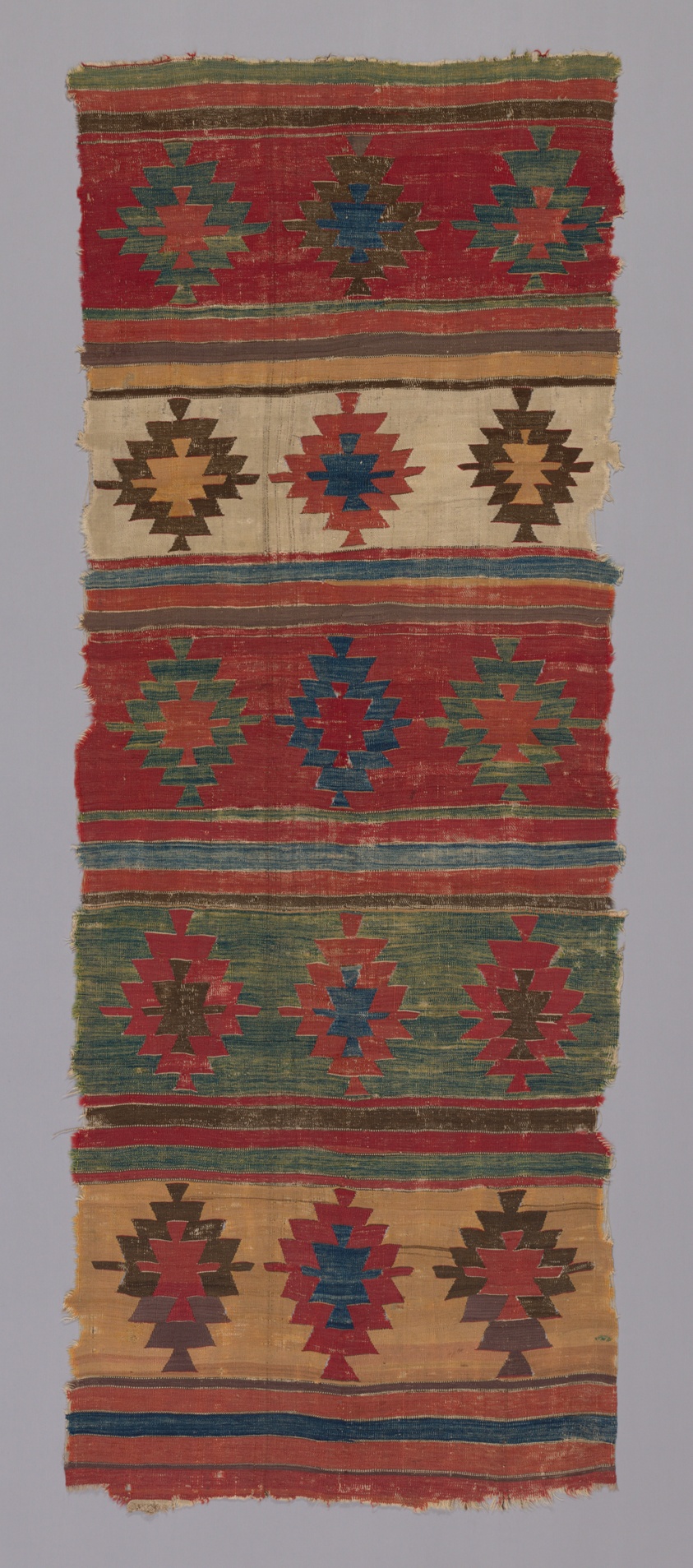
Kilim with Bands of "Star" Motifs
Art Institute of Chicago
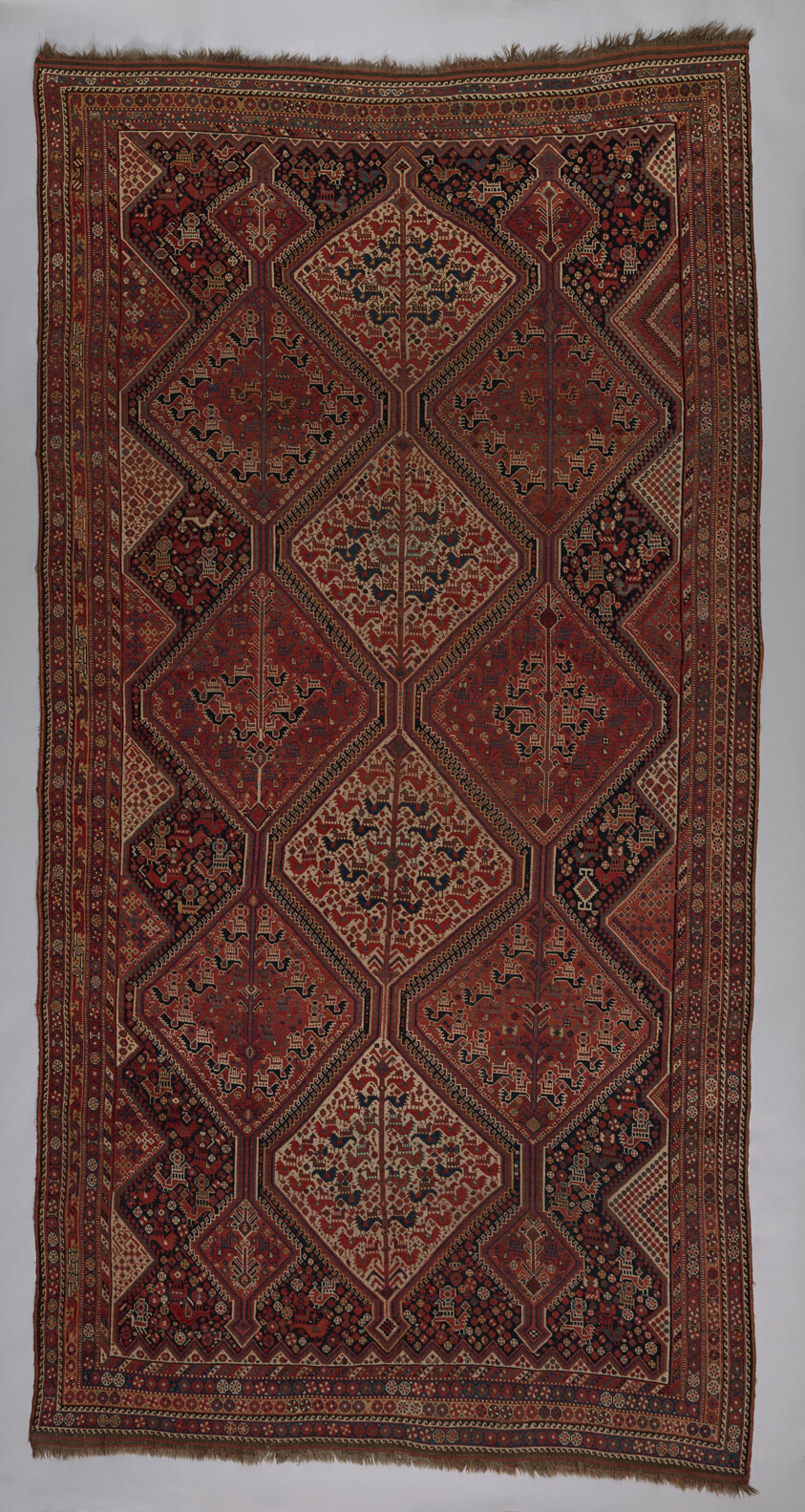
Khamseh Carpet
Art Institute of Chicago
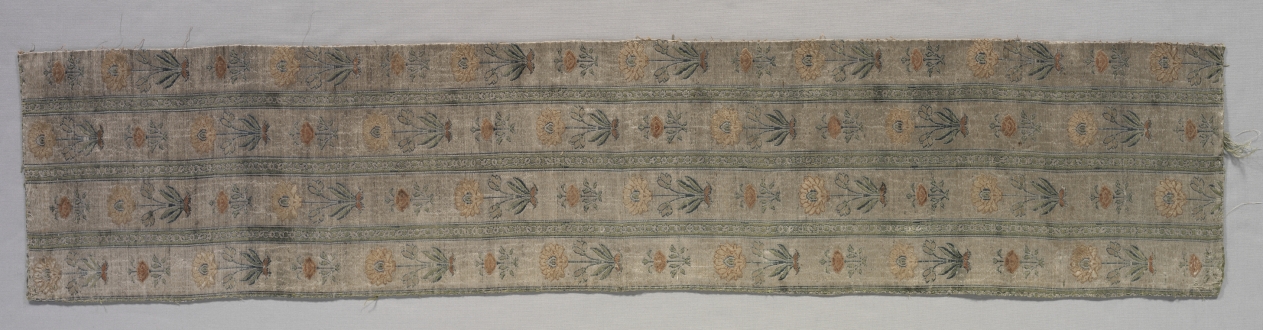
Surround for Turkish Silk Cushion Cover
Cleveland Museum of Art

Surround for Turkish Silk Cushion Cover
Cleveland Museum of Art