Art Institute of Chicago
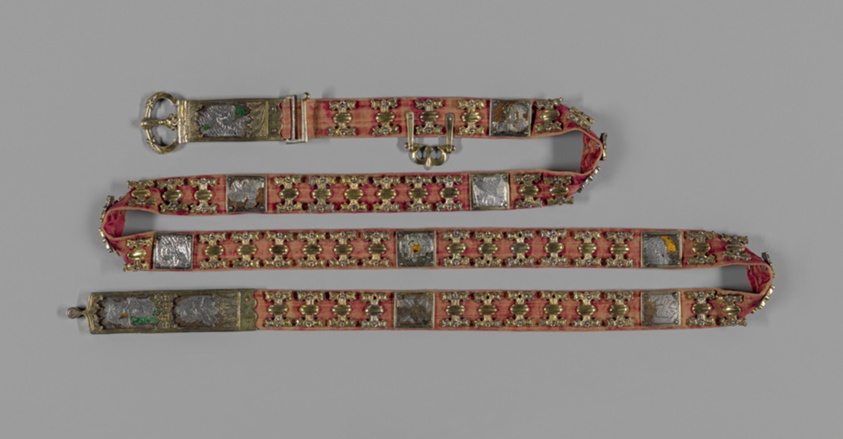
Girdle (Belt)
North Italian
- Date
- c. 1325–c. 1375
- Medium
- Silver, gilding, basse taille enamel, on a modern velvet support
- Culture
- Northern Italy
- Department
- Applied Arts of Europe
- Institution
- Art Institute of Chicago
Girdles or belts like this rare fourteenth-century example were important luxury accessories for men and women. Medieval and Renaissance fashion consisted of flowing gathers of fabric that were cinched at the waist. This long girdle would loop through a buckle, with the remaining length hanging with the costume. There are two silver-gilt fittings: a larger hook likely used to hold back the excess belt length, and another to carry small personal objects like a purse. Frequently given as betrothal gifts, girdle designs often feature heraldic emblems or scenes of courtly love. On this example, silver plaques are coated with a layer of translucent glass enamel—called basse taille —which reveals the images engraved beneath. Here they depict a lady in prayer, the profile of a man, and even fantastical beasts. With the long end swaying back and forth with each step taken by the wearer, it is no wonder that much of this fragile glass enamel is nearly lost.
The authoritative record is held by Art Institute of Chicago. LinkedCulture surfaces this object and its connections; it does not alter institutional metadata.
Linked open data
Authority identifiers that link this record into the wider web of cultural data — stable references you can follow to the source.
- Object type
- AAT300209261
Related across collections
Semantically similar works from Art Institute of Chicago and other institutions.
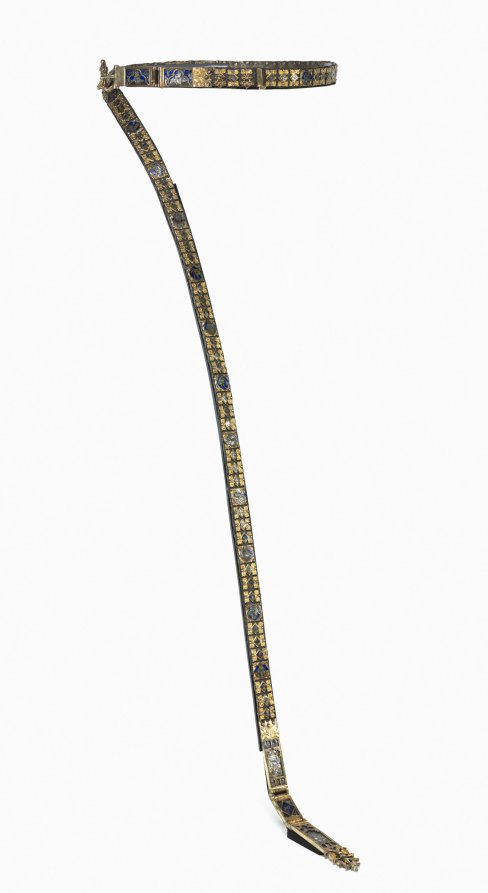
Belt for a Lady's Dress
Cleveland Museum of Art
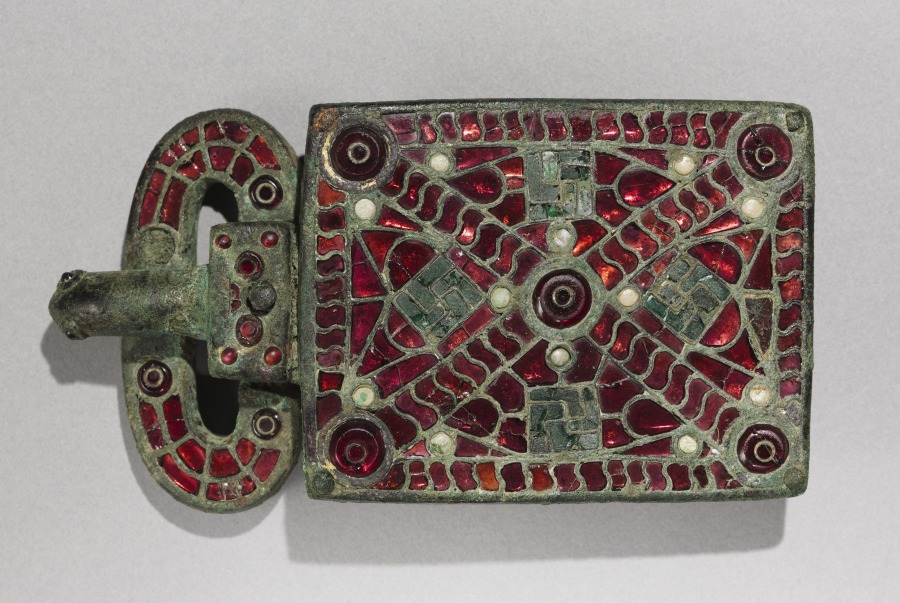
Belt Buckle
Cleveland Museum of Art
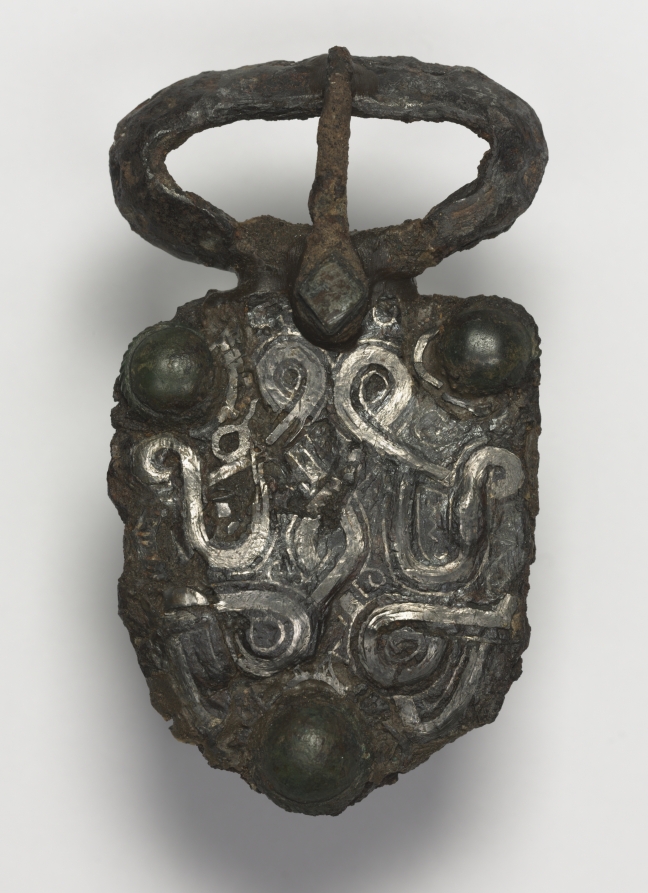
Belt Buckle
Cleveland Museum of Art
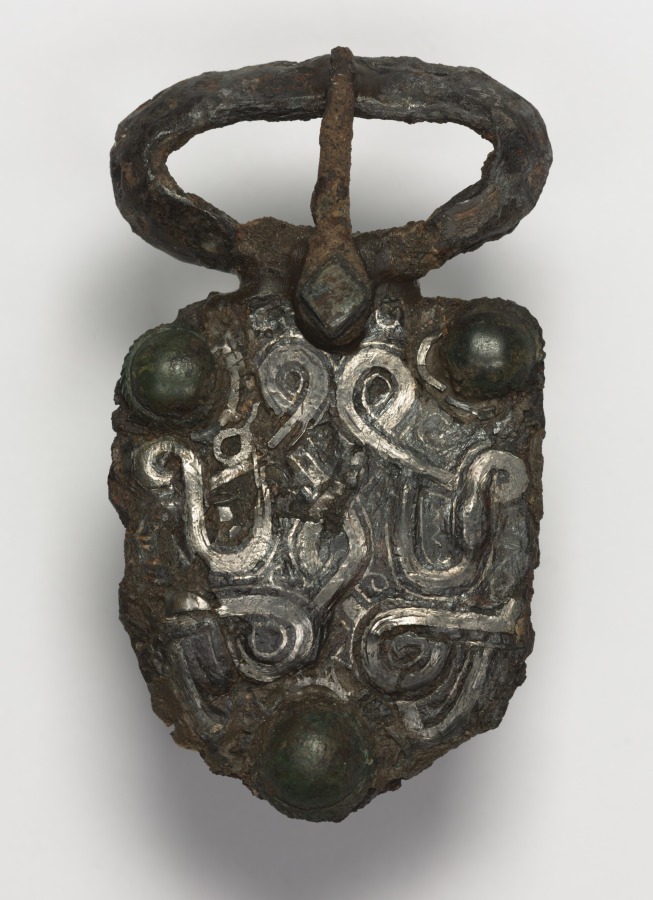
Belt Buckle and Tab
Cleveland Museum of Art
gilet (homme)
Joconde
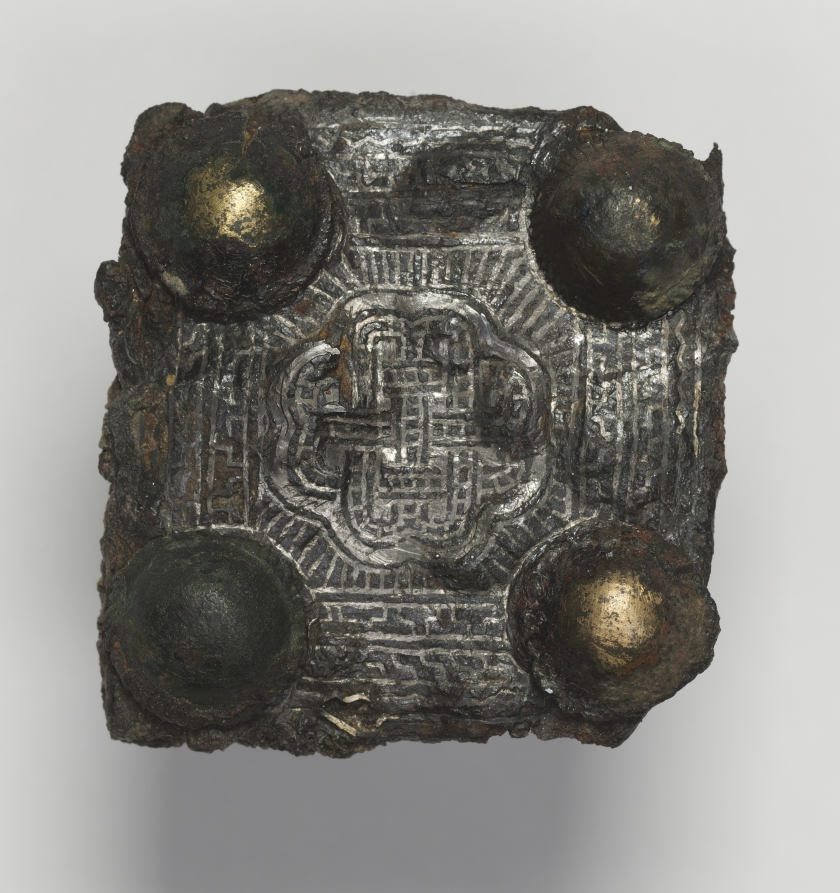
Belt Plate
Cleveland Museum of Art
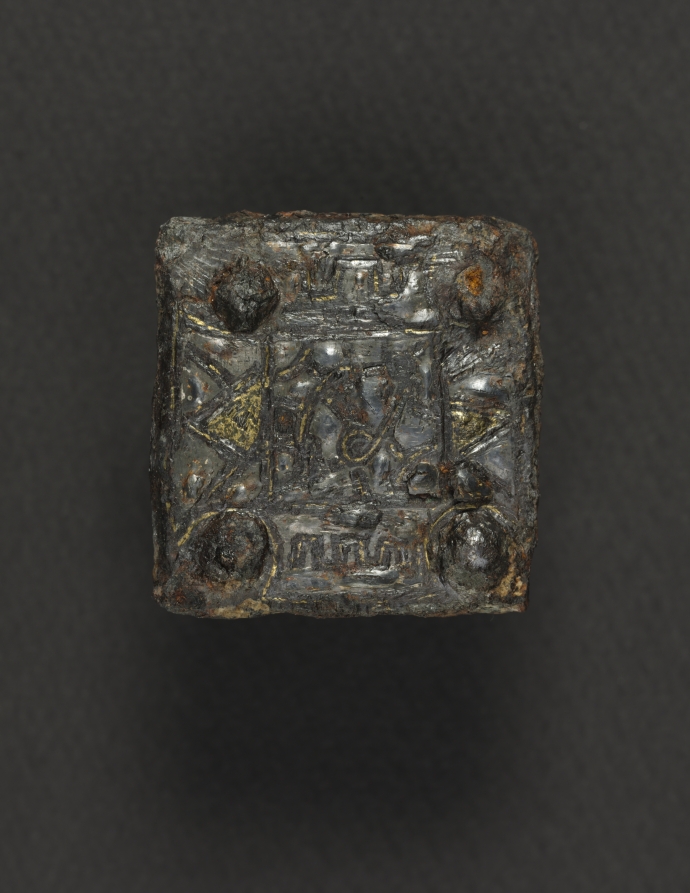
Belt Plate
Cleveland Museum of Art
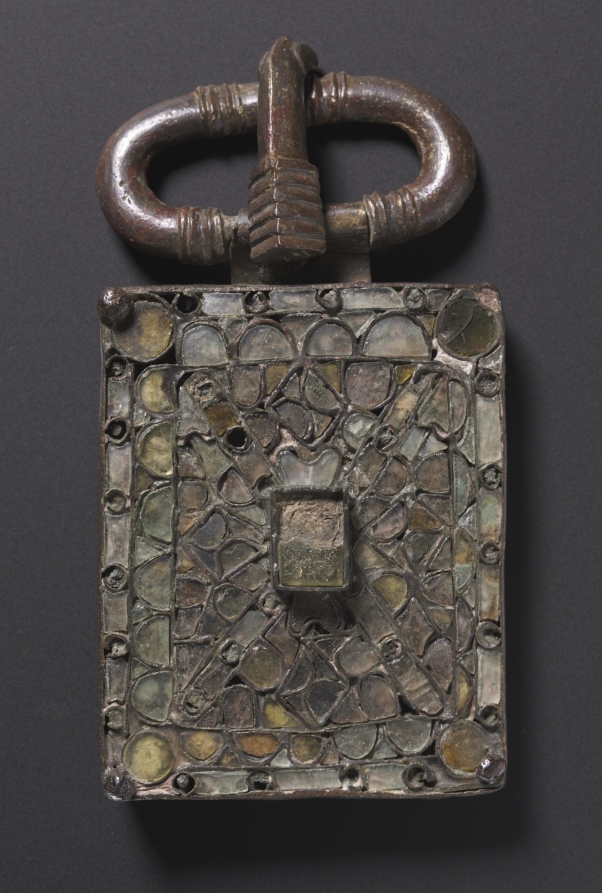
Belt Buckle
Cleveland Museum of Art
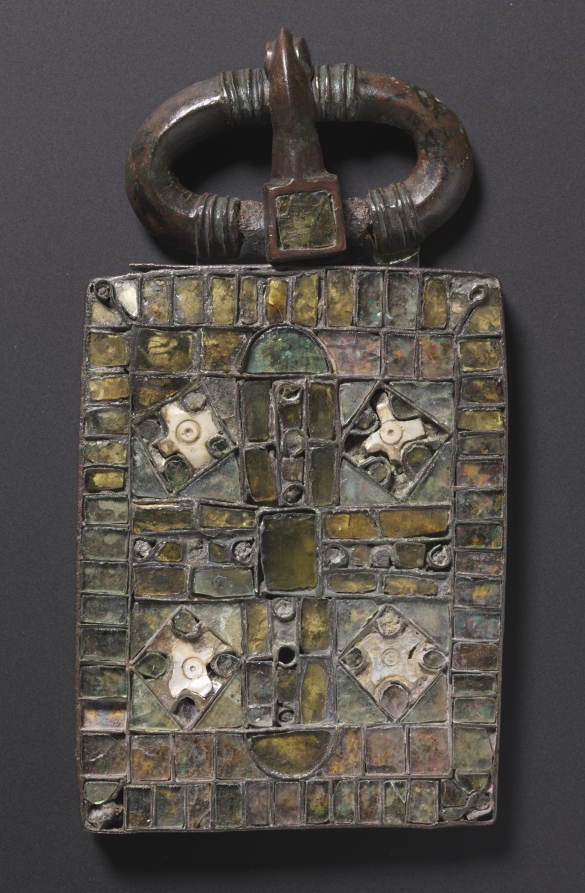
Belt Buckle
Cleveland Museum of Art
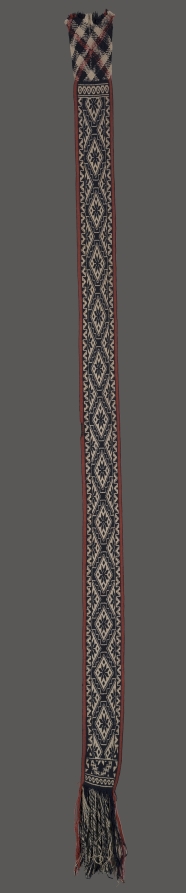
Girdle
Cleveland Museum of Art
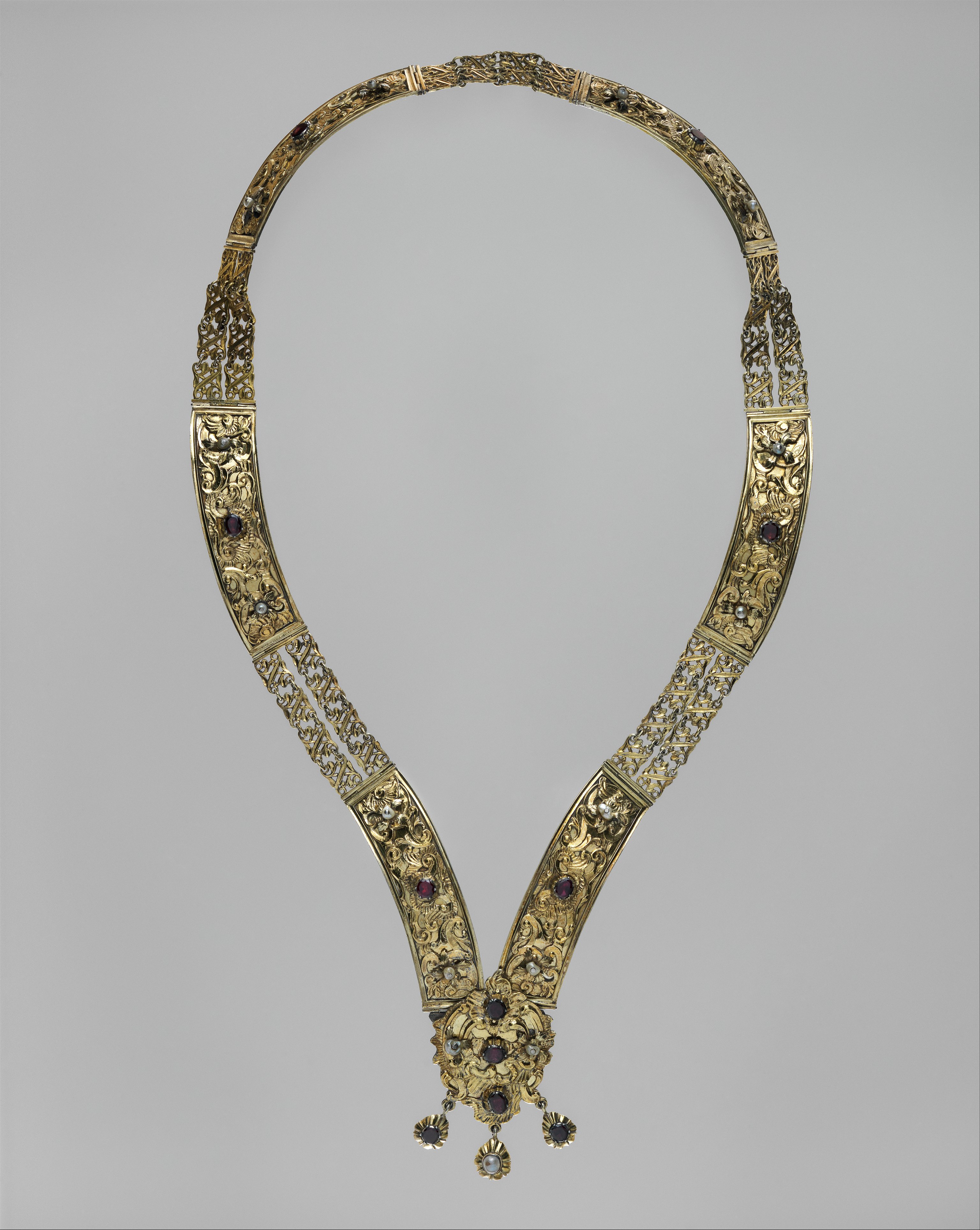
Belt
The Metropolitan Museum of Art
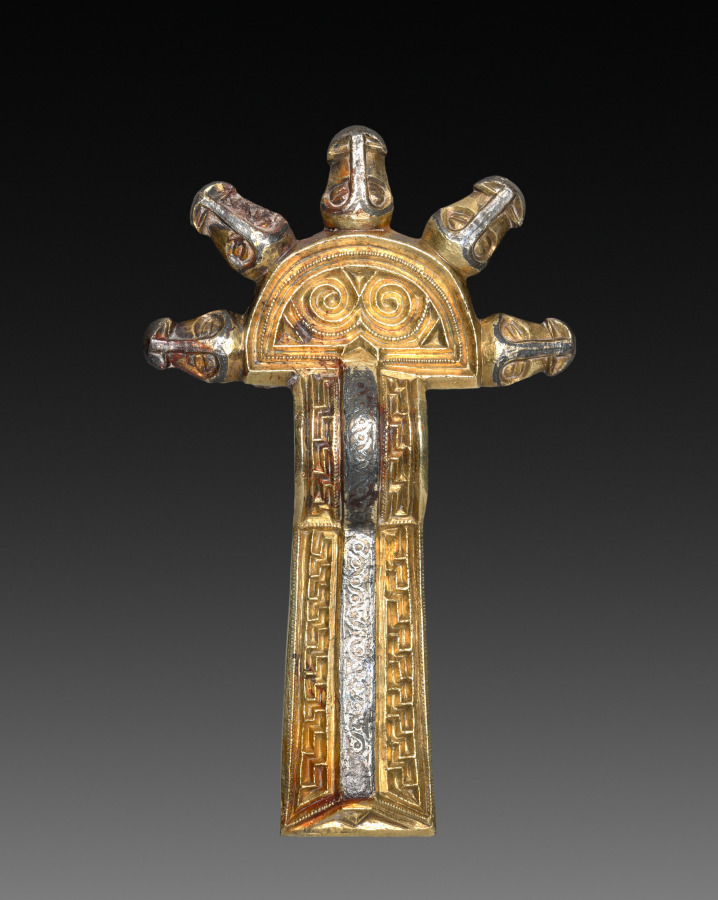
Fibulae
Cleveland Museum of Art