
Art Institute of Chicago
Wine Cistern
Francesco Durantino
- Date
- 1553
- Medium
- Tin-glazed earthenware (maiolica)
- Culture
- Italy
- Department
- Applied Arts of Europe
- Institution
- Art Institute of Chicago
Elaborately fashioned platters, vessels, and containers, often with decorative embellishments that indicated their specialized function or their owner’s social status, were displayed on the banquet tables of Renaissance Italy. Cisterns such as this were filled with cold water and used to cool wine bottles at feasts. Skillfully decorated by the Italian ceramic painter Francesco Durantino, this work typifies the Renaissance interest in both Christian imagery and scenes from pagan antiquity. It is covered with depictions of two famous battle scenes, one on land and one at sea. Although the exterior, adapted from frescoes by Raphael’s followers, represents a land battle culminating in the conversion of the Roman emperor Constantine I to Christianity, the cistern’s interior depicts a legendary naval disaster: the sinking of the Trojan hero Aeneas’s ships by the jealous goddess Hera. At the cistern’s center, the ships disappear beneath the waves, a playful conceit that was no doubt even more effective when the cistern was filled with water. The generously sized vessel displays all the characteristics that made maiolica, a tin-glazed earthenware, popular: brilliant colors, lively painting, and riveting narratives mixed with fanciful design. The term maiolica probably comes from Majorca, the port through which pottery from Moorish Spain was first exported to Italy.
The authoritative record is held by Art Institute of Chicago. LinkedCulture surfaces this object and its connections; it does not alter institutional metadata.
Linked open data
Authority identifiers that link this record into the wider web of cultural data — stable references you can follow to the source.
- Object type
- AAT300386308
Related across collections
Semantically similar works from Art Institute of Chicago and other institutions.
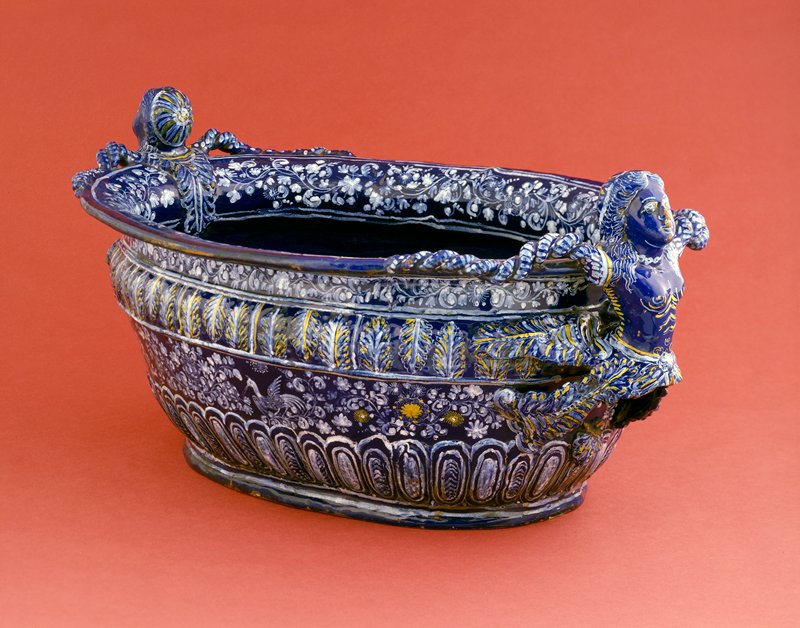
Wine cistern
Minneapolis Institute of Art
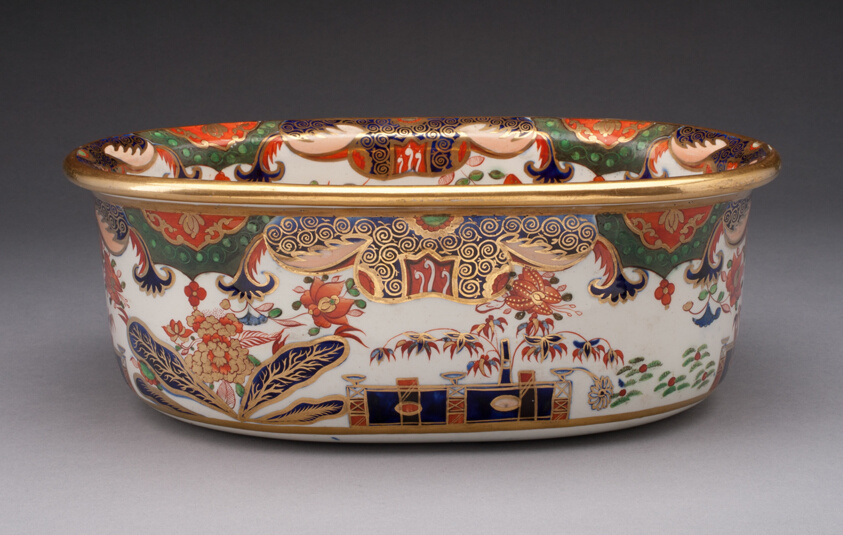
Wine Cistern
Art Institute of Chicago

Wine cistern
Minneapolis Institute of Art
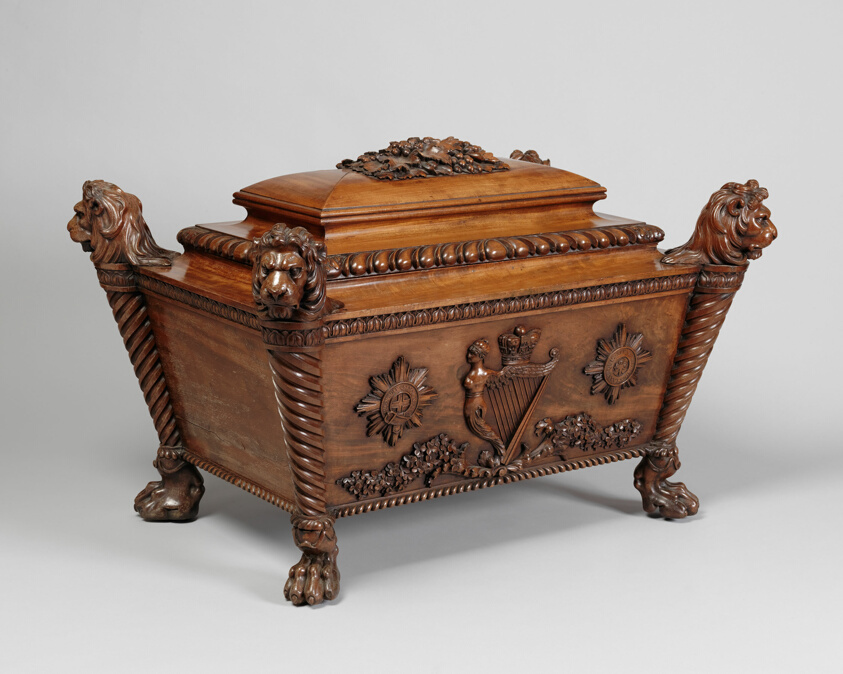
Wine Cooler
Art Institute of Chicago
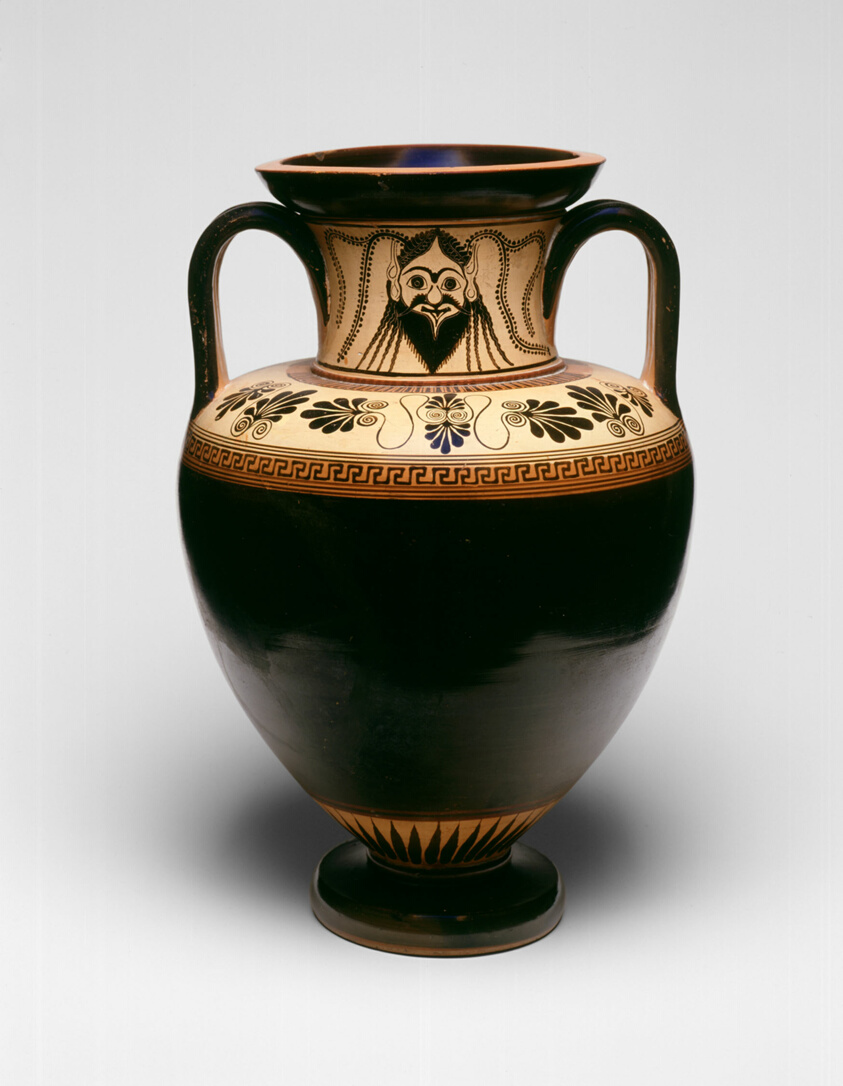
Amphora (Storage Jar)
Art Institute of Chicago
Bottle
Art Institute of Chicago
Black-Figure Dinos (Mixing Vessel): Warships (Int.); Heroic Scenes (Top)
Cleveland Museum of Art
Plate
Art Institute of Chicago
The Wedding at Cana
Art Institute of Chicago

A Banquet
Getty Museum
Bottle
Art Institute of Chicago
Dish
Art Institute of Chicago