Art Institute of Chicago
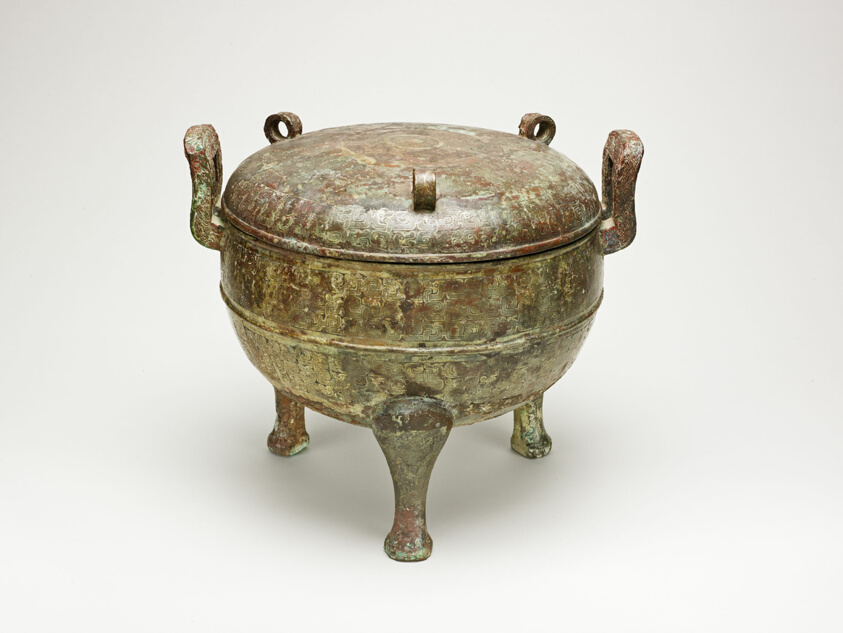
Tripod Caldron (Ding)
China
- Date
- Eastern Zhou dynasty, Spring and Autumn period (770–481 B.C.), late 6th century B.C., State of Jin
- Medium
- Bronze
- Culture
- China
- Department
- Arts of Asia
- Institution
- Art Institute of Chicago
In the sixth and fifth centuries B.C., bands of continuously entwined dragons became the hallmark of a new decorative style. This style of flat, interlaced ornament, combining profile heads and snakelike trunks, came to be known as "Liyu" after the town in northern China where a hoard of similar bronzes purportedly came to light in 1923. The source of these bronzes remained unknown until 1957, when archaeologists working at the Jin state capital of Houma (southwest of Liyu) discovered thousands of pieces of foundry debris—most importantly, fragmentary clay blocks that were carved with intricate surface designs and then baked. These hard, reusable"pattern blocks," were used as die-stamps to impress patterns in clay piece-mold assemblies and thereby facilitated the mass production of identical décor. The surface design of this vessel closely corresponds with that seen in pattern blocks found at Houma. Those finds point to Houma as the almost certain place of manufacture of this vessel, which was used for cooking food.
The authoritative record is held by Art Institute of Chicago. LinkedCulture surfaces this object and its connections; it does not alter institutional metadata.
Linked open data
Authority identifiers that link this record into the wider web of cultural data — stable references you can follow to the source.
- Object type
- AAT300312158
Related across collections
Semantically similar works from Art Institute of Chicago and other institutions.
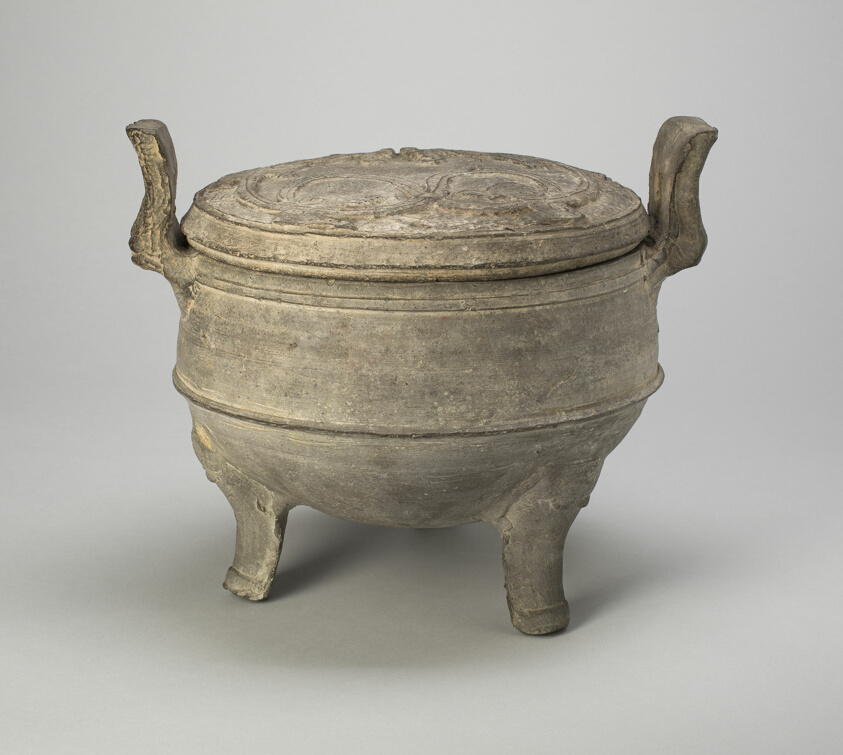
Tripod Caldron (Ding)
Art Institute of Chicago
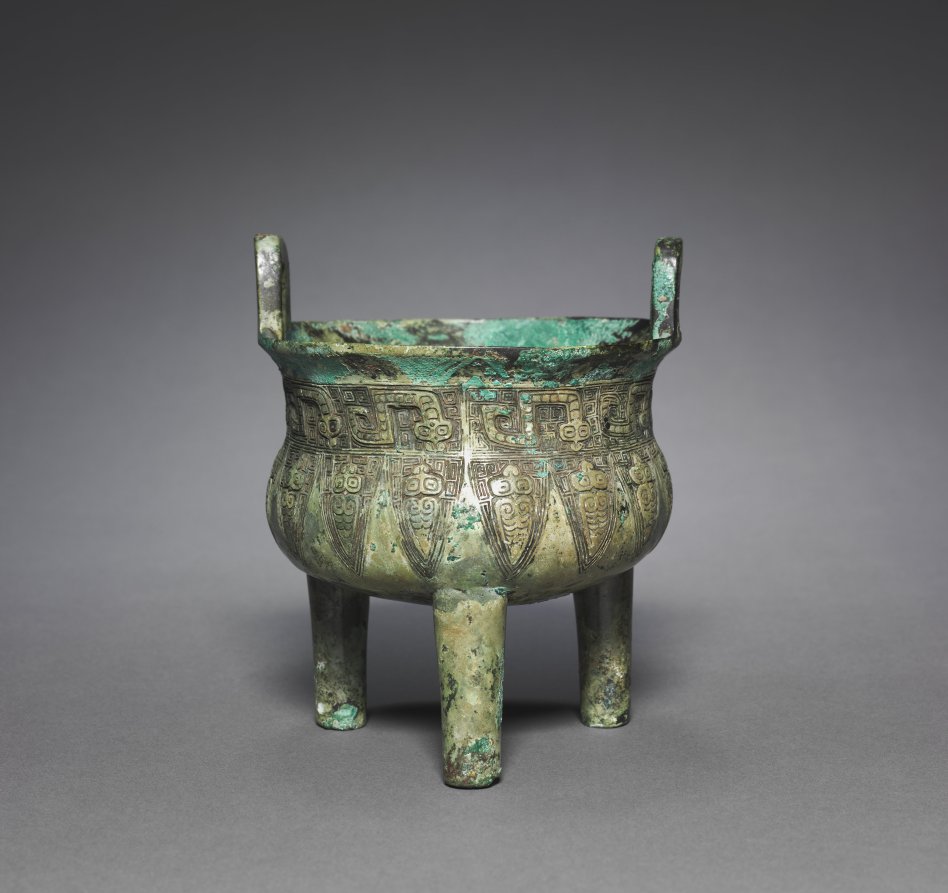
Tripod Cauldron (Ding)
Cleveland Museum of Art
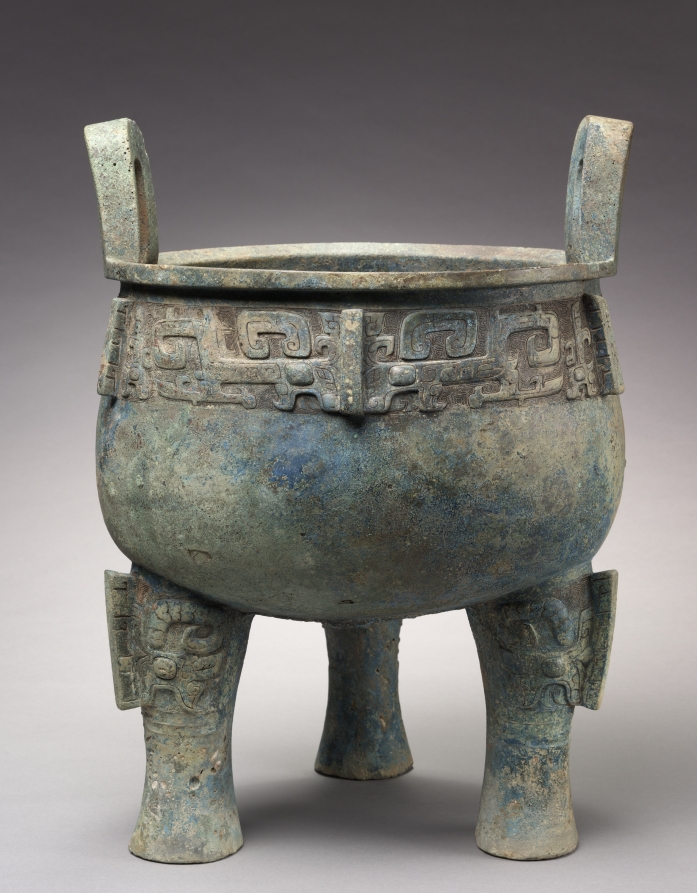
Tripod (Ding)
Cleveland Museum of Art
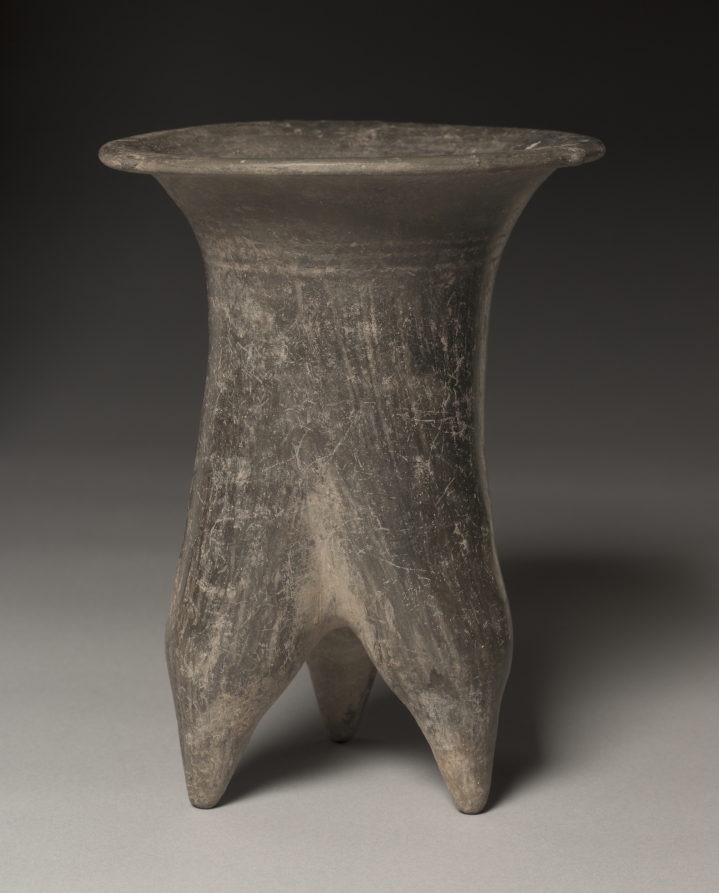
Li, Hollow-Legged Tripod
Cleveland Museum of Art

Ding Tripod with Cover
Minneapolis Institute of Art

Tripod censer
Minneapolis Institute of Art

Tripod Censer
Minneapolis Institute of Art

Ding food vessel
Minneapolis Institute of Art
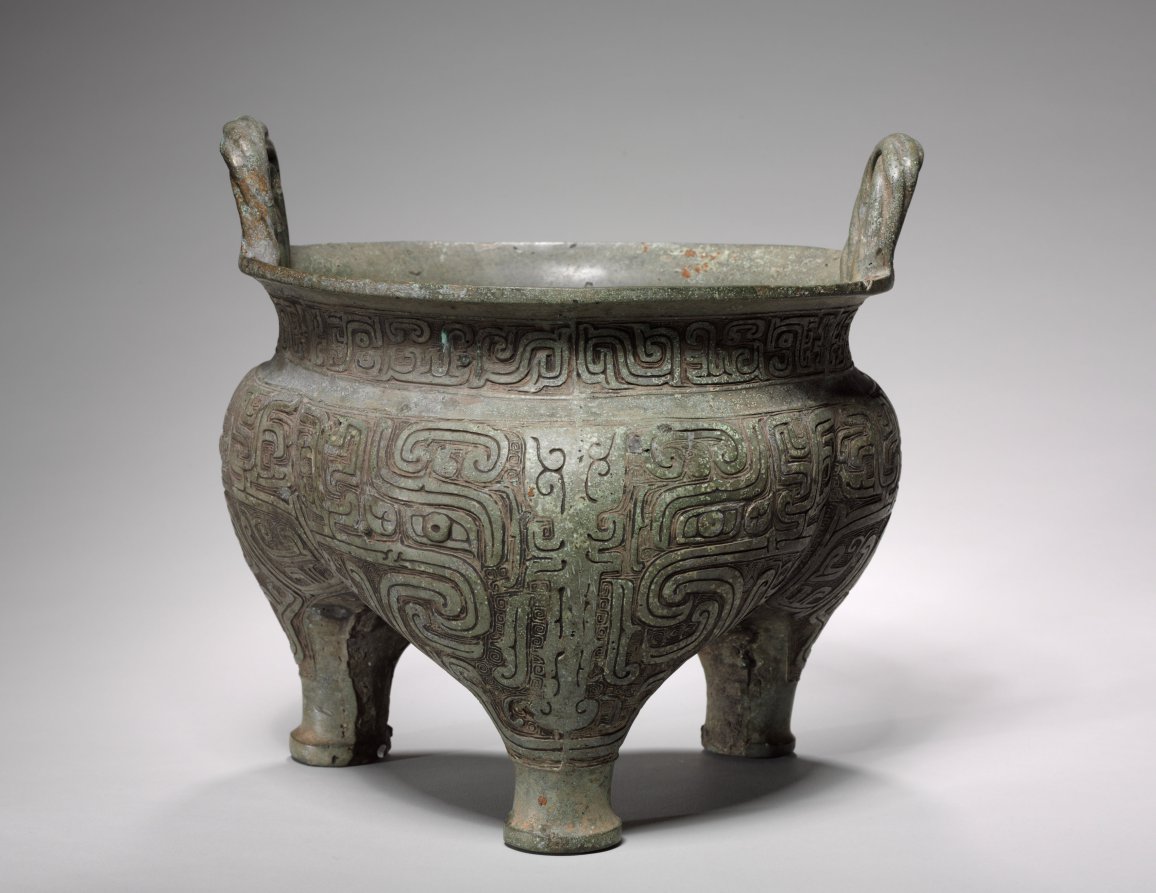
Hollow-Legged Tripod (Li Ding)
Cleveland Museum of Art

Tripod ewer
Minneapolis Institute of Art
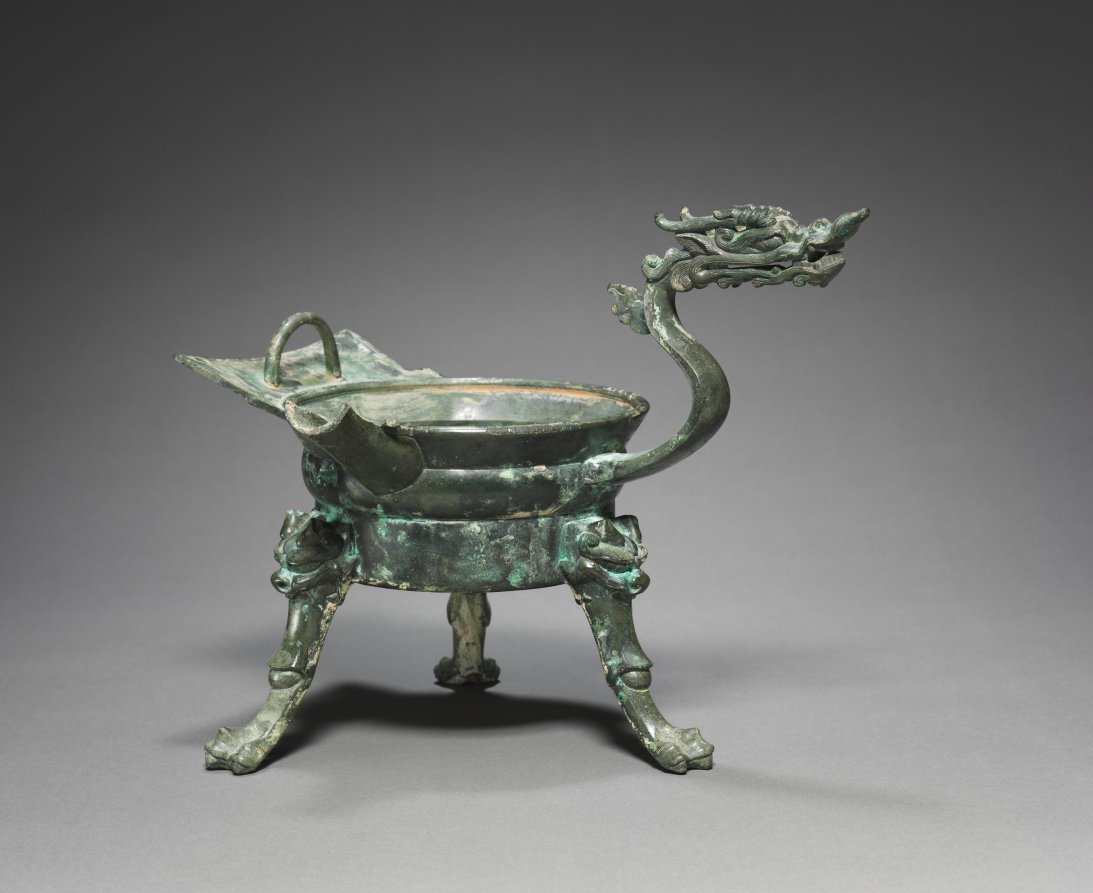
Tripod Container with Dragon-Head Handle (Zhadou)
Cleveland Museum of Art

Li tripod
Minneapolis Institute of Art