Cleveland Museum of Art
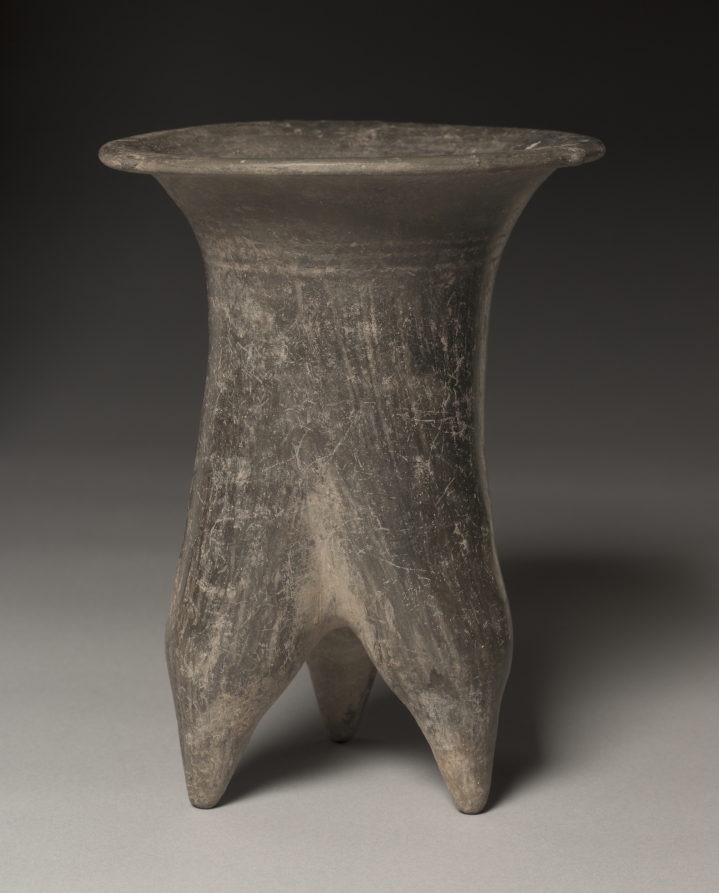
Li, Hollow-Legged Tripod
- Date
- 1200–800 BCE
- Medium
- dark gray earthenware
- Culture
- China, Inner Mongolia, lower stratum of the Xiajiadian culture (2200–1600 BCE)
- Department
- Chinese Art
- Institution
- Cleveland Museum of Art
This pottery li tripod—which was originally used as a cooking vessel—belongs to the lower stratum of the Xiajiadian culture that flourished in northeast China. Comparable examples with similar shape and proportion have been excavated in Inner Mongolia. A ceramic shape invented and borrowed from central China, li tripod appeared at a later date in the northeast, with limited examples from the late Neolithic period. As an artifact representative of the lower Xiajiadian culture—which was contemporary with the Shang dynasty in central China where bronze production had already been highly developed—pottery li tripod was popular in the northeast during the Bronze Age and was widely spread from the Liaodong to the Liaoxi regions, including Inner Mongolia. This vessel not only reveals an interesting relationship between ceramic and bronze shapes but also the cultural impact of central China on the border regions.
The authoritative record is held by Cleveland Museum of Art. LinkedCulture surfaces this object and its connections; it does not alter institutional metadata.
Related across collections
Semantically similar works from Cleveland Museum of Art and other institutions.

Li tripod
Minneapolis Institute of Art

Tripod ewer
Minneapolis Institute of Art

Li tripod food vessel
Minneapolis Institute of Art
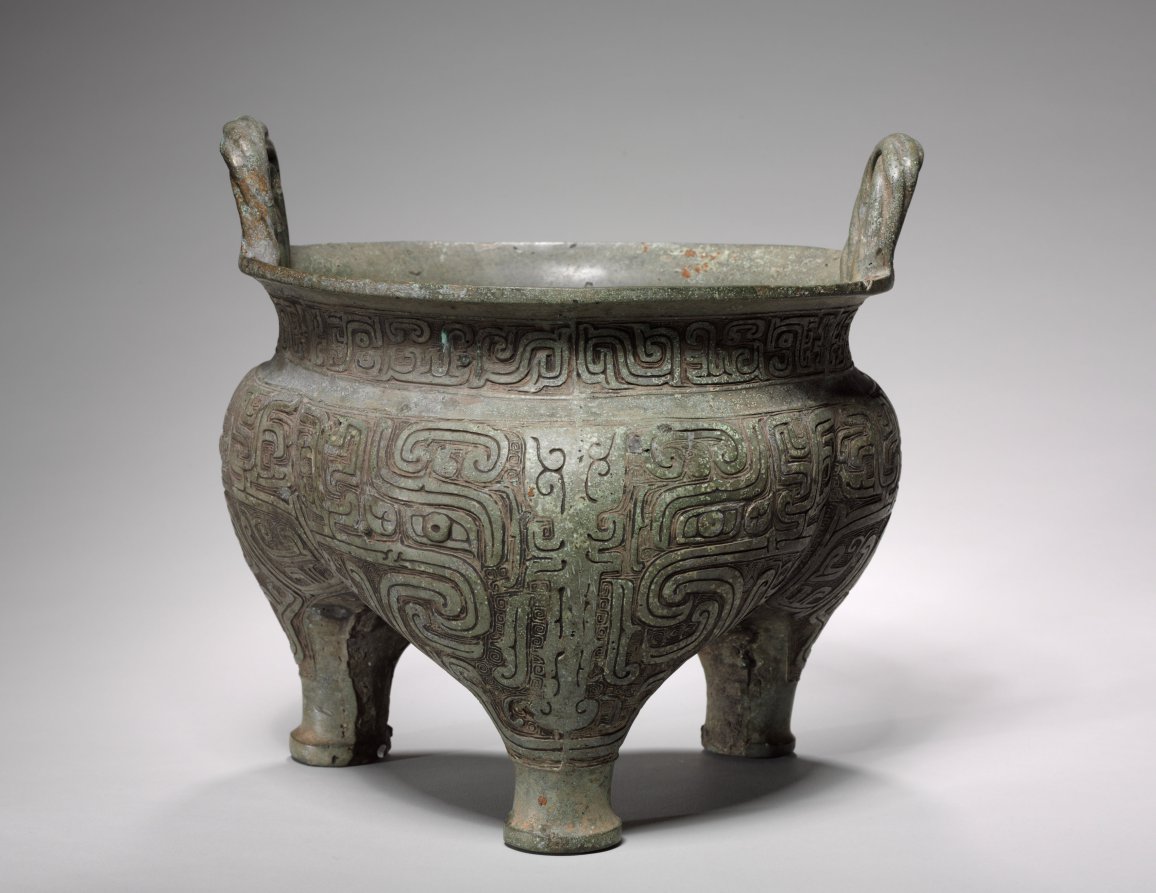
Hollow-Legged Tripod (Li Ding)
Cleveland Museum of Art
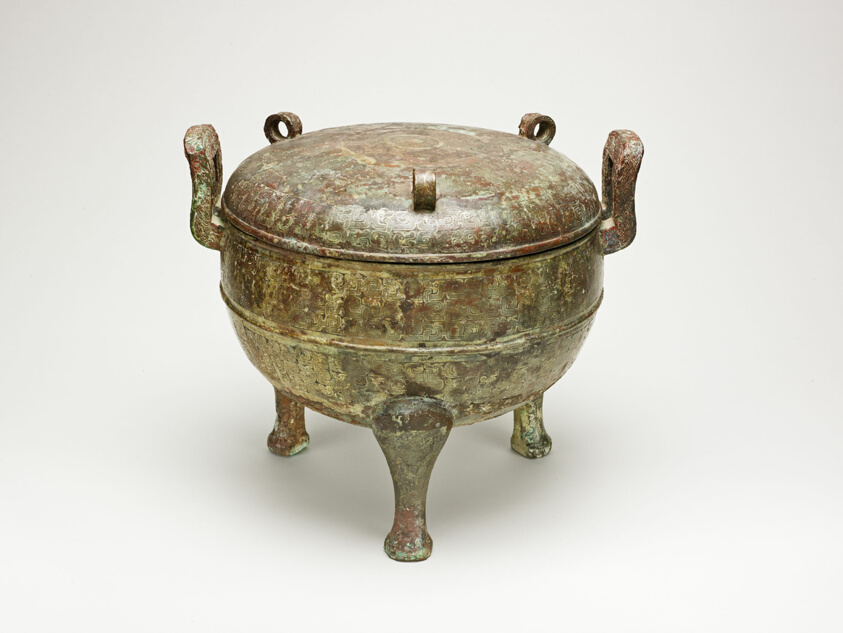
Tripod Caldron (Ding)
Art Institute of Chicago
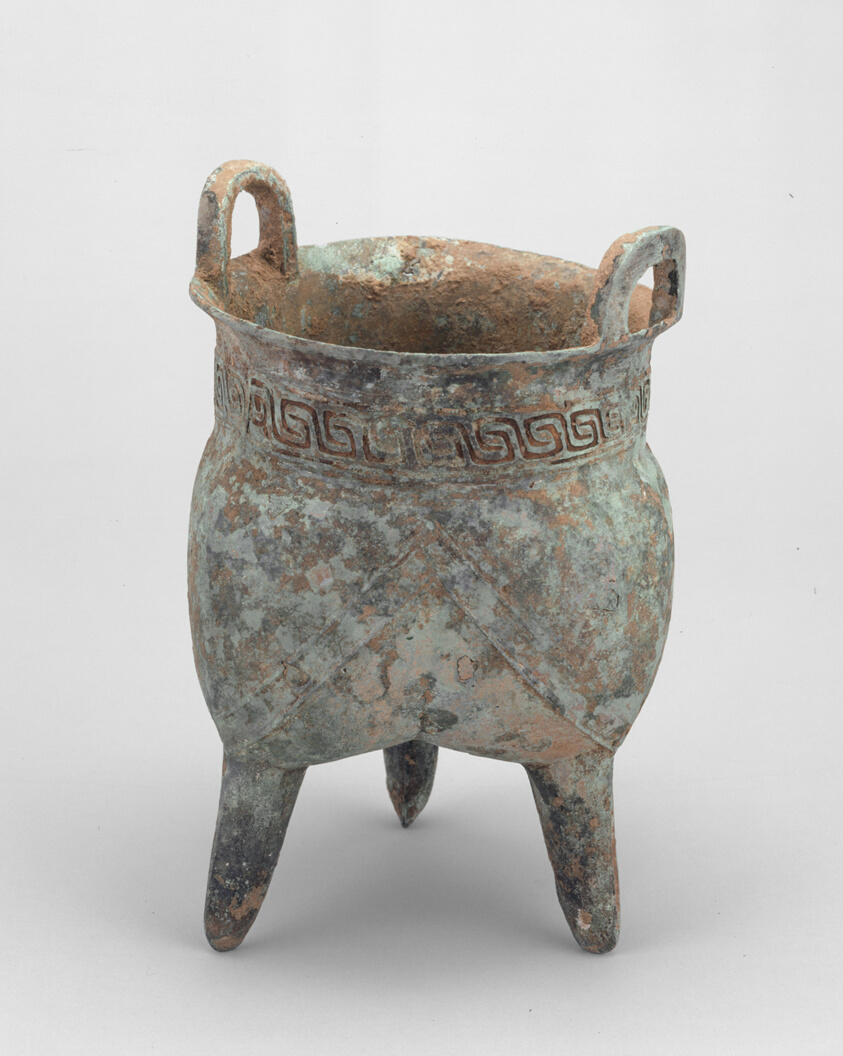
Tripod Food Container (Li)
Art Institute of Chicago

Black Pottery Tripod Jar
Minneapolis Institute of Art
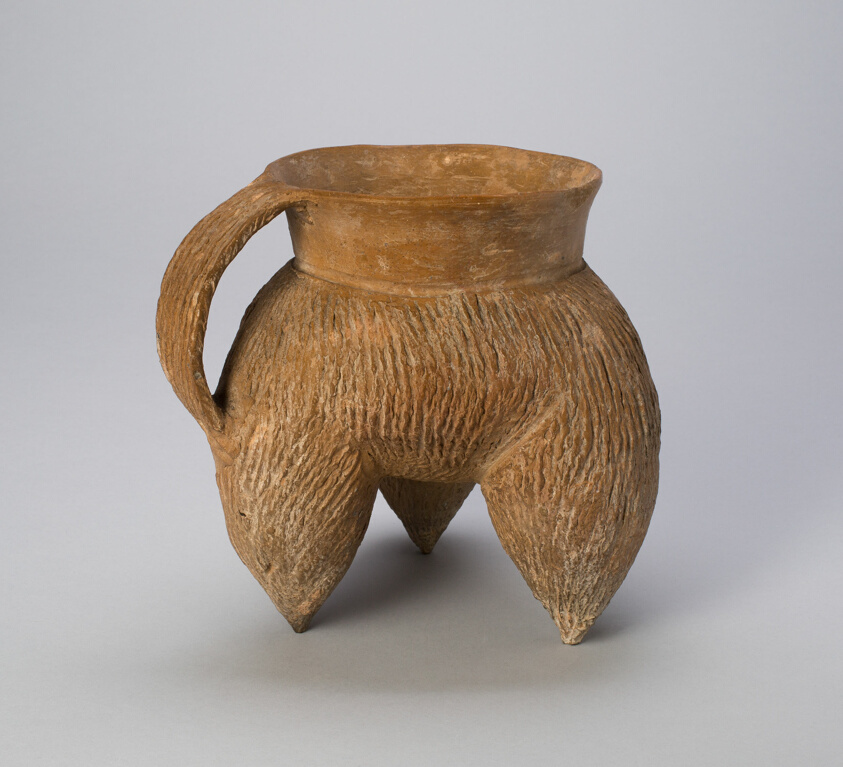
Lobed Tripod Cauldron (Li)
Art Institute of Chicago

Liding food vessel
Minneapolis Institute of Art

Ding Tripod with Cover
Minneapolis Institute of Art
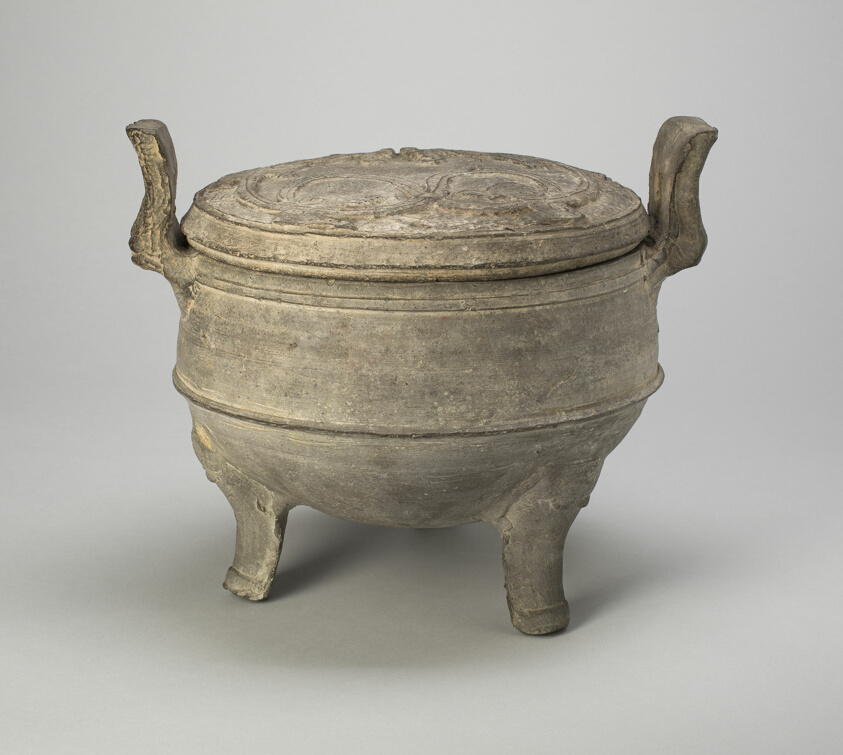
Tripod Caldron (Ding)
Art Institute of Chicago
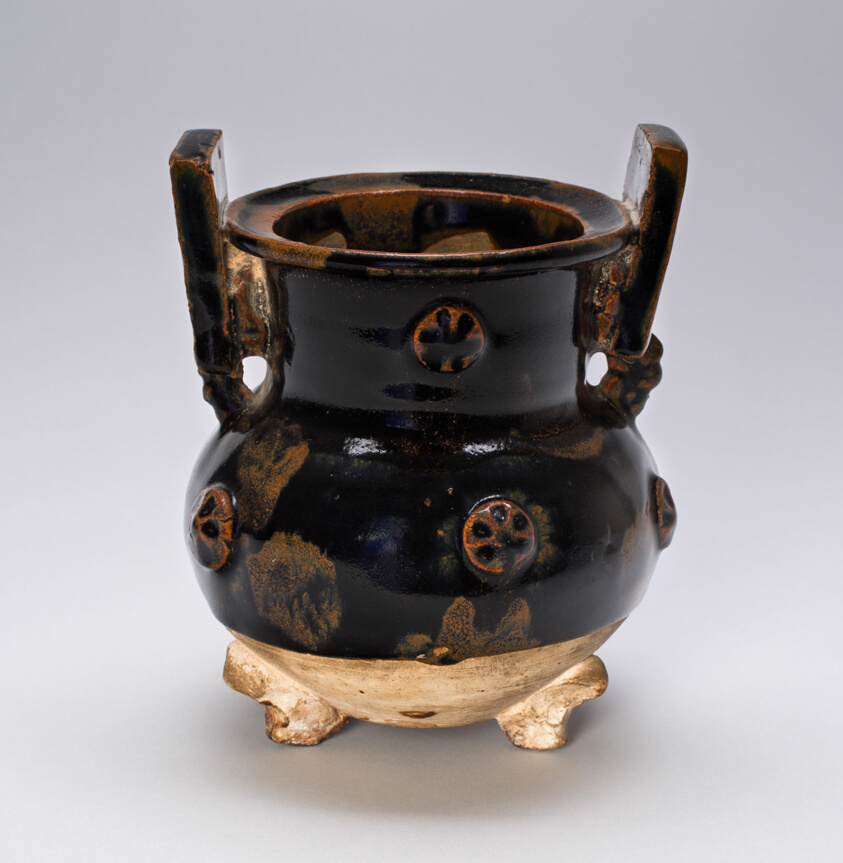
Tripod Vessel with Squared Handles, Wheel Patterns at Neck
Art Institute of Chicago