Art Institute of Chicago
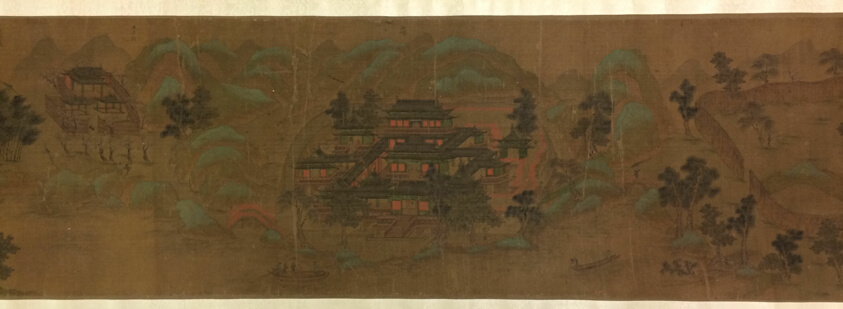
The Wangchuan Villa
Artist unknown
- Date
- Ming or Qing dynasty, 17th–18th century
- Medium
- Handscroll; ink, color, and gold on silk
- Culture
- China
- Department
- Arts of Asia
- Institution
- Art Institute of Chicago
Wangchuan Villa was the retreat of the famous poet Wang Wei (699–759); the site was located on the outskirts of Chang’an (now Xi’an), capital of the Tang dynasty (618–970). Wang Wei converted part of his estate into a Buddhist temple after his mother’s death and painted a panoramic view of the Wang-chuan Villa on its walls. Although the temple was destroyed during the Huichang Persecution of Buddhism (841–45), the original mural has inspired artists for more than a thousand years. This handscroll painting is based on a stone engraving from 1617, the image that became the most widely accepted model for representations of Wangchuan Villa.
The authoritative record is held by Art Institute of Chicago. LinkedCulture surfaces this object and its connections; it does not alter institutional metadata.
Linked open data
Authority identifiers that link this record into the wider web of cultural data — stable references you can follow to the source.
- Object type
- AAT300033618
Related across collections
Semantically similar works from Art Institute of Chicago and other institutions.
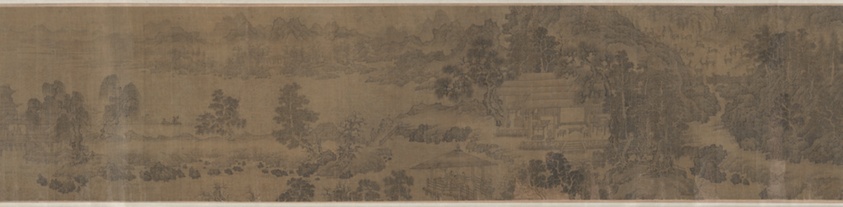
The Wangchuan Villa 網川圖
Art Institute of Chicago
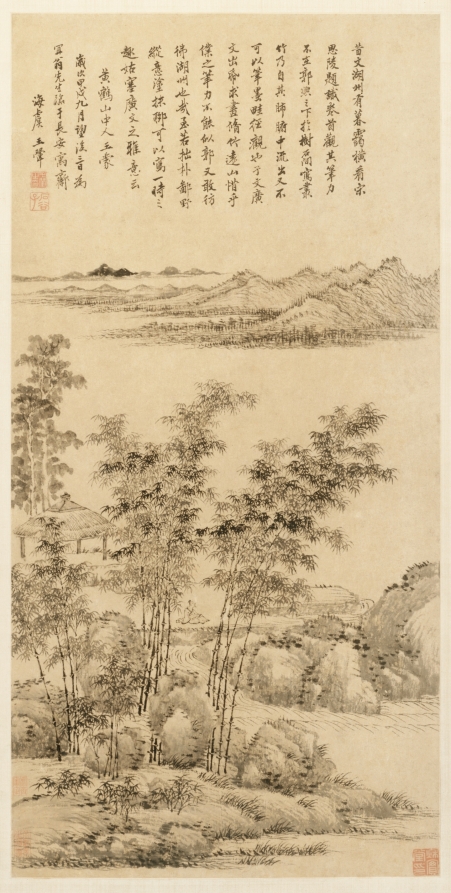
Tall Bamboo and Distant Mountains, after Wang Meng
Cleveland Museum of Art

Water Village
Cleveland Museum of Art
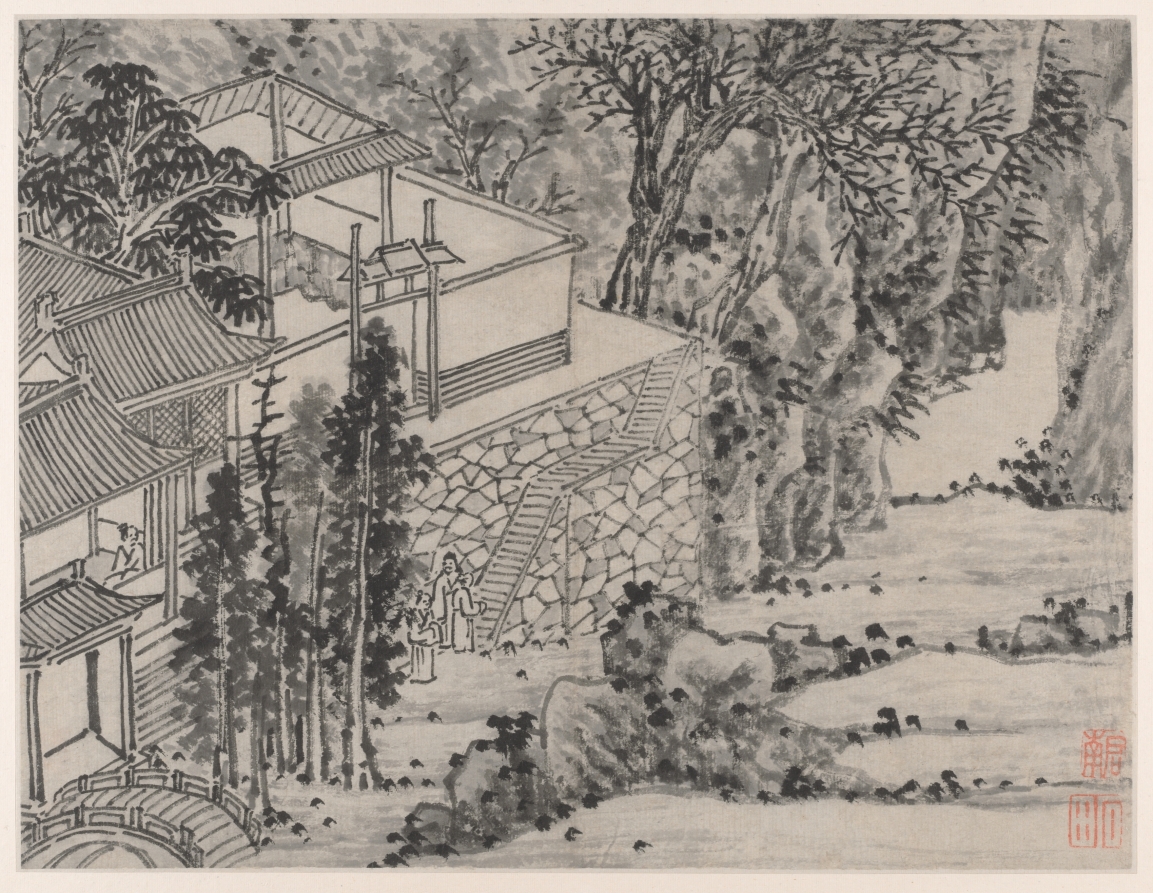
The Enlightened Stone Retreat, from Twelve Views of Tiger Hill, Suzhou
Cleveland Museum of Art

Duxiu Peak, after a Chinese painting
Minneapolis Institute of Art
Plum Blossoms
Cleveland Museum of Art

Spring Rain Thatched Hut
Cleveland Museum of Art
Writing Books under the Pine Trees
Cleveland Museum of Art

Rain-coming Pavilion by the Stone Bridge at Mt. Tiantai
Cleveland Museum of Art

Plum, Narcissus and Rock
Minneapolis Institute of Art

Emperor Ming Huang and Yang Guifei
Minneapolis Institute of Art
Clouds and Waves at the Wu Gorge
Cleveland Museum of Art