
Minneapolis Institute of Art
Emperor Ming Huang and Yang Guifei
attributed to Kano Naganobu
- Date
- around 1600
- Medium
- Six-panel folding screen, one of a pair, ink, color, and gold leaf on paper
- Department
- Asian Art
- Institution
- Minneapolis Institute of Art
The poem Song of Everlasting Sorrow ( Changhen ge ), by Chinese poet Bai Juyi’s (772–846), tells the story of Emperor Xuanzong (685–762; reigned as Emperor Minghuang) and his breathtakingly beautiful favorite concubine Yang Guifei (719–756). This painting shows Guifei dancing at right in front of the emperor and several attendants. A rebellion in 755 forced the emperor to flee the capital, and angry imperial guards—believing that Yang Guifei was responsible for Xuanzong’s neglect of state affairs—demanded her execution and put her to death. Xuanzong abdicated the throne shortly thereafter, triggering the decline of the dynasty. This tragic love affair became a popular subject among Kano painters like Kano Naganobu (1577–1654), who moved his branch of the Kano House to the capital, Edo (present-day Tokyo), in 1605 and became the first Kano painter to serve as painter-in-attendance to the Tokugawa shoguns.
The authoritative record is held by Minneapolis Institute of Art. LinkedCulture surfaces this object and its connections; it does not alter institutional metadata.
Related across collections
Semantically similar works from Minneapolis Institute of Art and other institutions.

Emperor Minghuang Teaching Yang Gueifei to Play the Flute
Cleveland Museum of Art

Visual Parody of Emperor Xuanzong and Yang Guifei
Minneapolis Institute of Art

Temporary Palace at Yoshino
Minneapolis Institute of Art
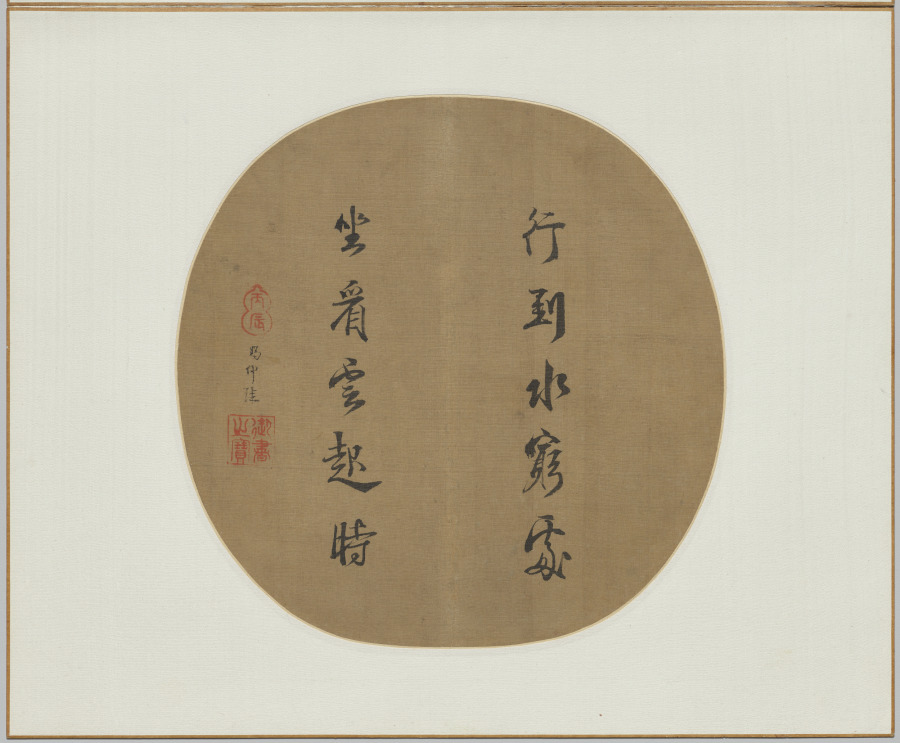
Poem by Wang Wei in the Cursive Script Style
Cleveland Museum of Art
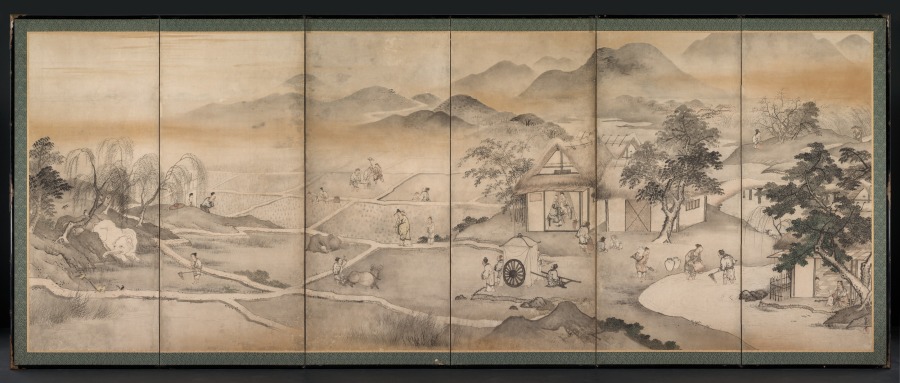
Emperor Yao Visiting Yu Chonghua
Cleveland Museum of Art

Saying Farewell at Xunyang (Song of the Pipa)
Cleveland Museum of Art

Poem by Kanke
Minneapolis Institute of Art
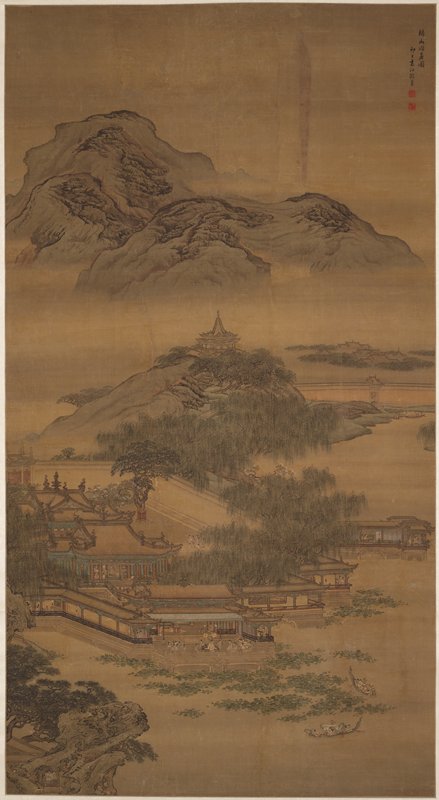
Mount Li with Summer Villa
Minneapolis Institute of Art
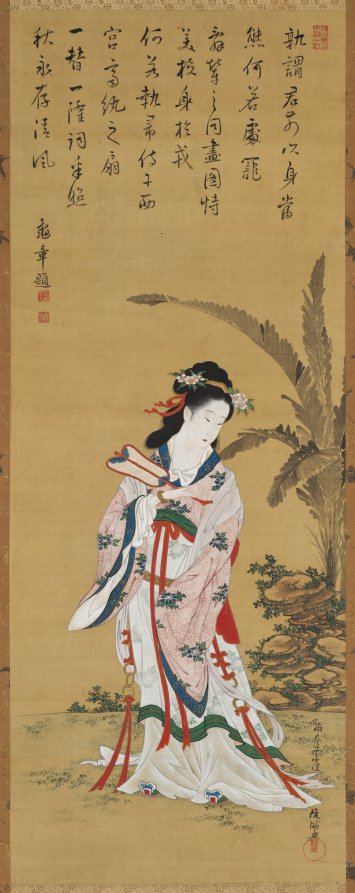
Chinese Beauty
Cleveland Museum of Art
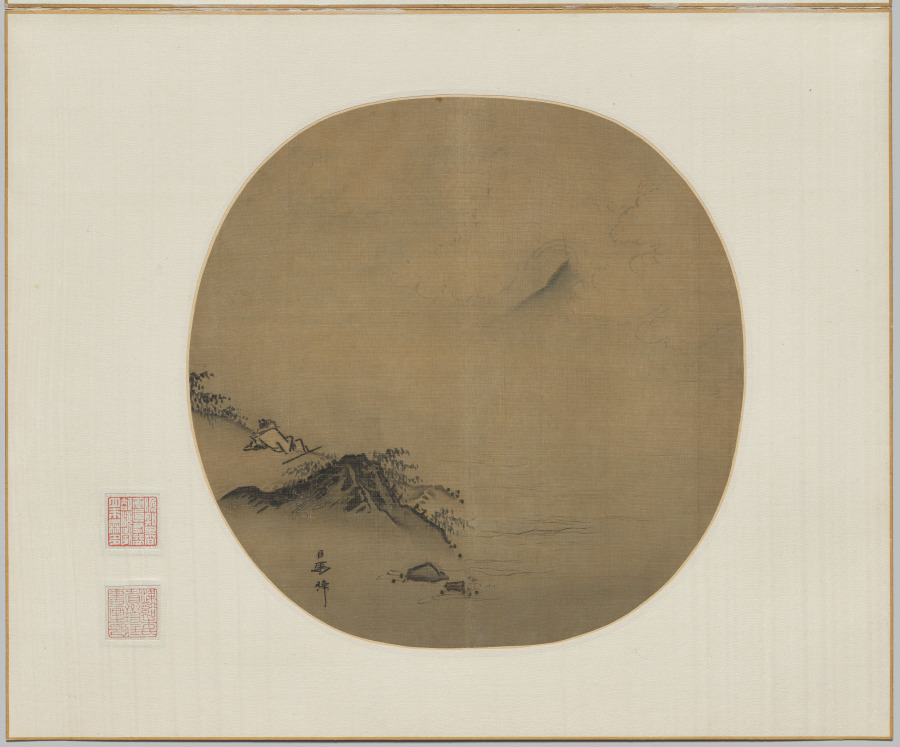
Scholar Reclining and Watching Rising Clouds, Poem by Wang Wei
Cleveland Museum of Art
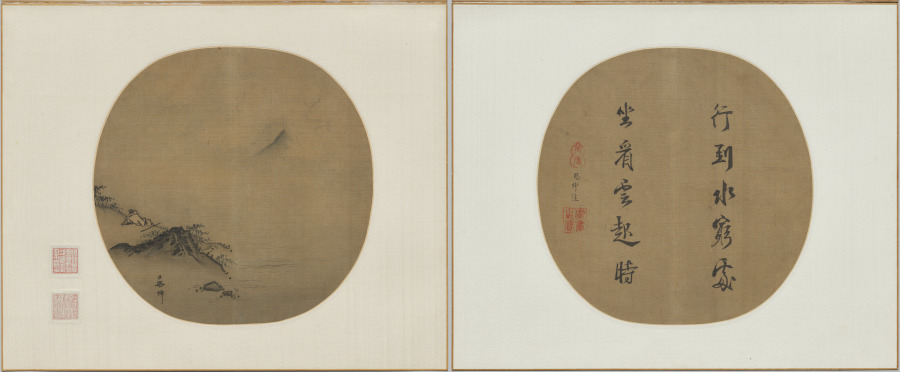
Scholar Reclining and Watching Rising Clouds; Poem by Wang Wei
Cleveland Museum of Art

Swan and Cygnets
Minneapolis Institute of Art