Art Institute of Chicago
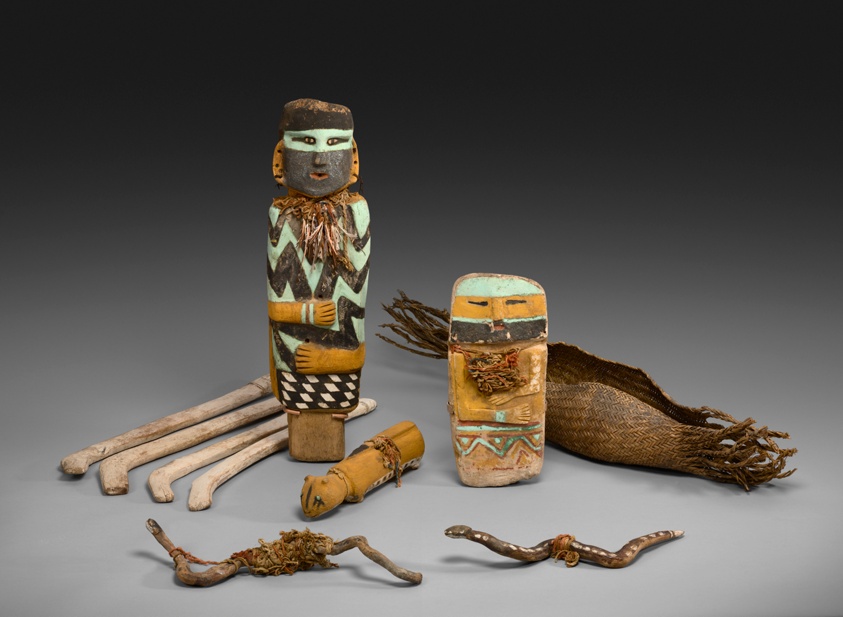
Ritual Cache
Salado branch of the Mogollon
- Date
- 1300–1400
- Medium
- Wood, stone, plant fibers, cotton, feathers, hide, and pigment
- Culture
- New Mexico
- Department
- Arts of the Americas
- Institution
- Art Institute of Chicago
Discovered wrapped and hidden in a remote, dry cave, this cache of ritual figures comes from the Salado culture, which flourished in the mountains of southwestern New Mexico and southeastern Arizona between the fourteenth and fifteenth centuries. Brilliantly colored and adorned with flicker feathers and dyed cotton string, these effigies once formed an altar as agents for communion with the life-giving spirits of the earth and sky. The large male figure, with his feather necklace and bold black-and-turquoise zigzag pattern, features sky symbolism. The smaller, female figure is a more self-contained form, probably corresponding to the earth. Her ocher color likely refers to maize and pollen, symbols of sustenance and fertility. The accompanying figures are a mountain lion (the chief predator in the region) and two serpents (carved from cottonwood roots), representing agents of communication with the earth and the seasonal cycle of fertility. Curved wooden throwing sticks for rabbit hunting complete the ensemble. Testimony to the antiquity and endurance of the worship of earth and sky and to the spiritual bonds between people and animals, these objects bear close resemblance to ritual figures and implements still used today among the diverse Pueblo peoples.
The authoritative record is held by Art Institute of Chicago. LinkedCulture surfaces this object and its connections; it does not alter institutional metadata.
Linked open data
Authority identifiers that link this record into the wider web of cultural data — stable references you can follow to the source.
- Object type
- AAT300312158
Related across collections
Semantically similar works from Art Institute of Chicago and other institutions.
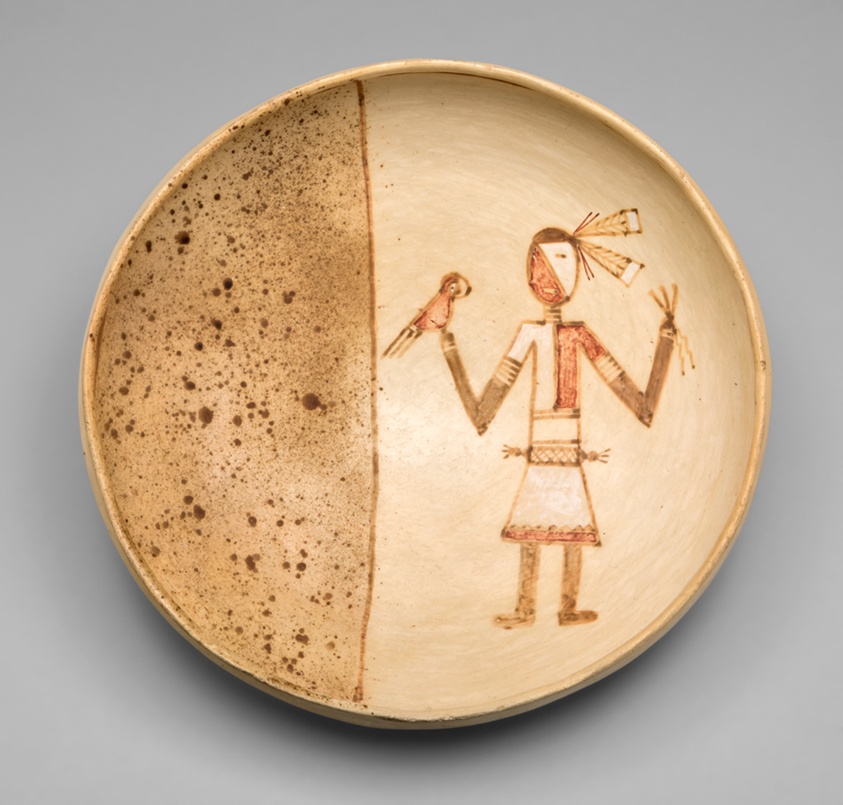
Bowl with a Figure Holding a Macaw
Art Institute of Chicago
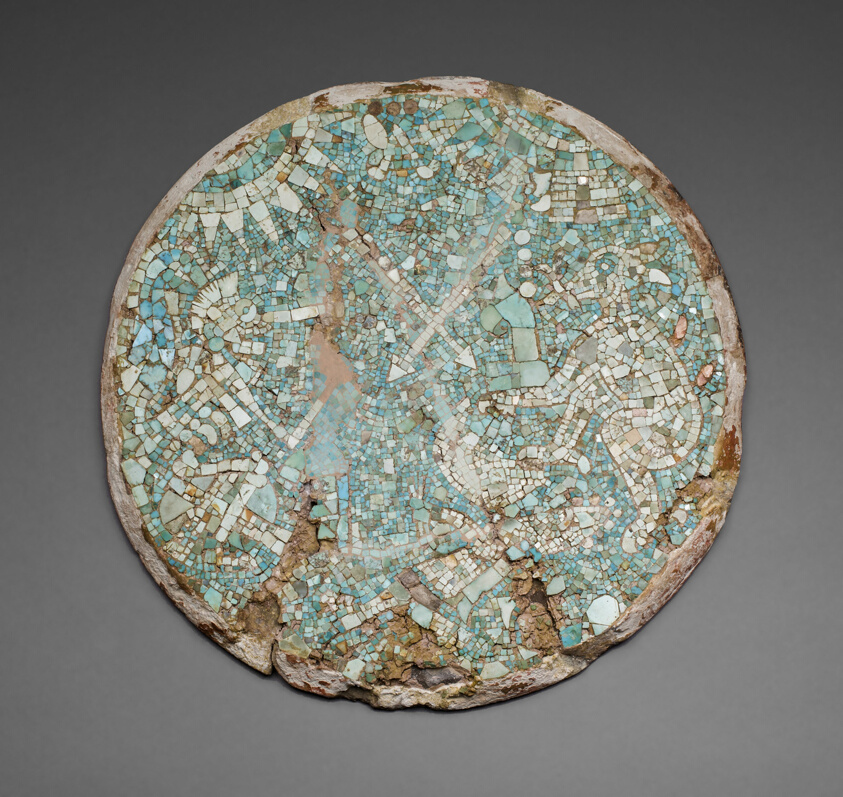
Mosaic Disk with a Mythological and Historical Scene
Art Institute of Chicago
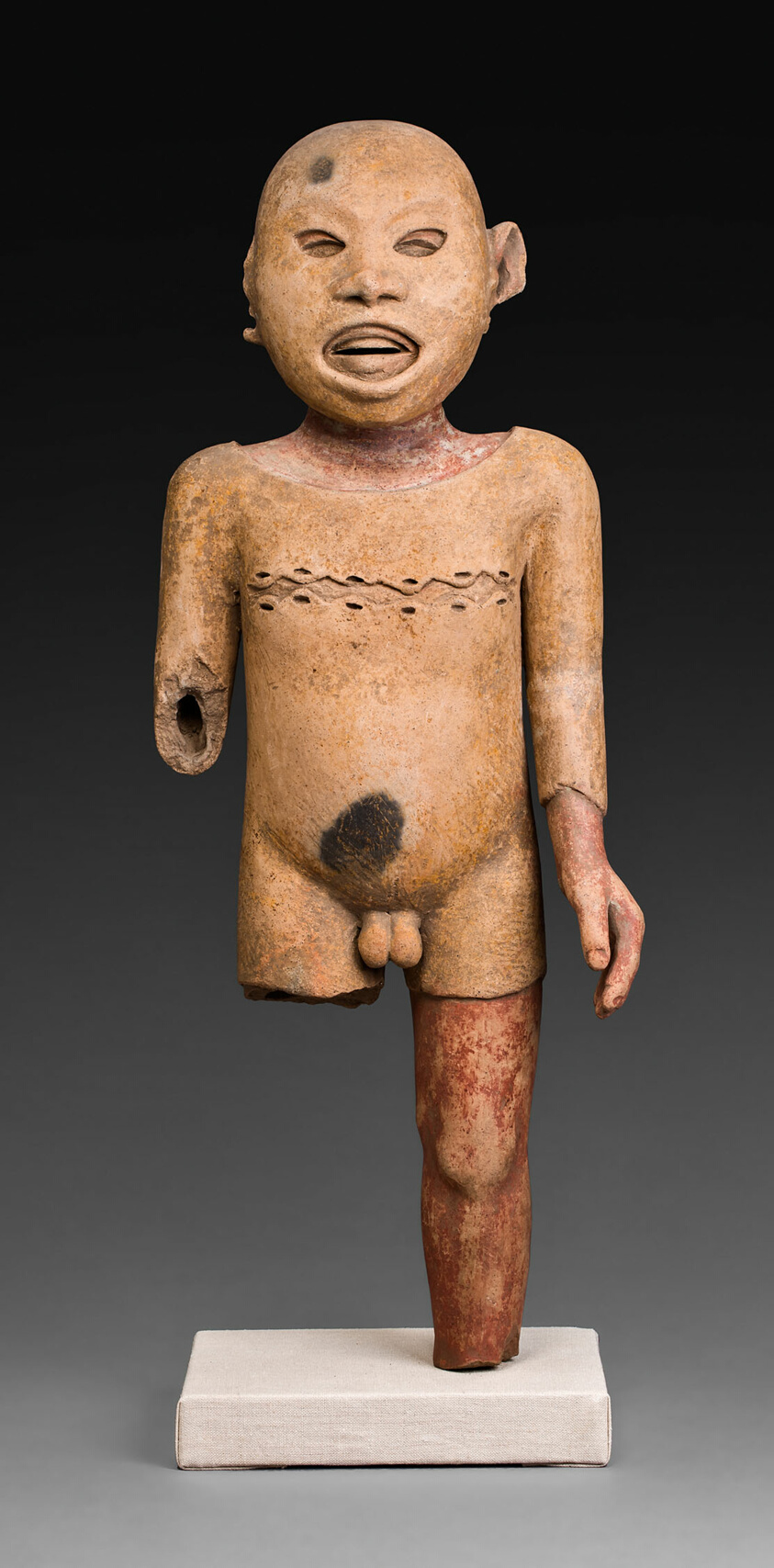
Ritual Impersonator of the Deity Xipe Totec
Art Institute of Chicago
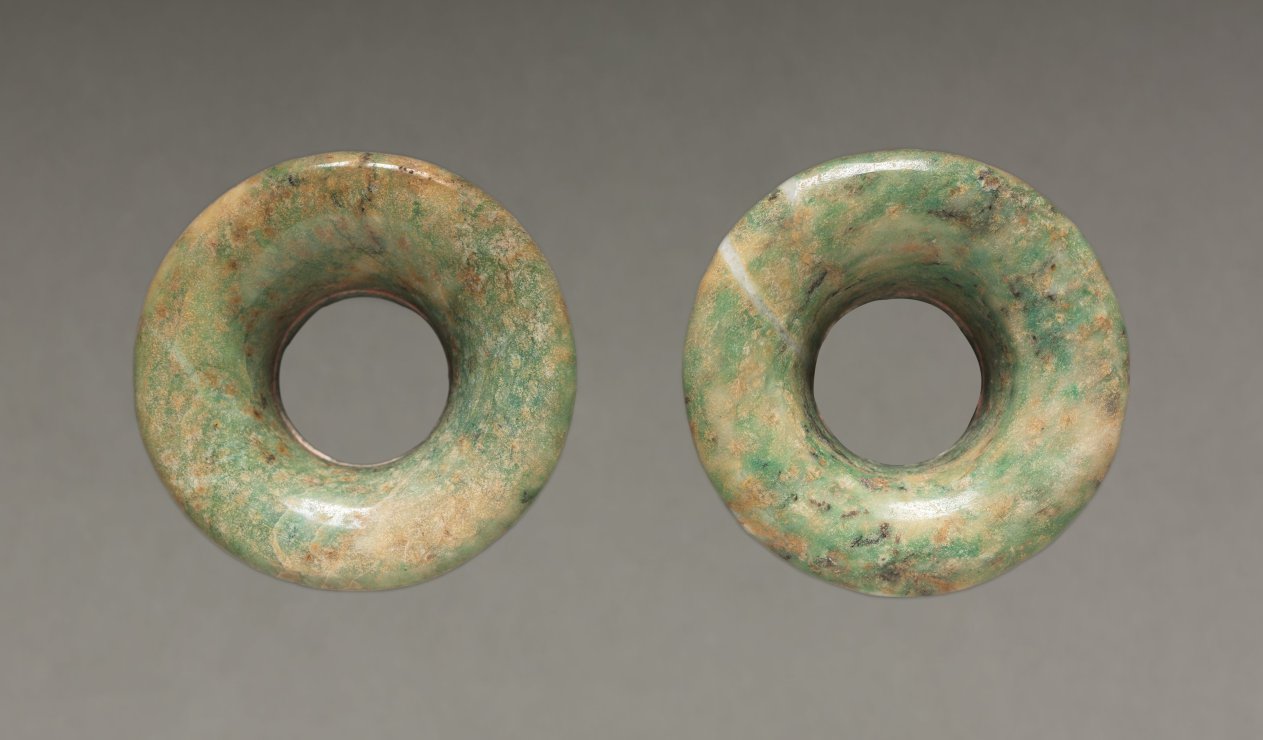
Pair of Ear Ornaments
Cleveland Museum of Art
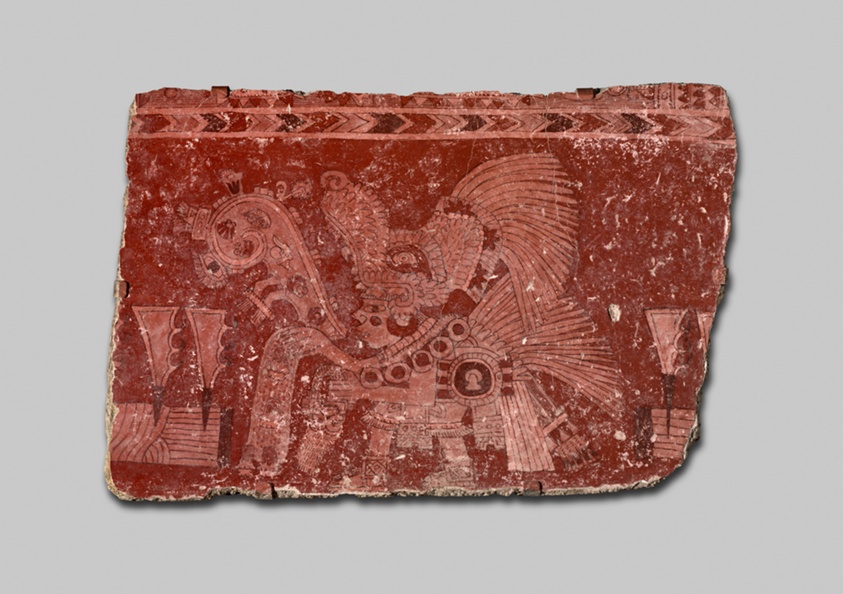
Mural Fragment Depicting a Maguey Bloodletting Ritual
Art Institute of Chicago
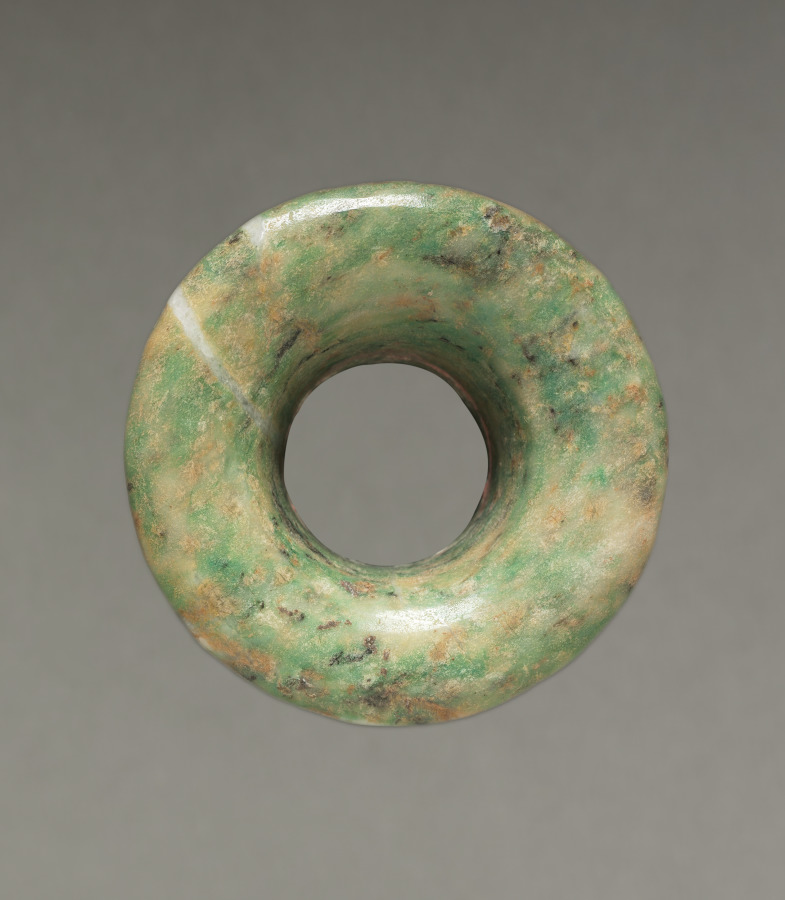
Ear Ornament
Cleveland Museum of Art
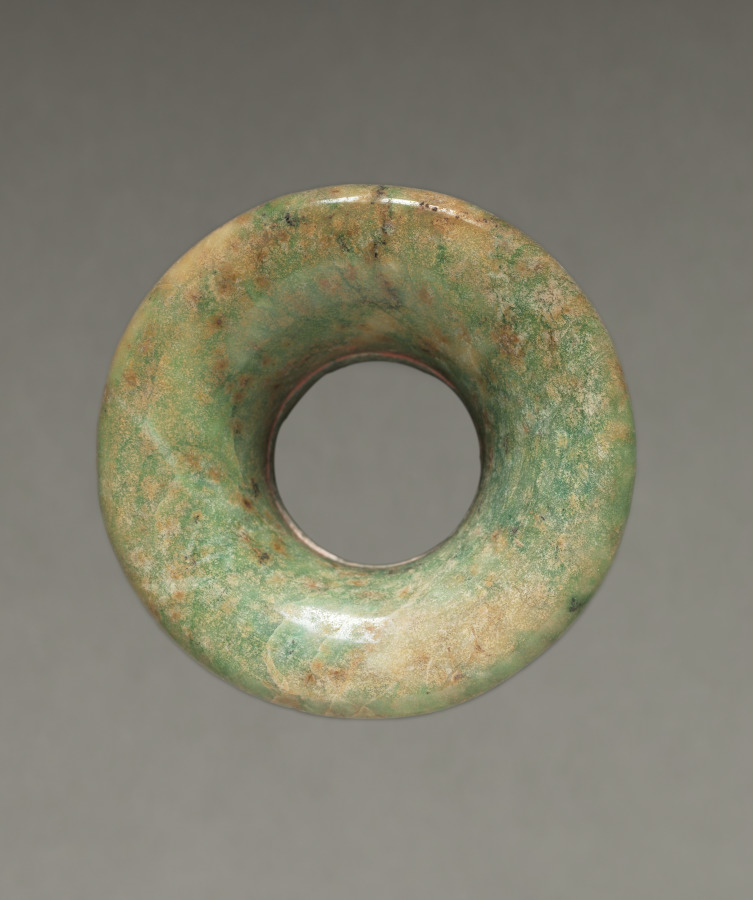
Ear Ornament
Cleveland Museum of Art
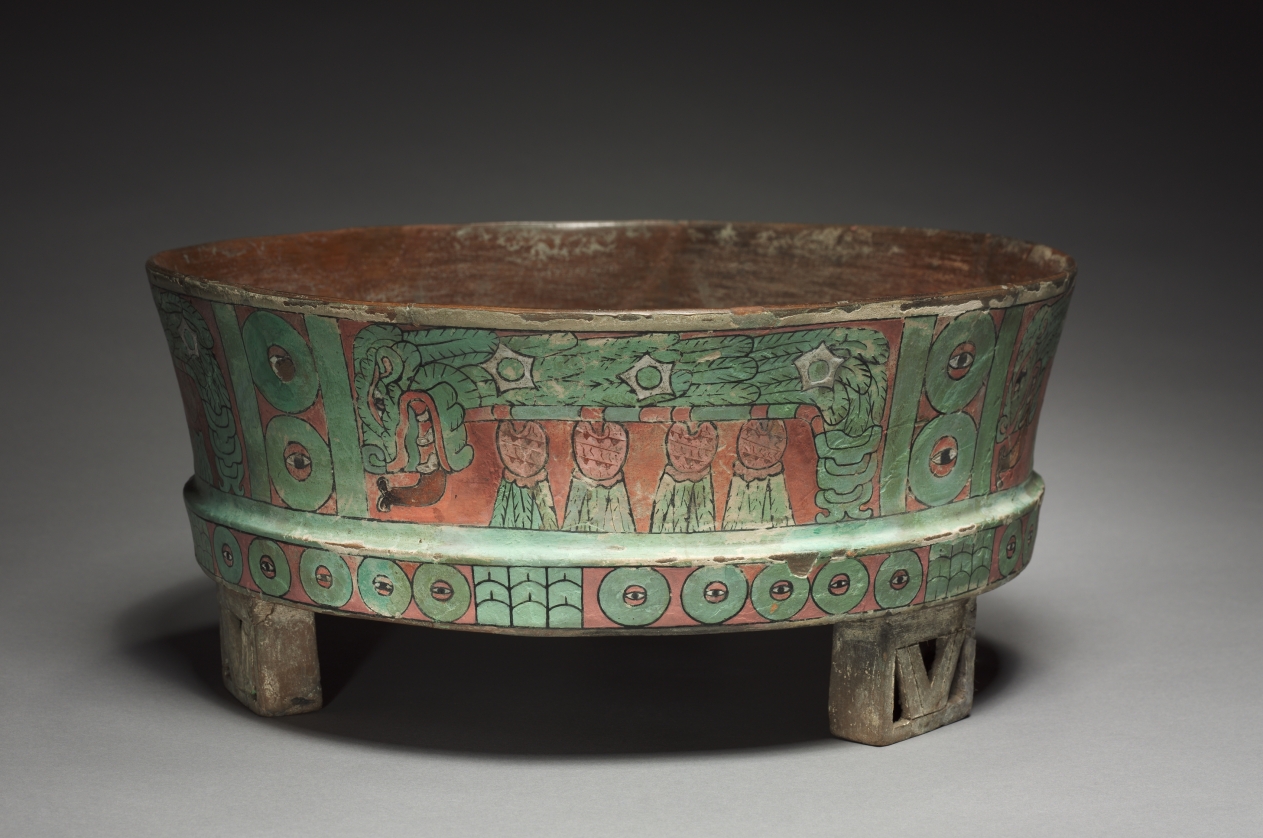
Basin with Feathered Serpent
Cleveland Museum of Art
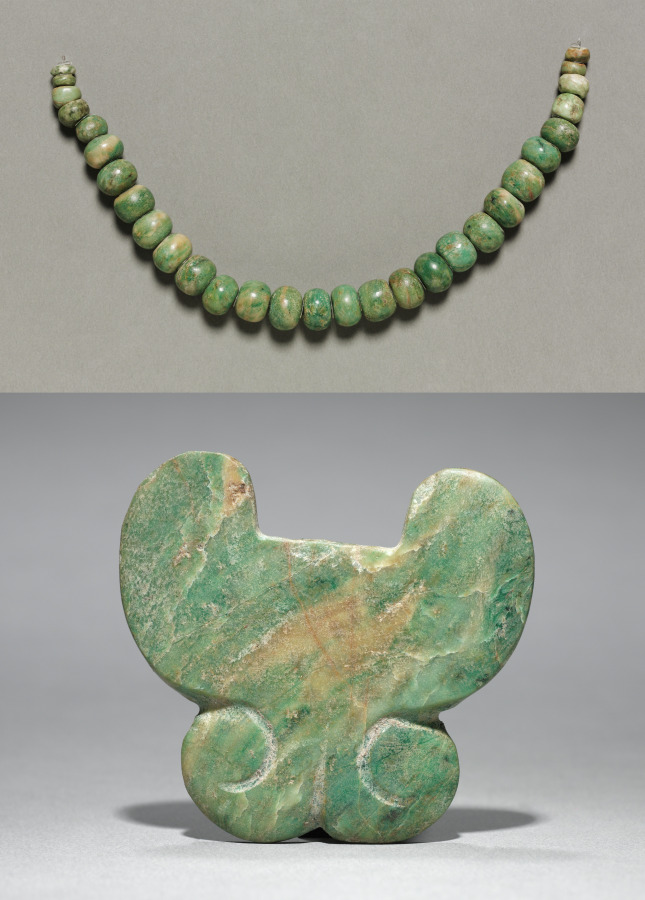
Necklace and Nose Ornament
Cleveland Museum of Art
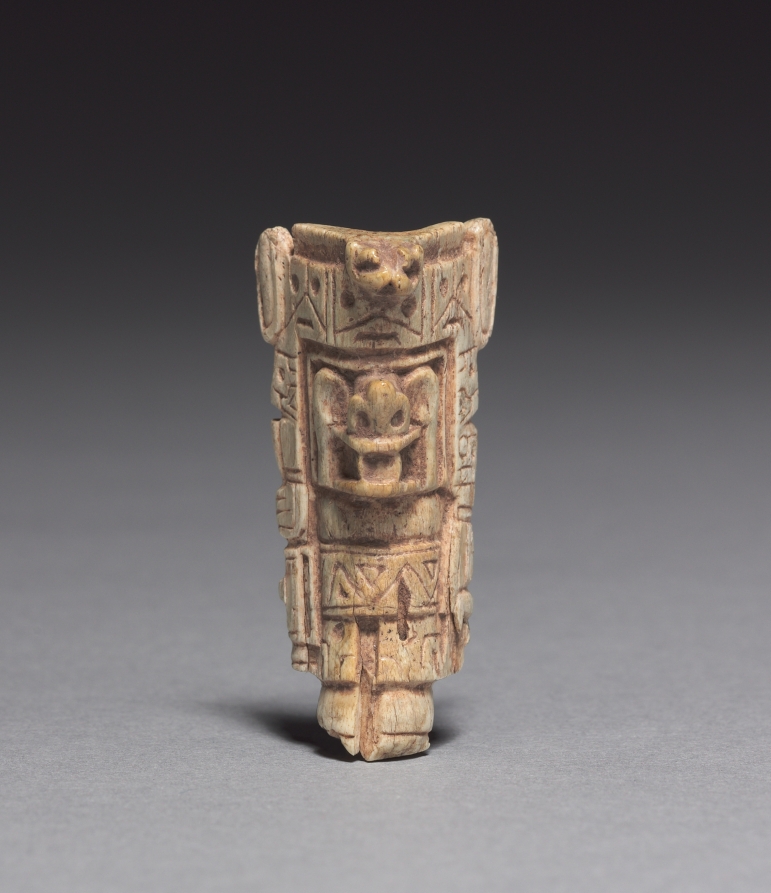
Sacrificer
Cleveland Museum of Art
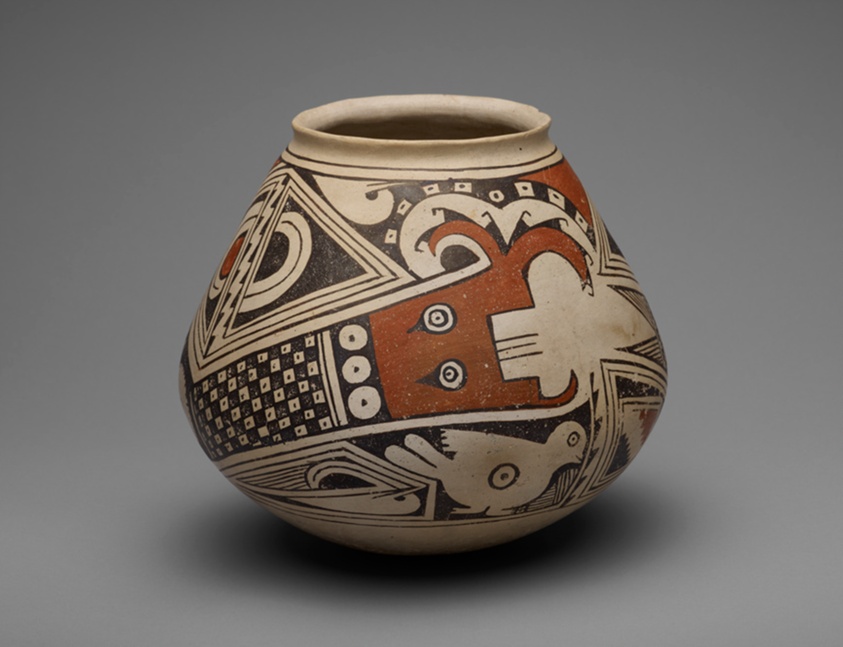
Jar with Two Plumed or Horned Serpents with Birds and P-shaped Motifs
Art Institute of Chicago
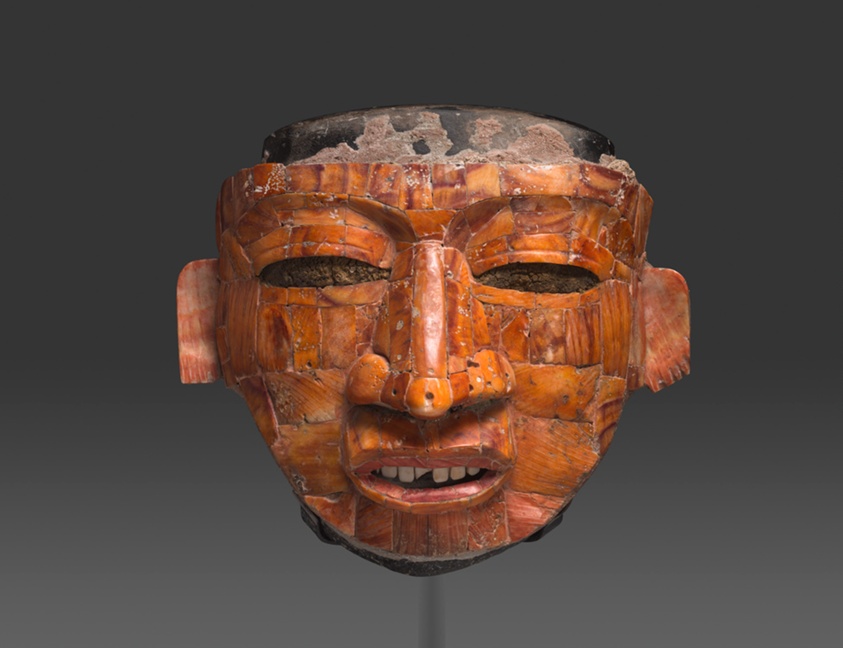
Face
Art Institute of Chicago