Art Institute of Chicago
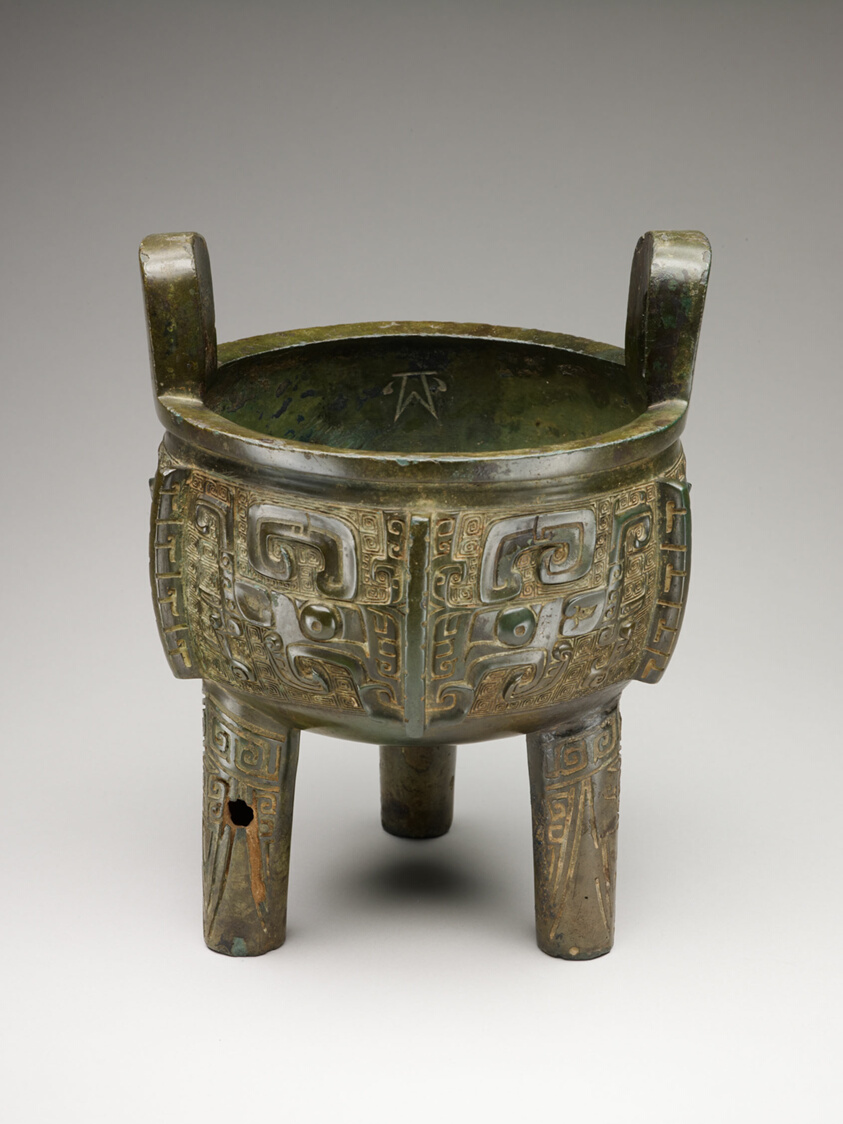
Tripod Cauldron of Ran (Ran ding)
China
- Date
- Late Shang dynasty, 13th–11th century B.C.
- Medium
- Bronze
- Culture
- China
- Department
- Arts of Asia
- Institution
- Art Institute of Chicago
On this vessel, monster masks are cast in bold, high relief against a background of finely squared spirals, in a style that reflects the fullest development of Shang surface design. Each mask is composed of prominent horns, eyes, nose, upper jaw, and ears. The low ridge or flange, which bisects each mask, marks a division in the clay mold assembly used to cast this vessel. This type of three-legged cauldron is the most common of all ritual vessels; even after the end of China's Bronze Age, it remained a symbol of the political authority and legitimacy of the ruling house. Cast on the inside wall is the family emblem: Bing. Originally golden in color, this vessel developed a surface corrosion or patina during centuries of burial underground. It was subsequently cleaned, recoated, and darkened probably by heating. The resulting smooth, blackish brown surface is characteristic of many bronzes that have come down to us from collections of the 19th century and earlier. This vessel had been in the collection of the eminent court official Duanfang (1861-1911).
The authoritative record is held by Art Institute of Chicago. LinkedCulture surfaces this object and its connections; it does not alter institutional metadata.
Linked open data
Authority identifiers that link this record into the wider web of cultural data — stable references you can follow to the source.
- Object type
- AAT300193015
Related across collections
Semantically similar works from Art Institute of Chicago and other institutions.
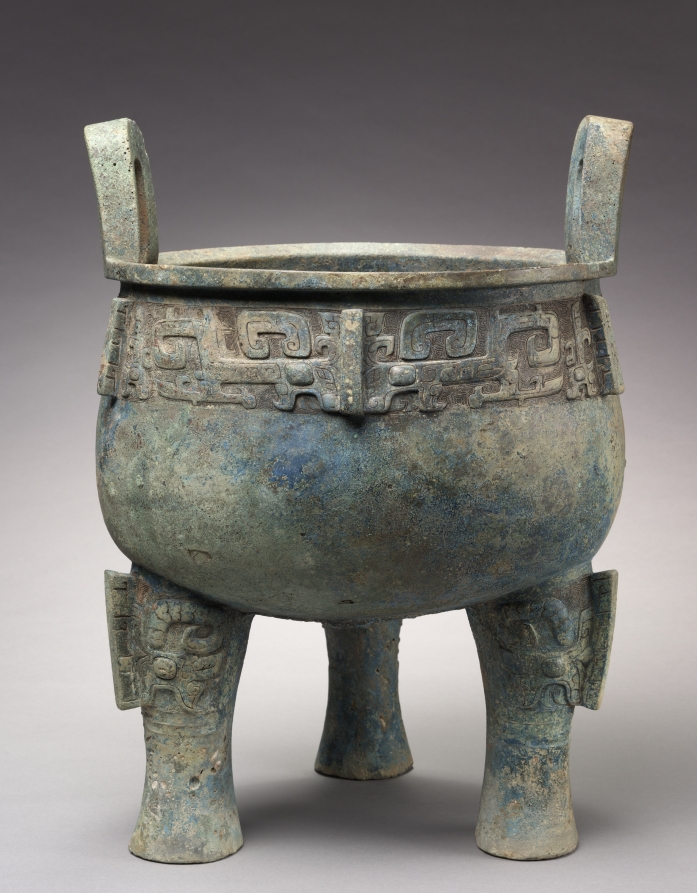
Tripod (Ding)
Cleveland Museum of Art
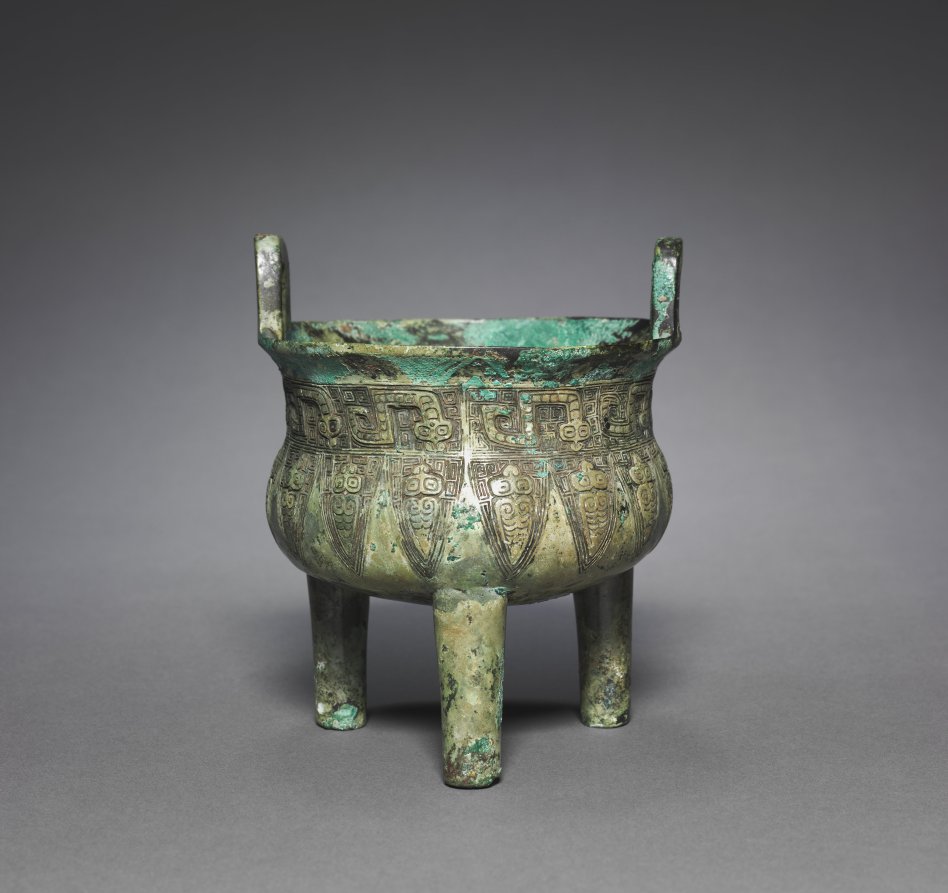
Tripod Cauldron (Ding)
Cleveland Museum of Art

Ding food vessel
Minneapolis Institute of Art

Gui food vessel
Minneapolis Institute of Art

Ding food vessel
Minneapolis Institute of Art
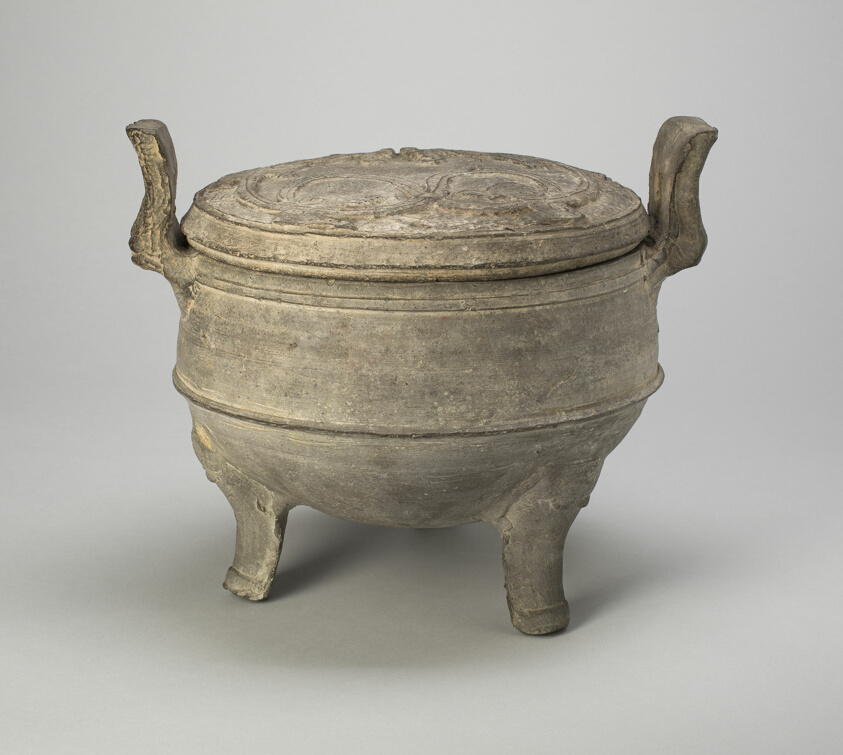
Tripod Caldron (Ding)
Art Institute of Chicago

Li tripod food vessel
Minneapolis Institute of Art
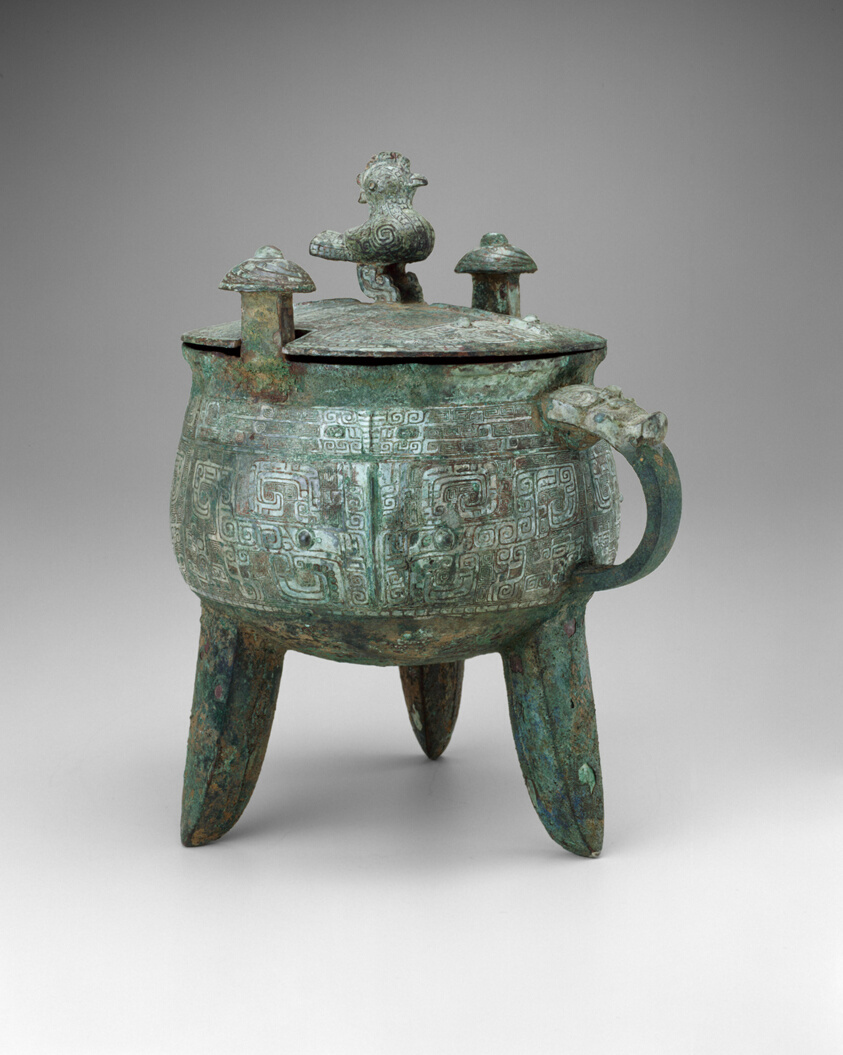
Goblet
Art Institute of Chicago
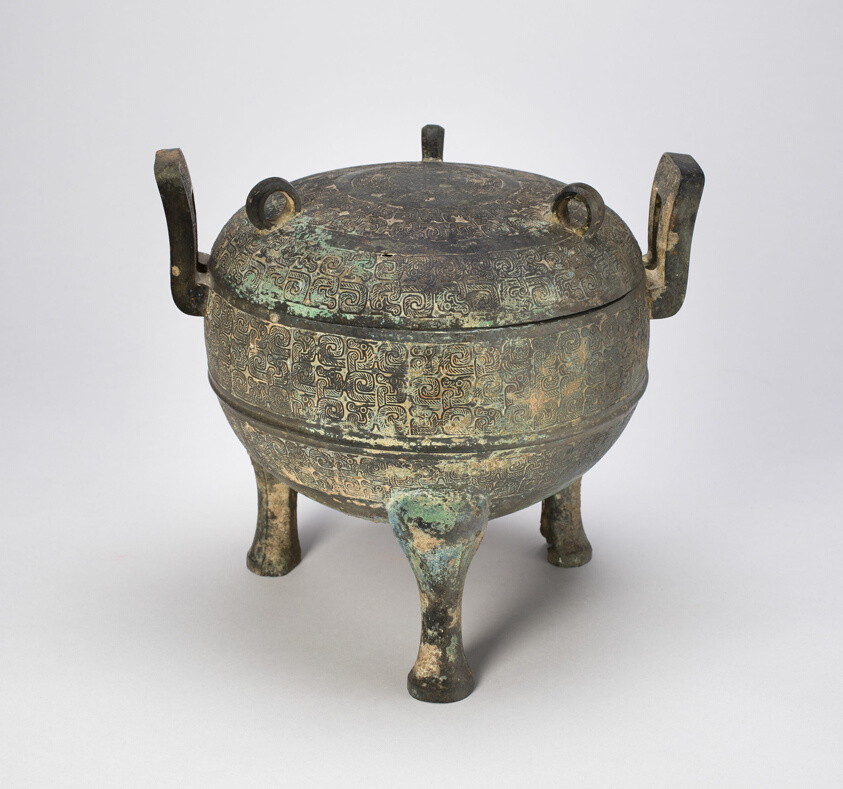
Tripod Cauldron (Ding)
Art Institute of Chicago
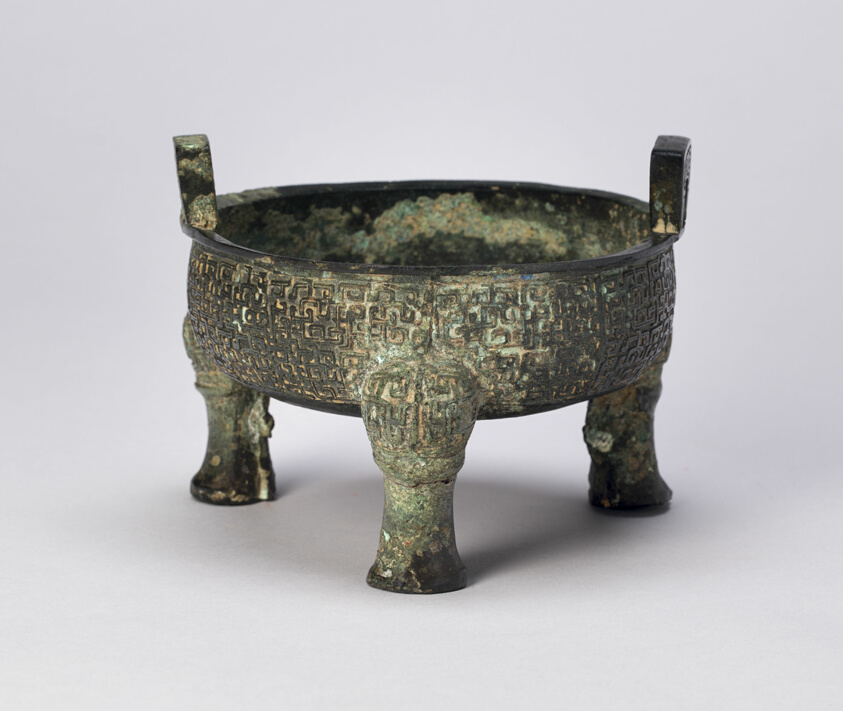
Tripod Cauldron (Ding)
Art Institute of Chicago

Gui food vessel
Minneapolis Institute of Art
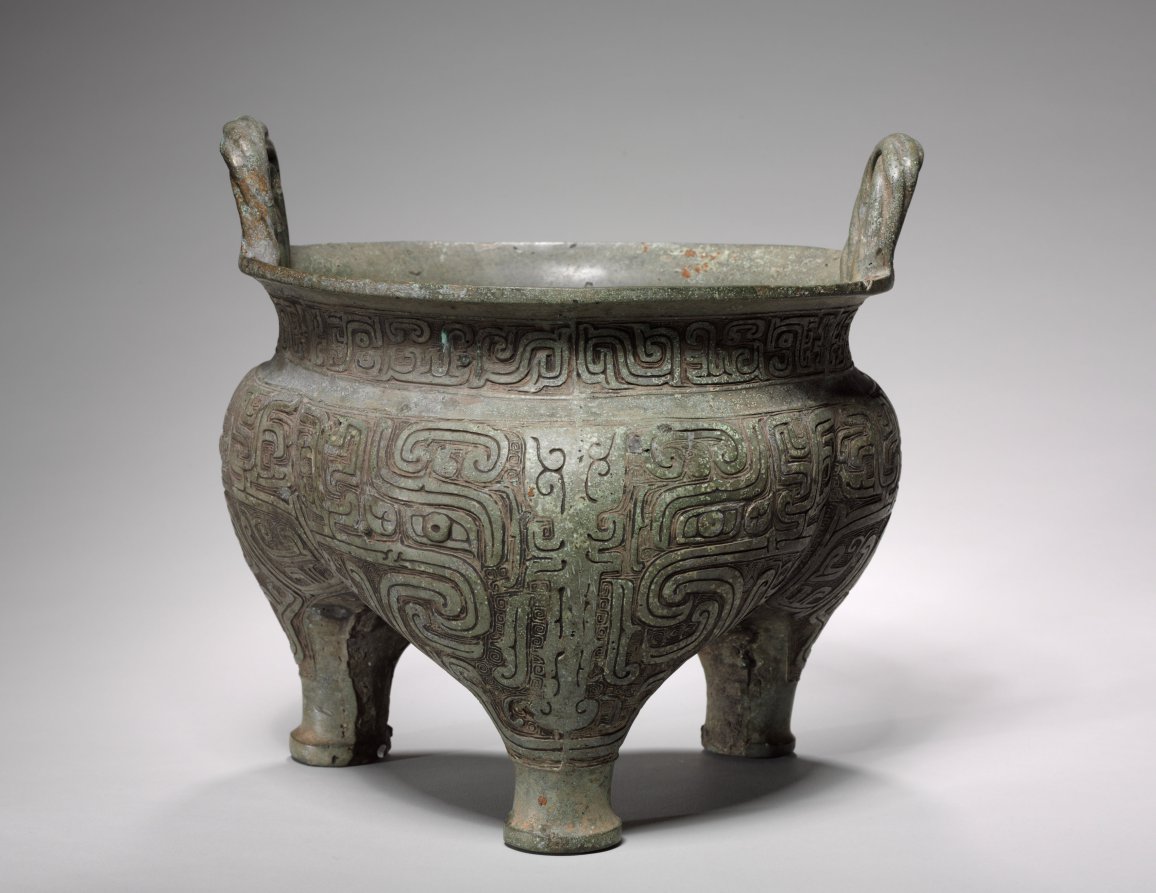
Hollow-Legged Tripod (Li Ding)
Cleveland Museum of Art