
Minneapolis Institute of Art
Gui food vessel
China
- Date
- 11th century BCE
- Medium
- Bronze
- Department
- Asian Art
- Institution
- Minneapolis Institute of Art
This vessel is among the earliest gui with looped handles, which emerged in the latest period of the Shang dynasty. The surfaces of the vessel are divided into four vertical panels by four flanges on the foot and two flanges and two handles on the body. These narrow, thin flanges contrast sharply with the heavy handles and their massive bovine heads. The taotie mask on the belly is flanked by vertical dragons. The principal figures in the surface decor, executed in low relief except for the strongly protruding eyes, are so covered with embellished lines that they tend to merge with the ground of squared spirals. The vessel bears a single script inscription, “Shi, ” which stands as an insignia for a clan. In recent years, a large number of bronzes unearthed in modern Shandong bear the same inscription, dating from the late Shang to early Western Zhou, thus revealing the location of this powerful clan whose members served in the court of the Shang king. It seems that the word originally referred to an official title. It was later adopted as the insignia of the clan whose members held this position for several generations. China, Asia
The authoritative record is held by Minneapolis Institute of Art. LinkedCulture surfaces this object and its connections; it does not alter institutional metadata.
Related across collections
Semantically similar works from Minneapolis Institute of Art and other institutions.

Gui food vessel
Minneapolis Institute of Art

Gui food vessel
Minneapolis Institute of Art

Gui food vessel
Minneapolis Institute of Art

Gui food vessel
Minneapolis Institute of Art
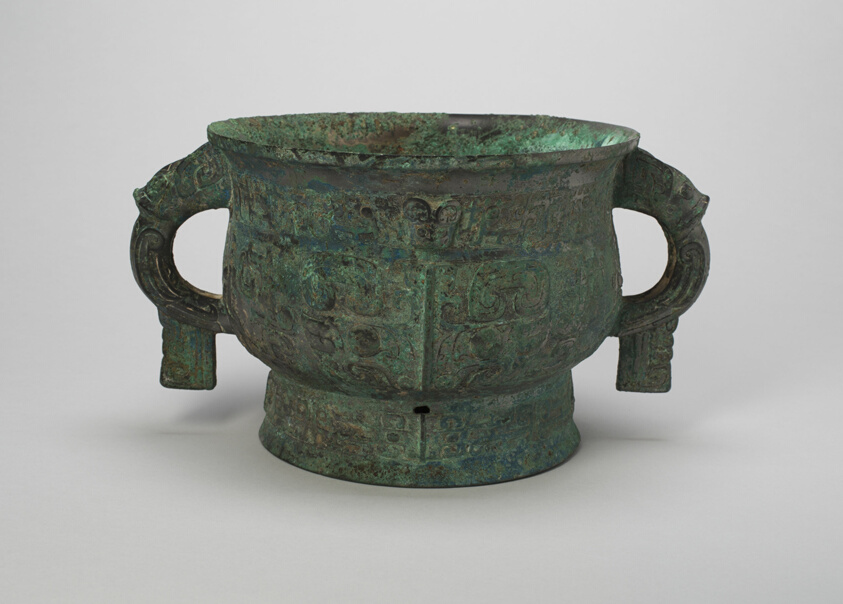
Grain Vessel (Gui)
Art Institute of Chicago

Gui food vessel
Minneapolis Institute of Art

Gui food vessel
Minneapolis Institute of Art
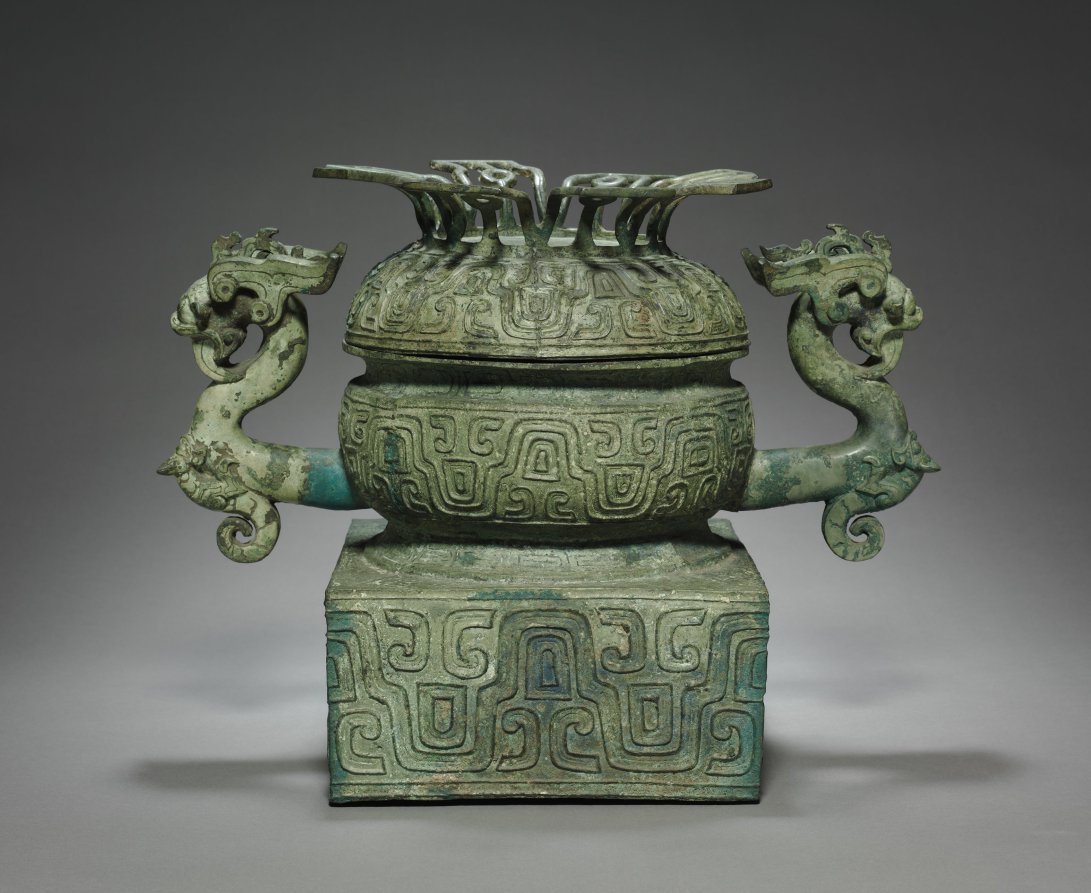
Food Container (Gui)
Cleveland Museum of Art

Gu wine vessel
Minneapolis Institute of Art

Gu wine vessel
Minneapolis Institute of Art

Jue wine vessel
Minneapolis Institute of Art
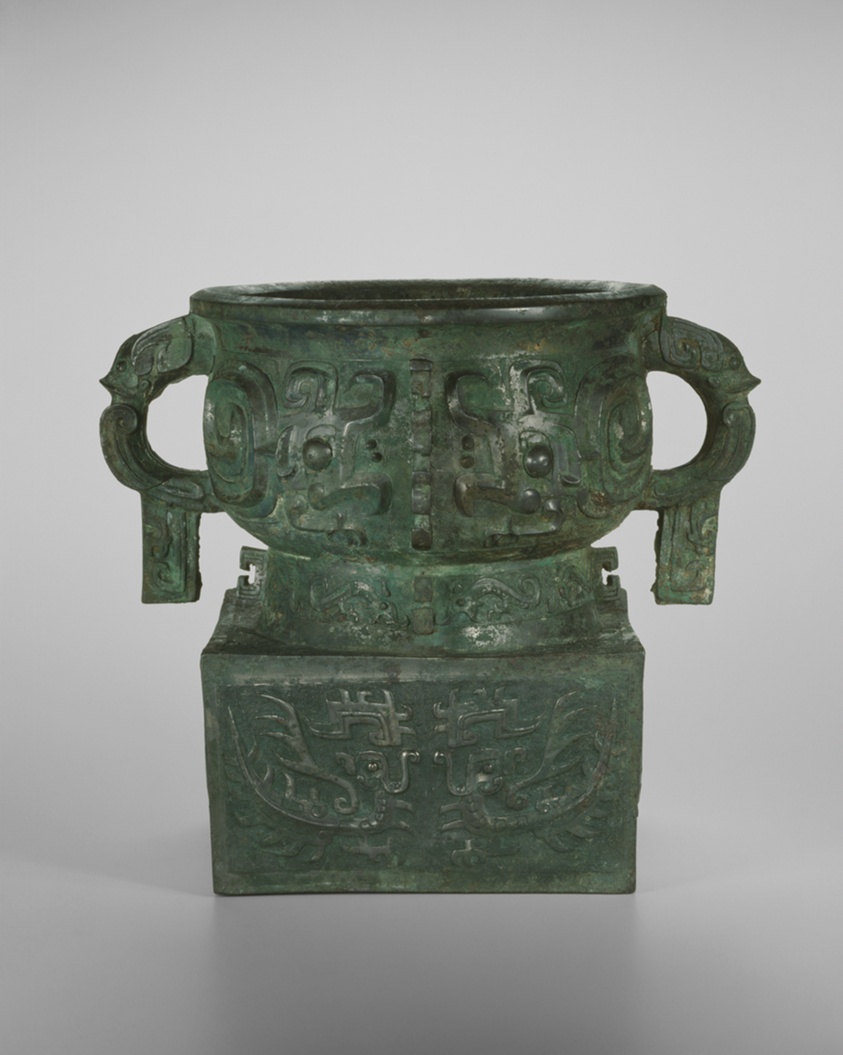
Food container
Art Institute of Chicago