
Minneapolis Institute of Art
Gui food vessel
China
- Date
- 11th century BCE
- Medium
- Bronze
- Department
- Asian Art
- Institution
- Minneapolis Institute of Art
The gui was the primary food vessel used in ceremonial rituals for offerings of grain. One of the most important components of the ritual paraphernalia, it was often coupled with the ding (another food vessel). The form was produced as early as the Anyang period of the Shang dynasty (c. 1300–1046 BCE) and developed into many varieties. This vessel, with its wide mouth, ample, bowl-shaped body, and C-shaped handles represents the typical gui of the Western Zhou. The flange forms the center of a taotie animal mask. The handles are topped by horned animal heads, and bird wings are carved in flat-band relief on the bow, thus giving the animal head a bird’s body. China, Asia
The authoritative record is held by Minneapolis Institute of Art. LinkedCulture surfaces this object and its connections; it does not alter institutional metadata.
Related across collections
Semantically similar works from Minneapolis Institute of Art and other institutions.

Gui food vessel
Minneapolis Institute of Art

Gui food vessel
Minneapolis Institute of Art

Gui food vessel
Minneapolis Institute of Art

Gui food vessel
Minneapolis Institute of Art

Gui food vessel
Minneapolis Institute of Art
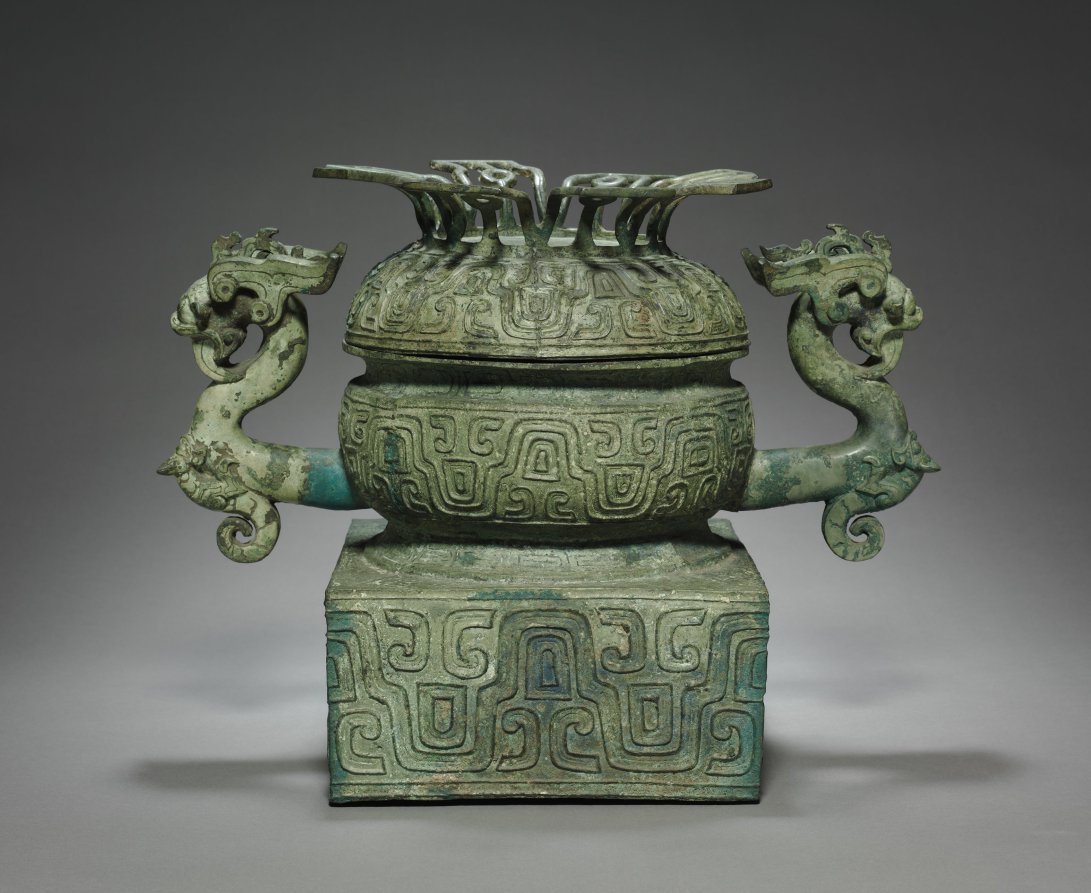
Food Container (Gui)
Cleveland Museum of Art
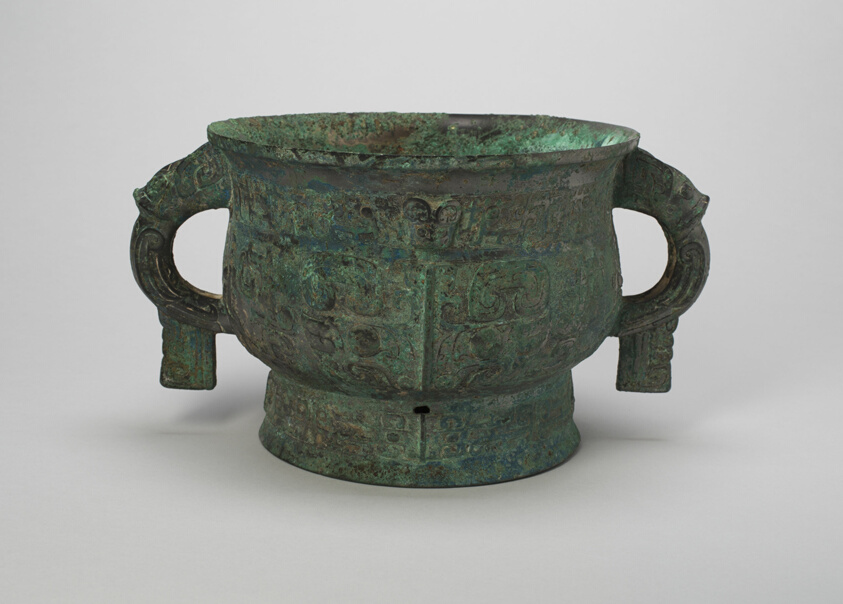
Grain Vessel (Gui)
Art Institute of Chicago

Gui food vessel
Minneapolis Institute of Art

Gu wine vessel
Minneapolis Institute of Art

Gu wine vessel
Minneapolis Institute of Art

Jue libation vessel
Minneapolis Institute of Art

You wine vessel
Minneapolis Institute of Art