
Minneapolis Institute of Art
Jue libation vessel
China
- Date
- 11th century BCE
- Medium
- Bronze
- Department
- Asian Art
- Institution
- Minneapolis Institute of Art
Jue are one of the earliest ceremonial bronze forms created by artists in the Erlitou culture (c. 2000–1600 BCE), the first known culture in China to employ advanced bronze technology. The prototype of the bronze jue is a pottery vessel known as gui , found in the late Neolithic Longshan culture (c. 2500–2000 BCE). A type of wine vessel, Jue flourished during the Shang (c. 1600–1406 BCE) and early Western Zhou (c. 1406–977 BCE) dynasties but diminished in popularity after the mid–Western Zhou period in the late 800s BCE. This jue , with its goblet-like body supported by tall blade-shaped legs, is typical of the early Western Zhou dynasty. Its long U-shaped spout is flanked by two capped posts, which are visually and physically balanced by a flaring winglike tail. The decoration on the band consists of two pairs of birds facing a taotie mask. The taotie is a composite animal. The two posts with umbrella-like caps are likely decorative. Asia
The authoritative record is held by Minneapolis Institute of Art. LinkedCulture surfaces this object and its connections; it does not alter institutional metadata.
Related across collections
Semantically similar works from Minneapolis Institute of Art and other institutions.

Jue wine vessel
Minneapolis Institute of Art
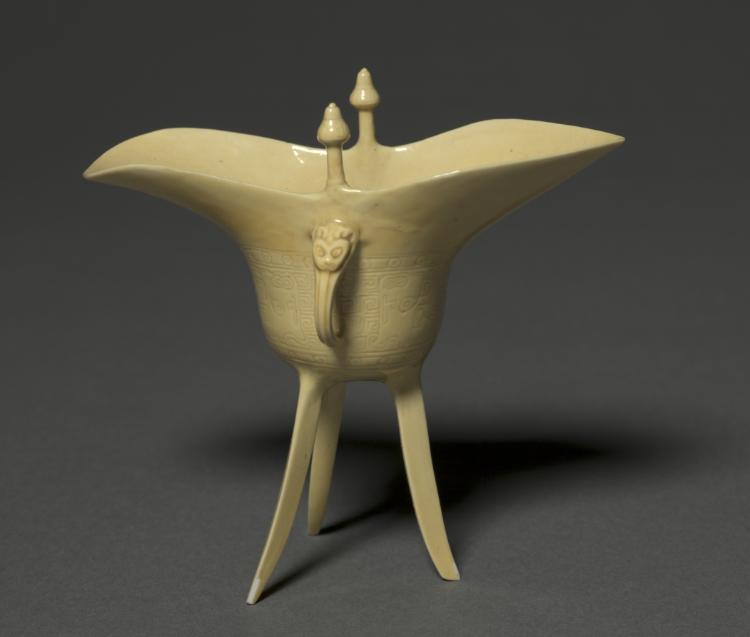
Libation Cup in the Form of a Jue
Cleveland Museum of Art

Jue wine vessel
Minneapolis Institute of Art

Fangjia wine vessel
Minneapolis Institute of Art
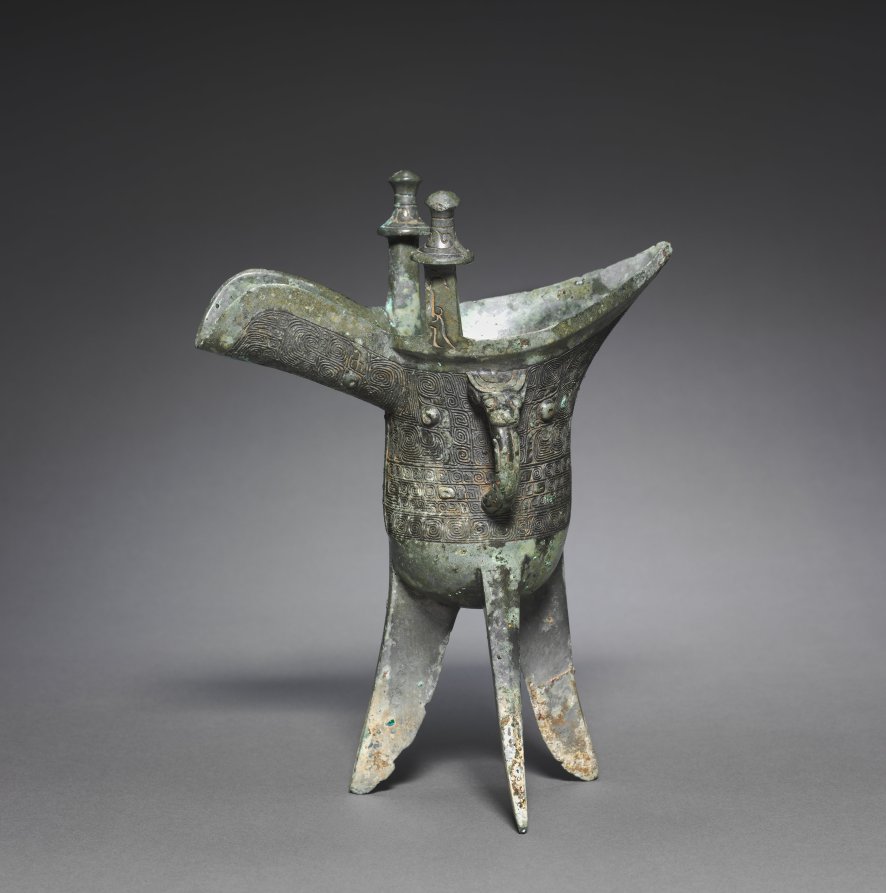
Wine vessel (Jue)
Cleveland Museum of Art
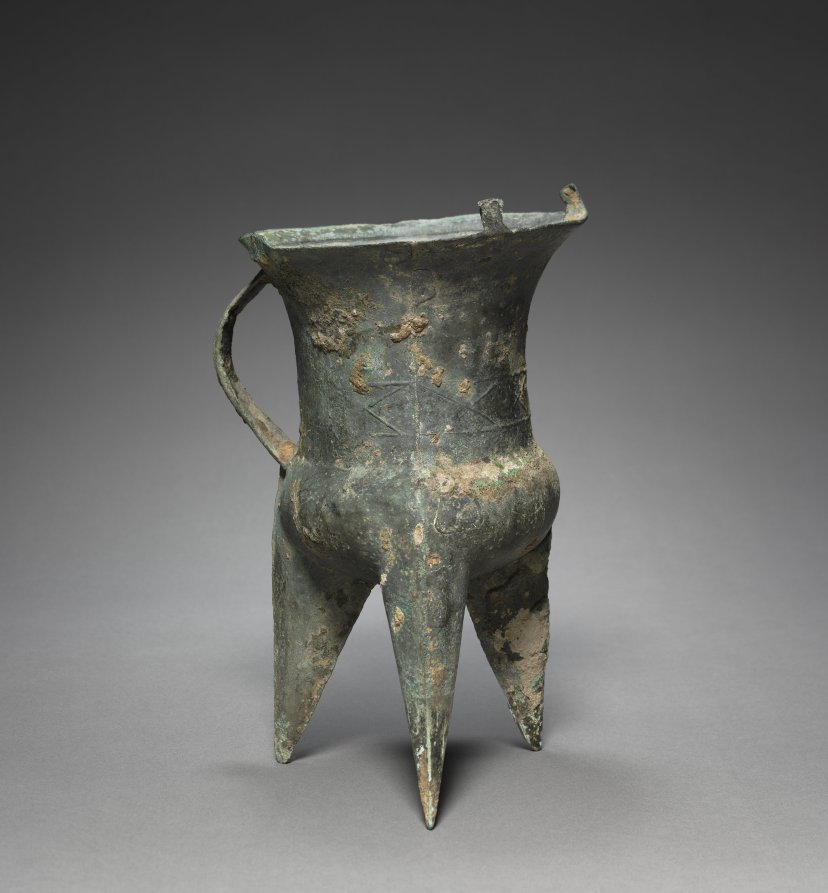
Wine Vessel (Jia)
Cleveland Museum of Art

Vessel in the shape of an archaic <i>jue</i>
Minneapolis Institute of Art
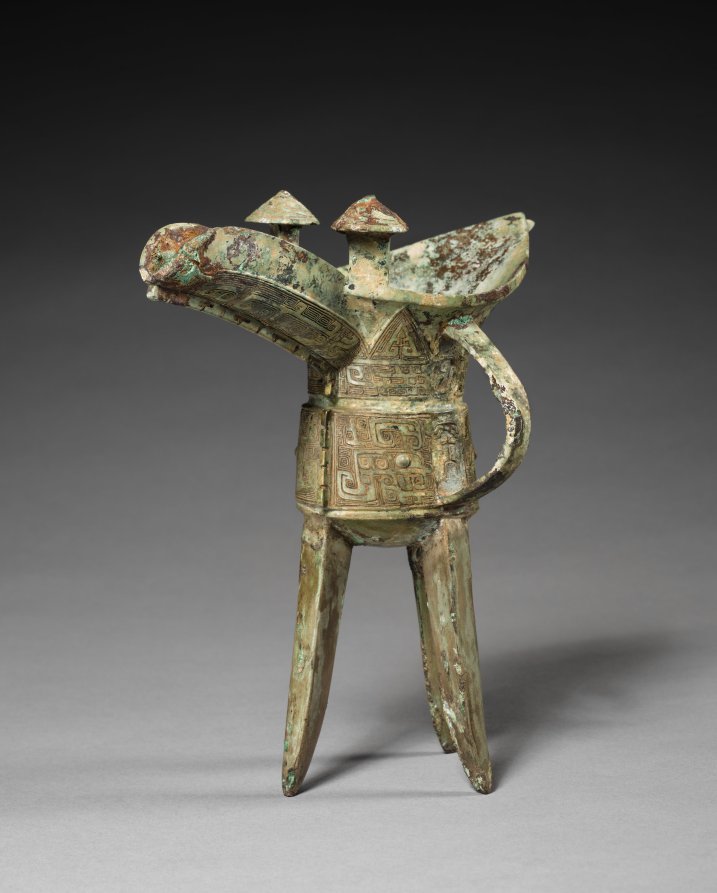
Wine Cups (Jue)
Cleveland Museum of Art

You wine vessel
Minneapolis Institute of Art
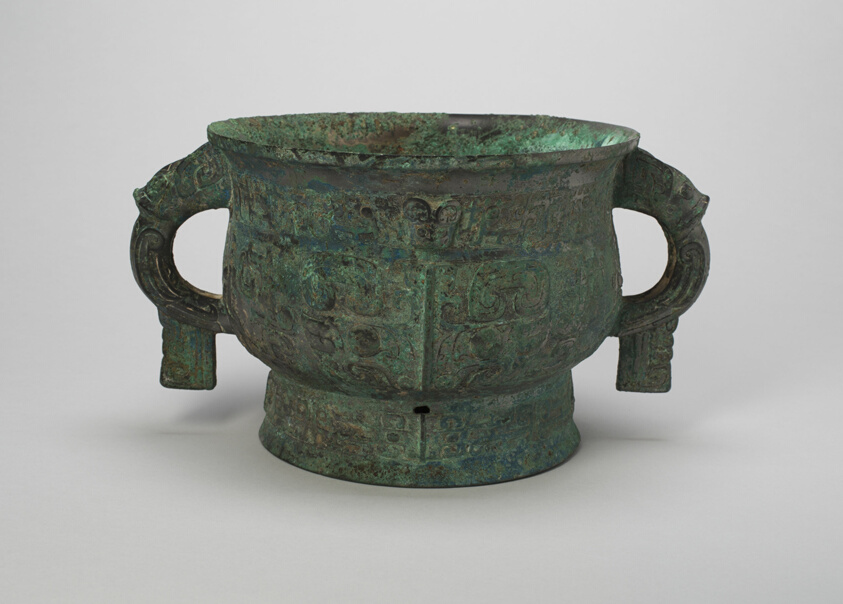
Grain Vessel (Gui)
Art Institute of Chicago

Jue libation vessel
Minneapolis Institute of Art

Jue libation vessel
Minneapolis Institute of Art