
Minneapolis Institute of Art
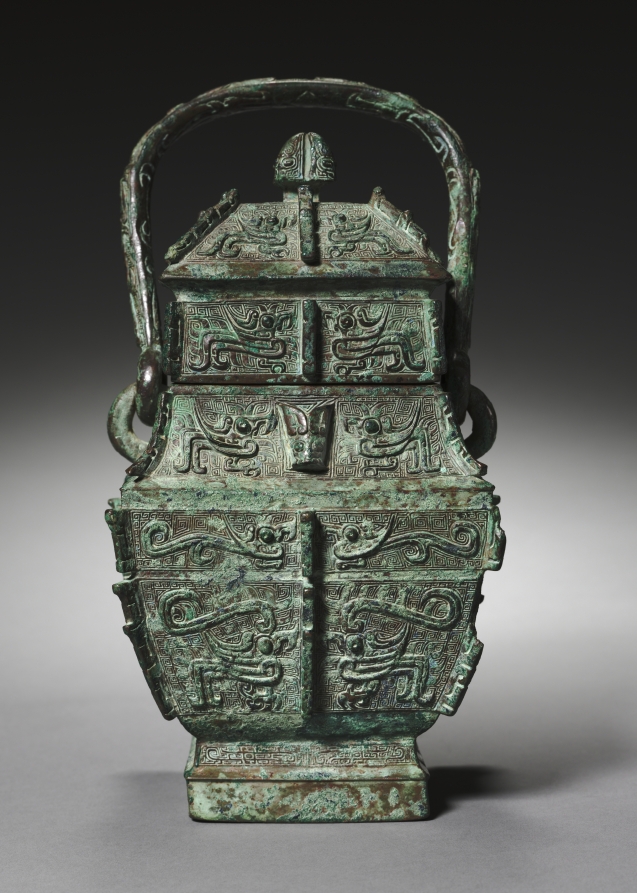
Fangjia wine vessel
China
- Date
- 13th-12th century BCE
- Medium
- Bronze
- Department
- Asian Art
- Institution
- Minneapolis Institute of Art
Jia were among the earliest Chinese bronze vessels cast during the Erlitou period (c. 2000–1600 BCE). Archaeological excavations have found more jia and jue (another type of wine cup) than ding cauldrons, which held food. This suggests that people of the Erlitou period emphasized the role of wine in ritual ceremonies. Jia became prevalent during the Shang and early Western Zhou dynasties (c. 1600–977 BCE) and gradually fell out of favor and then disappeared during the late Western Zhou (c. 885–771 BCE). It was fashionable in the late Shang to make square variations on originally round types of vessels—hence, a new type of jia emerged. Known as fangjia , or “squared jia, ” it had a quadrangular shape and a rectangular or square cross section. In this example, taotie , composite-animal masks, appear on the largest panel on each side, which also features stylized animals, as is typical of much Shang art. China, Asia
The authoritative record is held by Minneapolis Institute of Art. LinkedCulture surfaces this object and its connections; it does not alter institutional metadata.
Related across collections
Semantically similar works from Minneapolis Institute of Art and other institutions.
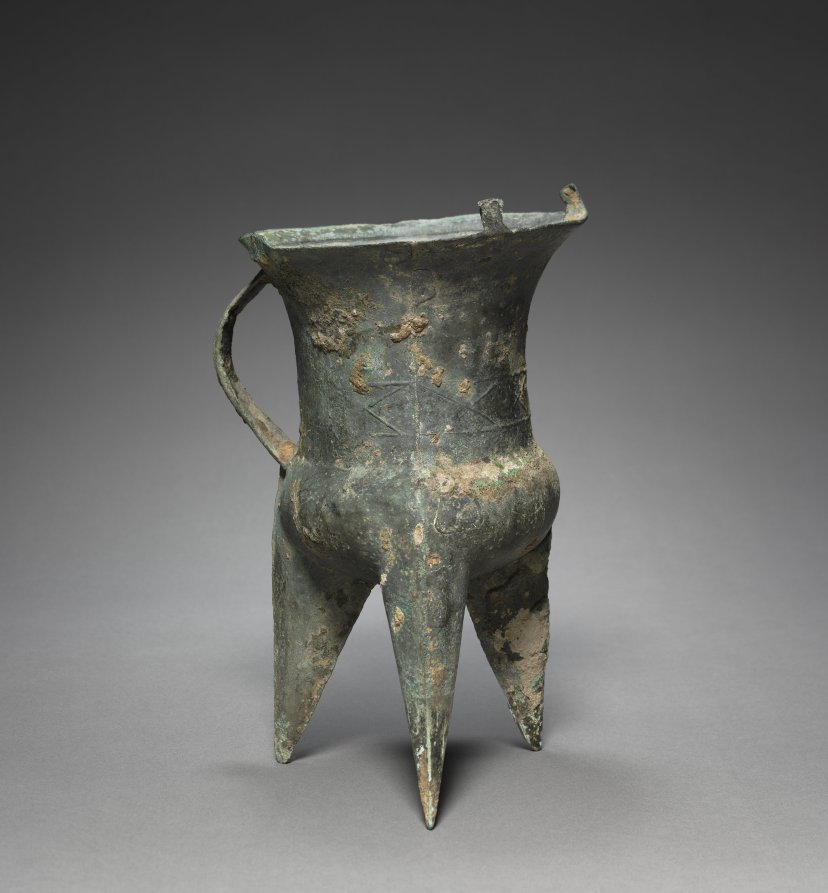
Wine Vessel (Jia)
Cleveland Museum of Art
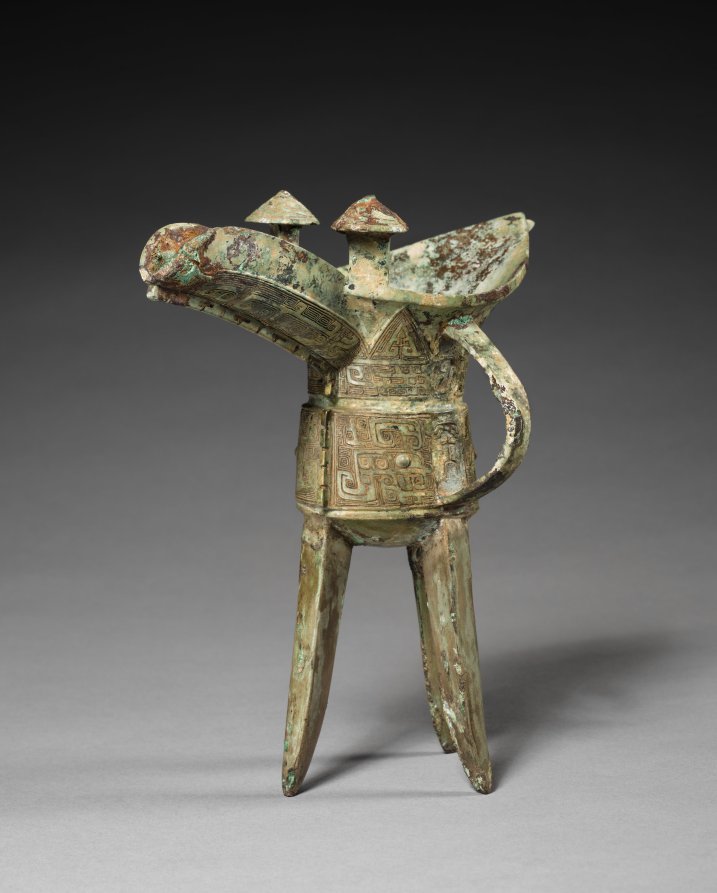
Wine Cups (Jue)
Cleveland Museum of Art

Jue wine vessel
Minneapolis Institute of Art
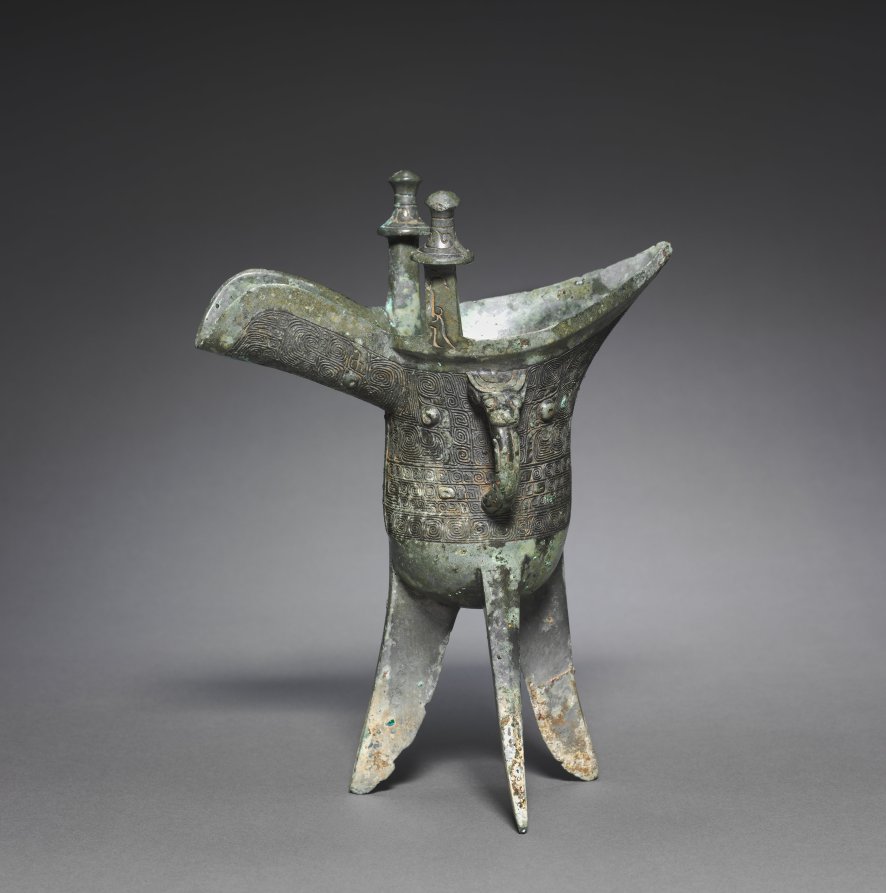
Wine vessel (Jue)
Cleveland Museum of Art

Jue libation vessel
Minneapolis Institute of Art
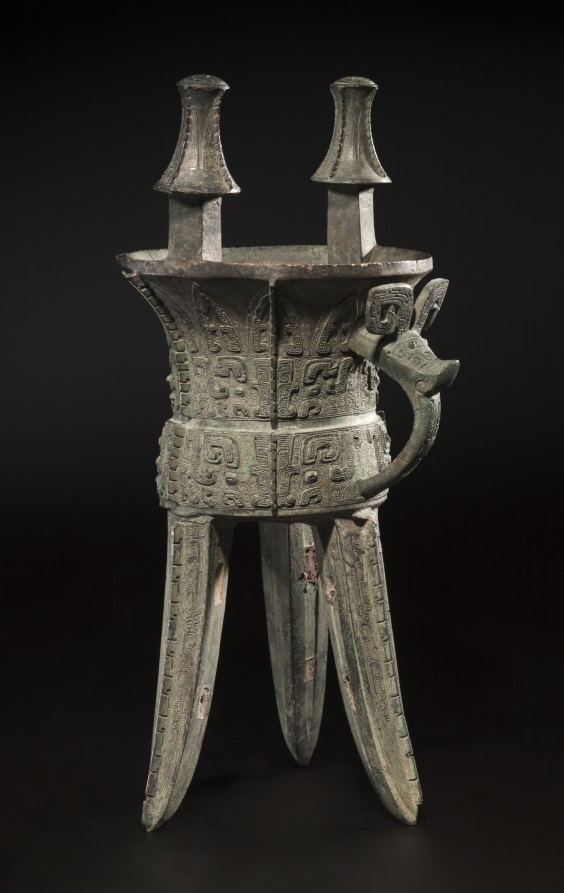
Wine Vessel (Jia)
Cleveland Museum of Art

Jue wine vessel
Minneapolis Institute of Art

Jia wine vessel
Minneapolis Institute of Art
Square Wine Container (Fangyou)
Cleveland Museum of Art

You wine vessel
Minneapolis Institute of Art

Jia wine vessel
Minneapolis Institute of Art

You wine vessel
Minneapolis Institute of Art