Art Institute of Chicago
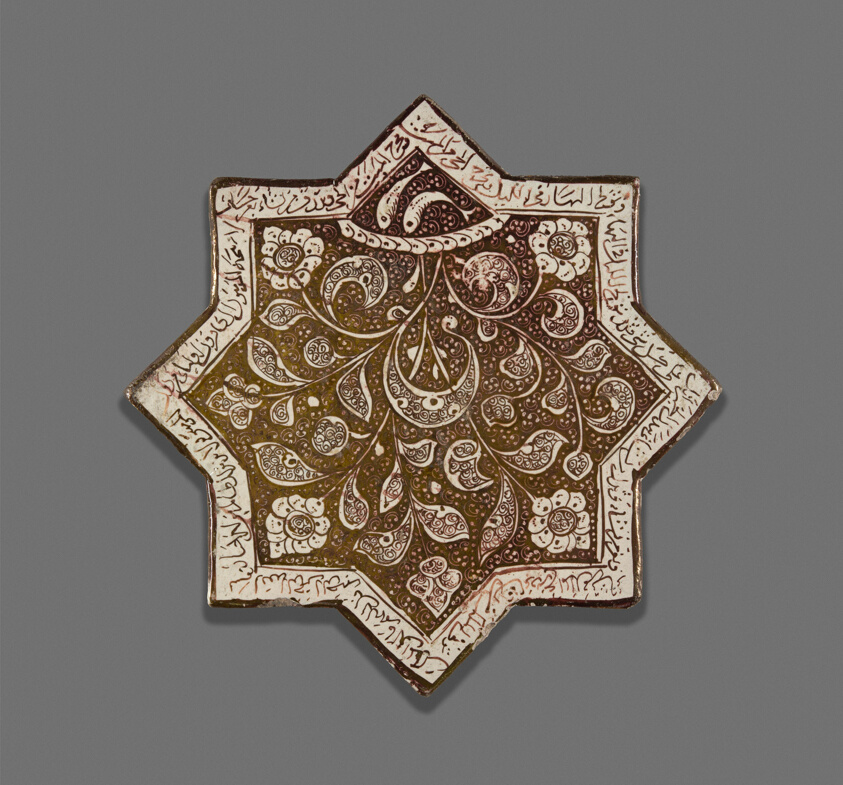
Star-Shaped Tile with Qur'anic Inscriptions
Iran
- Date
- Ilkhanid dynasty (1256–1353), Mid-13th century
- Medium
- Lusterware, fritware painted in lustre over an opaque white glaze
- Culture
- Iran
- Department
- Arts of Asia
- Institution
- Art Institute of Chicago
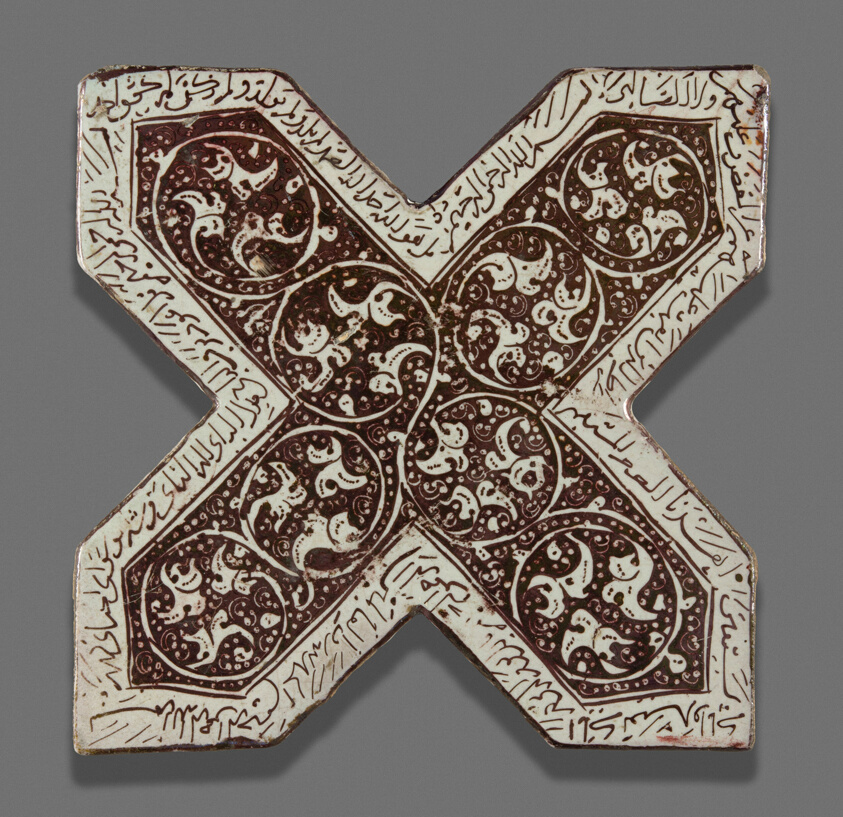
These star and cross-shaped luster tiles were originally part of the dado (lower part of the wall) decoration of the mausoleum of a holy man in Varamin, Iran. Tiles in these two shapes were fitted together to form a continuous panel of decoration. Appropriate for a religious context, each tile features vegetal patterns framed by Qur'anic inscription and is devoid of figural representation.These tiles belong to a larger group of about 150 luster-painted tiles attributed to the mausoleum in Varamin. All 150 tiles are either star or cross-shaped, and they share many typological affinities, such as the use of rich brown luster, the inclusion of Qur’anic scripts, and the predominant appearance of vegetal motifs and arabesques. By the end of the 19th century, all tiles had been removed from the mausoleum by European collectors.
The authoritative record is held by Art Institute of Chicago. LinkedCulture surfaces this object and its connections; it does not alter institutional metadata.
Linked open data
Authority identifiers that link this record into the wider web of cultural data — stable references you can follow to the source.
- Object type
- AAT300190691
Related across collections
Semantically similar works from Art Institute of Chicago and other institutions.
Cross-Shaped Tile with Qur'anic Inscriptions
Art Institute of Chicago
Star-Shaped Tile
Art Institute of Chicago
Wall Tile
Cleveland Museum of Art

Painted tile with Qur’anic inscriptions, likely from a mosque or tomb, one of a pair
Minneapolis Institute of Art
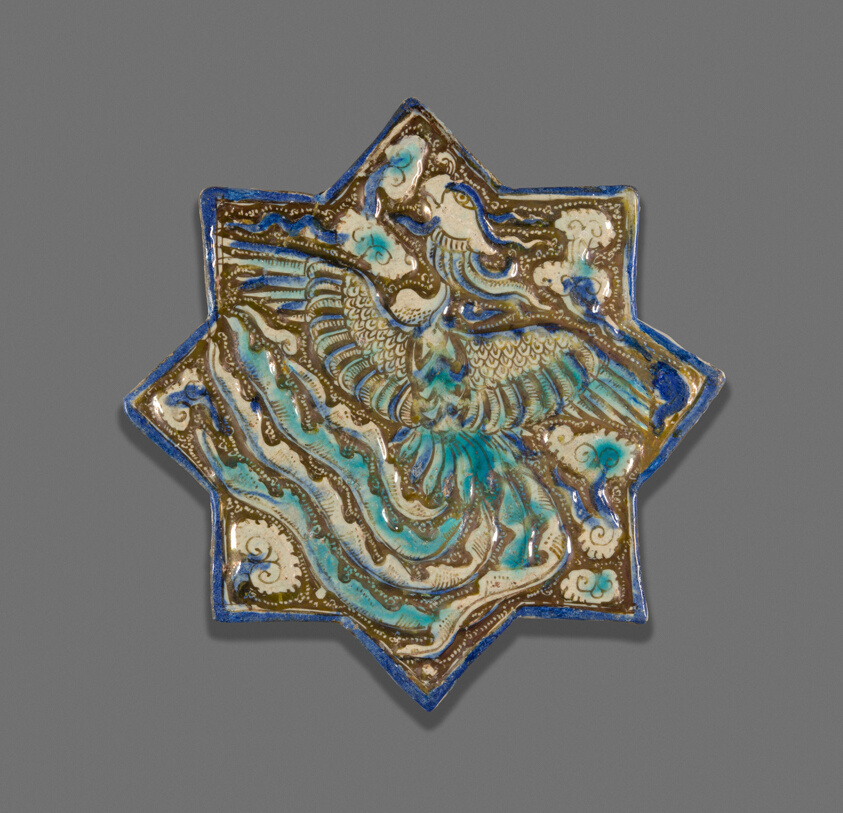
Star-Shaped Tile with Phoenix
Art Institute of Chicago
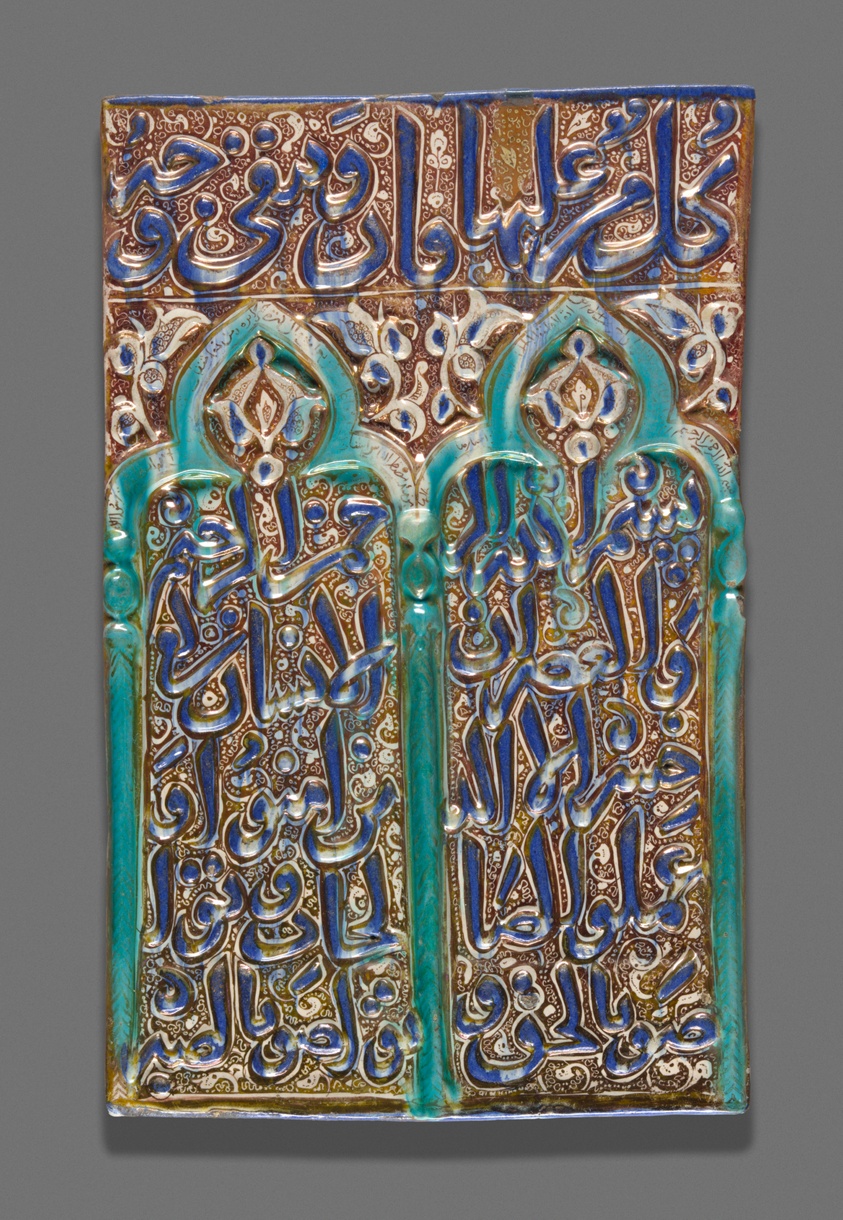
Tile with a Double-Arched Prayer Niche (Mihrab)
Art Institute of Chicago
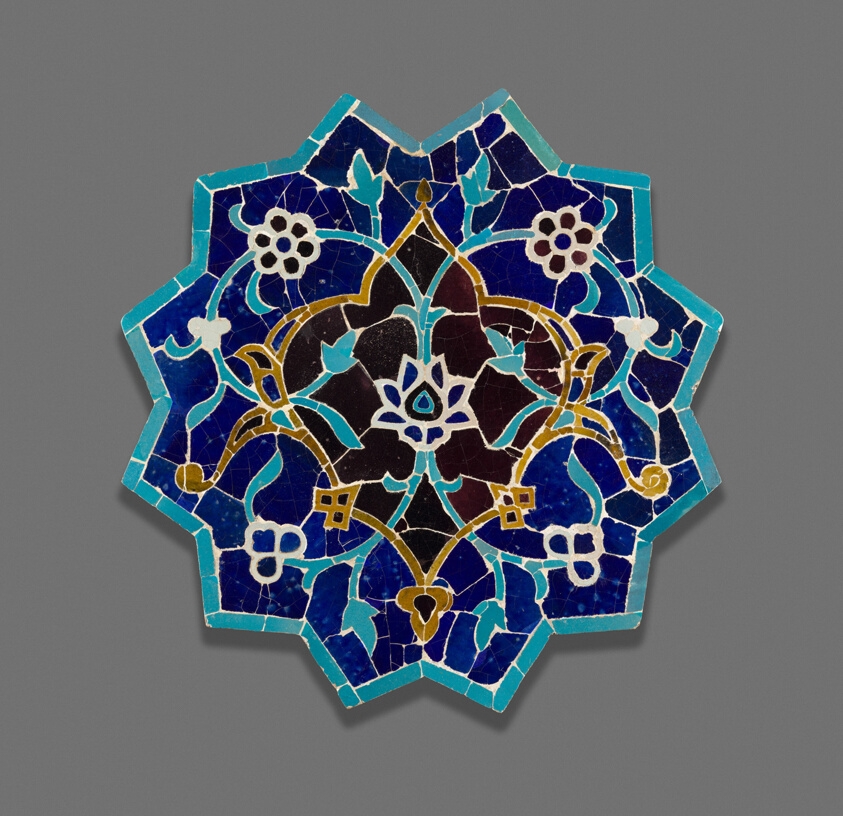
Twelve-Point Star Tile
Art Institute of Chicago
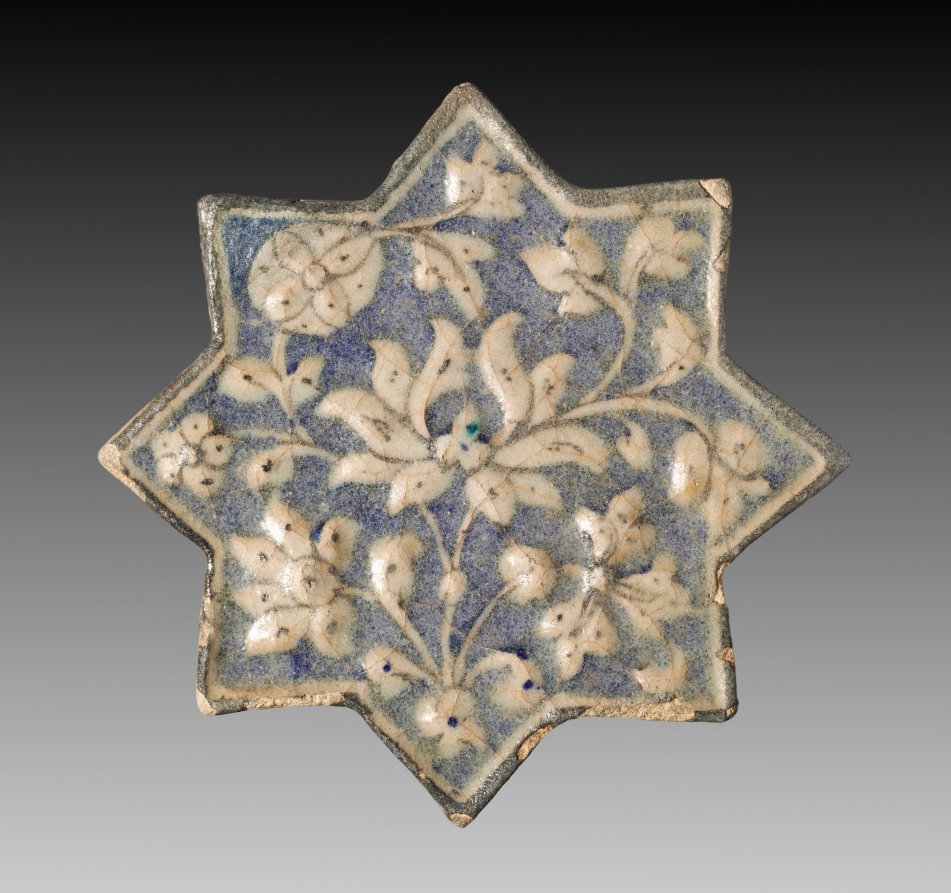
Wall Tile with Lotus Blossom
Cleveland Museum of Art
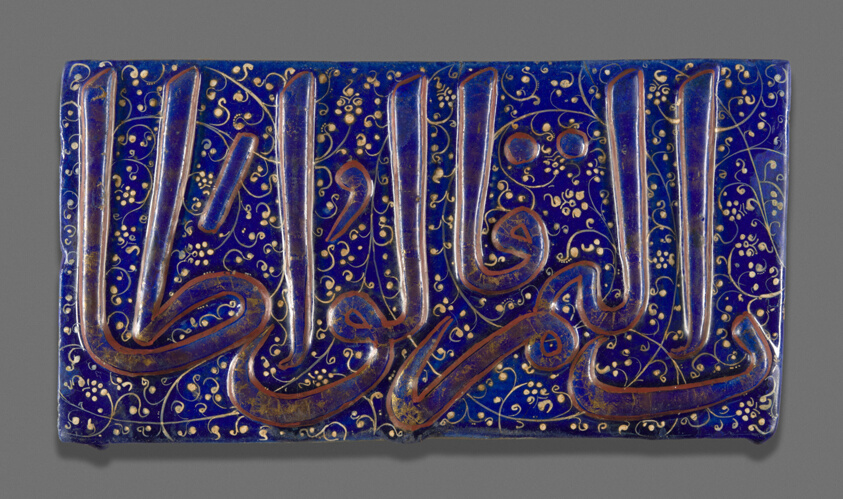
Tile with Qur'anic Inscription
Art Institute of Chicago

Painted tile with Qur’anic inscriptions, likely from a mosque or tomb, one of a pair
Minneapolis Institute of Art
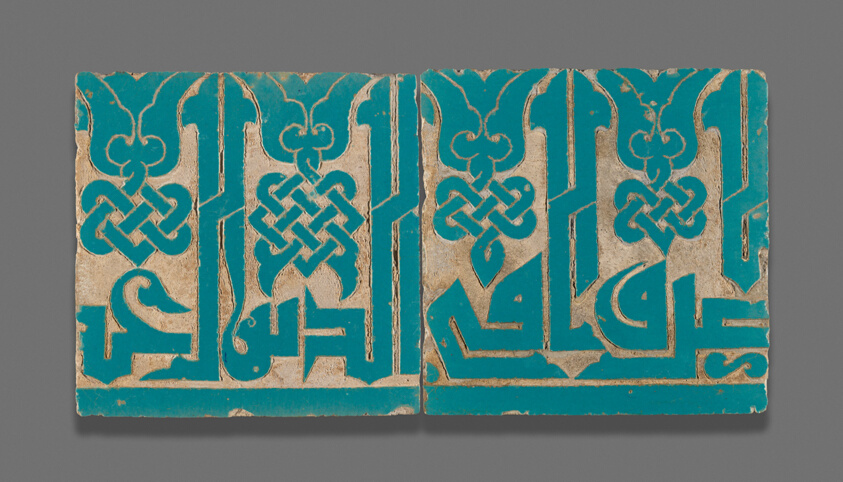
Tiles with a Qur'anic Inscription in Knotted-Style Calligraphy
Art Institute of Chicago
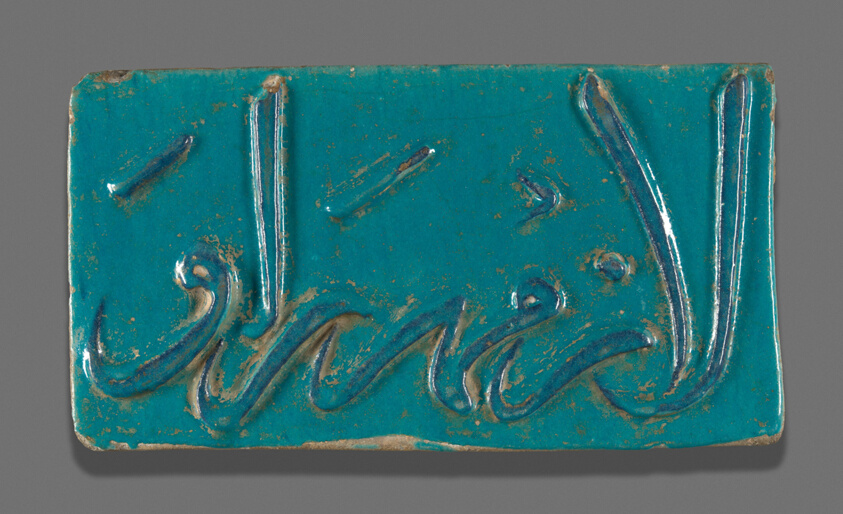
Tile with Pious Inscription
Art Institute of Chicago