Art Institute of Chicago
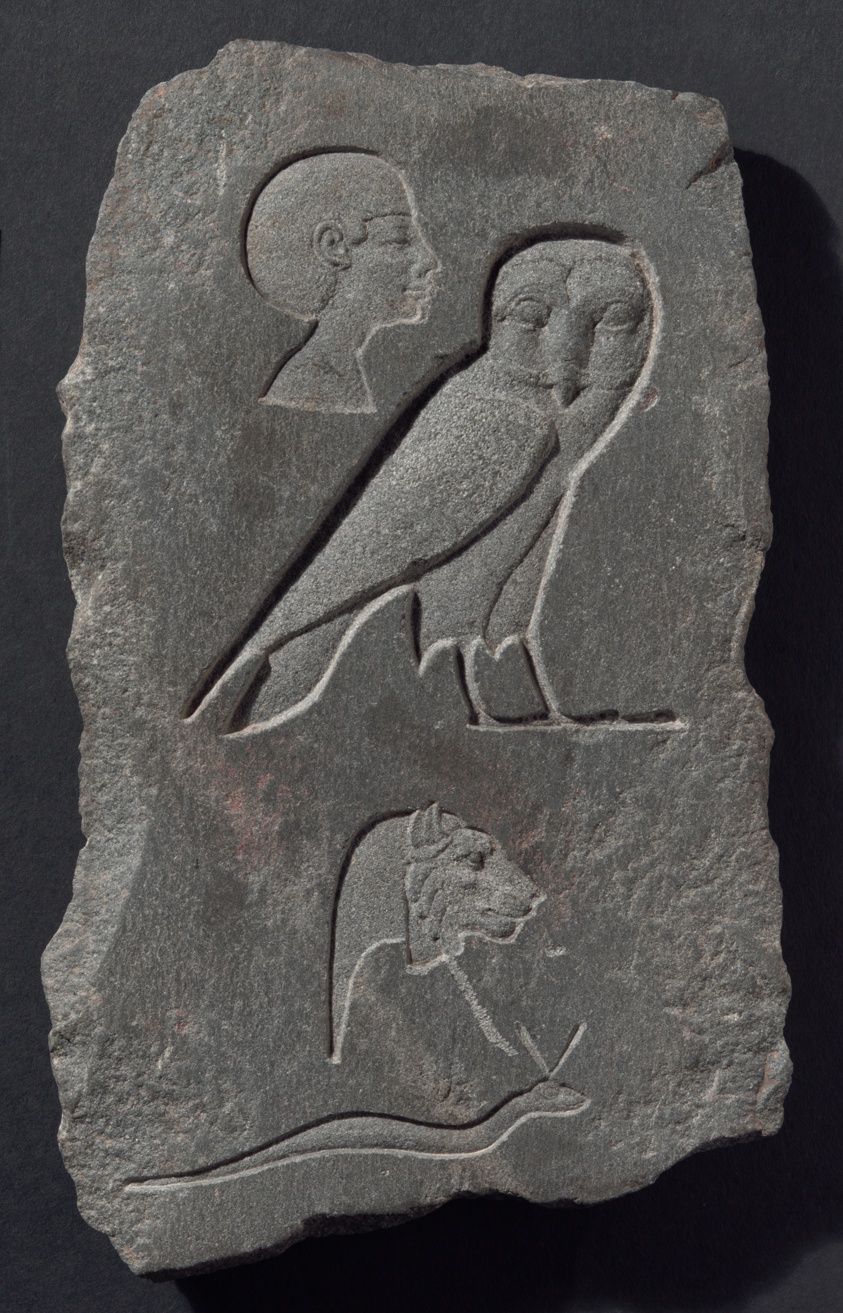
Trial Piece with Hieroglyphs
Egyptian
- Date
- Early Ptolemaic Period, about 300 BCE
- Medium
- Granite
- Culture
- Egypt
- Department
- Arts of Africa
- Institution
- Art Institute of Chicago
Artists used stone remnants left over from larger works to practice carving hieroglyphic signs and decorative elements. Here, the profiles of a man and a feline deity may be studies for larger works. Two hieroglyphs also appear on the thin slab. First used around 3000 BCE, ancient Egyptian hieroglyphs used images to convey sounds and meaning in writing. The undulating horned viper at the bottom of this piece represents the sound f, while the large owl in the center has the phonetic value m.
The authoritative record is held by Art Institute of Chicago. LinkedCulture surfaces this object and its connections; it does not alter institutional metadata.
Related across collections
Semantically similar works from Art Institute of Chicago and other institutions.
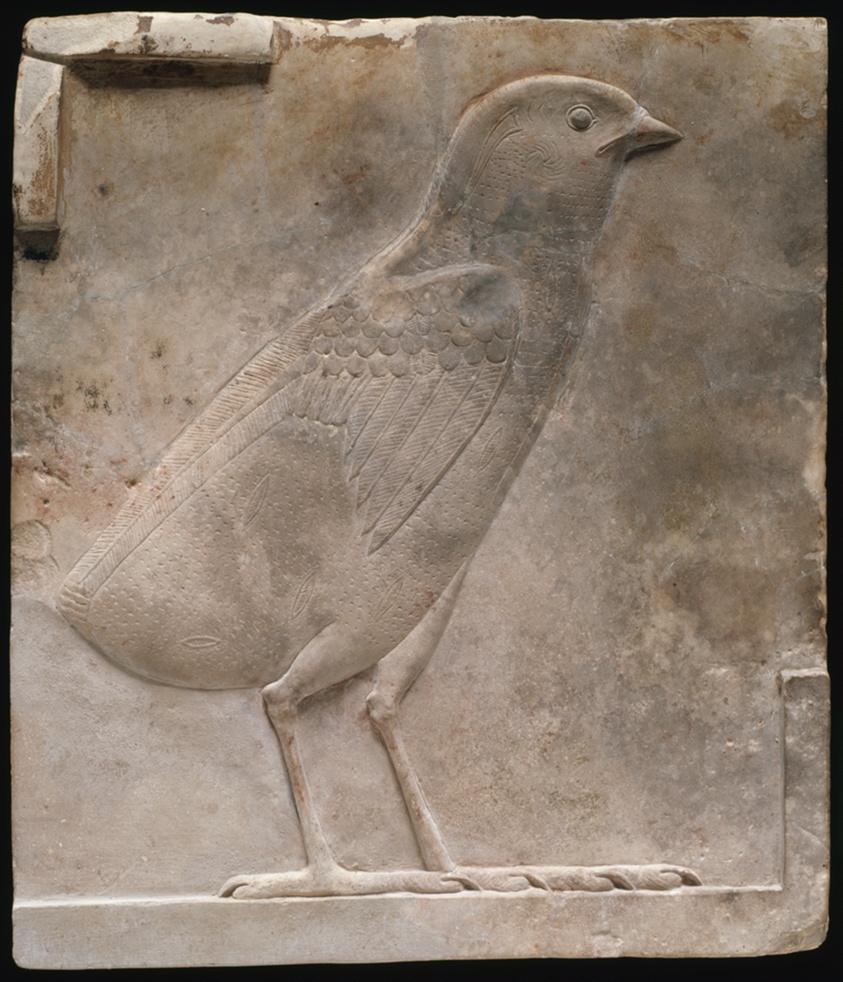
Plaque Depicting a Quail Chick
Art Institute of Chicago
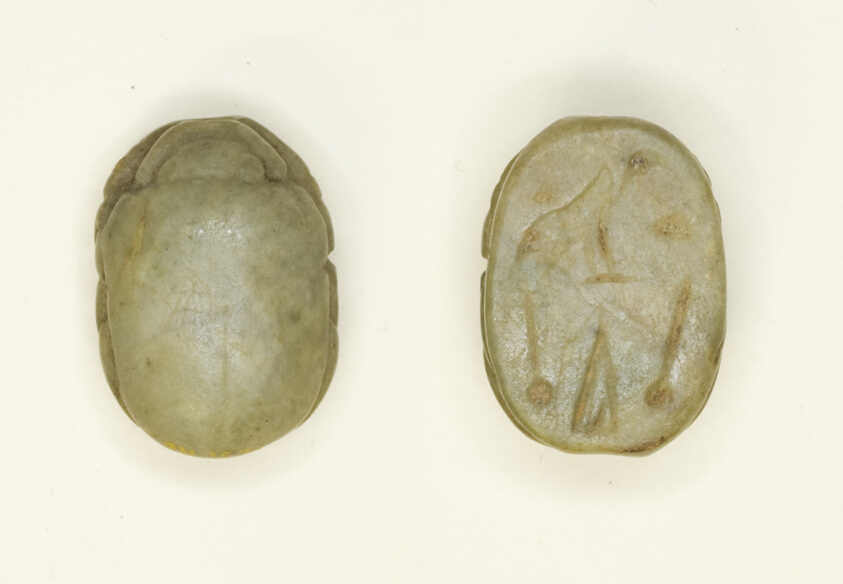
Scarab: Hieroglyphs (mwt-sign, nfr-signs, di-sign)
Art Institute of Chicago
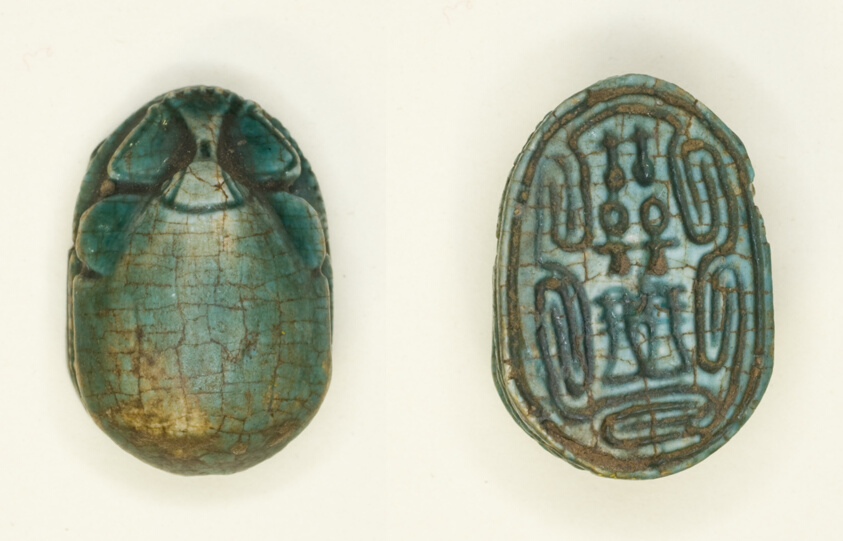
Scarab: Hieroglyphs (nfr-signs, anx-signs, Dd-signs)
Art Institute of Chicago
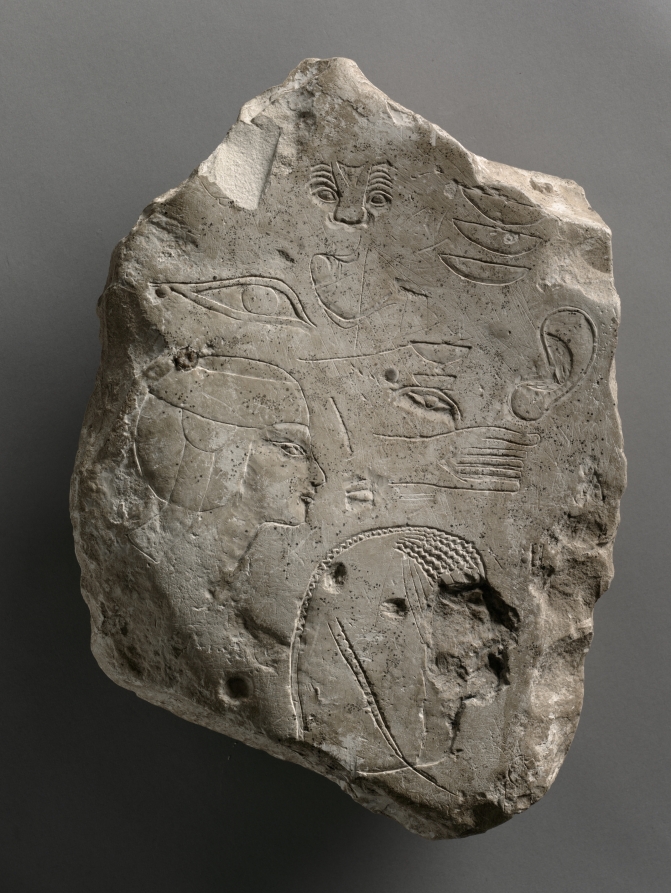
Trial Piece Worked on Both Sides
Cleveland Museum of Art
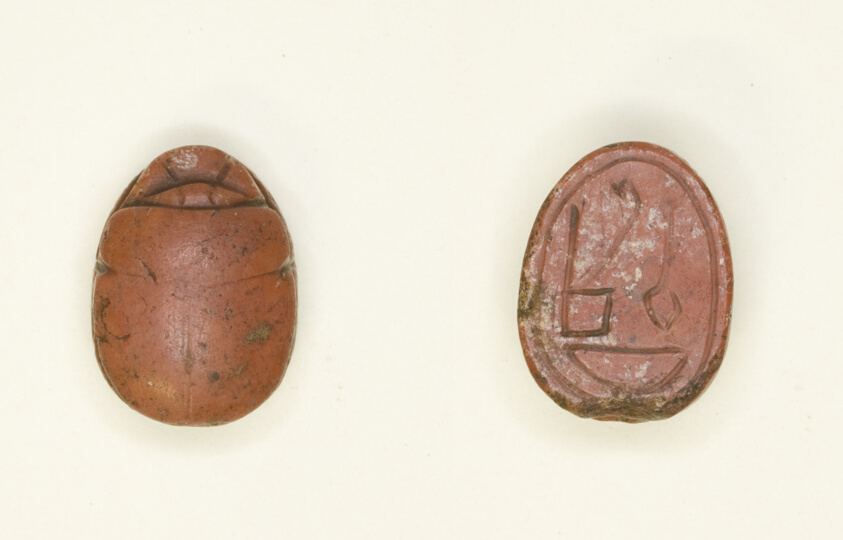
Scarab: Hieroglyphs (Red Crown, nfr- and nb-Signs: Trigramme of Amun)
Art Institute of Chicago
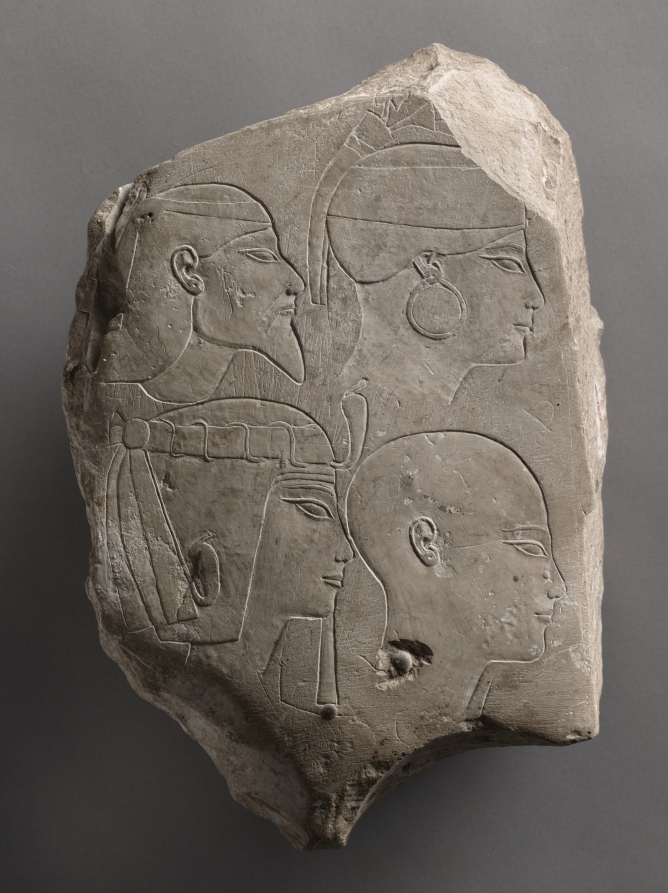
Trial Piece Worked on Both Sides
Cleveland Museum of Art
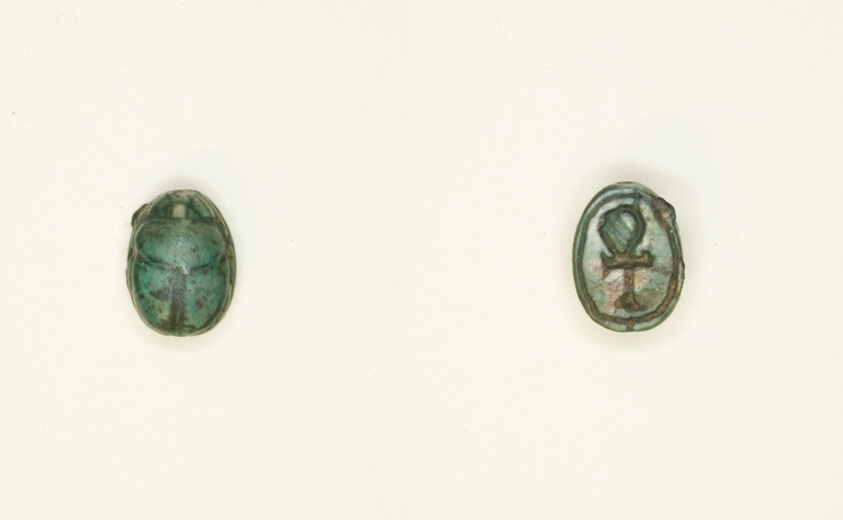
Scarab: Hieroglyph (Ankh Sign)
Art Institute of Chicago
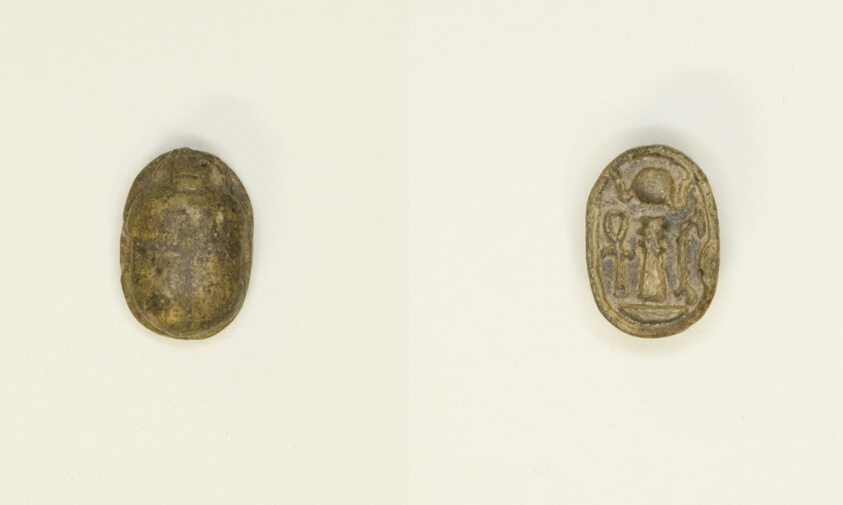
Scarab: Hieroglyphs (wAs-sign, Dd-sign, anx-sign)
Art Institute of Chicago
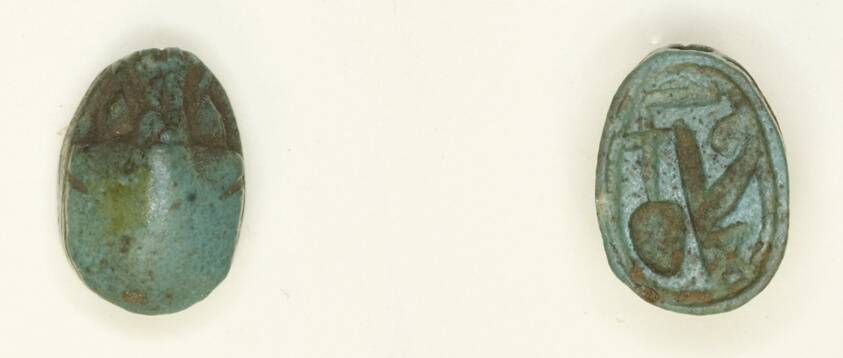
Scarab: Hieroglyphs (Red Crown, nfr- and nb-Signs: Trigramme of Amun)
Art Institute of Chicago
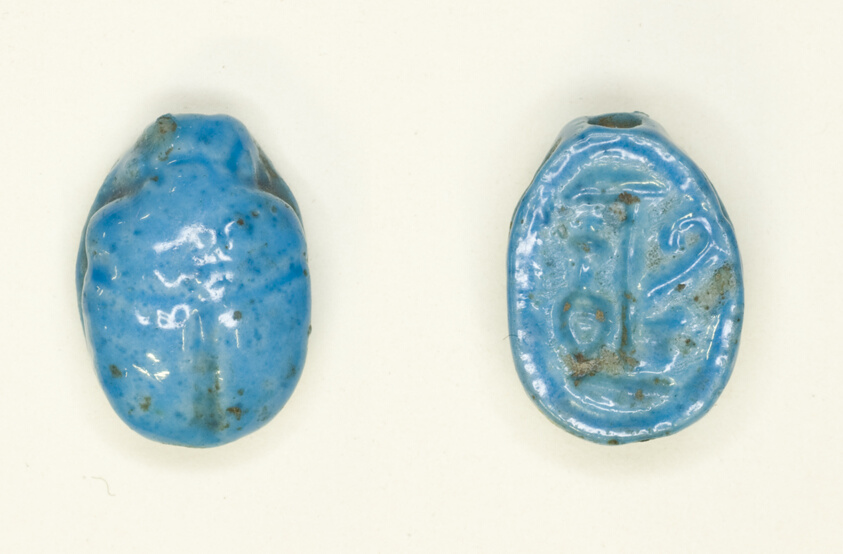
Scarab: Hieroglyphs (Red Crown, nfr- and nb-Signs: Trigramme of Amun)
Art Institute of Chicago
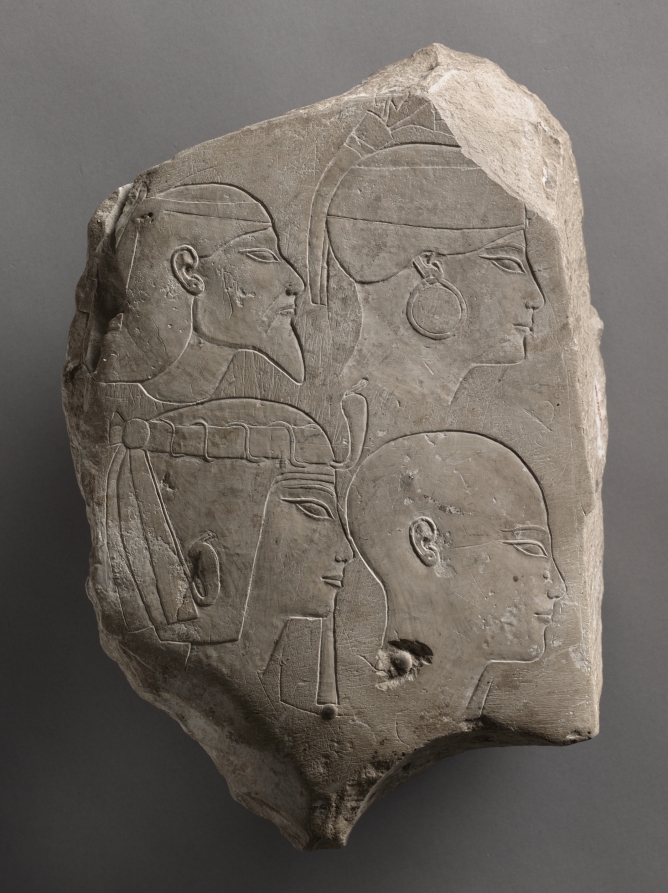
Trial Piece Worked on Both Sides
Cleveland Museum of Art
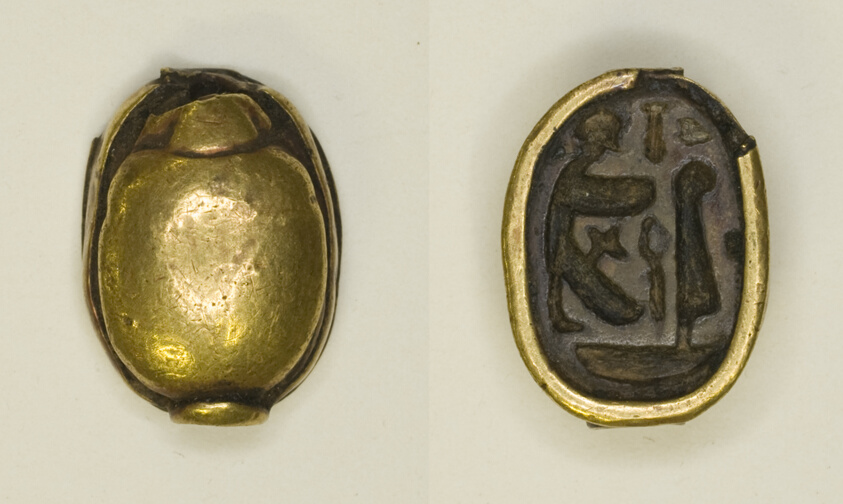
Scarab: Hieroglyphs and Figures (Re-Harakhti, nb- and ma'at signs)
Art Institute of Chicago