Art Institute of Chicago
Lekythos (Oil Jar)
Attributed to the Reed Painter
- Date
- 410-400 BCE
- Medium
- terracotta, white-ground
- Culture
- Athens
- Department
- Arts of Greece, Rome, and Byzantium
- Institution
- Art Institute of Chicago
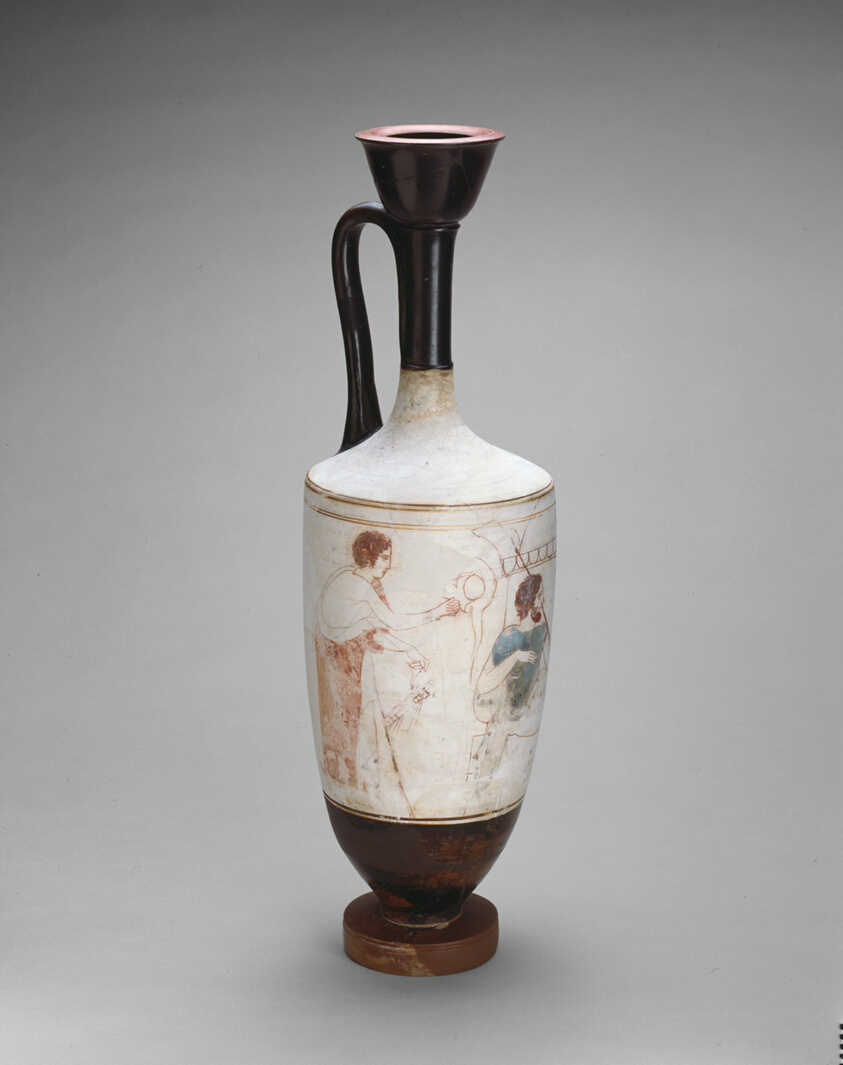
Athenian cemeteries housed a variety of monuments and offerings to the dead. Examples include the marble tombstones and terracotta vessels, like this object. This vase, called a lekythos, held oil. From the middle until the end of the fifth century BC, they were usually decorated in a distinctive technique known as white ground, so called after the light slip coating on the body and shoulder of the vase. Atop this, figures were usually drawn in outline and then painted in rich colors, many of which have since faded. Since most of these bottles were made for burial with the dead or to be left at their graves, the scenes on their surfaces typically represent tombs, visitors to tombs, and farewell scenes. A brown-haired, bearded man, his upper body covered with a blue garment, sits before a tomb. Behind him, a solemn youth is wrapped in a dark-orange himation, or mantle, and leans on a walking stick as he proffers a crested helmet to the man with his right hand. A scabbard is suspended from his left hand. Standing on the far side is the partially preserved figure of a red-haired woman wearing a chiton, or floor-length garment, that is orange-brown from her bust down with remains of vertical blue lines on the skirt. She holds a basket on her left shoulder.
The authoritative record is held by Art Institute of Chicago. LinkedCulture surfaces this object and its connections; it does not alter institutional metadata.
Linked open data
Authority identifiers that link this record into the wider web of cultural data — stable references you can follow to the source.
- Object type
- AAT300234126
Related across collections
Semantically similar works from Art Institute of Chicago and other institutions.
Lekythos (Oil Jar)
Art Institute of Chicago
Lekythos (Oil Jar)
Art Institute of Chicago

White-Ground Lekythos
Getty Museum
White-Ground Lekythos (Oil Vessel): Mourners at Tomb
Cleveland Museum of Art

Attic White-Ground Lekythos
Getty Museum

Attic White-ground Lekythos
Getty Museum

Attic White-Ground Lekythos
Getty Museum
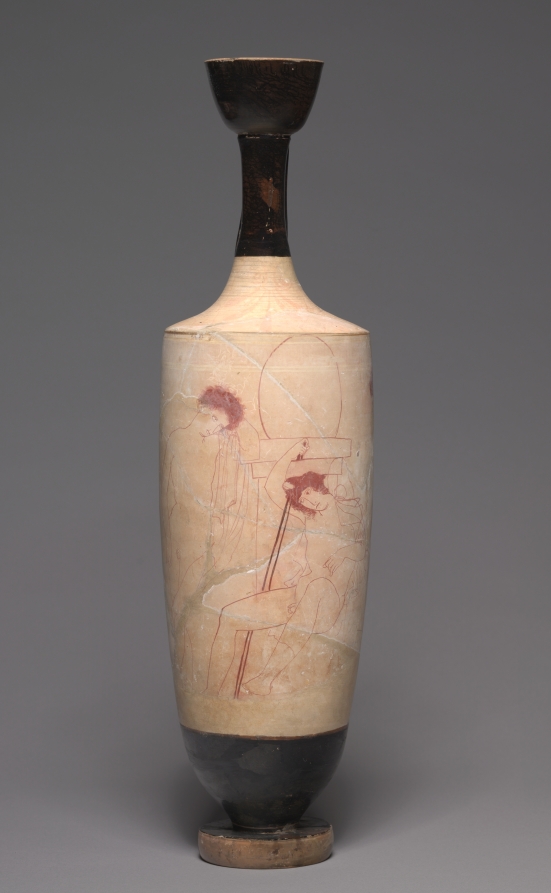
White-Ground Lekythos (Oil Vessel): Youths at Tomb
Cleveland Museum of Art
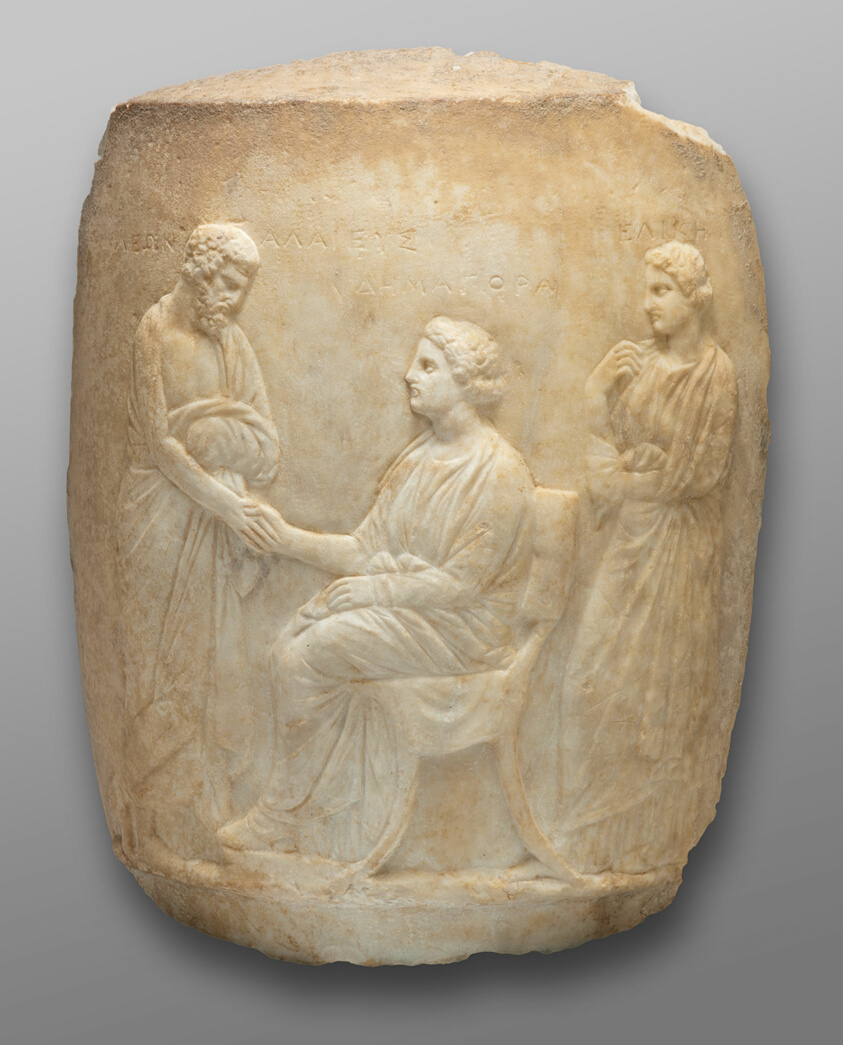
Fragment of a Funerary Lekythos (Monument in the Shape of an Oil Jar)
Art Institute of Chicago

Funerary Lekythos
Getty Museum
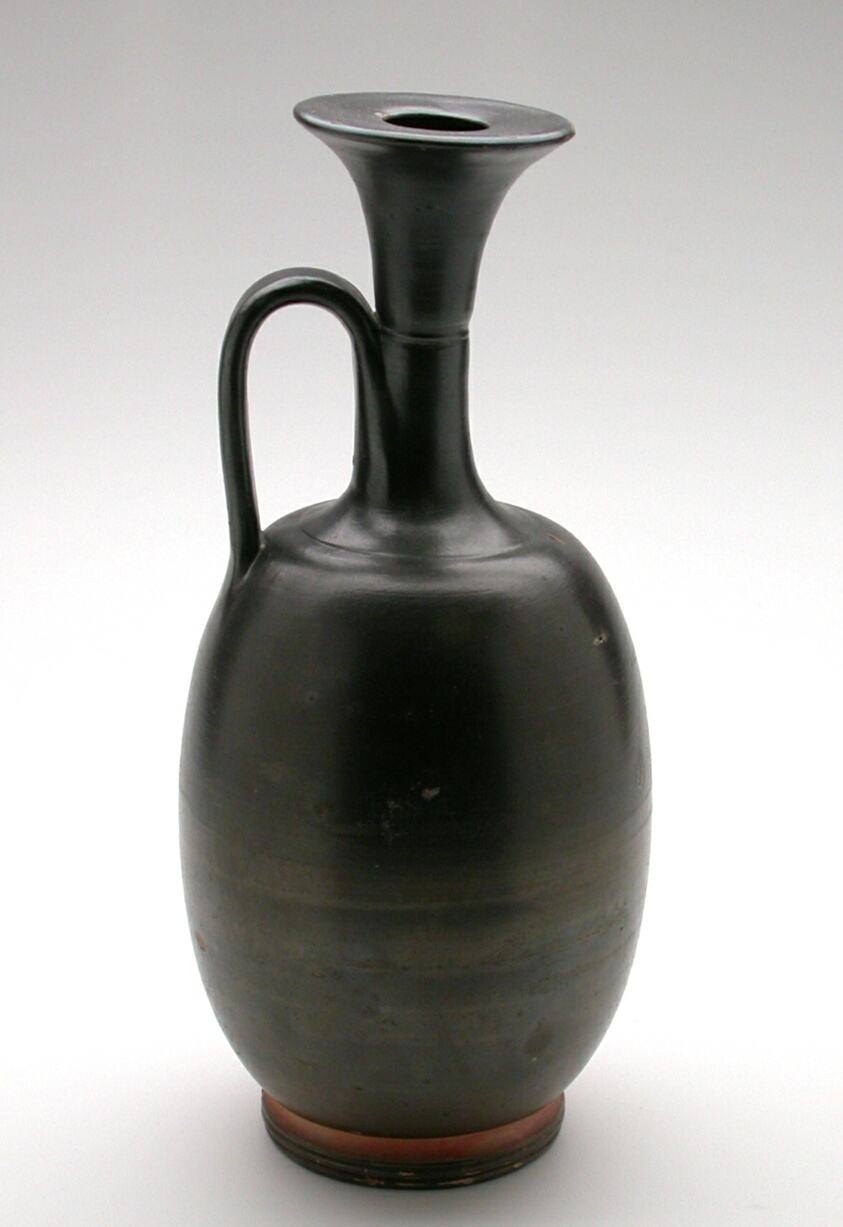
Lekythos (Oil Jar)
Art Institute of Chicago
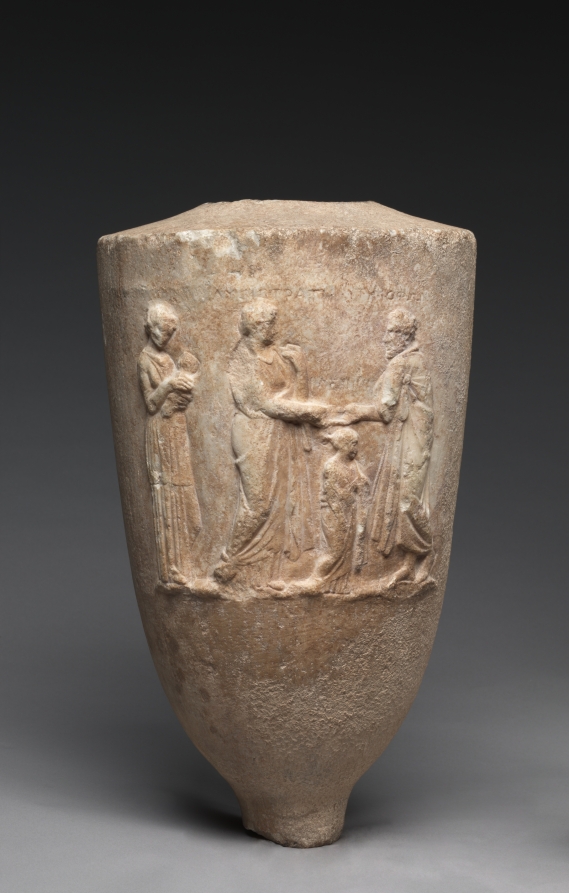
Gravestone in the Form of a Lekythos
Cleveland Museum of Art