
Cleveland Museum of Art
Book of the Dead of Hori
- Date
- c. 1069–945 BCE
- Medium
- papyrus
- Culture
- Egypt, Third Intermediate (1069–715 BCE), Dynasty 21
- Department
- Egyptian and Ancient Near Eastern Art
- Institution
- Cleveland Museum of Art
The Egyptian Book of the Dead--or as they called it, the Book of Going Forth By Day--was not a single, unified, and authoritative manuscript, but a handful of special spells selected from a pool of about 200 age-old magical formulae. This illustrated Book of the Dead inscribed for the priest Hori includes the so-called Book of Gates. There are sixteen gates through which Hori must pass, each guarded by a fierce, animal-headed, knife-brandishing monster. Among them are "The Mistress of Wrath," "The Fiery One," and the "Long-Horned Bull." To reach the afterlife, Hori must present the gate-keepers with a series of secret passwords provided for him in the papyrus. At the far right, we see Hori, who having completed his task, is now reborn.
The authoritative record is held by Cleveland Museum of Art. LinkedCulture surfaces this object and its connections; it does not alter institutional metadata.
Related across collections
Semantically similar works from Cleveland Museum of Art and other institutions.

Book of the Dead of the Priest of Horus, Imhotep (Imuthes)
The Metropolitan Museum of Art
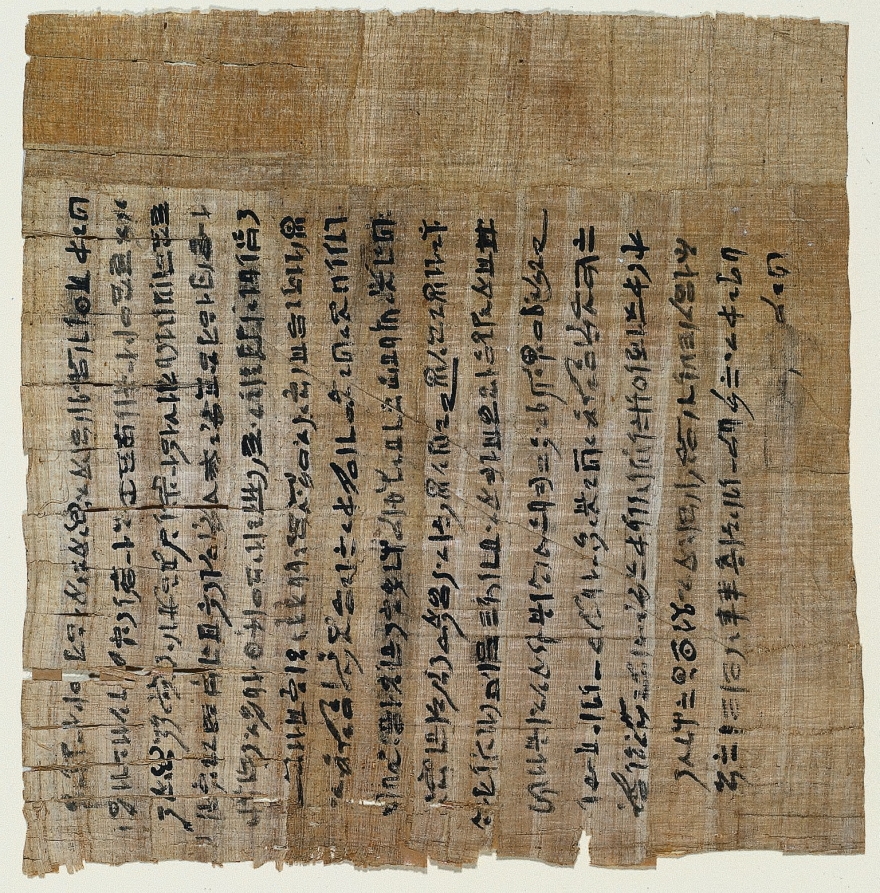
Book of the Dead of Buiruhar(mut)
Cleveland Museum of Art

Hours of Queen Isabella the Catholic, Queen of Spain: Fol. 218v, Office of the Dead
Cleveland Museum of Art
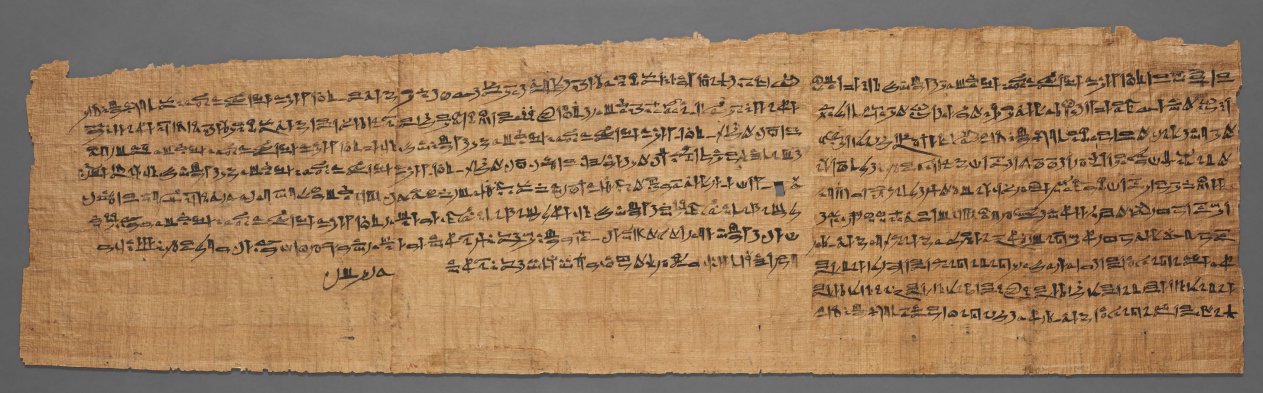
Book of the Dead of Bakenmut
Cleveland Museum of Art
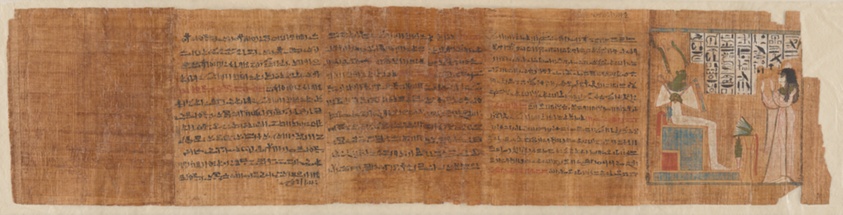
Funerary Papyrus of Tayuhenutmut
Art Institute of Chicago
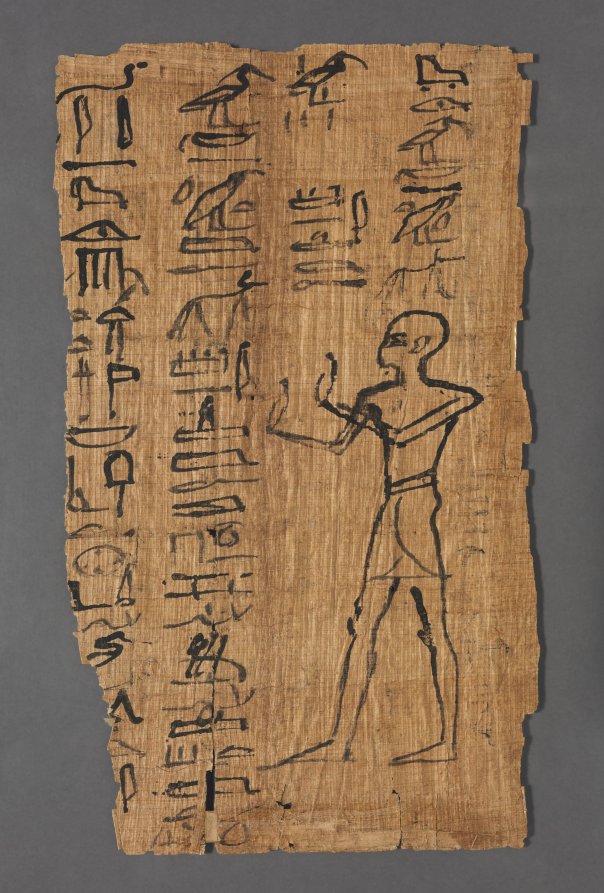
Vignette of the Book of the Dead of Bakenmut
Cleveland Museum of Art
Livre des Morts
Joconde

Tobit Burying the Dead
Minneapolis Institute of Art
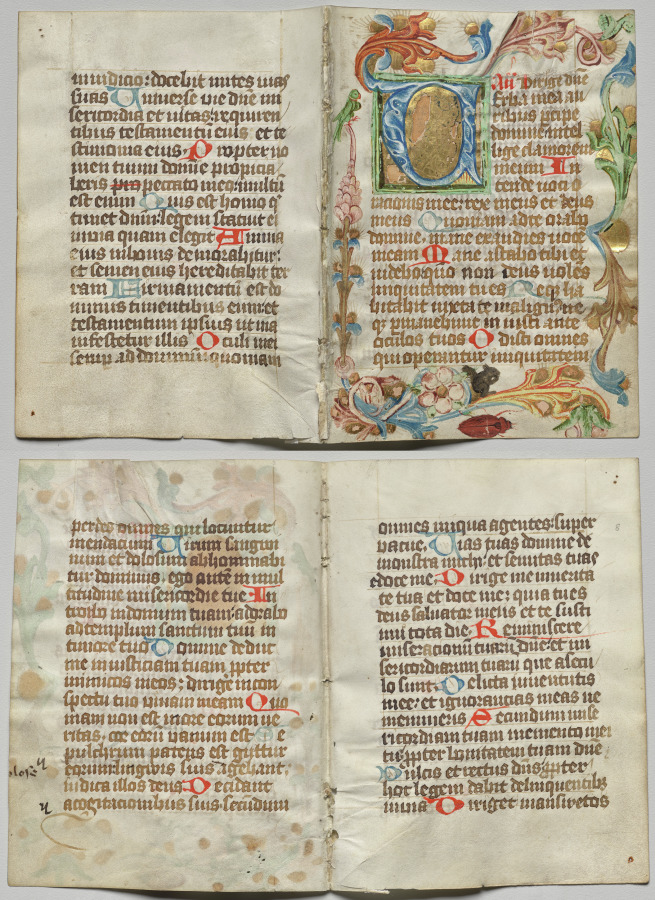
Bifolio from a Book of Hours: Initial V with Floral Border (recto); Text (verso)
Cleveland Museum of Art

Page from the Koran
Minneapolis Institute of Art

The Death of Sennacherib
Getty Museum
Livre des Morts, fragment
Joconde