Art Institute of Chicago
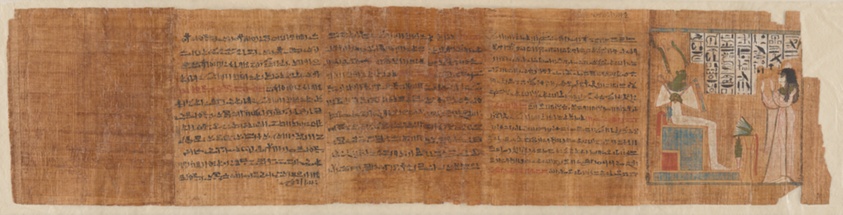
Funerary Papyrus of Tayuhenutmut
Egyptian; probably Thebes (now Luxor), Egypt
- Date
- Third Intermediate Period, probably Dynasty 21 (about 1069-945 BCE)
- Medium
- Papyrus and pigment
- Culture
- Egypt
- Department
- Arts of Africa
- Institution
- Art Institute of Chicago
Potent symbols, sacred words, and divine protection helped ancient Egyptians transition from the earthly realm to an eternal existence. Interactions between mortals and the gods were depicted on funerary objects including papyri, like this example made for temple singer Tayu-henut-Mut (“the mistress of [the goddess] Mut”). This papyrus shows Tayu-henut-Mut standing with raised hands before an offering table, praising the enthroned god Osiris, ruler of the afterlife. Behind Osiris a scribe has carefully copied spells from the Book of Going Forth by Day. First appearing during the New Kingdom (about 1550 BCE), this religious text is better known today as the Book of the Dead, because scrolls were buried with their owners. Tayu-henut-Mut’s copy includes five spells selected from nearly 200 known options to aid in her journey to eternity, including one for “causing a man to remember his name.” Egyptians believed that one would cease to exist in the afterlife if their name was forgotten or no longer spoken among the living.
The authoritative record is held by Art Institute of Chicago. LinkedCulture surfaces this object and its connections; it does not alter institutional metadata.
Related across collections
Semantically similar works from Art Institute of Chicago and other institutions.

Funerary papyrus
Minneapolis Institute of Art

Book of the Dead of Hori
Cleveland Museum of Art
Livre des Morts
Joconde
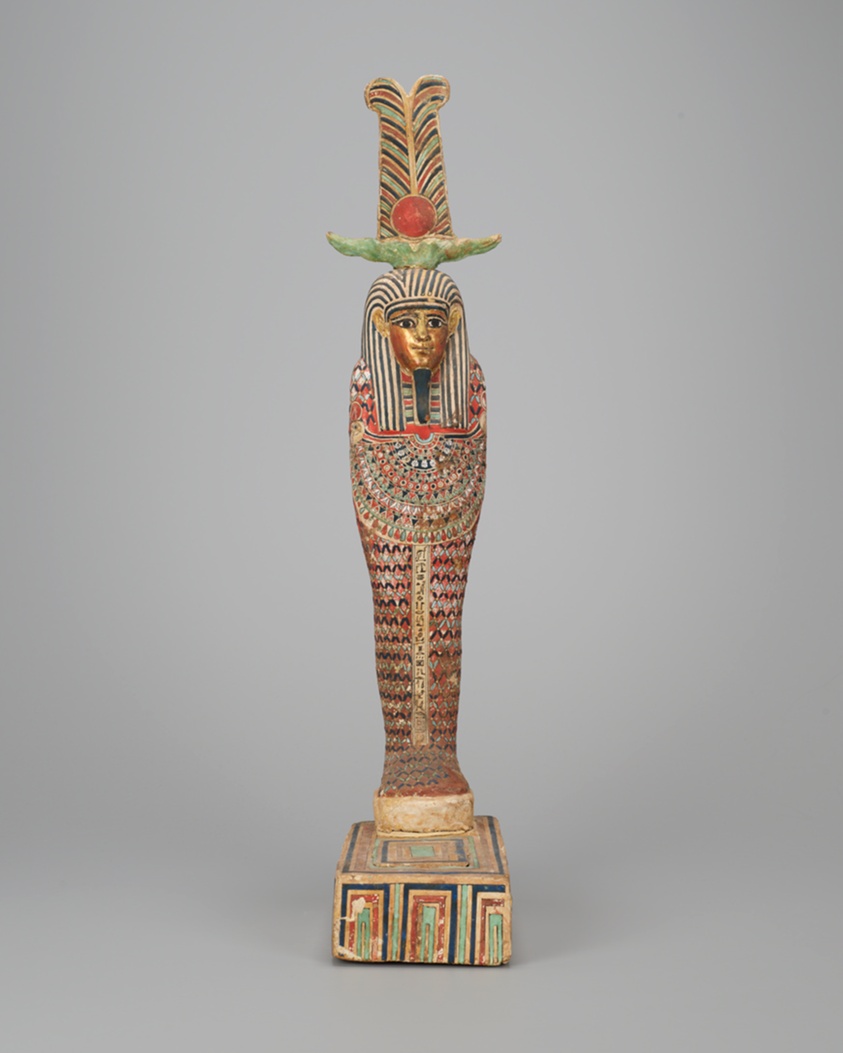
Statue of Ptah-Sokar-Osiris
Art Institute of Chicago
Livre des Morts, fragment
Joconde
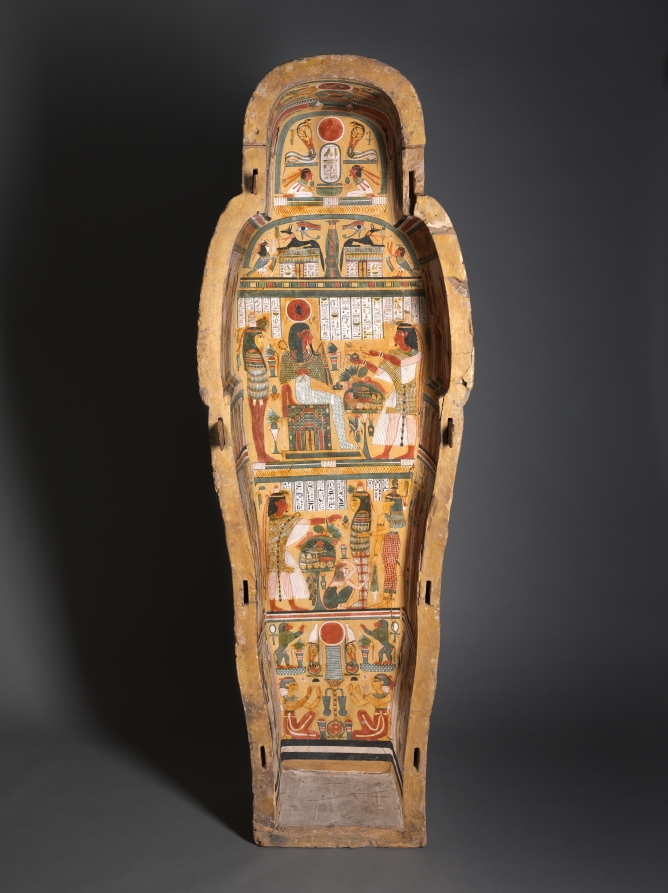
Coffin of Nesykhonsu
Cleveland Museum of Art
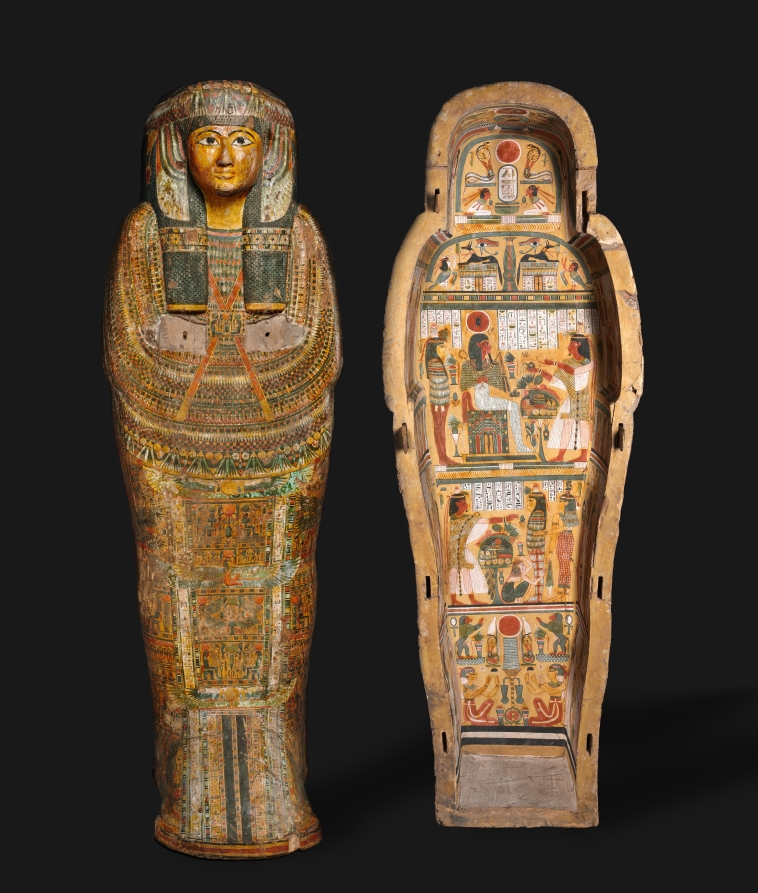
Coffin of Nesykhonsu
Cleveland Museum of Art
Book of the Dead of Buiruhar(mut)
Cleveland Museum of Art
Book of the Dead of Bakenmut
Cleveland Museum of Art
Coffin and Mummy of Paankhaenamun
Art Institute of Chicago
Vignette of the Book of the Dead of Bakenmut
Cleveland Museum of Art
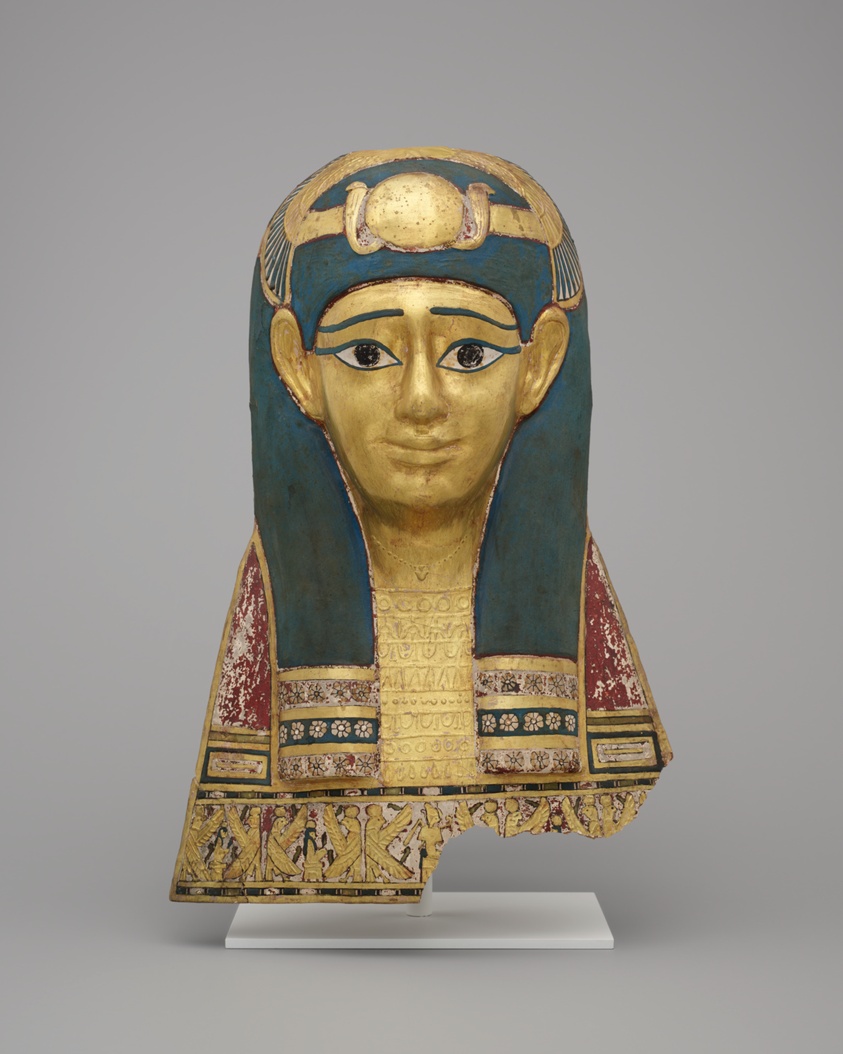
Funerary Mask
Art Institute of Chicago