Art Institute of Chicago
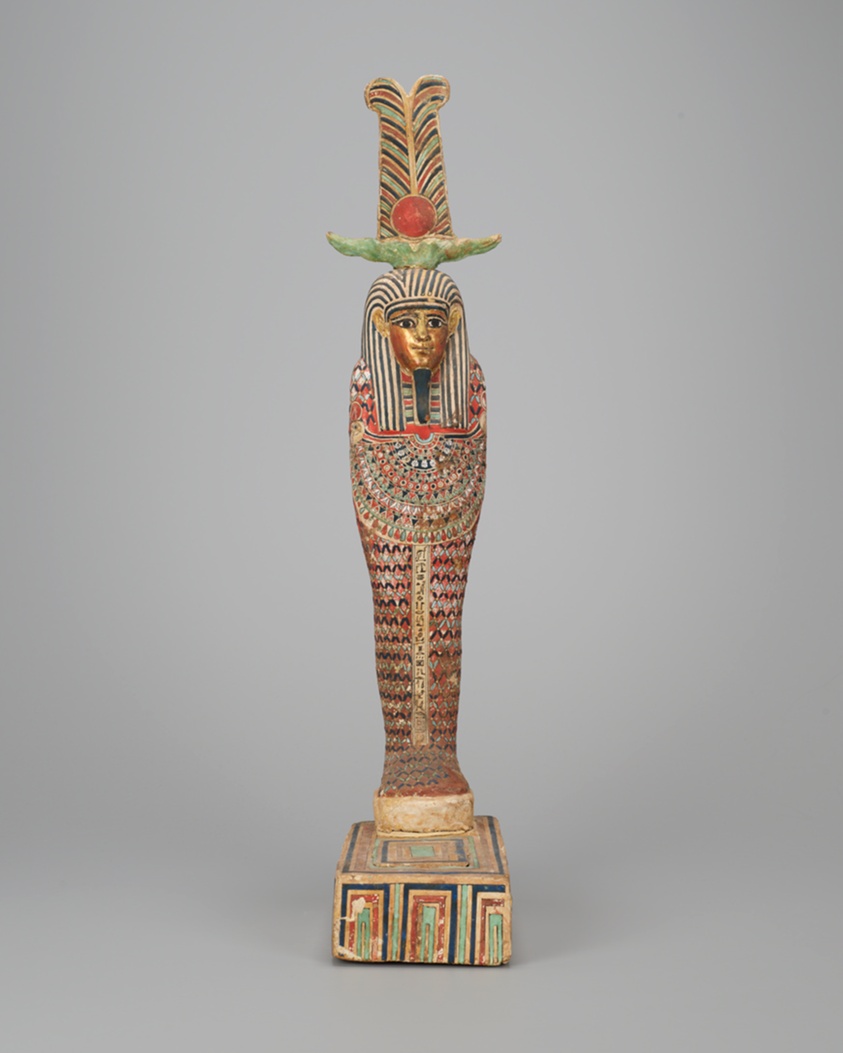
Statue of Ptah-Sokar-Osiris
Egyptian
- Date
- Ptolemaic Period (332–30 BCE)
- Medium
- Wood, preparation layer, pigment, gold, and textile
- Culture
- Egypt
- Department
- Arts of Africa
- Institution
- Art Institute of Chicago
Divine images, powerful symbols, and sacred words placed in the burial chamber with the deceased helped ancient Egyptians transition from the earthly realm to the afterlife. This funerary statue, owned by a woman named Asetirdis (“Isis is the one who gave her”), depicts the god Ptah-Sokar-Osiris. A composite of Ptah (a creator god), Sokar (the patron deity of the necropolis west of Memphis), and Osiris (the ruler of the underworld), Ptah-Sokar-Osiris’s purview encompassed all phases of life, including rebirth. Shown in a mummified form, his red wrappings are covered in an intricate net of beads painted in blue, black, and yellow. A cavity in the statue’s base was designed to hold a papyrus scroll inscribed with funerary texts or another sacred object to facilitate Asetirdis’s rebirth after death.
The authoritative record is held by Art Institute of Chicago. LinkedCulture surfaces this object and its connections; it does not alter institutional metadata.
Linked open data
Authority identifiers that link this record into the wider web of cultural data — stable references you can follow to the source.
- Object type
- AAT300301253
Related across collections
Semantically similar works from Art Institute of Chicago and other institutions.

Funerary papyrus
Minneapolis Institute of Art
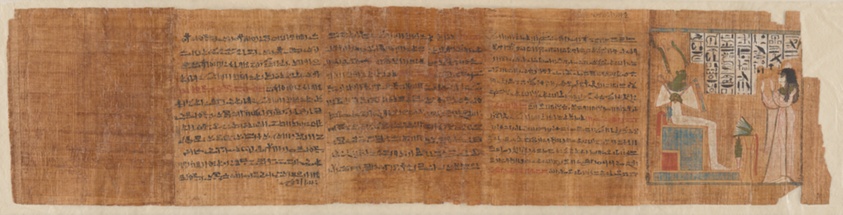
Funerary Papyrus of Tayuhenutmut
Art Institute of Chicago
Osiris
Joconde
Osiris
Joconde
Osiris
Joconde
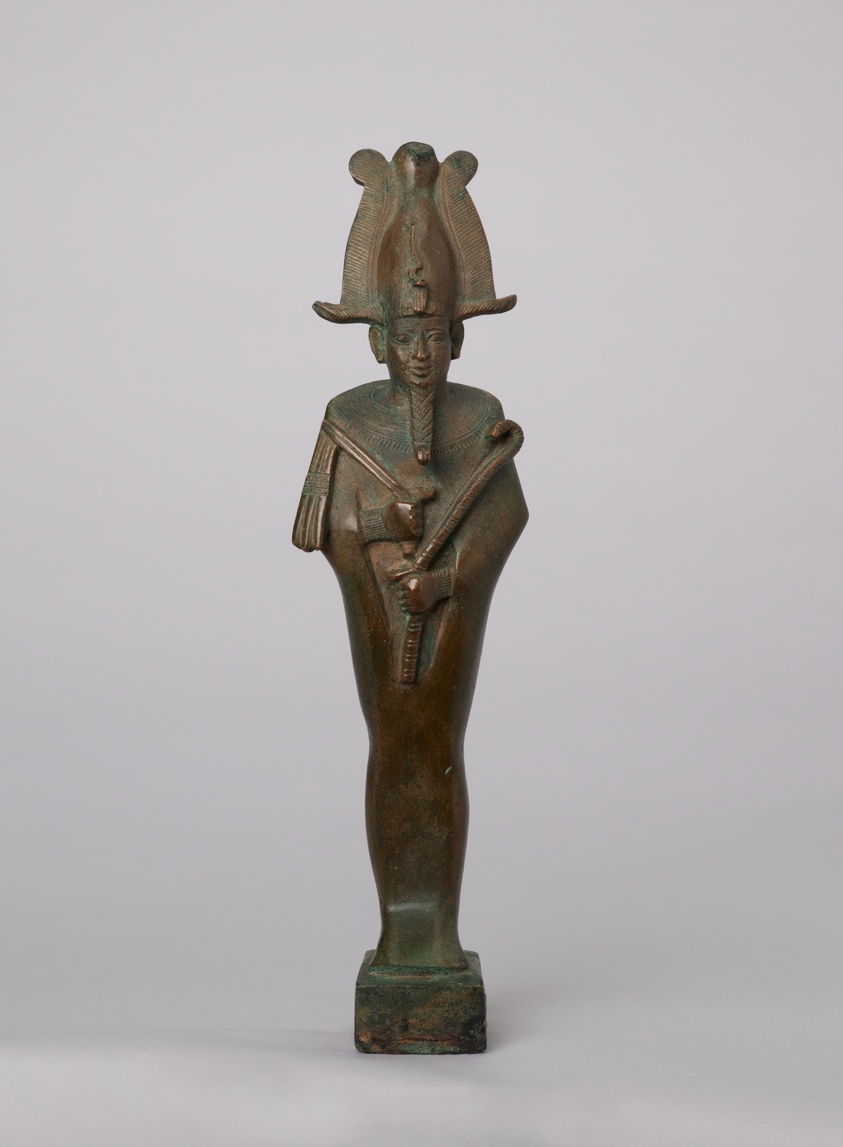
Statuette of Osiris
Art Institute of Chicago
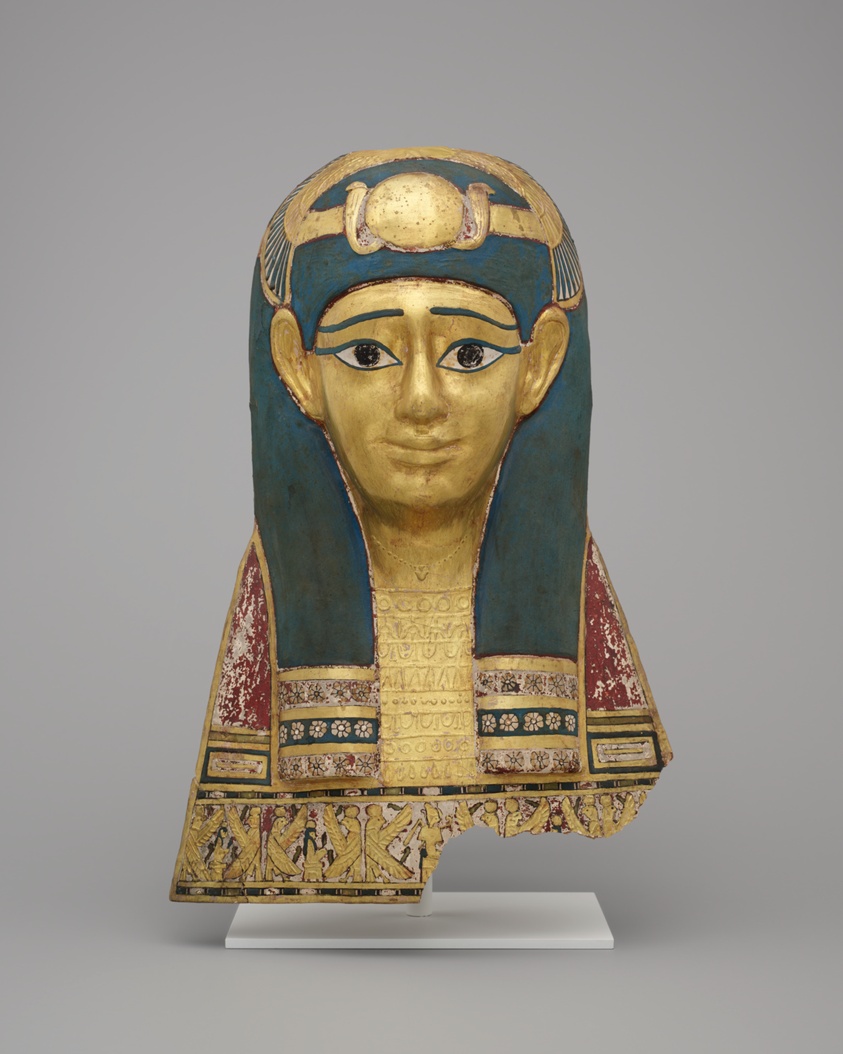
Funerary Mask
Art Institute of Chicago
Osiris
Joconde
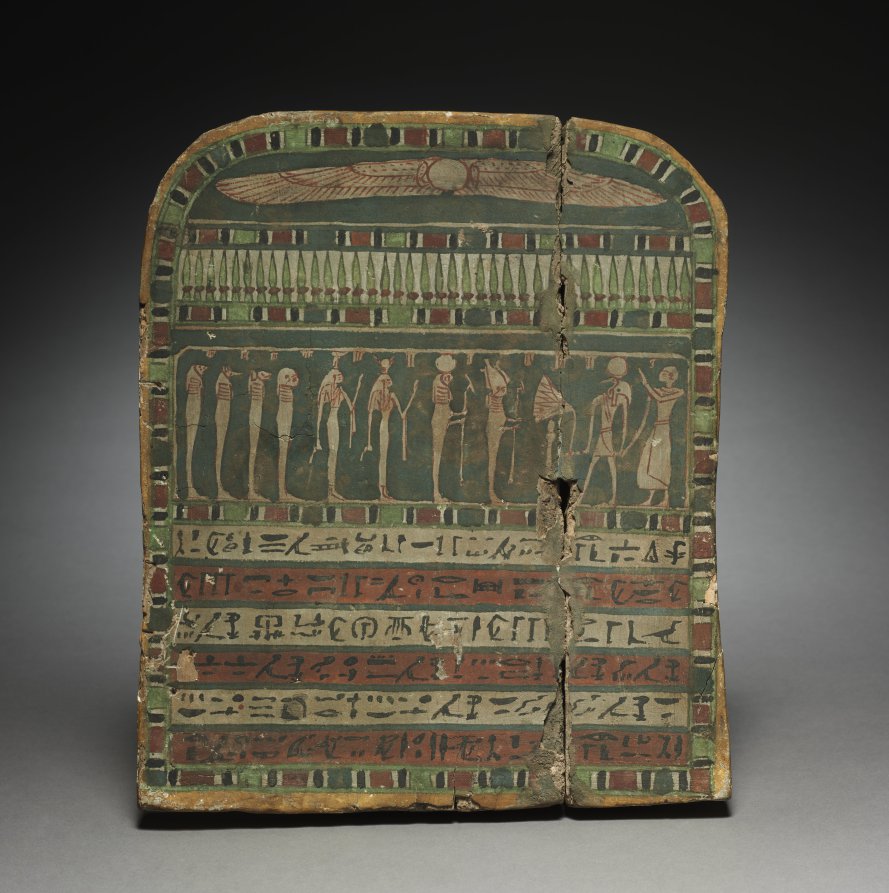
Tomb Stele of Nesptah
Cleveland Museum of Art
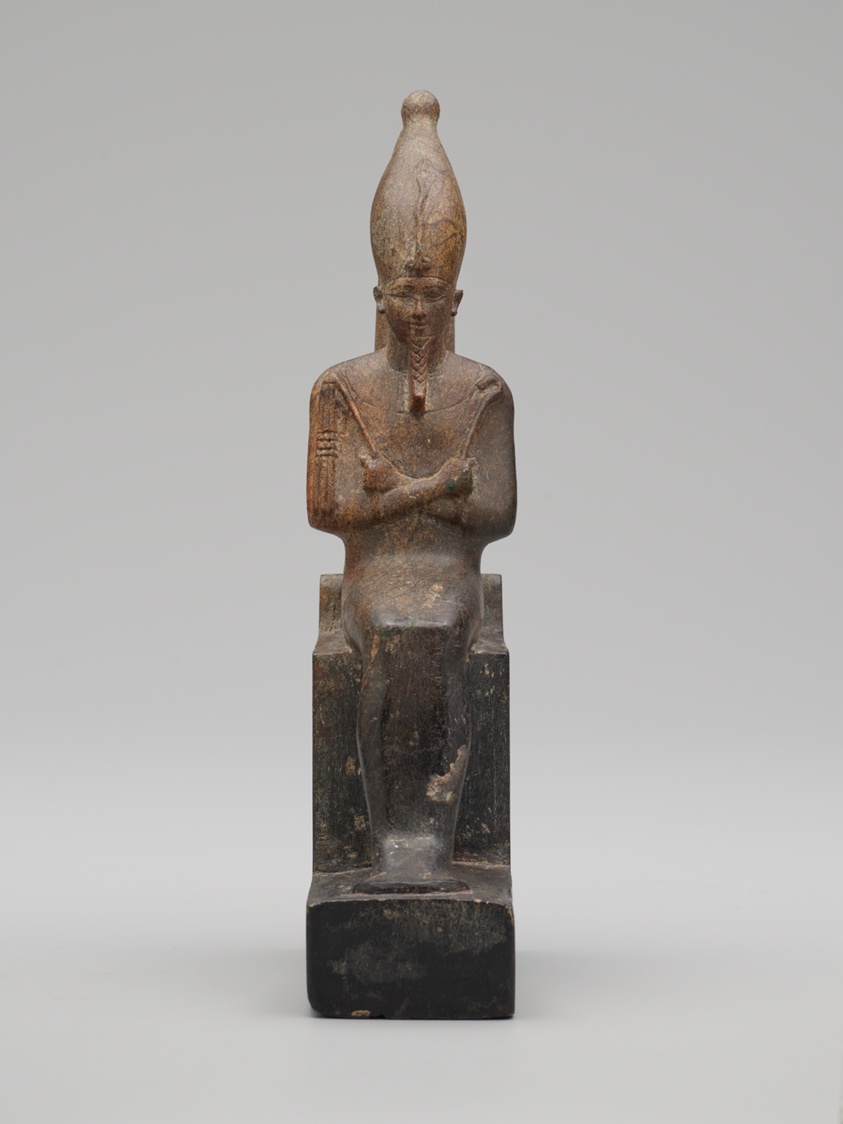
Statuette of Osiris
Art Institute of Chicago
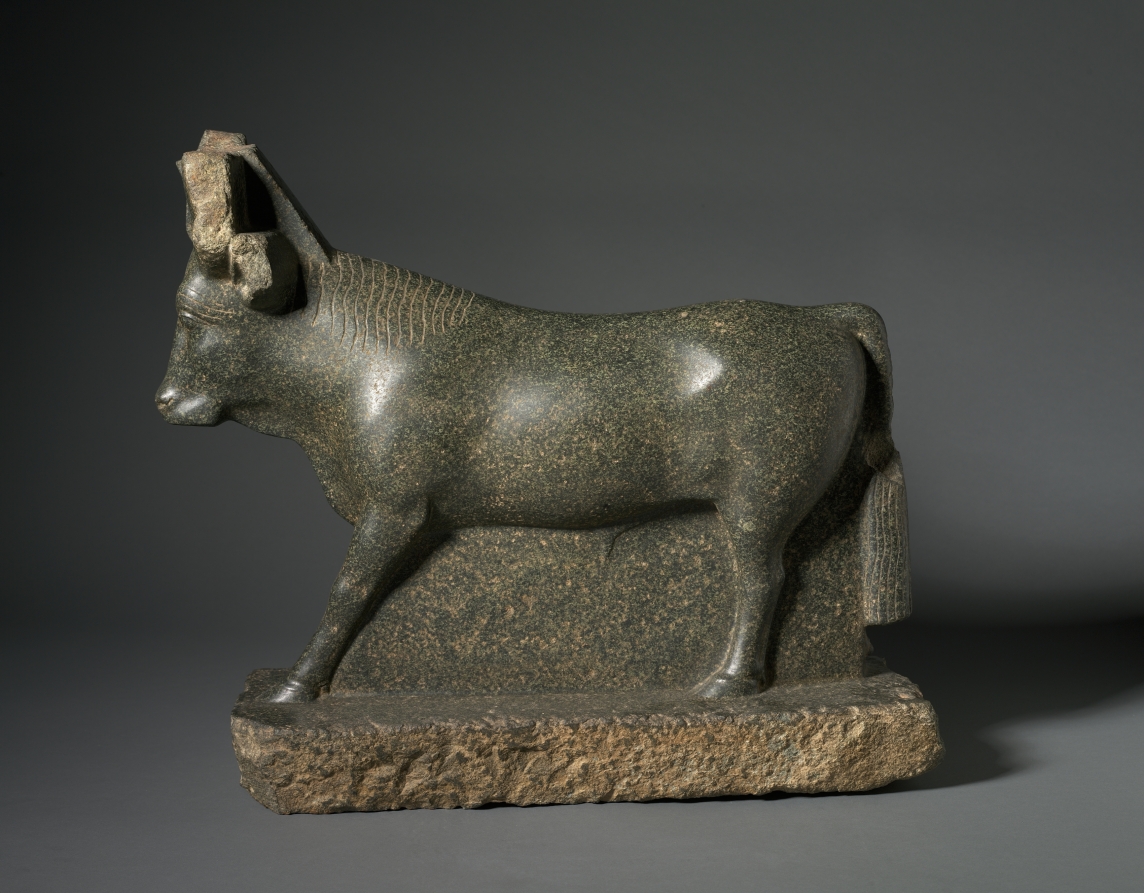
Apis Bull
Cleveland Museum of Art
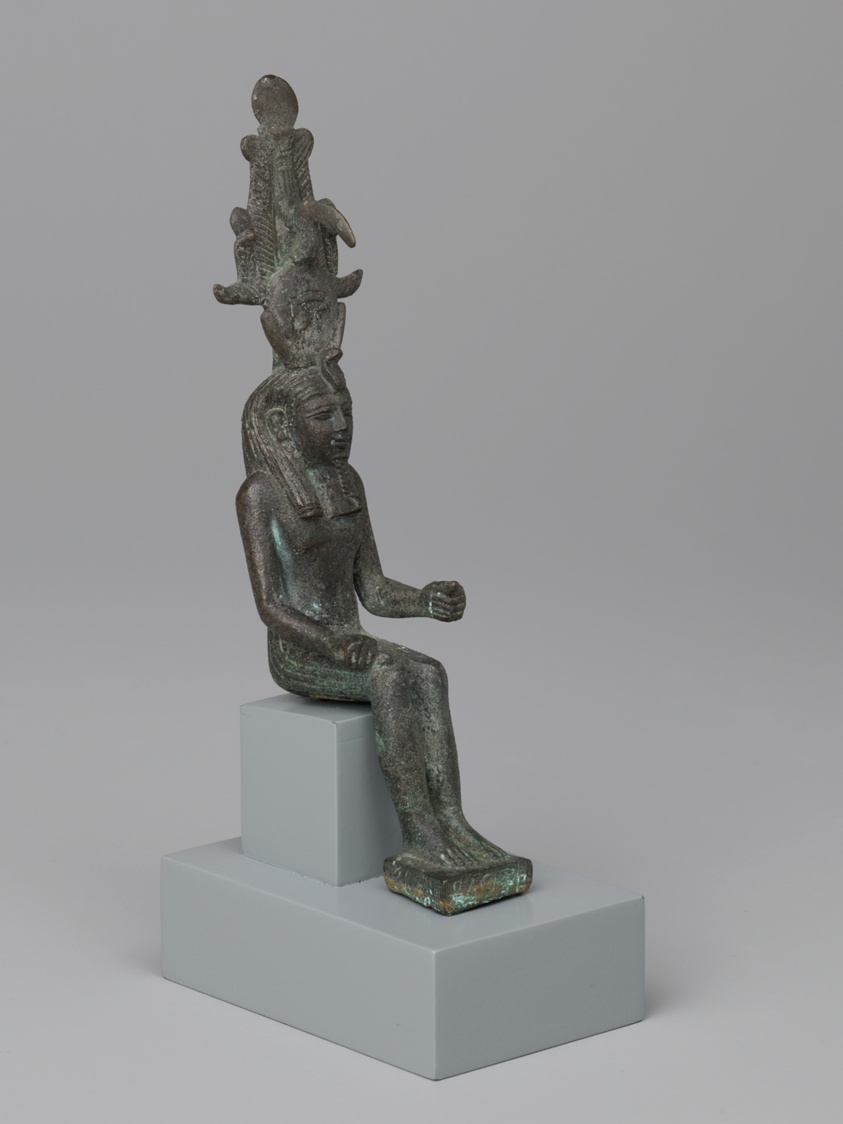
Statuette of Osiris-Iah
Art Institute of Chicago